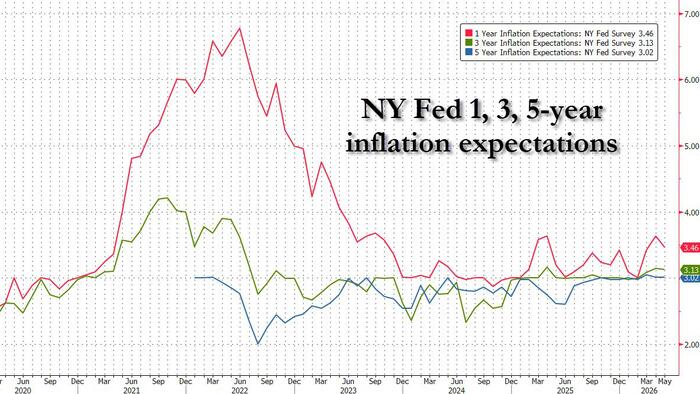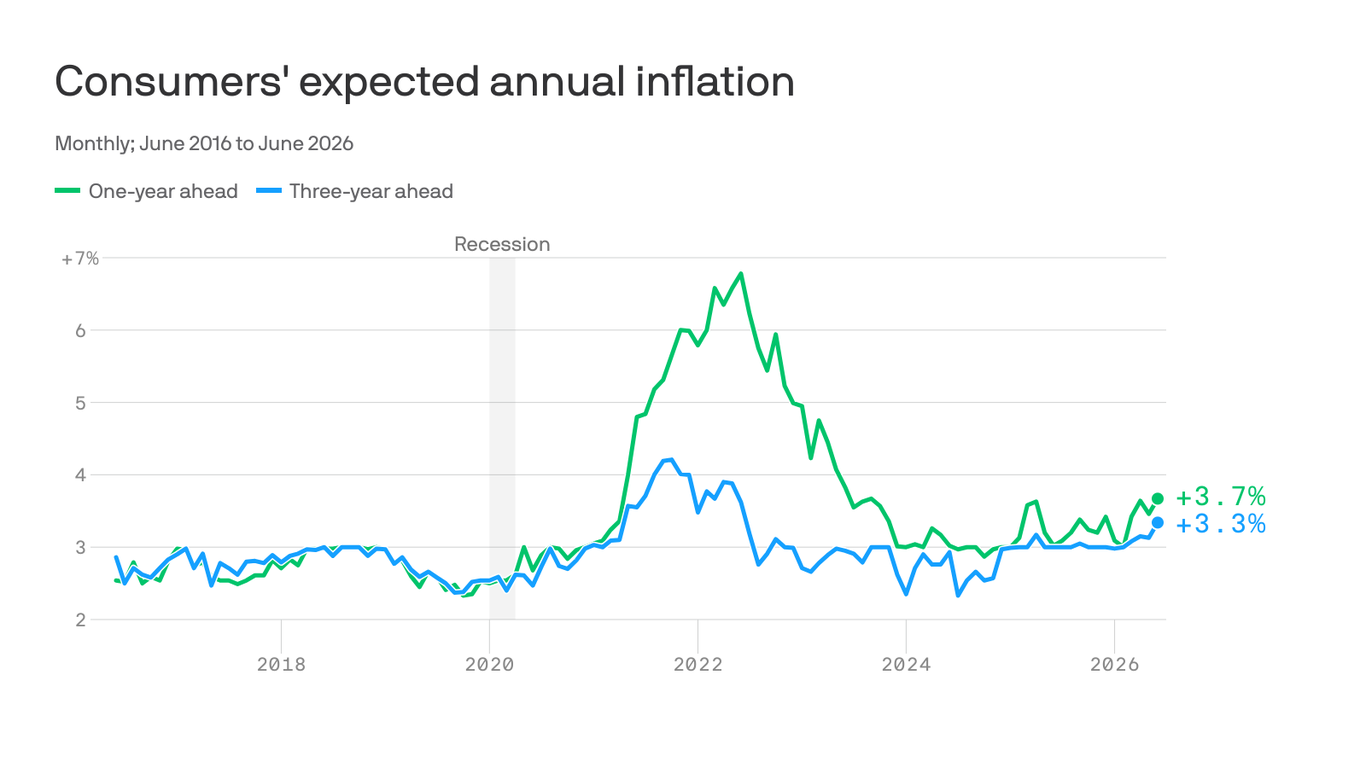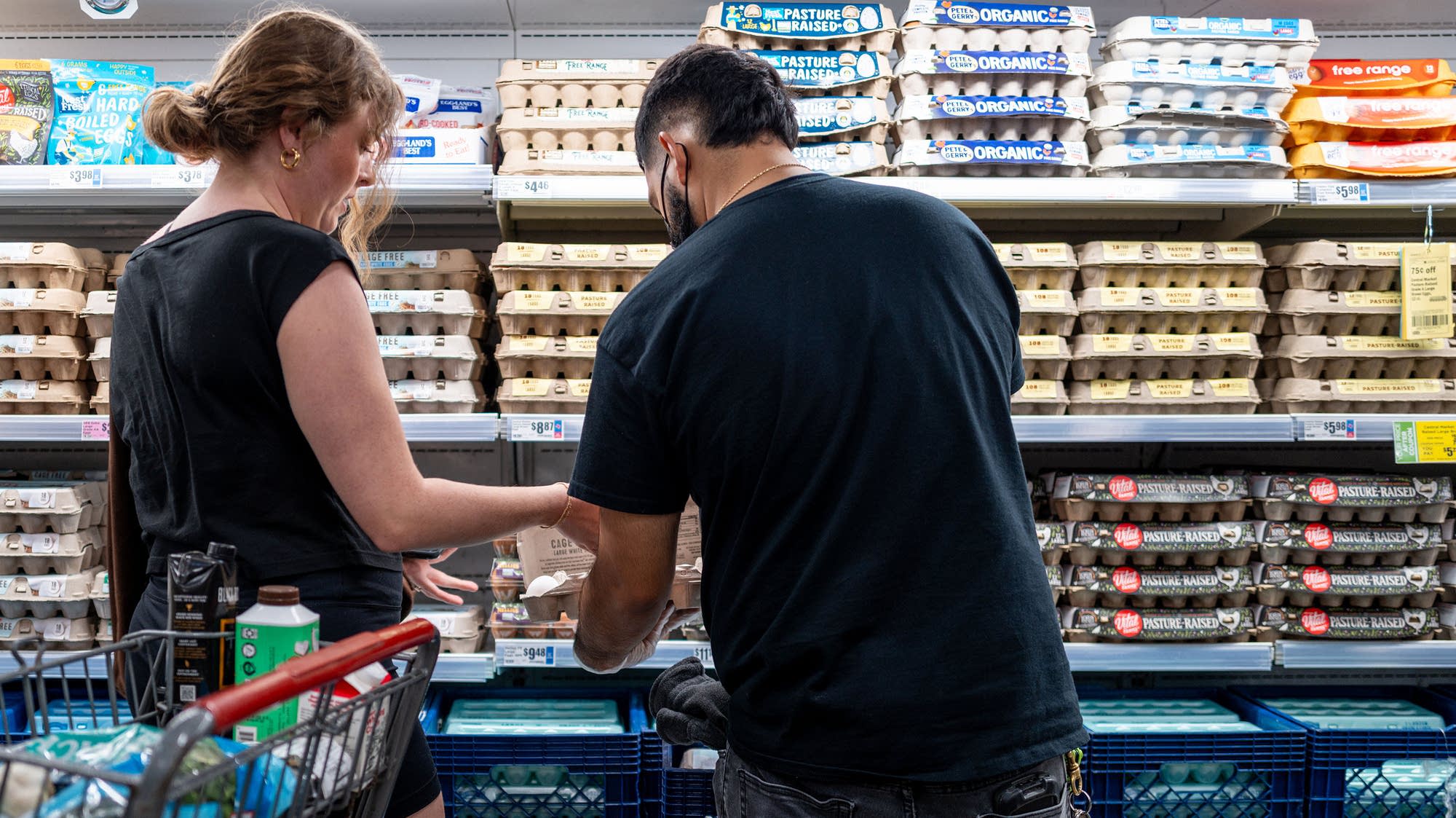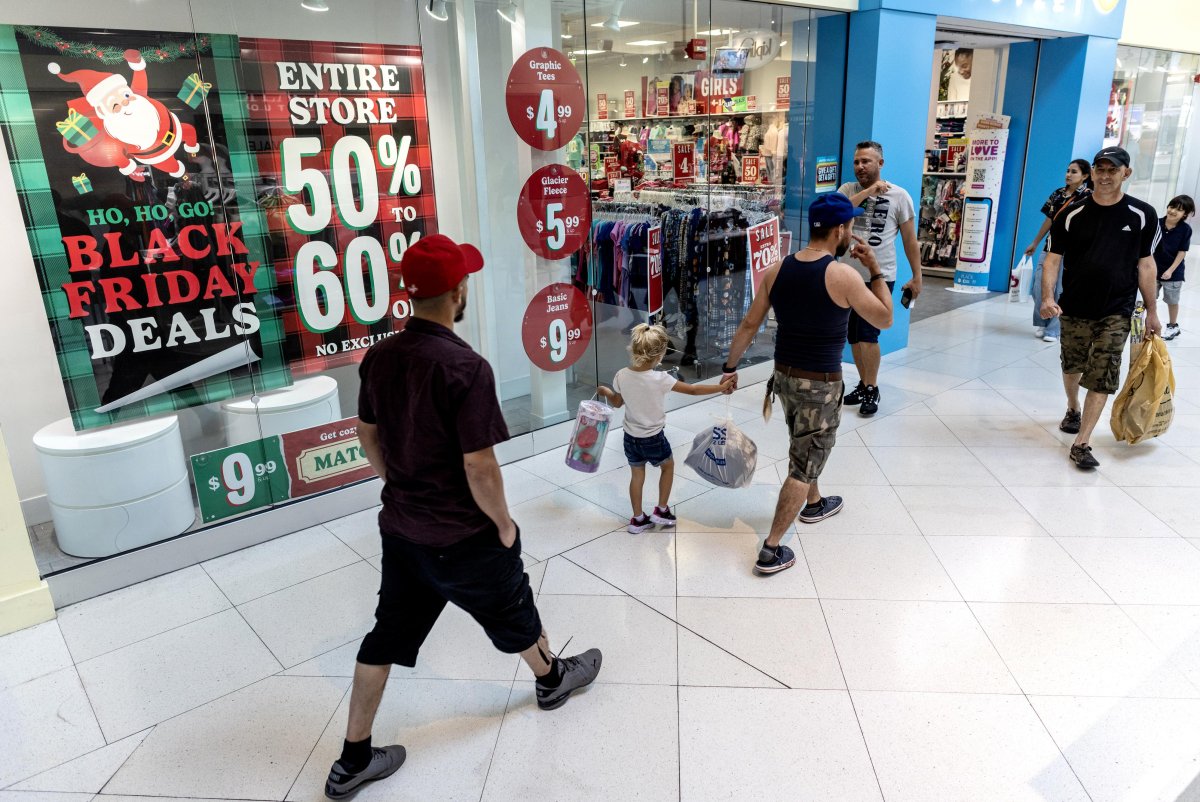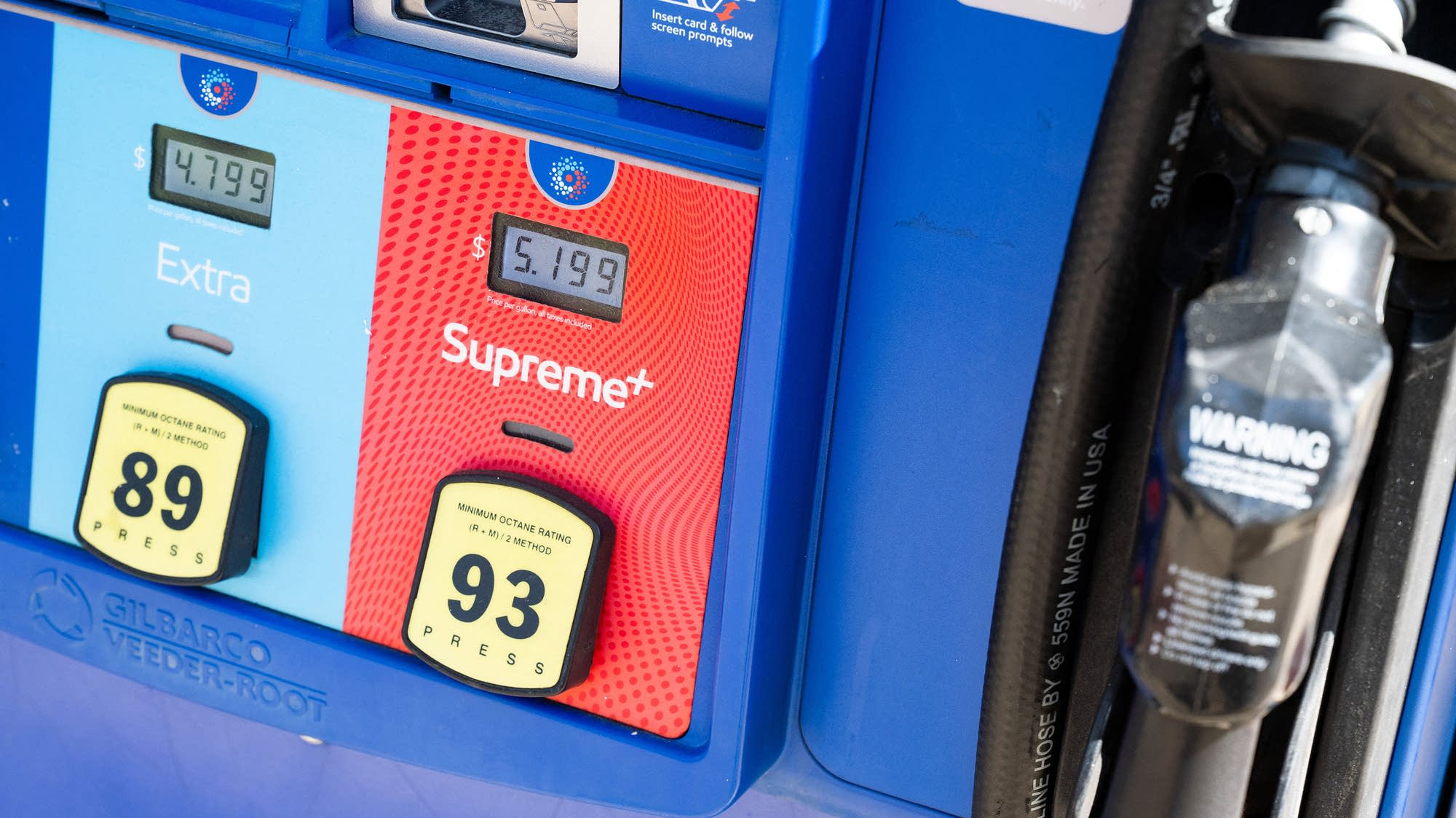
On Tuesday, the New York Fed will release its monthly Survey of Consumer Expectations. It’ll provide some of the data points the central bank’s Open Market Committee will use to decide whether to raise interest rates to tamp down inflation.Inflation is still a problem because energy prices are high, said Pavlina Tcherneva, president of the Levy Economics Institute at Bard College. So, as the war in the Middle East drags on, “there are no indications at this moment that inflation expectations are slowing down.”How consumers are feeling about inflation comes down to how they’re feeling about what they’re seeing in two places: the grocery store and the gas station, said Stephen Brown at Capital Economics.“There was a rebound in gasoline prices. And likewise, there's been quite a few news stories about food inflation,” she said.The New York Fed’s survey measures what kind of inflation people expect one year, three years, and five years from now. Tyler Schipper at the University of St. Thomas said it’s those longer-term expectations we should be watching.“If people start believing that inflation is always going to be well above their target, that could be something that is like a self-fulfilling prophecy,” he said.Inflation gets worse when consumers accept it, Schipper added. Like, if Schipper goes to the grocery store already expecting higher prices, “I'm not going to comparison shop. Or when I ask for a raise, I'm going to ask for a bigger raise than I used to, because I know that prices tend to be going up now more than they used to,” he said.So, food prices go up, wages go up, rinse, repeat, and presto: long-term inflation.
How inflation expectations can fuel rising prices
Inflation gets worse when consumers expect it to get worse.
274 words~1 min read