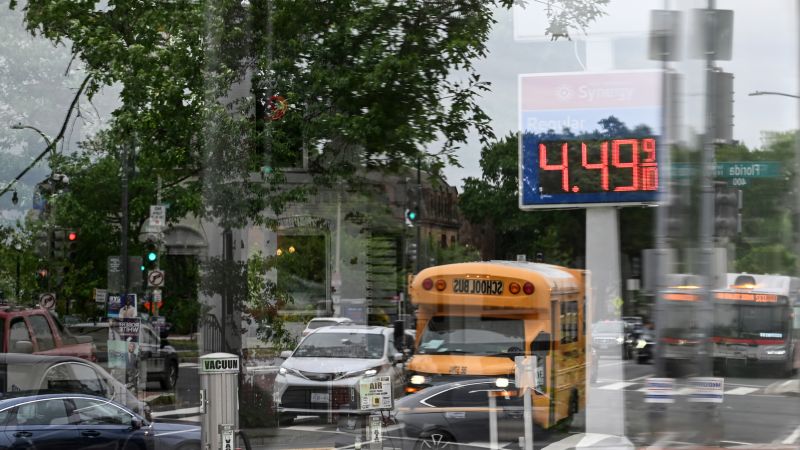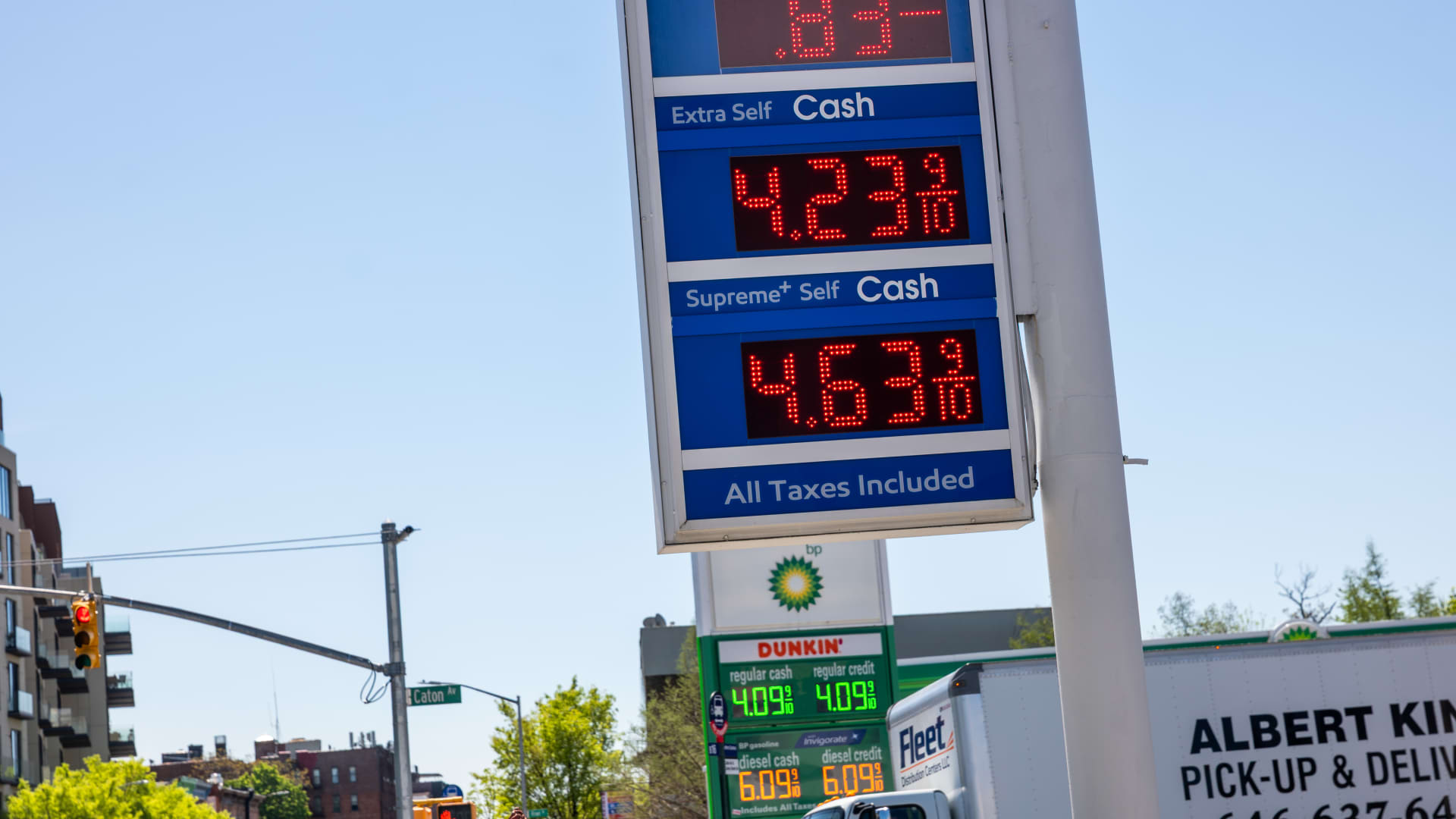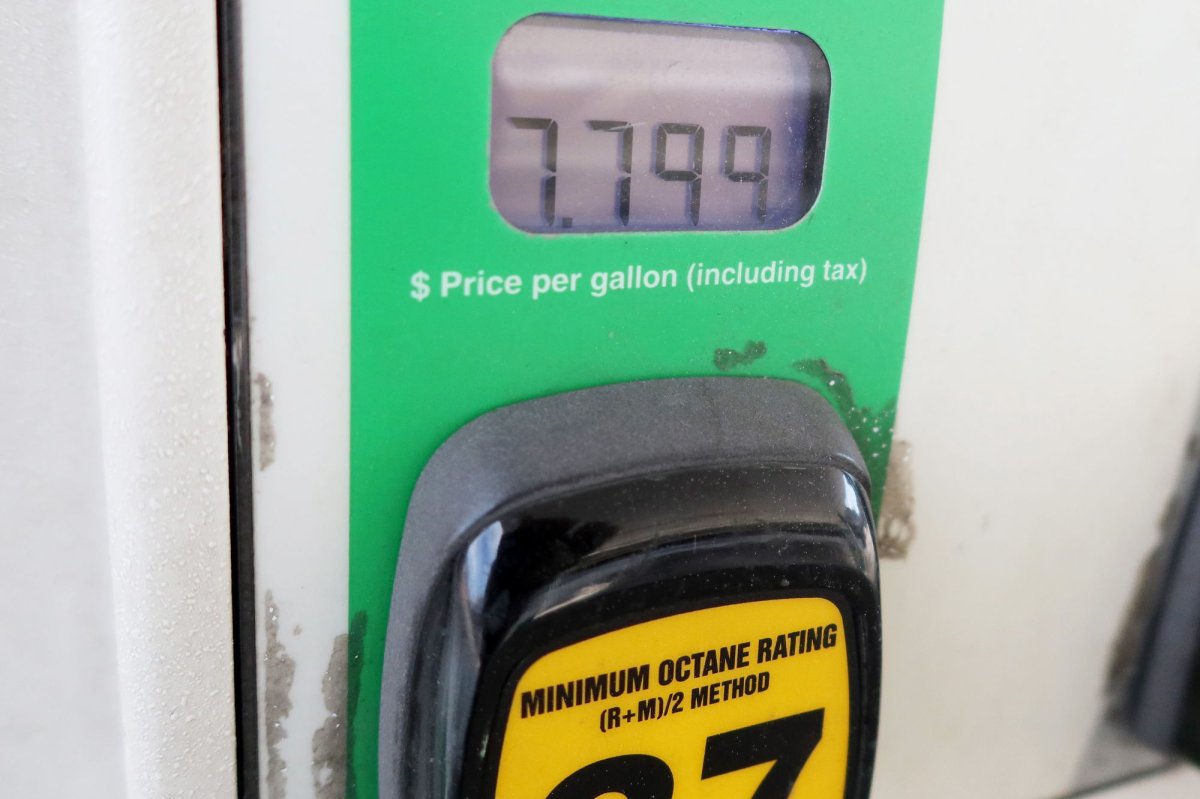
Some important shoes drop on Thursday, economic data-wise. There’s the GDP revision, but the biggie is April’s personal consumption expenditures price index, or PCE. This is the Fed’s preferred inflation measure and shot up to 3.5% in March. It’s expected to have risen again in April, to 3.8%. A lot of that we know comes from the soaring price of gas and diesel — thank you, Iran war — and the Strait of Hormuz being closed to oil exports. But even the core inflation rate, which strips out food and energy, has been going up.All of which is going in very much the wrong direction to get to the Fed’s seemingly ever-more-elusive inflation target of 2%. And everyone who plays in the economy seems to know this, because inflation expectations have been rising sharply as well — among consumers, businesses, and investors. In other words, inflation expectations are, well, inflating. The University of Michigan reports that consumers expect prices to rise 4.8% over the next year. Back in February, it was just 3.4%. Here’s why this is a problem: “Inflation expectations can become a self-fulfilling prophecy,” explained Joanne Hsu, who directs the University of Michigan Surveys. “If you expect inflation to be much higher in the future, you might front-load your purchases now. And if enough people do that nationwide, that would put in itself some upward pressure on prices.”Another way this can happen is what economists call a “wage-price spiral.” Prices shoot up, and you see no end in sight.“You might try to find a higher-paying job or negotiate a raise, and then employers are going to take those increased labor costs and pass them right back to consumers,” Hsu said.You can also measure inflation expectations by asking businesses. The Philadelphia Fed’s latest survey finds local firms expect a sharp spike in U.S. inflation over the next year to 4.2%. But they say they’ll raise their own prices on average by just 2.8%. Philly Fed economist Paul Flora’s pretty sure they’re lowballing. “They’re going to want to say, ‘We’re holding prices firm, we’re not going to raise them. But our competitors might.’ And the reality is if their competitors do, then they’re probably going to follow.”One more place to look for inflation expectations, per economist Mark Zandi at Moody’s Analytics: the bond market, where investors are also signaling they expect inflation to move higher. “You know, there’s different ways of measuring inflation expectations, and I will say that all of them are pointing in the wrong direction,” he said.If the trend continues, he said that the Fed will have to hike interest rates to tamp things back down.
Inflation expectations are rising, and that alone could push prices higher
Consumers now expect prices to rise 4.8% over the next year, up from 3.4% in February, and businesses and bond markets are signaling similar expectations.
439 words~2 min read