The Bureau of Labor Statistics reported on May 12 that the Consumer Price Index rose 3.8% year-over-year in April, up from 3.3% in March and well above the analyst consensus of 3.7%. That’s the highest inflation reading since May 2023.
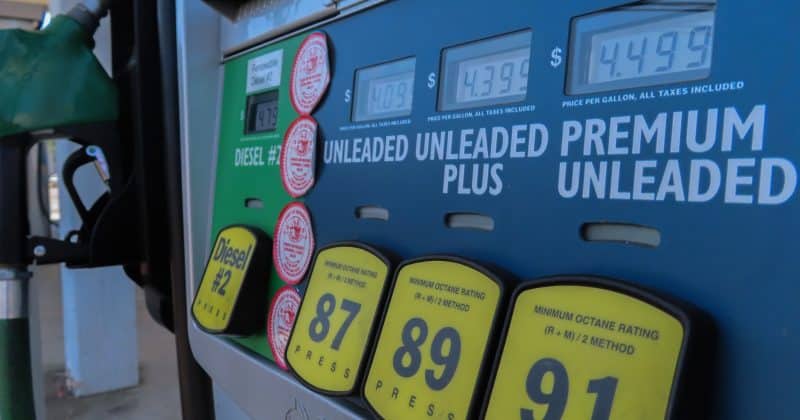
Month-over-month, prices climbed 0.6%. The primary culprit: energy, which surged 17.9% on a yearly basis, largely driven by geopolitical tensions involving Iran that have sent gasoline prices skyward. Core CPI, which strips out food and energy, came in at 2.8% year-over-year.
What’s driving the spike
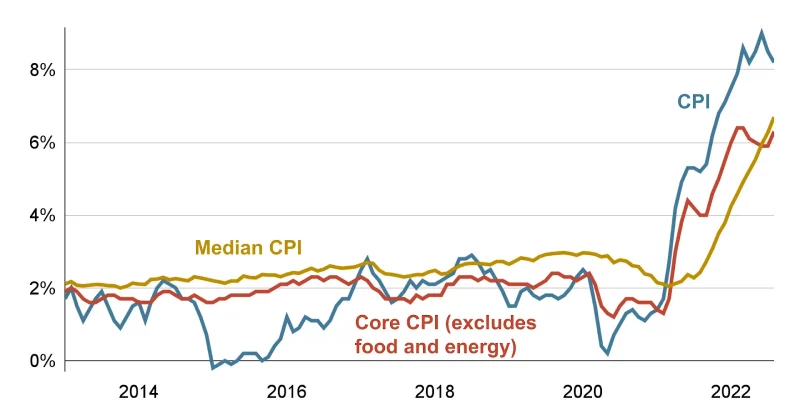
The distinction between headline CPI at 3.8% and core CPI at 2.8% tells an important story. Strip out the geopolitical shock, and inflation looks uncomfortable but manageable. The problem is that consumers don’t buy “core” groceries or fill their cars with “core” gasoline. They pay the headline price.
Energy price spikes driven by foreign conflicts are not something the Fed can fix with interest rate adjustments. Raising rates won’t produce more oil. But letting inflation run hot risks unanchoring inflation expectations.