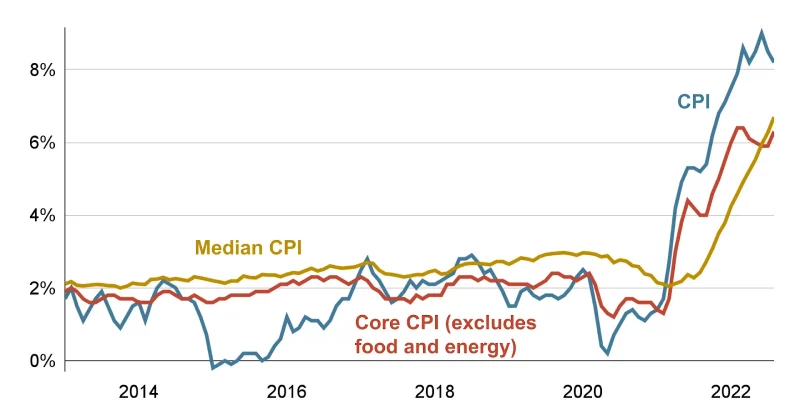
The US consumer price index climbed 3.8% year-over-year in April, the hottest reading since May 2023 and a number that caught most of Wall Street flat-footed. The Bureau of Labor Statistics released the data on May 12, and the reaction was swift: bond yields jumped, equities stumbled, and the already-slim odds of a Federal Reserve rate cut this year evaporated almost entirely.
Economists had been expecting a 3.7% annual gain. They got something worse. The month-over-month increase came in at 0.6%, double the 0.3% consensus forecast, a miss large enough to reshape the monetary policy conversation overnight.
Energy prices did the heavy lifting
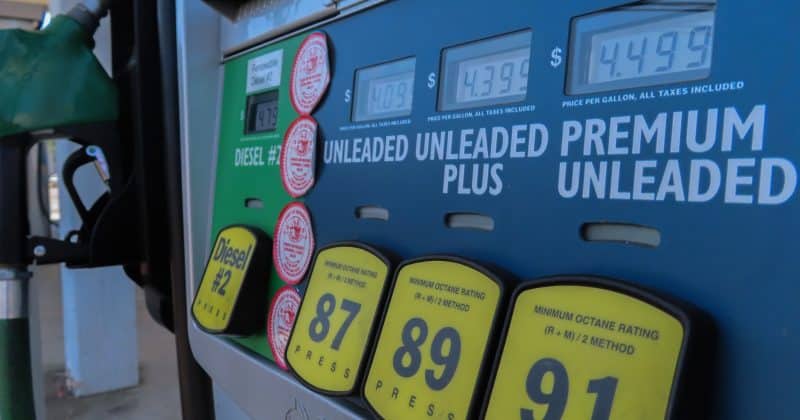
Gasoline was the headline villain. Ongoing geopolitical tensions tied to the US-Iran conflict pushed energy costs sharply higher on a year-over-year basis, and those price increases rippled through the broader economy.
Core CPI, which excludes food and energy, rose 2.8% year-over-year and 0.4% month-over-month. Price pressures are broad-based and persistent, which is exactly what the Fed doesn’t want to see.