Government should invest heavily in flood prevention
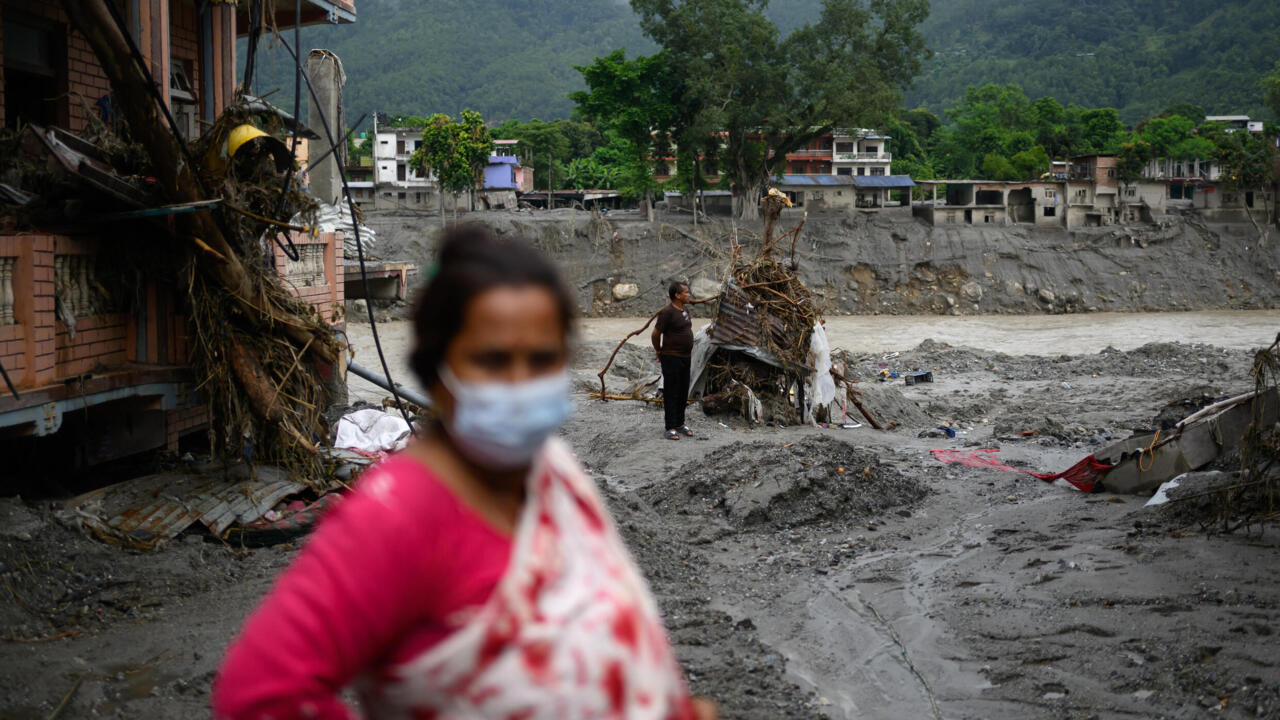
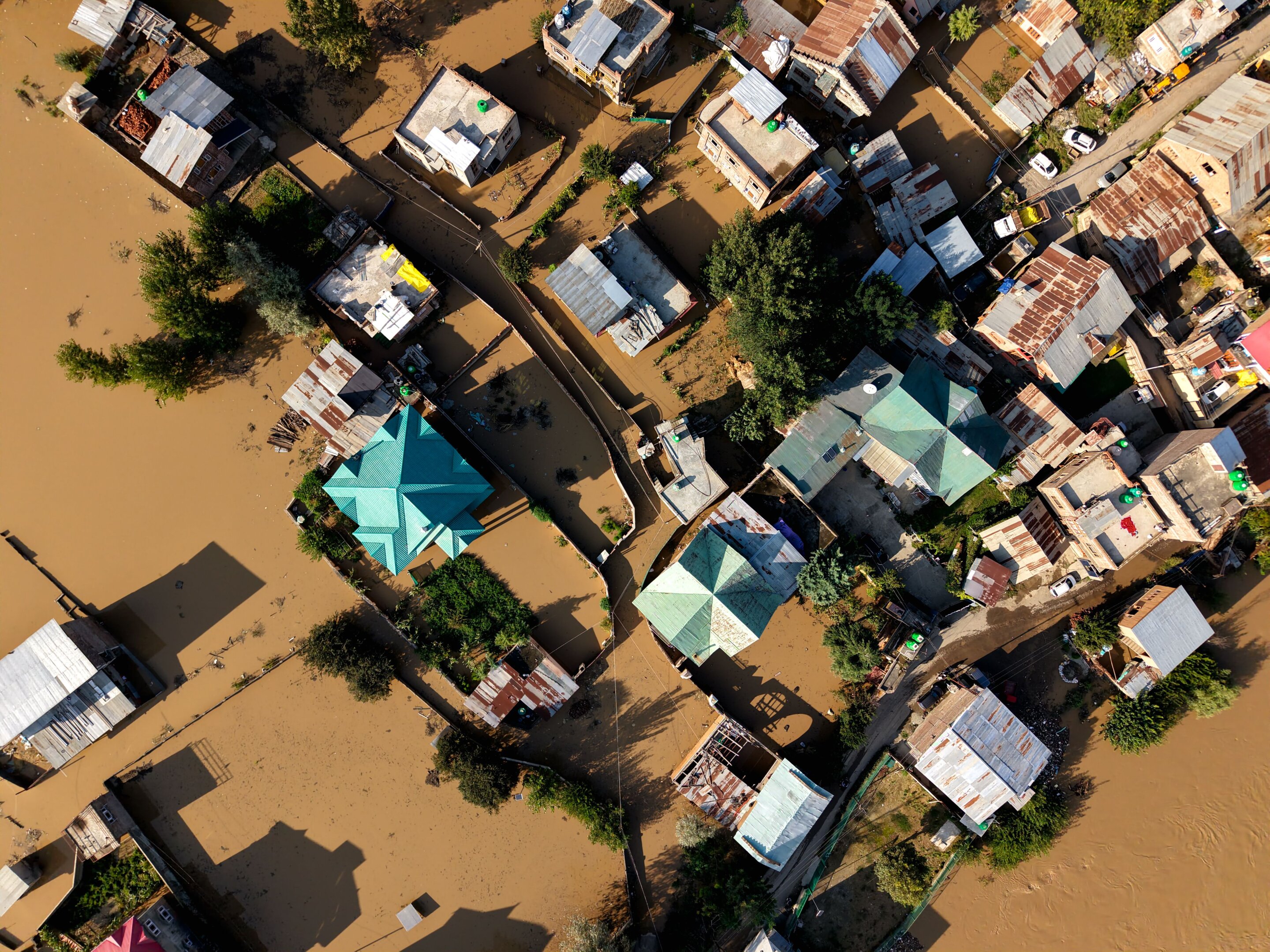
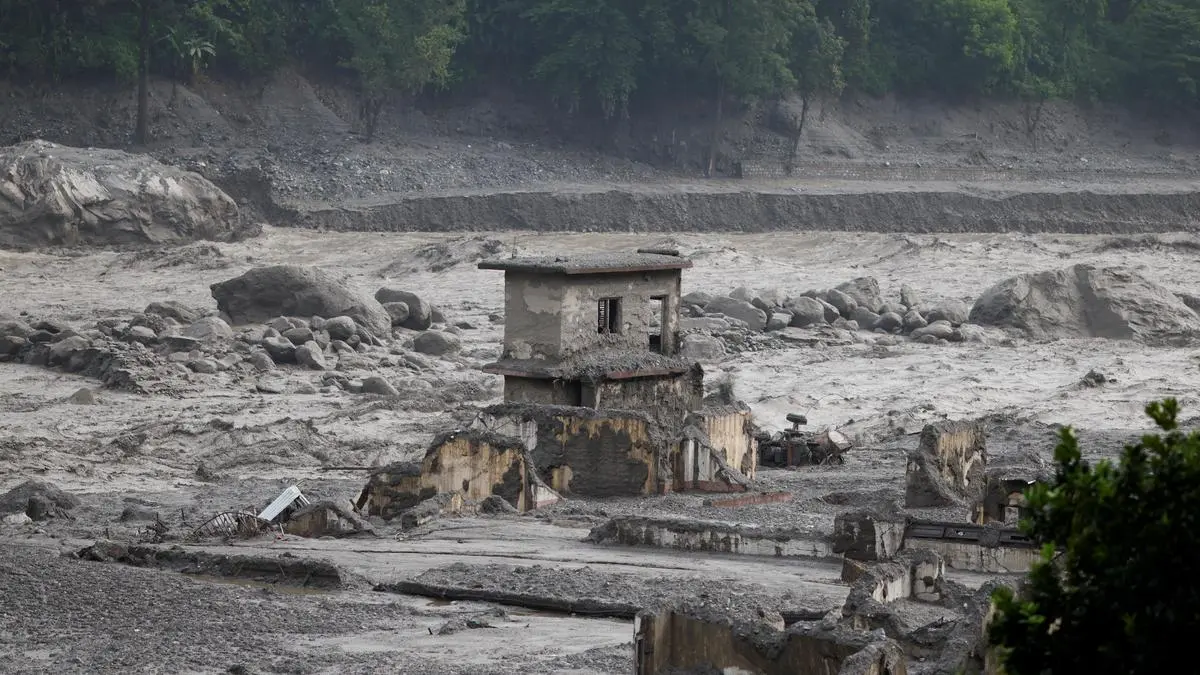
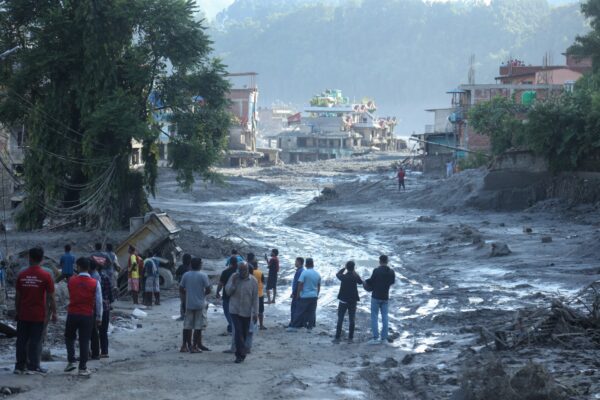
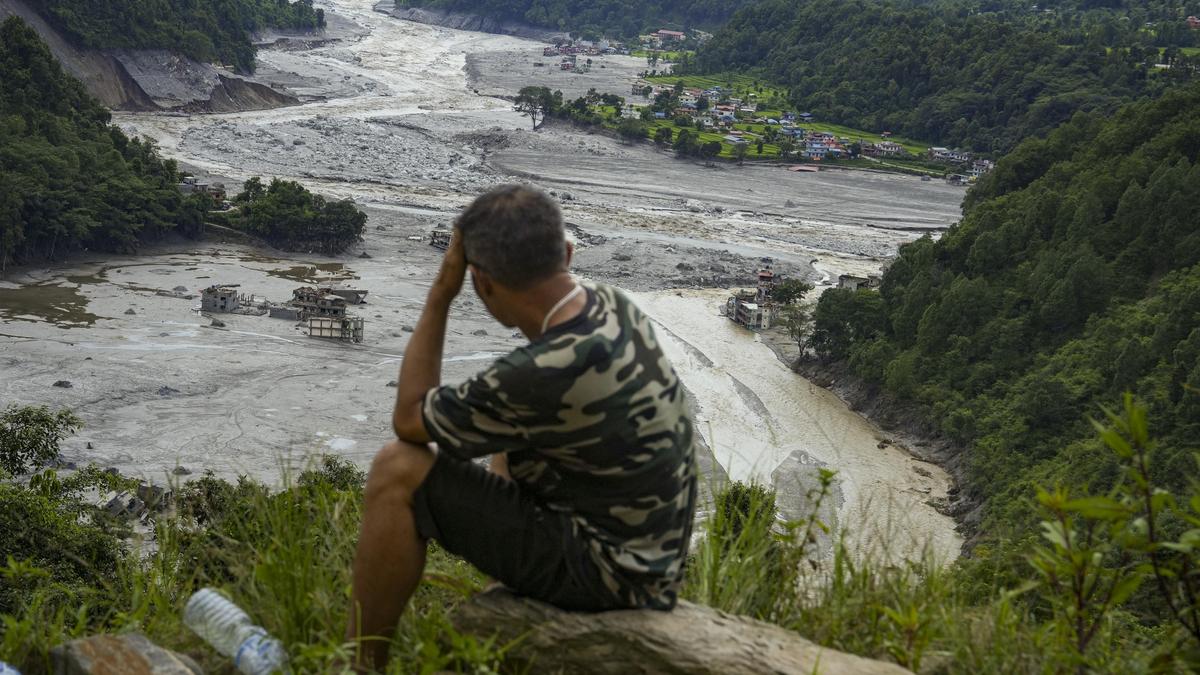
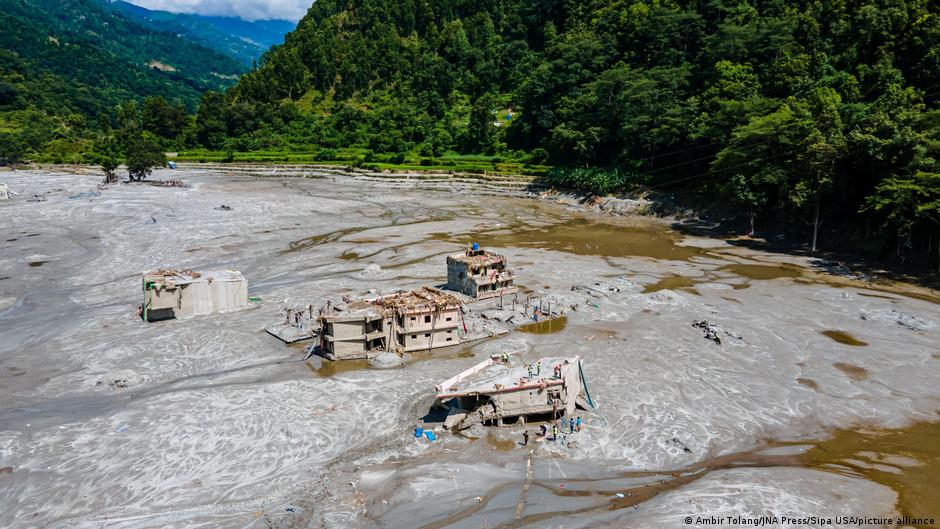
The people of Nepal are still counting their losses from the devastating flash flood which ripped through their border with China, inundating towns, crushing roads and bridges and causing the death of more than a thousand people in its path. The last time Nigeria witnessed this type of extremely shocking flooding was in 2012 which killed no fewer than 363 people, displaced about three million others and about 600,000 houses either damaged or destroyed. But following the tragedy in Nepal, the Nigerian Meteorological Agency (NiMET), Nigerian Hydrological Services Agency (NIHSA) are concerned that the 2012 flooding could happen again if their warnings continue to be ignored. The National Emergency Management Agency (NEMA) also enjoins Nigerians to remain vigilant because such a devastating flooding can occur with little notice.
Recurring flood disasters in the country are no longer isolated seasonal incidents but a growing national crisis demanding urgent action on urban planning, drainage, early warning systems and public preparedness. But the most disturbing aspect of Nigeria’s flood crisis is not that flooding occurs. It is that authorities and citizens largely know where the risks are located, but continue to allow development, particularly in highbrow estates. Yet government cannot simultaneously warn citizens against building on waterways and permit developments that obstruct free flow of water. Where planning authorities approve construction in flood-prone areas, responsibility does not rest solely with the property owner. The approving authority must also answer for the consequences.