Brabim Karki argues that Nepal’s deadly floods should prompt South Korea to rethink how it funds and monitors hydropower and disaster-risk projects abroad. He says the floods have killed at least 1,300 people in Nepal, left more than 5,000 missing, and trapped more than 900 workers at hydropower sites. He also says Korean lenders and aid planners should make seismic and hydrological monitoring part of future financing.
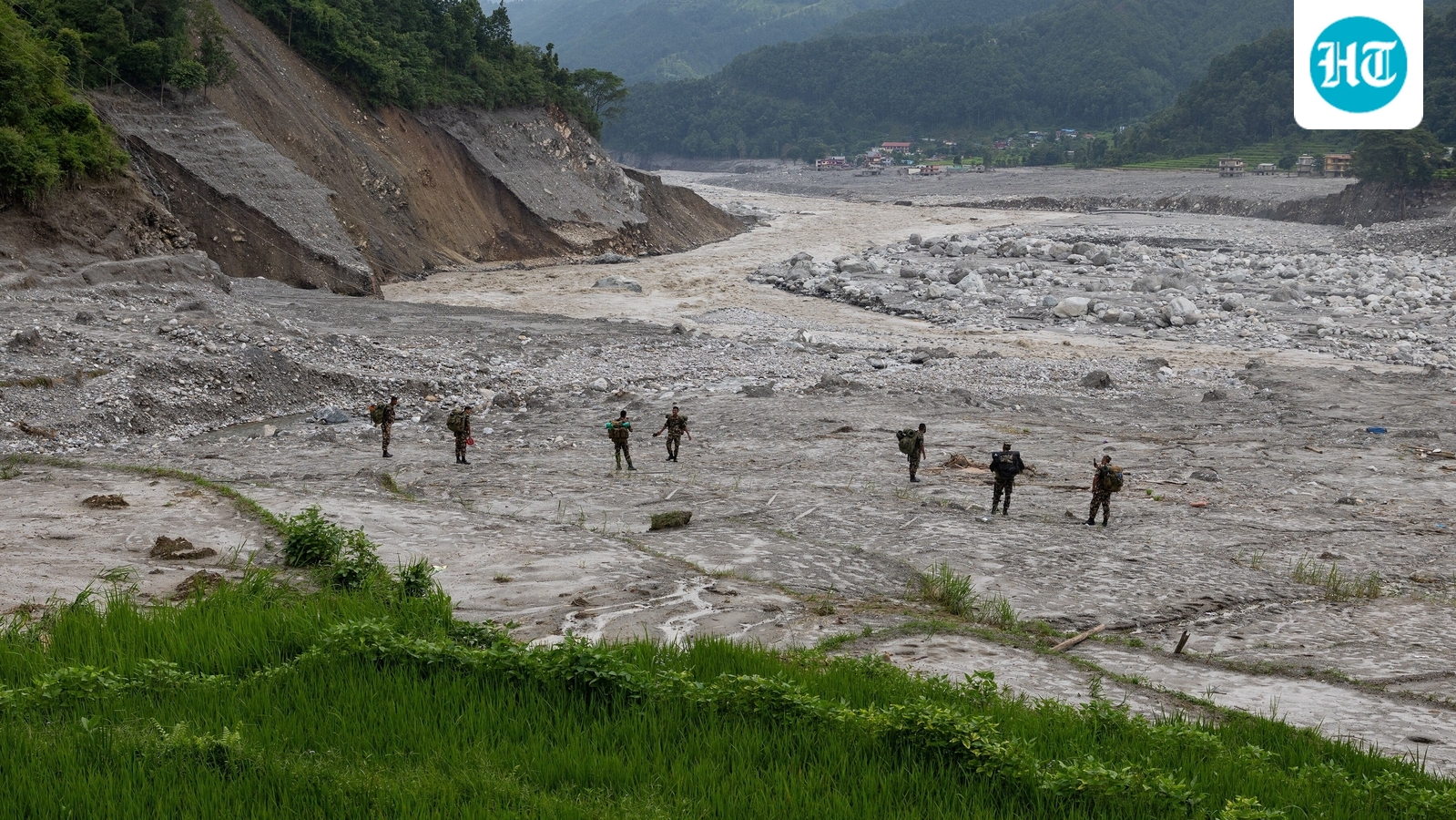
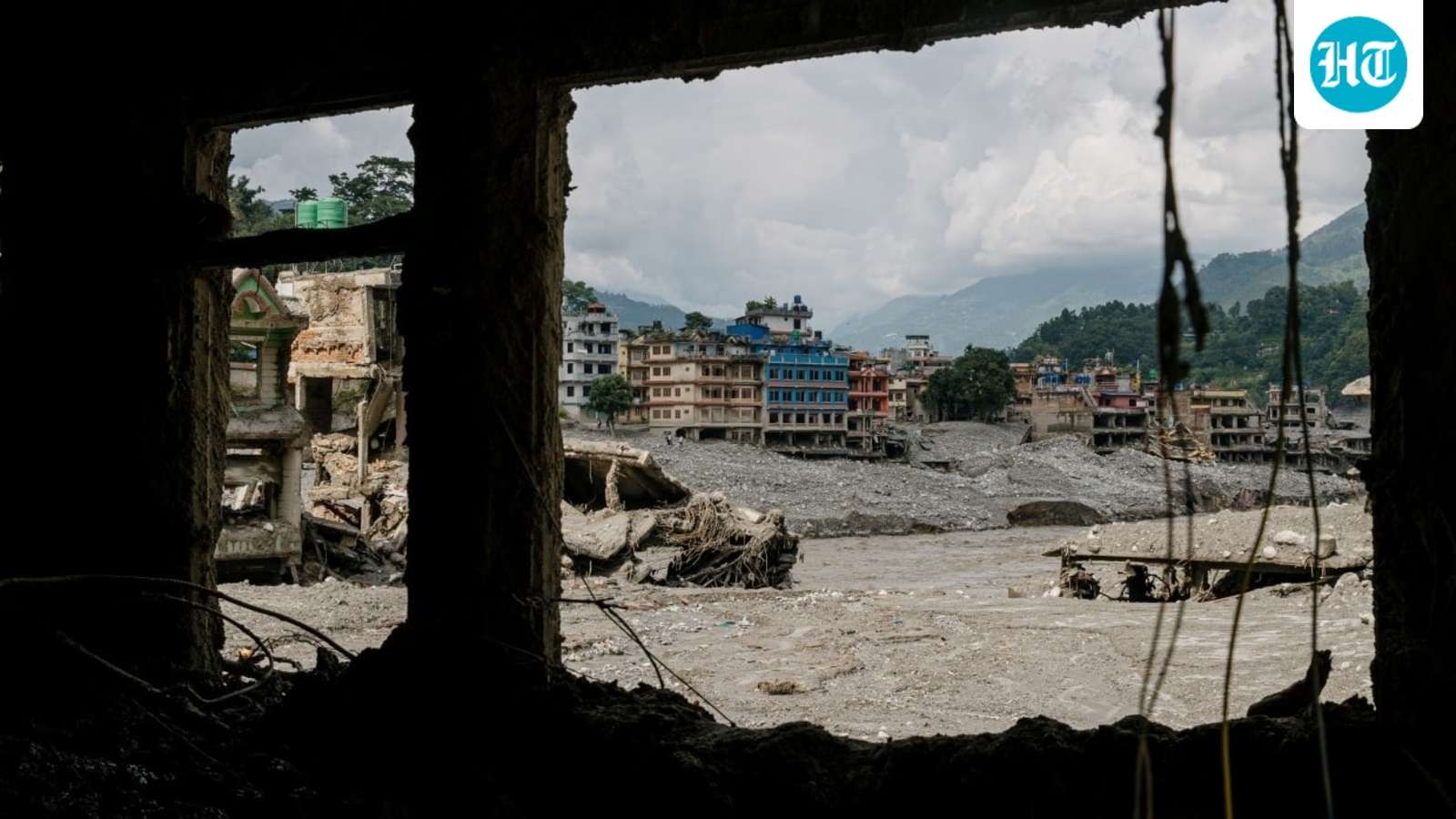
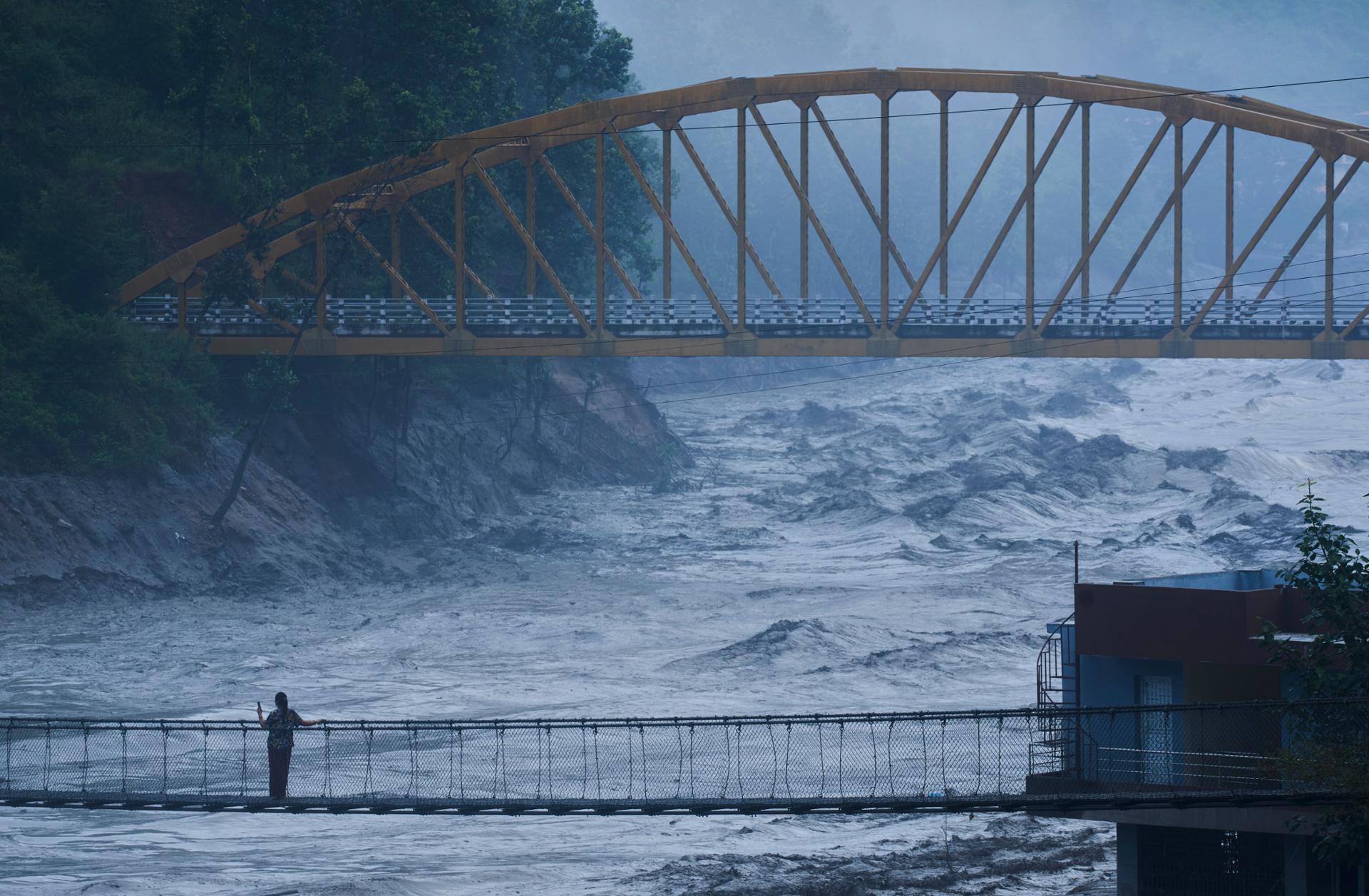
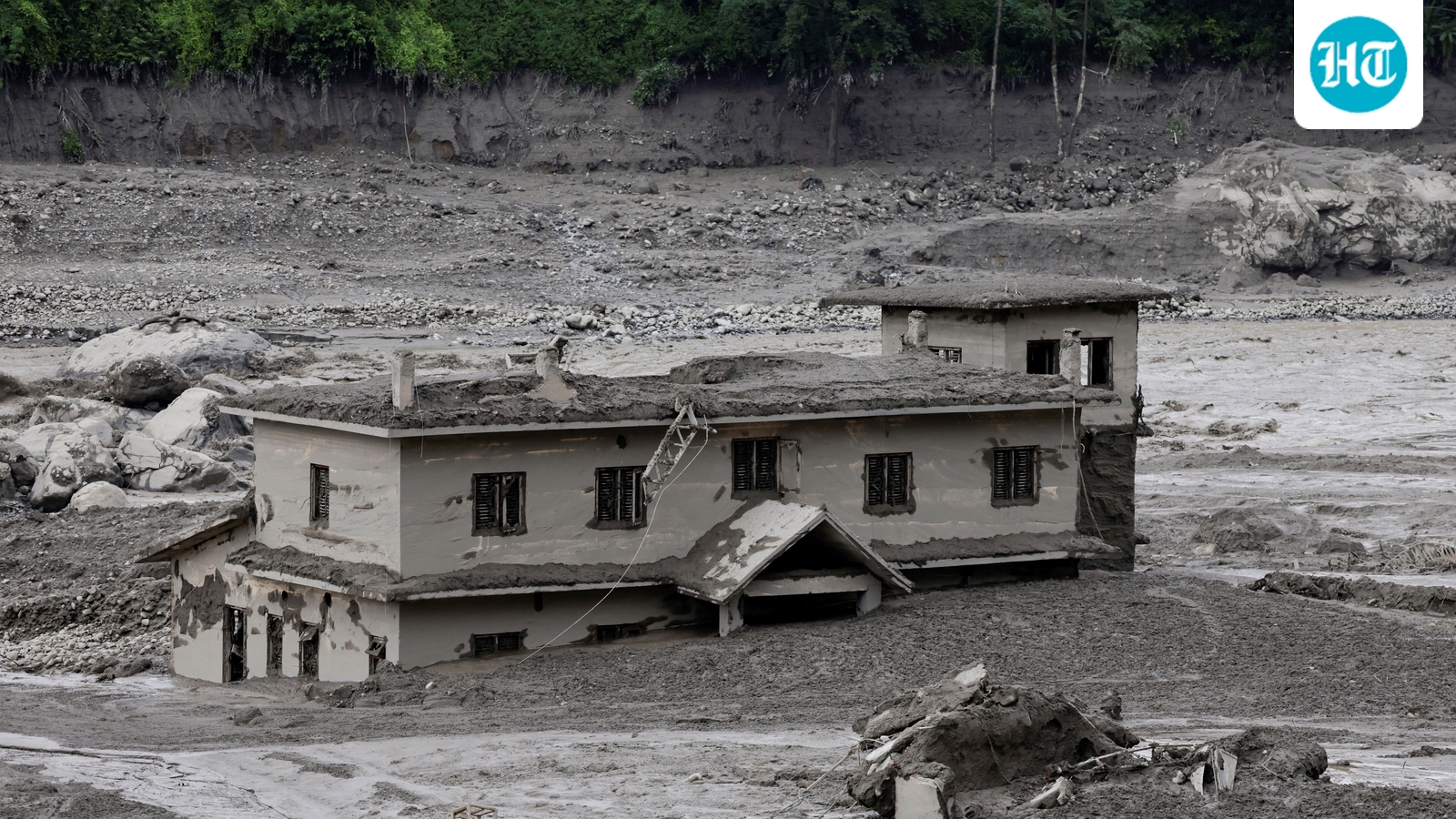
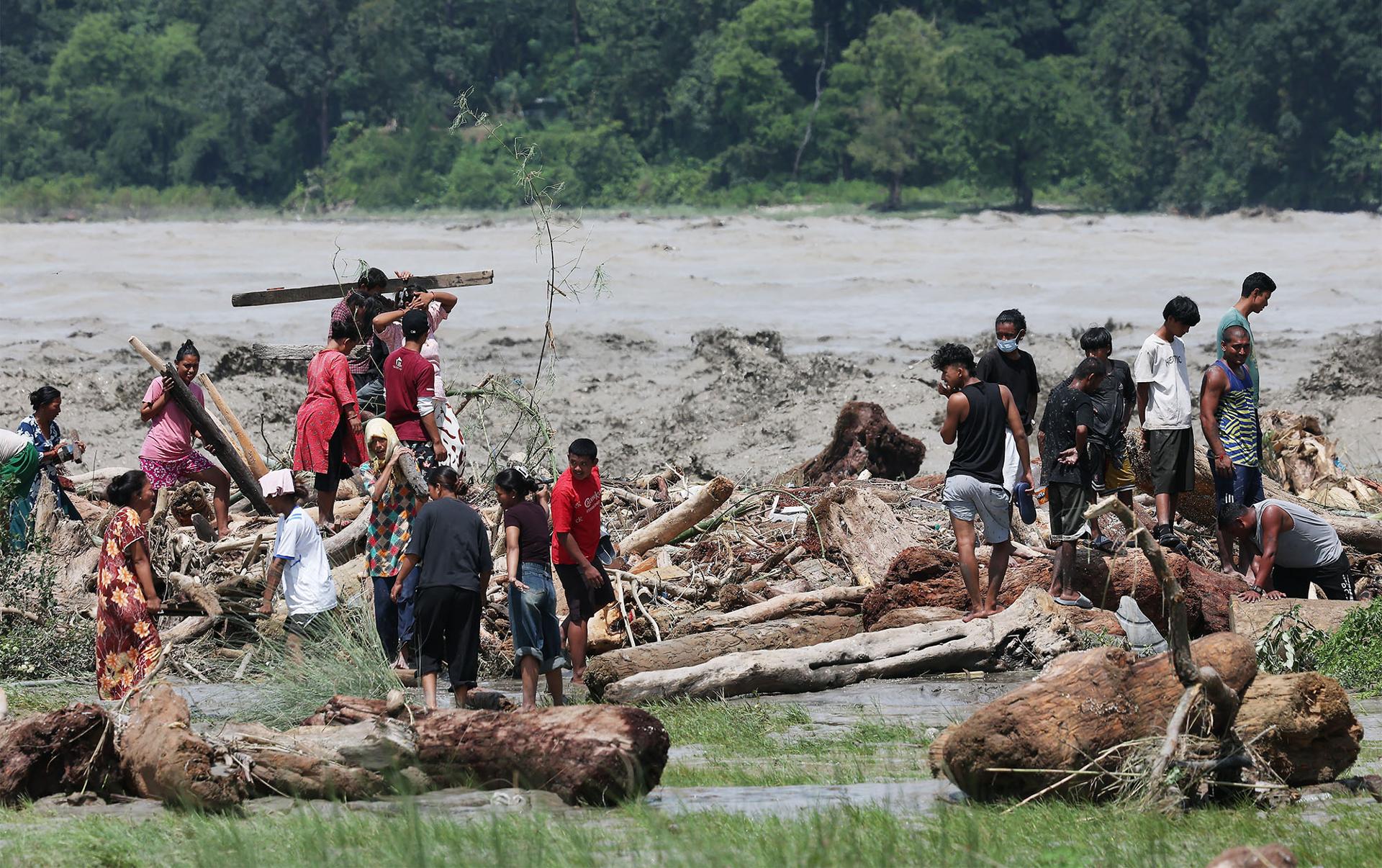
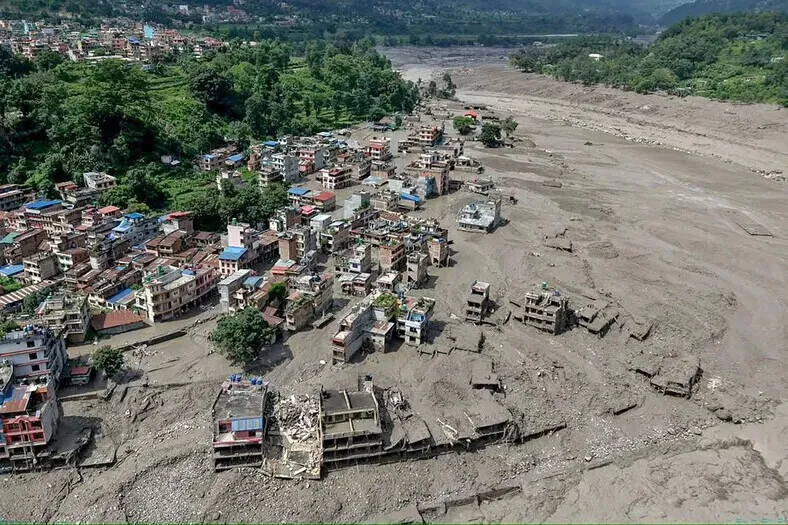
A giant torrent of water, mud and ice swept away villages and damaged roads and infrastructure near the Nepal-China border Aug.36. The death toll in Nepal has climbed to at least 1,300, with more than 5,000 people still missing, according to the latest figures from the Nepali government. On the Tibetan side of the border, at least 16 people were killed and 500 remain missing, according to Chinese authorities. Nepali officials say the current focus is on reaching workers trapped inside hydropower tunnels — more than 900 remain unaccounted for at various project sites.
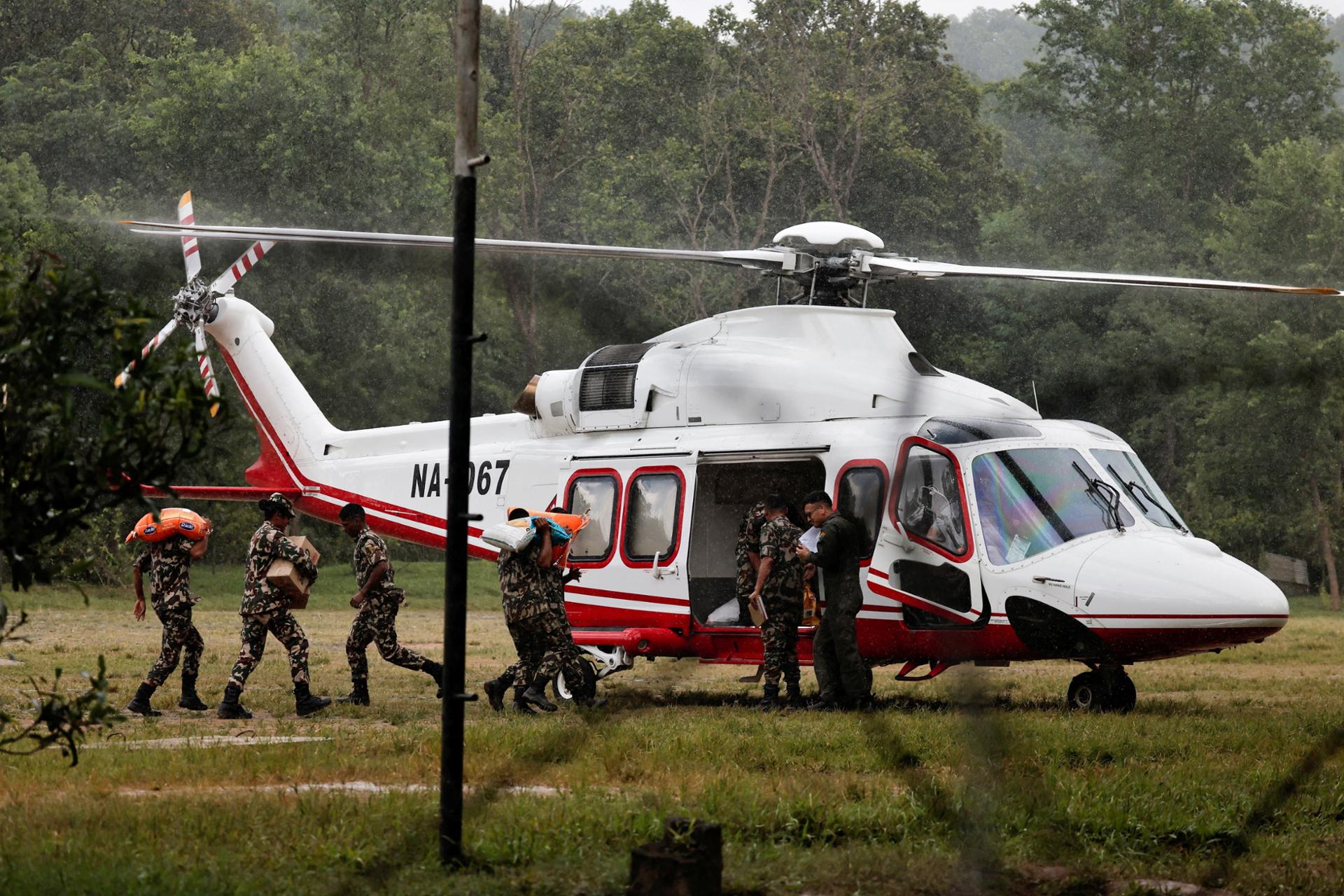
South Korea knows something about this pattern. Repeated summer flood and landslide disasters here forced successive governments to expand early-warning networks only after the damage was done, not before, and the lesson took more than one bad season to sink in. Seoul has also built one of the region's more active overseas disaster-response programs through KOICA, with Nepal among its longstanding development partners. A government that keeps funding tunnels and dams in the Trishuli valley while leaving the sensors and cross-border data agreements unfunded is offering a case study Korean aid planners, and the ministries that write disaster relief checks, would do well to study rather than simply write another check for.