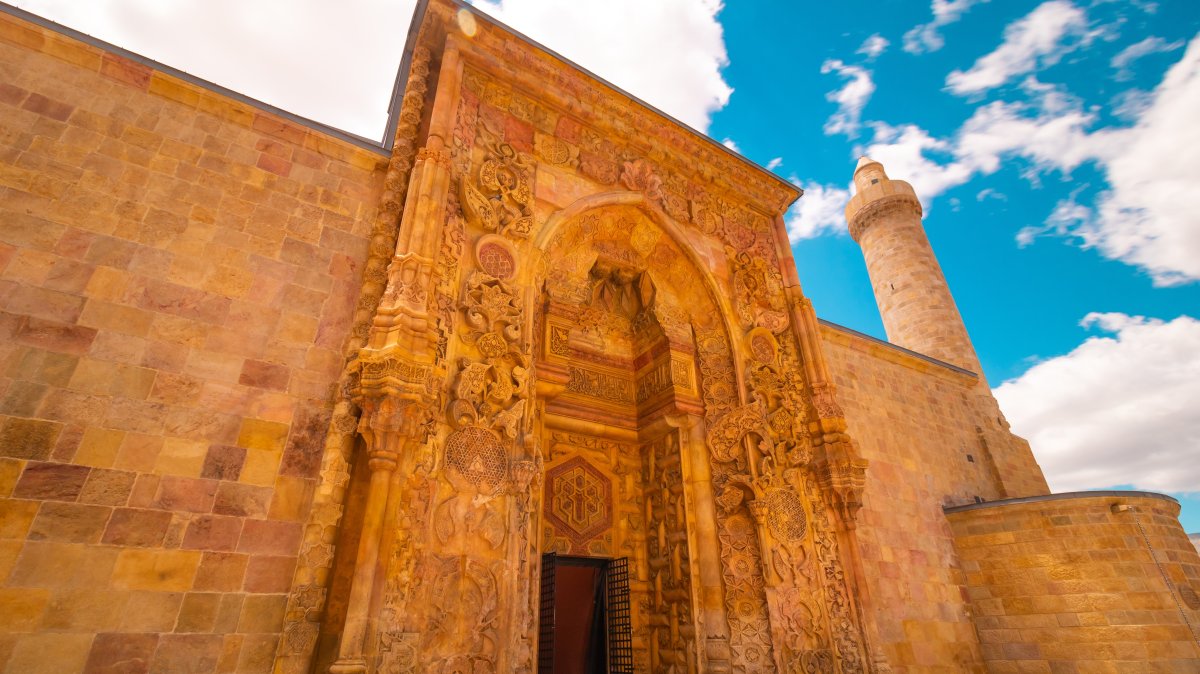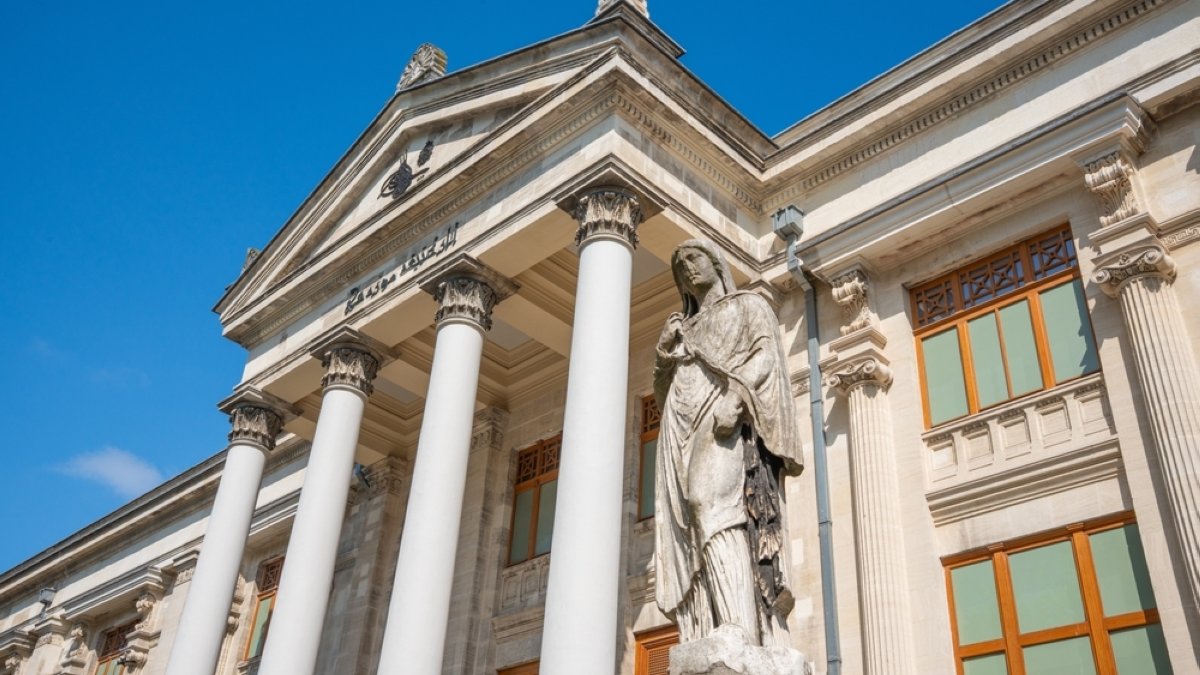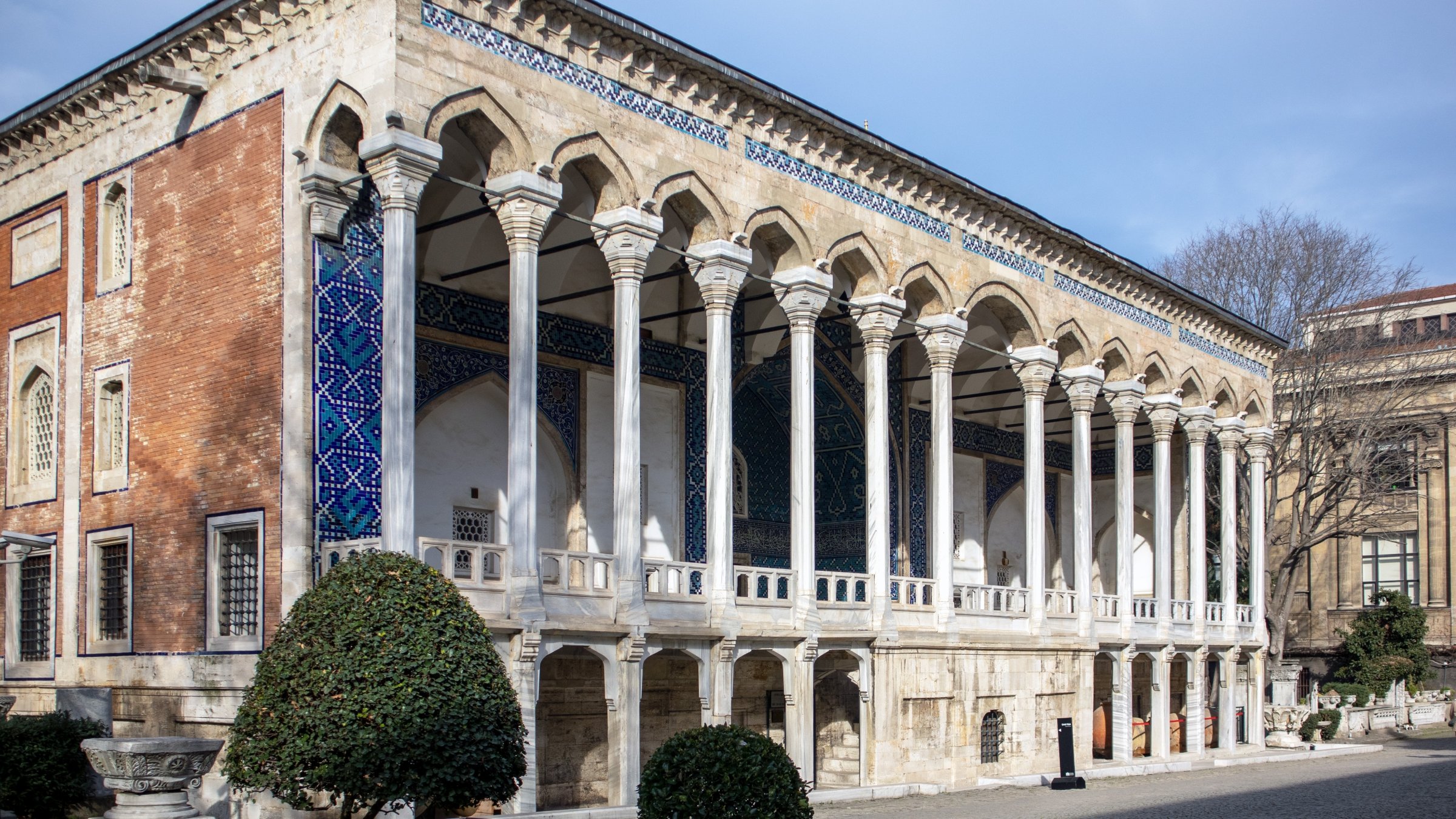
When we think of the Istanbul Archaeological Museums, most of us first picture the magnificent main building with its columned facade, triangular pediment and name derived from the sarcophagi. Yet within the same courtyard stands a structure that often goes unnoticed – one that is much older and far more layered, with its own distinctive entrance and columns: the Tiled Kiosk. In terms of both its architectural value and the history it embodies, this structure is every bit as significant as its neighbor, perhaps even more so.
The story of the pavilion began with Ottoman Sultan Mehmed II, known as Mehmed the Conqueror, declaring himself emperor of the two Romes after conquering Istanbul. Contemporary historians such as Kritovoulos, Tursun Bey, Bidlisi and Ibn Kemal wrote that every decision – from the selection of the site for the new palace (Topkapı) to its construction – came directly from Mehmed II himself. The hill he chose was no coincidence; it is a point that overlooks two continents and two seas at once, from which one can survey Galata and the Golden Horn as if they were in the palm of one’s hand. This is a place that symbolizes a ruler’s view of his capital – an idea of sovereignty that is unseen yet sees everything. However, this power does not create an oppressive feeling in the palace or the pavilions; on the contrary, it is conceived with respect for nature. The seat of power does not overwhelm the structure but is elegantly concealed within it.