Japan’s government bond market sent a quiet but pointed warning on June 22. The country’s five-year Japanese government bond auction drew weaker demand than its 12-month average, with a bid-to-cover ratio of 3.11, down from 3.22 at the prior sale and well below the trailing average of 3.47.
That number matters more than it might look. A bid-to-cover ratio measures how many bids came in for each bond on offer. When it falls, it means fewer investors are competing for the same debt.
What pushed demand lower
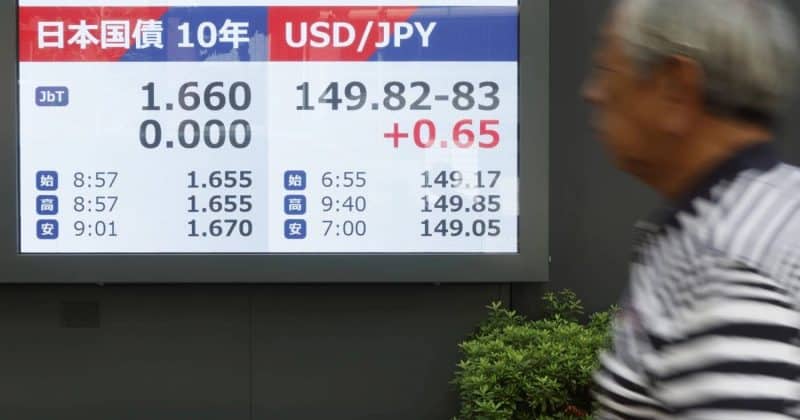
The backdrop is not exactly calming. The yen has been trading past 160 per US dollar, a level that historically triggers inflation anxiety in Japan, since the country imports a significant share of its energy and food.
A weaker yen makes those imports more expensive in local currency terms, which feeds through to consumer prices. That in turn raises the question of how fast the Bank of Japan will feel pressure to lift rates.