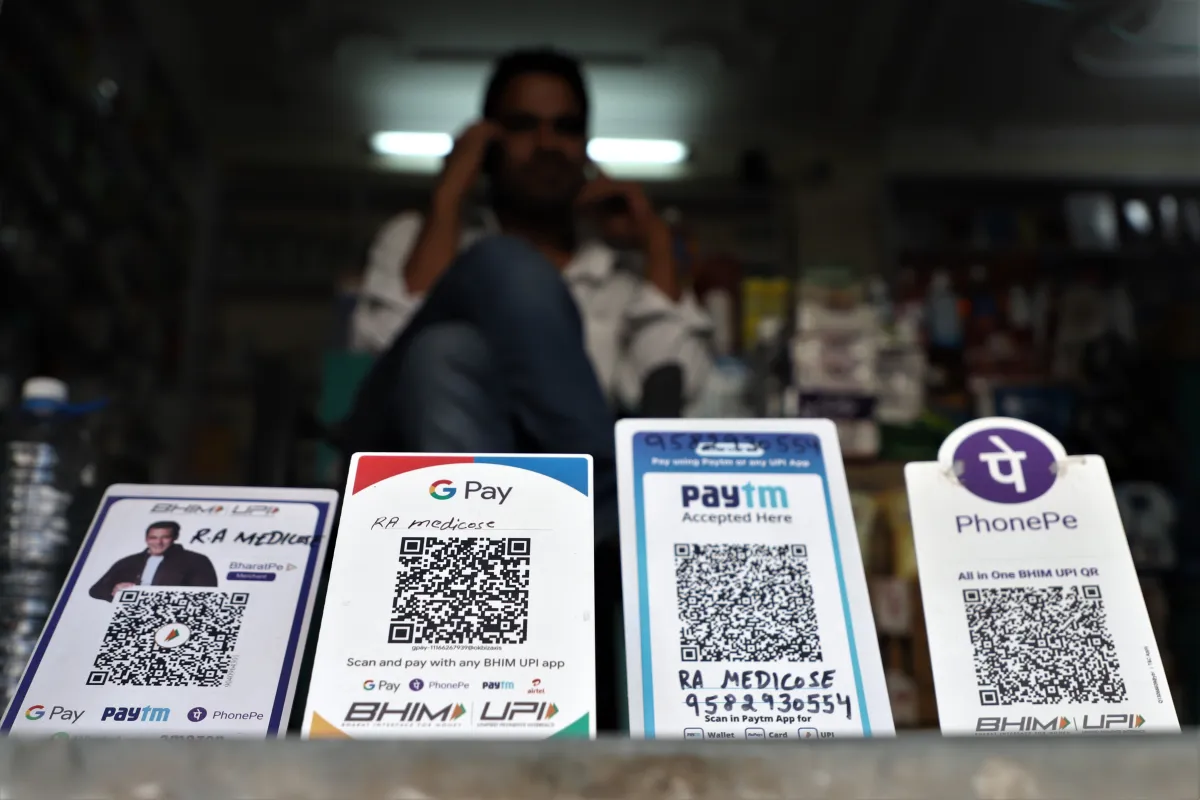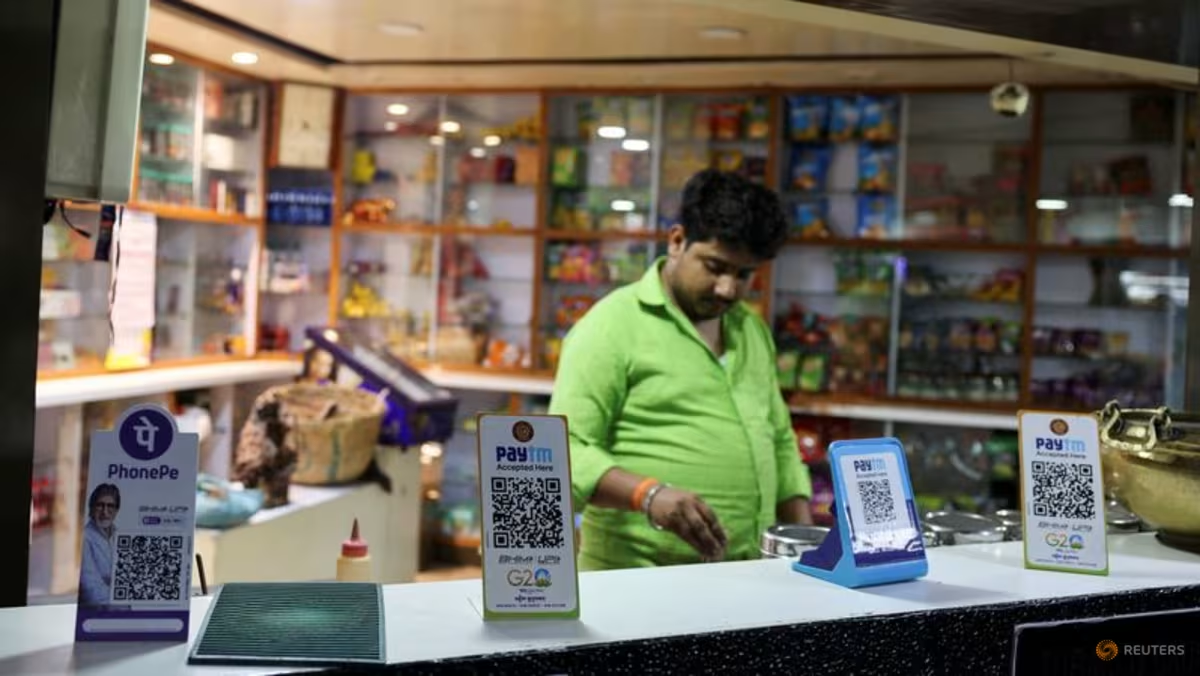
BENGALURU: A decade ago, most diners at Zachariah Jacob’s restaurants in Delhi settled their bills in cash. But today, reaching for a phone to scan a QR code and pay using the Unified Payments Interface (UPI) has become almost instinctive for his customers, he says.UPI is India’s real-time payment system that allows users to send and receive money instantly between bank accounts. Jacob estimates that about 60 per cent of payments across his three dine-in restaurants now come through UPI, with the rest split between credit or debit cards and cash.For Jacob, there is good reason to prefer it. When customers pay directly through UPI, the restaurant receives the full amount. A credit card payment, by comparison, can cost his business about 1.25 to 1.7 per cent in transaction fees, he tells CNA.
Restaurateur Zachariah Jacob who operates the outlets under the Mahabelly brand. (Photo: Zachariah Jacob)
But that advantage may no longer be guaranteed for every UPI payment.On Aug 10, the Indian parliament passed a bill paving the way for banks and payment companies to charge merchants a fee on UPI transactions above a yet-to-be-determined threshold, marking a shift from a zero-fee policy in place since 2020.The Ministry of Finance said the fee would be nominal and well below card fees. UPI has overtaken cash as the country’s preferred payment method, accounting for 57 per cent of user transactions, compared with 38 per cent for cash, according to a government study released in February.A 2025 International Monetary Fund report has called it the world’s largest real-time payment system by volume. The Indian government spent about 82.7 billion rupees (US$876 million) on UPI incentives over four financial years through March 2025 as it sought to encourage the adoption of digital payments.