Eskom more than doubled operating profit in its 2026 financial year and has made strides in addressing corporate governance issues that have bedevilled its operations in previous years.
The government’s power utility, Eskom, has announced a R30.3 billion profit for the second consecutive year, a remarkable turnaround for an organisation that only a few years ago appeared to be on the brink of collapse.
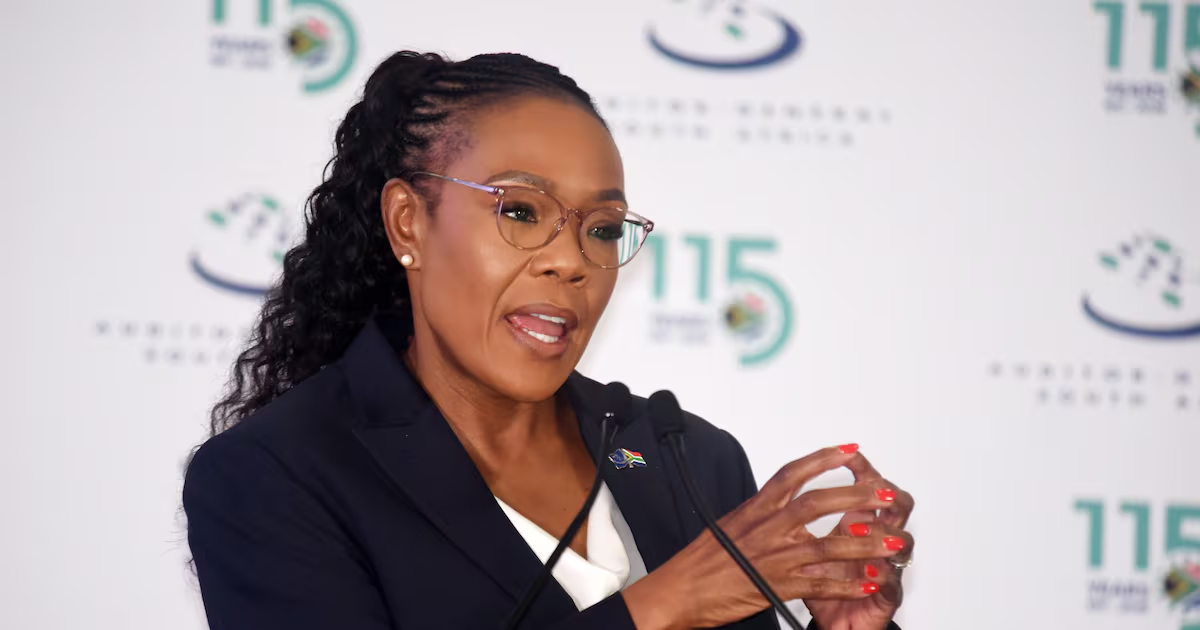
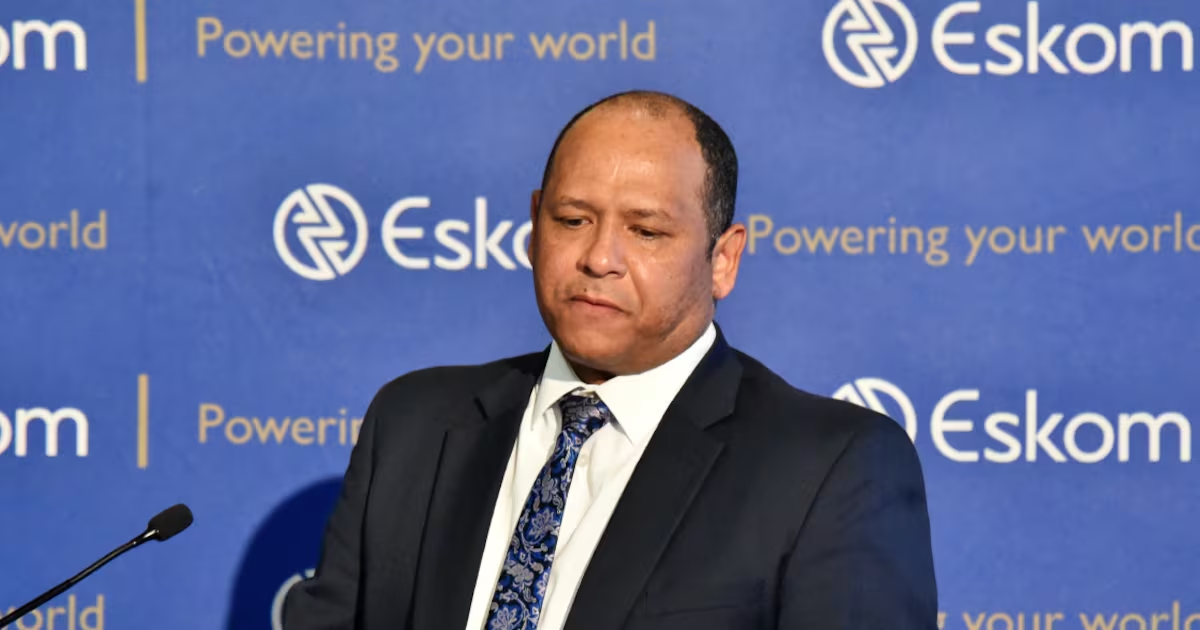
Minister of Electricity and Energy Dr Kgosientsho Ramokgopa, Eskom board chairperson Mteto Nyati, group chief executive Dan Marokane and chief financial officer Calib Cassim deserve credit for the progress made since taking up their respective positions.
This represents a significant departure from the disastrous period under former CEO André de Ruyter, when Eskom endured some of its worst operational difficulties and South Africa experienced unprecedented levels of loadshedding.
Eskom’s shortcomings cannot and should not be ignored. But its improving financial position raises an important question: if profitability was one of the arguments used to justify unbundling the utility, what now is the compelling case for breaking it up?