By Dayo Oyinlola
For Nigeria’s young people, the question is no longer whether the world of work is changing. It is whether they will have the skills, exposure, and opportunities to participate meaningfully in what comes next.
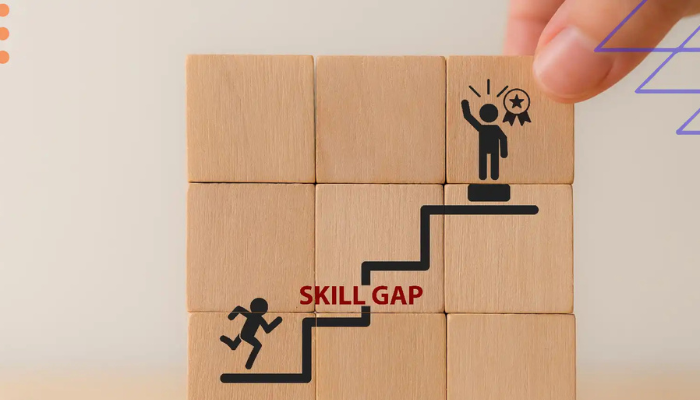
Across industries, technology is reshaping how businesses operate, while the energy sector continues to evolve, creating new roles, skills requirements and career pathways for the next generation. Yet the transition from education to employment does not always mean that young people are equipped with the skills required in the workplace. According to the International Labour Organization, ILO, two in three young adult workers in developing economies hold qualifications that do not match well to their jobs. This challenge is particularly significant for Africa’s energy sector, where the World Bank in 2025 published an article highlighting skill gaps as holding back development in key areas, including energy access.
For young people seeking to enter specialised industries such as energy, closing this gap requires more than academic qualifications. It requires access to industry, practical knowledge, mentorship, and opportunities to engage directly with the people and ideas shaping the sector.