Our institutions produce job seekers, but the economy now rewards value creators.
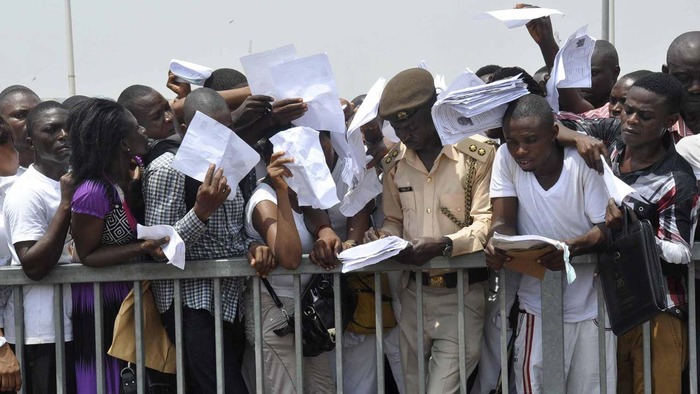
Nigeria’s youth challenge is often described as a problem of unemployment. That diagnosis is incomplete. The country does not simply have a shortage of jobs. It has a mismatch between the way its economy creates opportunity and the way its institutions prepare young people to participate in it.
For decades, Nigeria’s education system, labour policies and youth-development programmes were designed around a straightforward assumption: young people would acquire formal education, enter paid employment, and gradually build economic security through wage income. That assumption no longer reflects reality.
Formal employment remains important, but it is no longer the primary source of opportunity for millions of young Nigerians. Across the country, economic activity is increasingly being driven by entrepreneurs, freelancers, digital workers, artisans, creators and owners of micro and small businesses. Indeed, much of Nigeria’s youth policy architecture remains focused on producing job seekers rather than value creators.
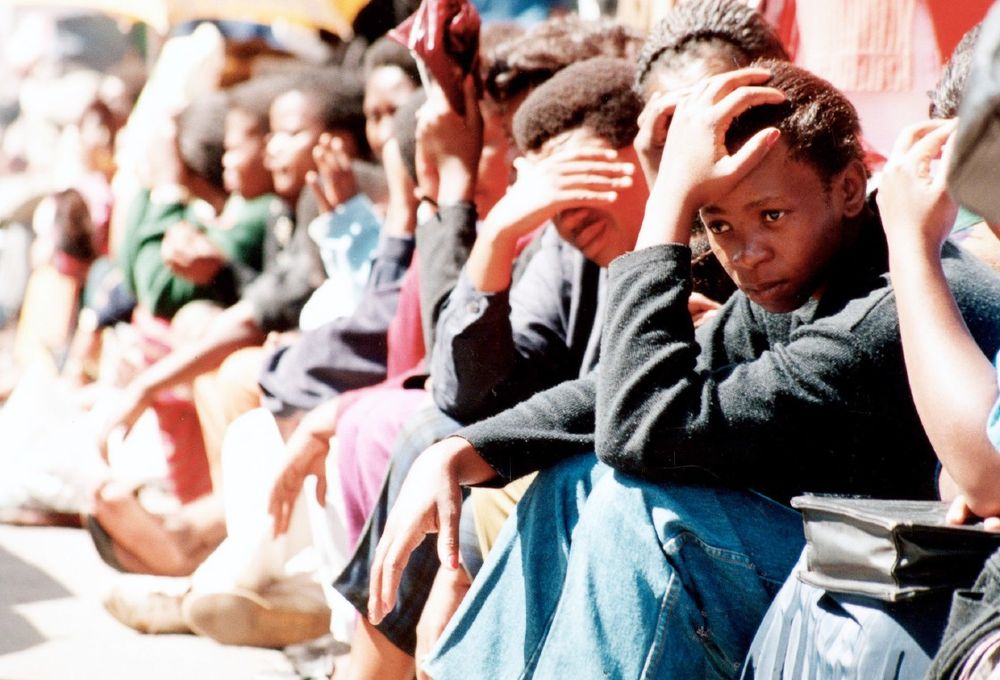
The consequences are becoming harder to ignore. Nigeria is one of the world’s youngest countries, with a median age of about 18 years and more than half of its population under the age of 30. According to the World Economic Forum, roughly 3.5 million young Nigerians enter the labour market every year, creating one of the largest annual inflows of new workers anywhere in the world. The economy has struggled to generate formal employment at a pace capable of absorbing them. The result is not merely unemployment but underutilised talent. Young people possess skills, ambition and ideas but often lack access to finance, markets, mentorship and the institutional support required to convert those assets into sustainable income.