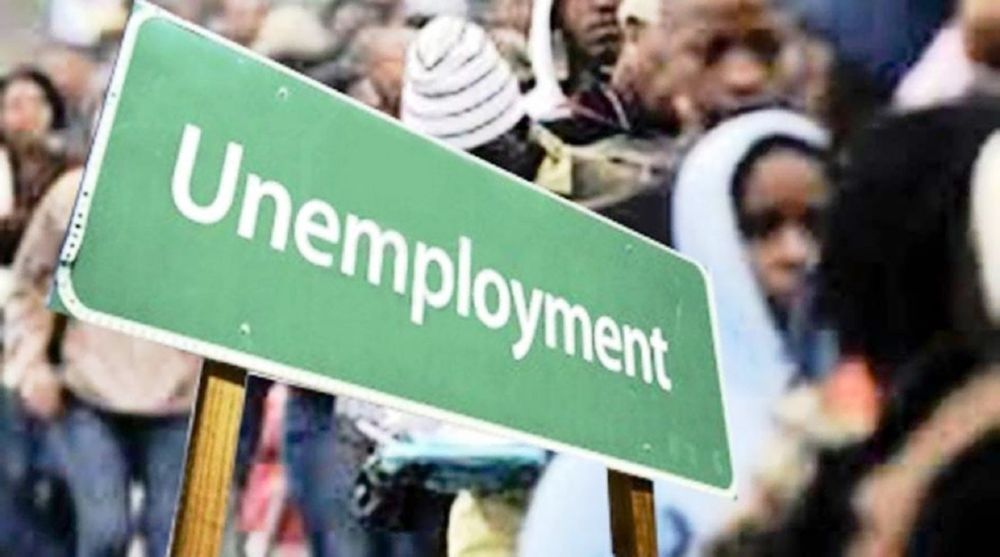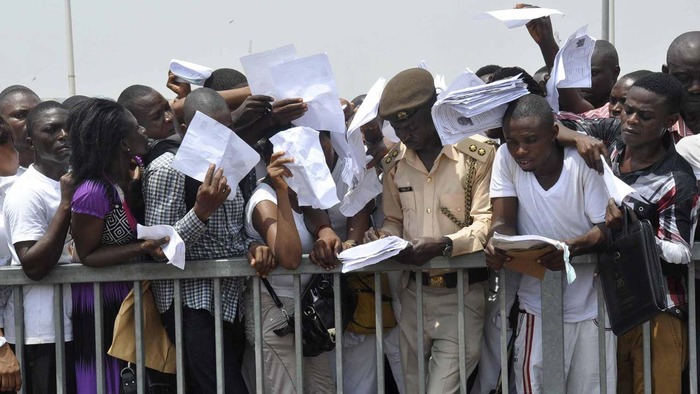
Nigeria appears to be a nation of industrious workers. Statistically, that is not entirely wrong. Our official unemployment rate stood at just 6.5% among youths aged 15 to 24 in 2024.
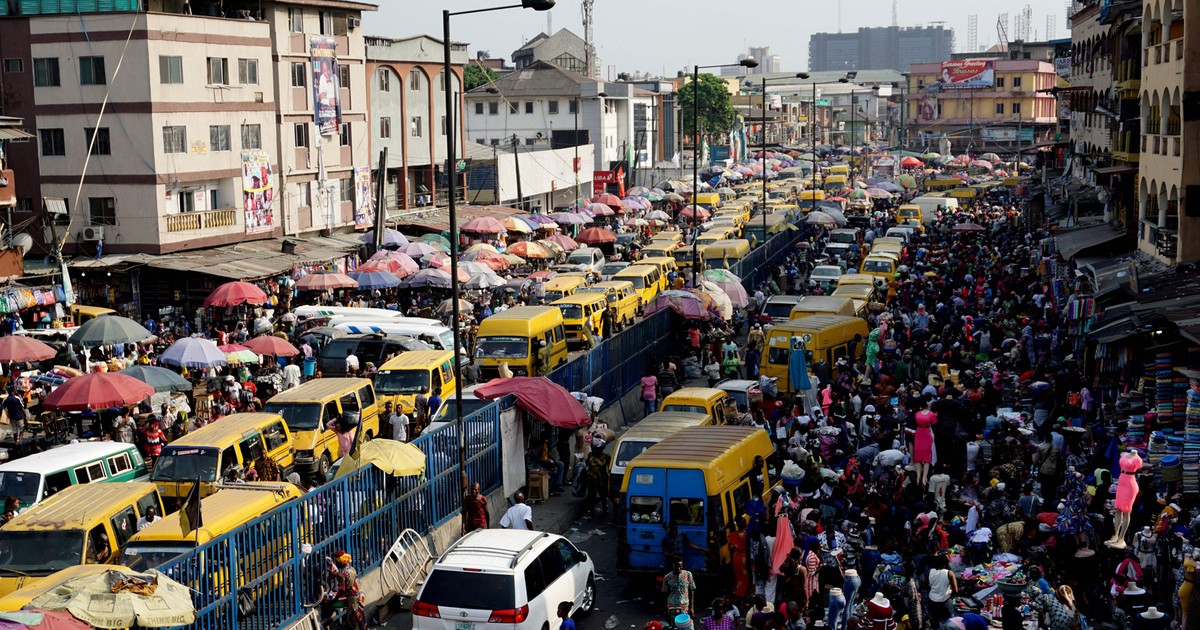
According to the National Bureau of Statistics (NBS), 93% of Nigeria’s entire workforce operates in the informal sector. Only 7% hold what can be described as formal employment. That is, structured jobs with contracts, social security, regulated wages, and career progression. For women, the reality is even starker: 96 out of every 100 employed women work informally. These are not fringe statistics. They describe the lived economic reality of the vast majority of Nigeria’s over 200 million people, including our most valuable asset, the youth.
It is important to understand what informal employment truly encompasses. It is not simply small-scale trade or self-employment. It is economic activity that exists largely outside the reach of structured contracts, pension frameworks, labour protections, and skills development infrastructure. A young graduate selling gala on the roadside is employed, as is a woman who plaits hair in a rented stall with no health insurance and no retirement plan. The NBS classifies both as employed. The economic system, however, offers them very little in return.