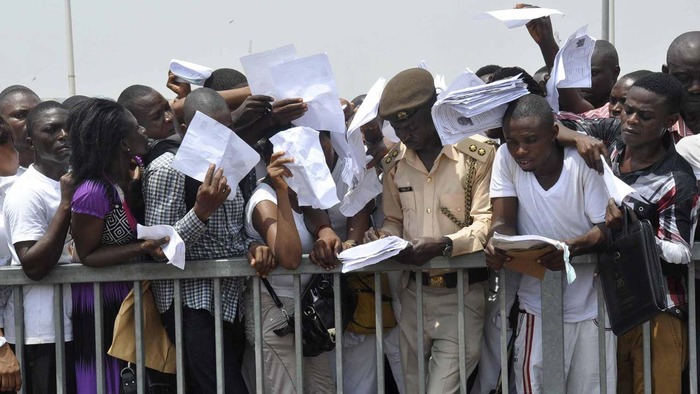
Football matters to Nigeria’s youth economy because it creates work before it creates stars. The World Bank’s latest Nigeria human-capital brief says 14% of Nigerians aged 15-24 were not in employment, education, or training in 2022, while youth literacy stood at 74% in 2021, which leaves a large pool of young people with some skills, some ambition, and too few clear entry points into formal work. Football keeps opening those entry points in plain sight: coaching, groundskeeping, transport, rehab, media production, scouting, retail, nutrition, security, and event-day labor. When the Flying Eagles beat Egypt 4-1 on penalties for bronze at the U-20 Africa Cup of Nations on 18 May 2025 after a 1-1 draw at Cairo’s 30 June Stadium, the medal was real, but so was the machinery around it.
The first wages are usually small and local
The football economy in Nigeria rarely begins with a transfer fee. It usually starts with a local league fixture, a youth camp, or a school tournament where dozens of people are getting paid modestly to keep one match moving: bus drivers, medics, stewards, camera operators, water vendors, boot dealers, and boys laying cones before the warm-up starts. Remo Stars’ 1-0 win over Niger Tornadoes on 27 April 2025, settled by Olamilekan Muhammed Adebayo’s 84th-minute goal in Ikenne, ended with a club lifting its first NPFL title and a long chain of workers closing out one of the biggest business days the ground had hosted.