Nigeria’s oil and gas industry must overhaul how it trains and retains workers if the country’s energy companies are to meet future production and investment targets, according to the head of the industry’s leading workforce-development body.
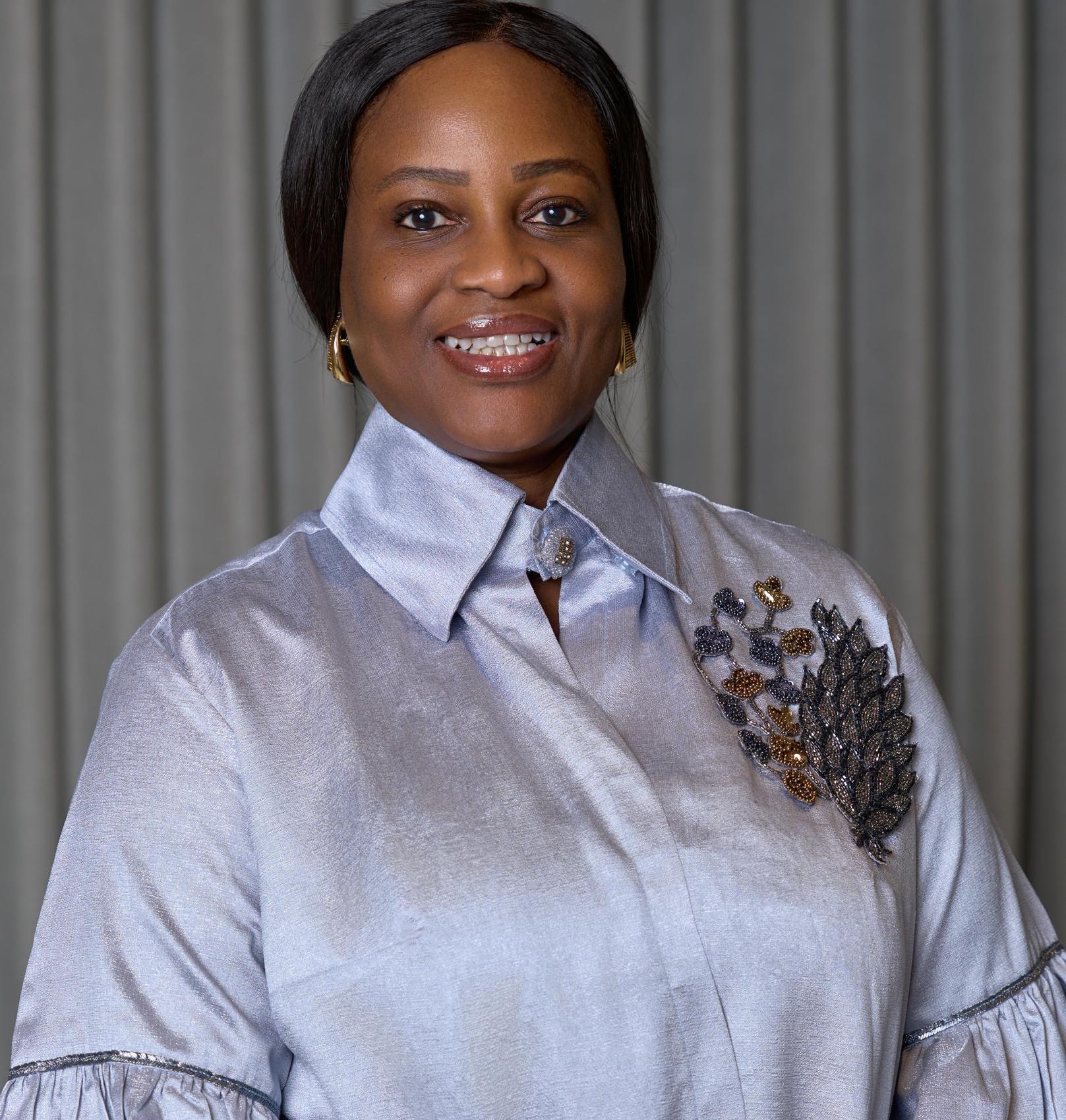
Chris Osarunmewense, president of the Oil and Gas Trainers Association of Nigeria (OGTAN), told an audience of executives, regulators and educators in Warri that the sector’s long-term competitiveness now depends less on capital spending and more on building a pipeline of skilled workers.
“Human capital develops by progression,” Osarunmewense said in a keynote address at a networking dinner opening OGTAN’s Human Capital Development Conference and Exhibition 2026. “At OGTAN, therefore, we treasure the potential of people who have developed human capital in nature, to effectively operate within the oil and gas industry.”
The remarks mark the start of a two-day conference, the first in what OGTAN describes as a continuing series of industry conversations, aimed at aligning training providers, universities, regulators and oil companies around the skills gaps facing Africa’s largest crude producer.
The event is being held in partnership with the Petroleum Training Institute, one of Nigeria’s principal technical schools for the sector.