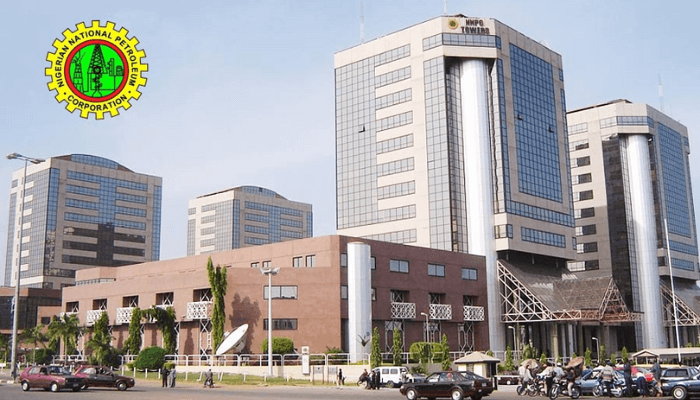
The Nigerian National Petroleum Company Limited (NNPC Ltd.) is putting the country’s trainers and universities on notice: keep pace with the energy transition or watch a new generation of technical jobs go elsewhere.
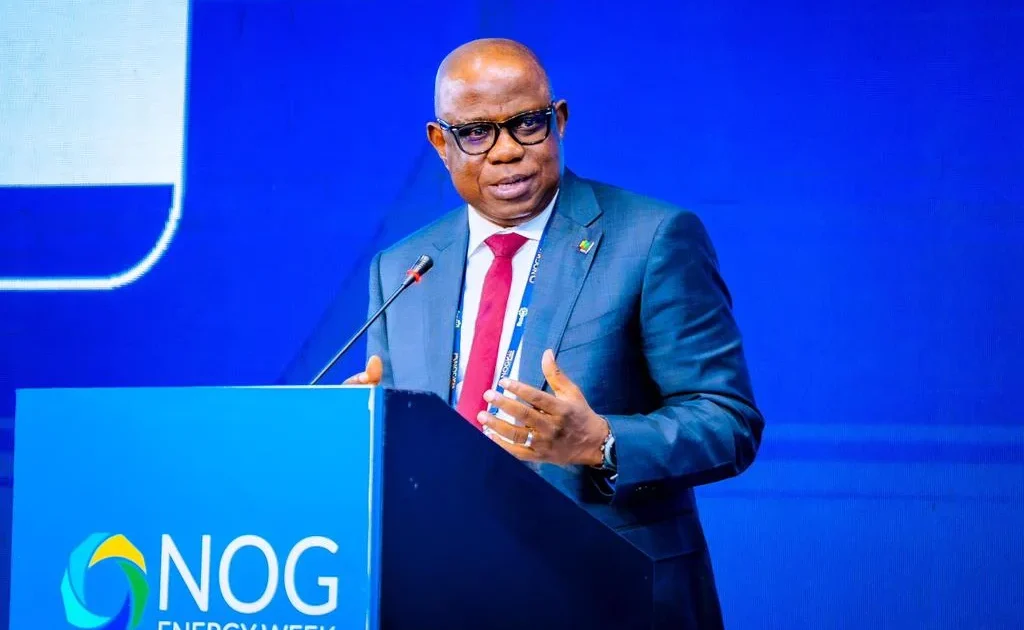
Kazachiyang Nuhu, chief human resources officer at NNPC Limited, told an industry audience this week that the shift toward gas, digitalisation, and lower-carbon energy is moving faster than Nigeria’s workforce can adapt to, and that the company will no longer pay for training that doesn’t produce measurable results on the job.
“Every naira spent on training must translate to a safer plant, a skilled employee, a stronger balance sheet,” Nuhu said.
The remarks mark one of the clearest warnings yet from NNPC’s leadership that Nigeria’s energy ambitions could stall not for lack of reserves or capital, but for lack of people qualified to run increasingly complex operations.
Nuhu framed the moment as a convergence of four forces: a policy shift driven by the Petroleum Industry Act and the government’s Decade of Gas push; investors favouring liquefied natural gas and cleaner fuels over legacy crude projects; artificial intelligence and automation compressing how quickly workers need new skills; and a younger workforce demanding purpose and flexibility rather than the career-for-life model that defined the industry for decades.