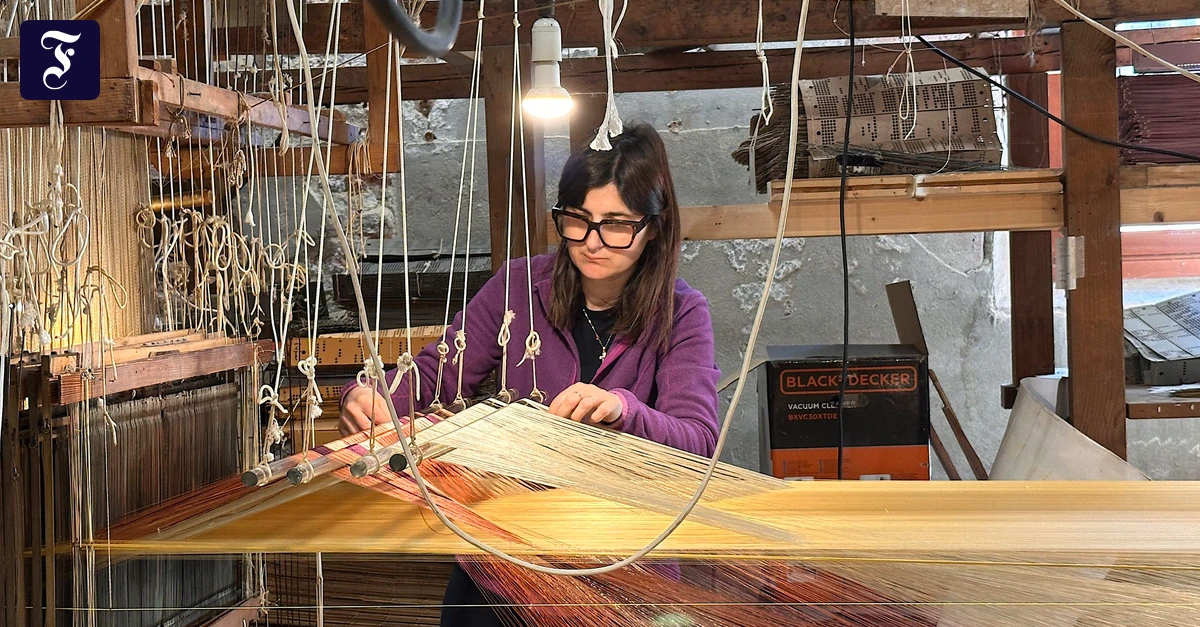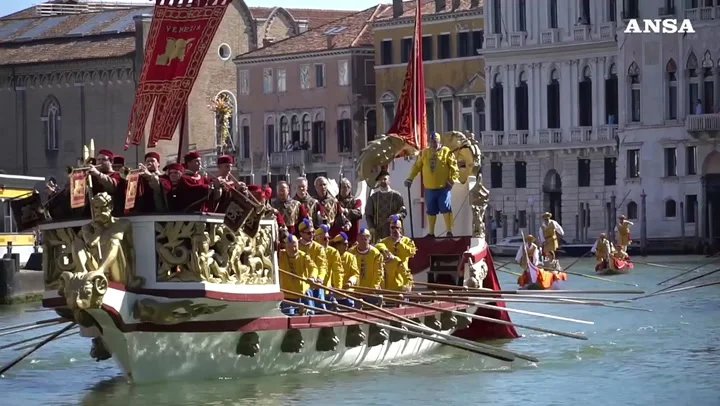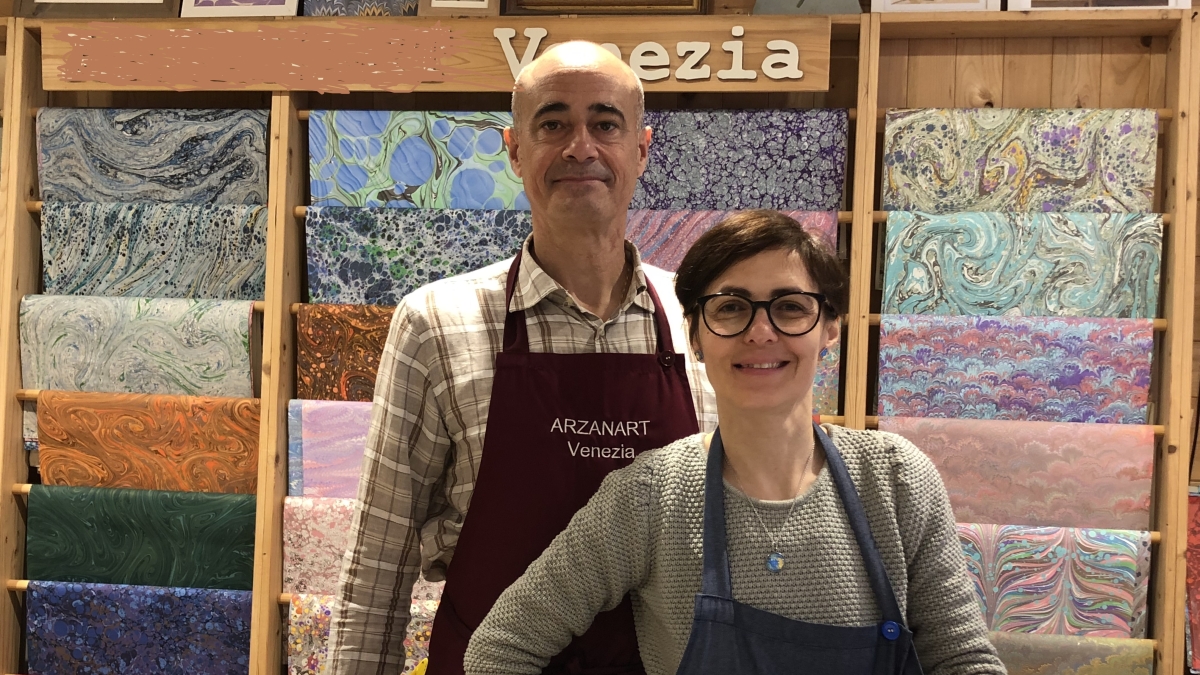
Venice is a city of tradition and projection, a place feeding the imagination of millions of people arriving from elsewhere. The “impossible city”, suspended on water, often appears unchanged, fixed in time. Yet, like the water that carries it, the city is in constant, subtle transformation.
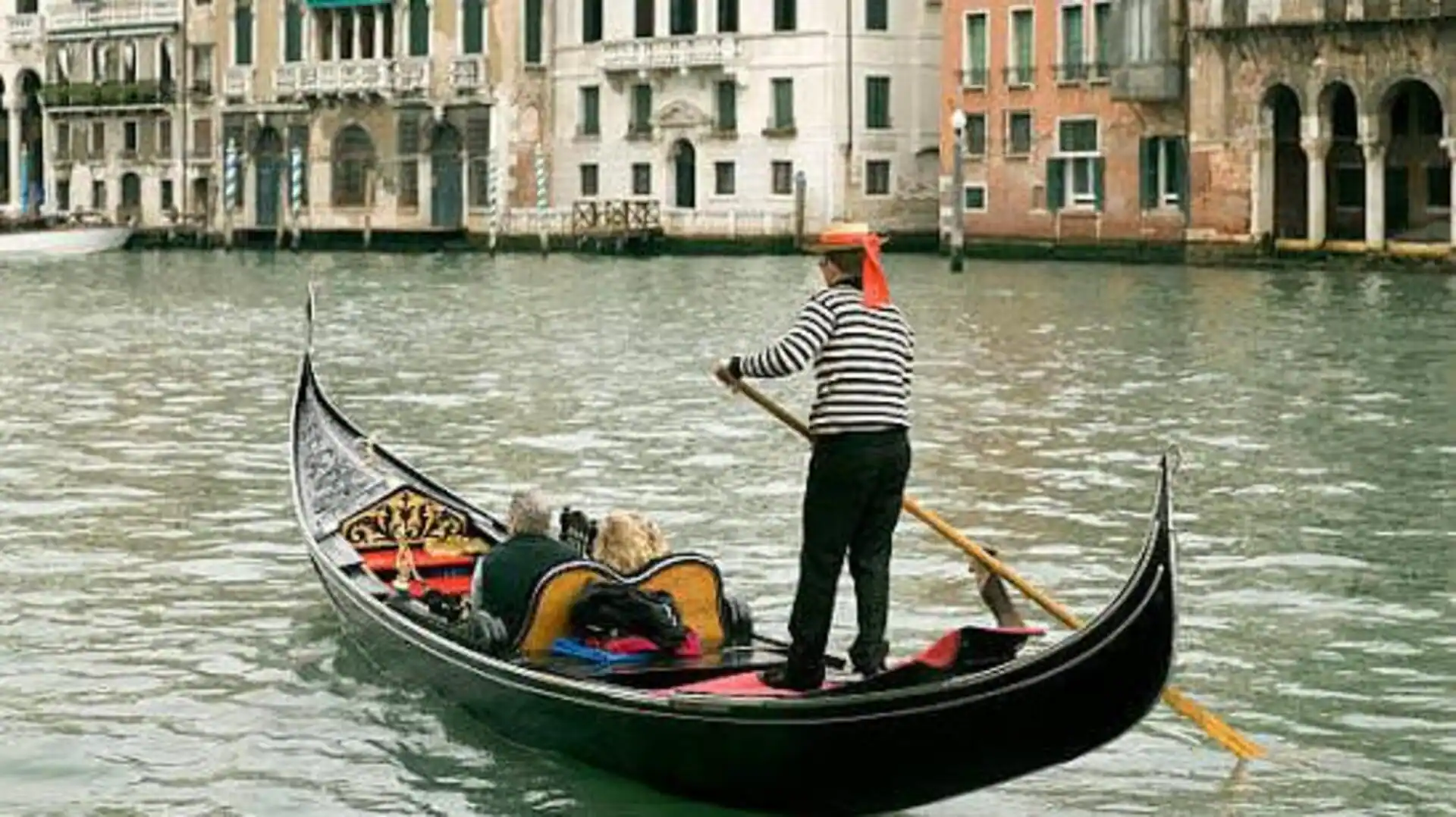
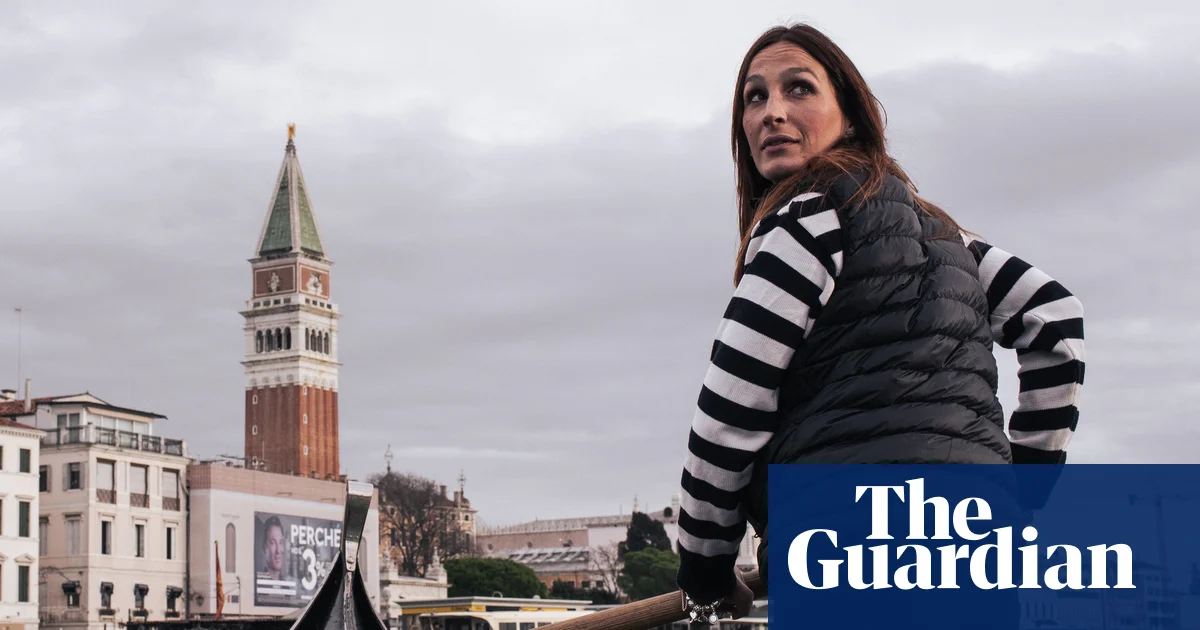
Beatrice, 28, has been working as a gondolier for one year, pictured during a shift operating the traghetto public-ferry gondola that crosses the Grand Canal
We often speak of Venice as if it were immobile. We call it timeless, suspended outside history, untouched by change. But Venice is changing. It is fragile, exposed, under pressure. On one side, rising sea levels and increasingly unpredictable tides are reshaping the lagoon and threatening a delicate equilibrium. On the other, mass tourism continues to transform the city from within. Homes become short-term rentals, local businesses give way to visitor-oriented commerce, and residents leave the historic centre in steadily increasing numbers. The spaces left empty by those who move away are often filled by tourism itself, both a cause and a consequence of this transformation.
Agnese Tegon, 31, works at a Murano glass furnace alongside her maestro, Giancarlo Signoretto. She aims to become the first female master glassmaker in a field that remains physically demanding and largely male-dominated