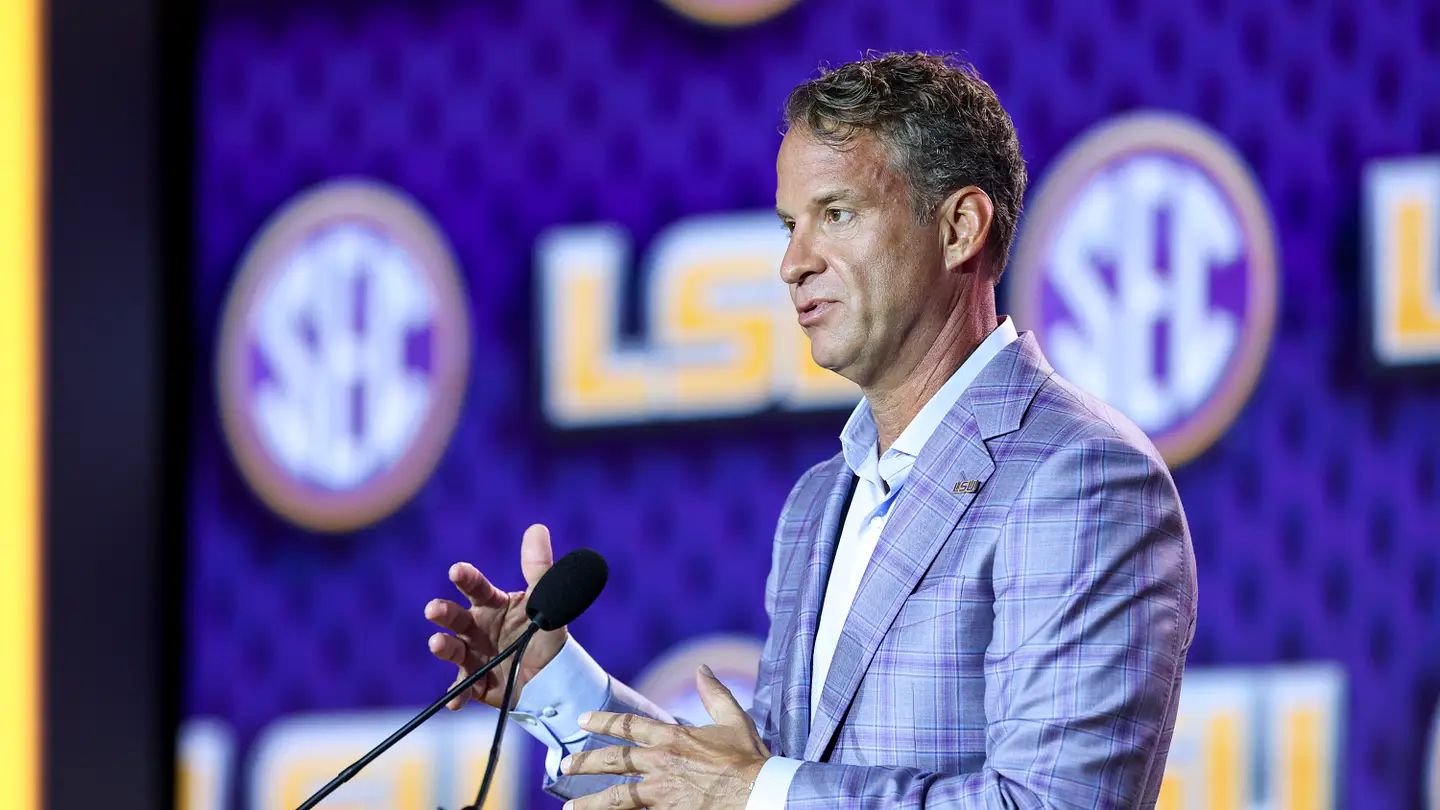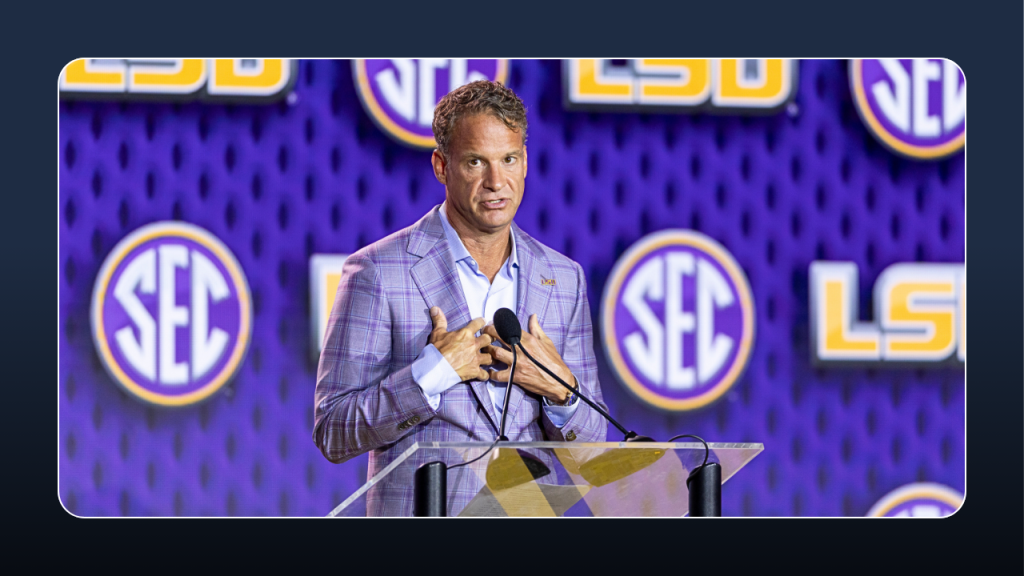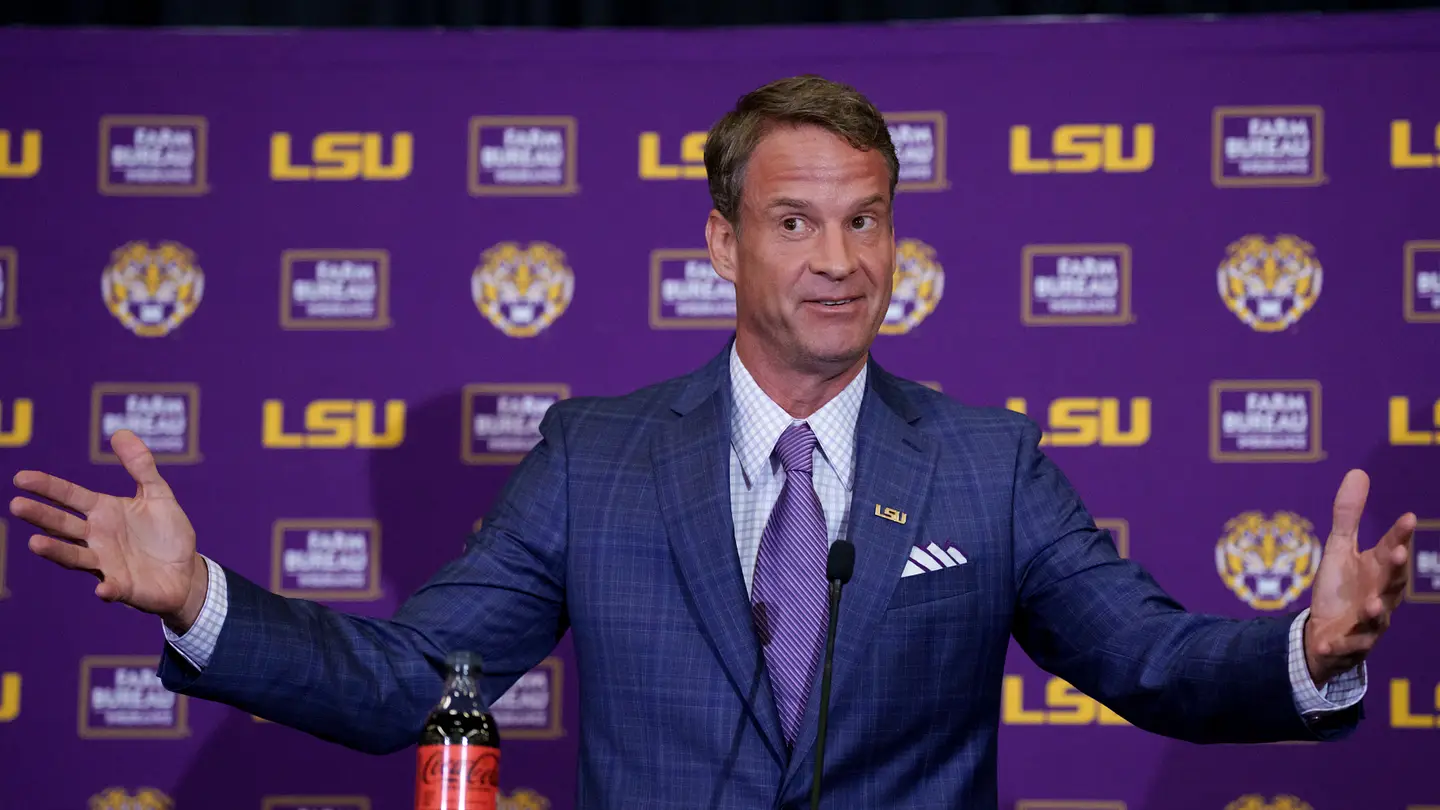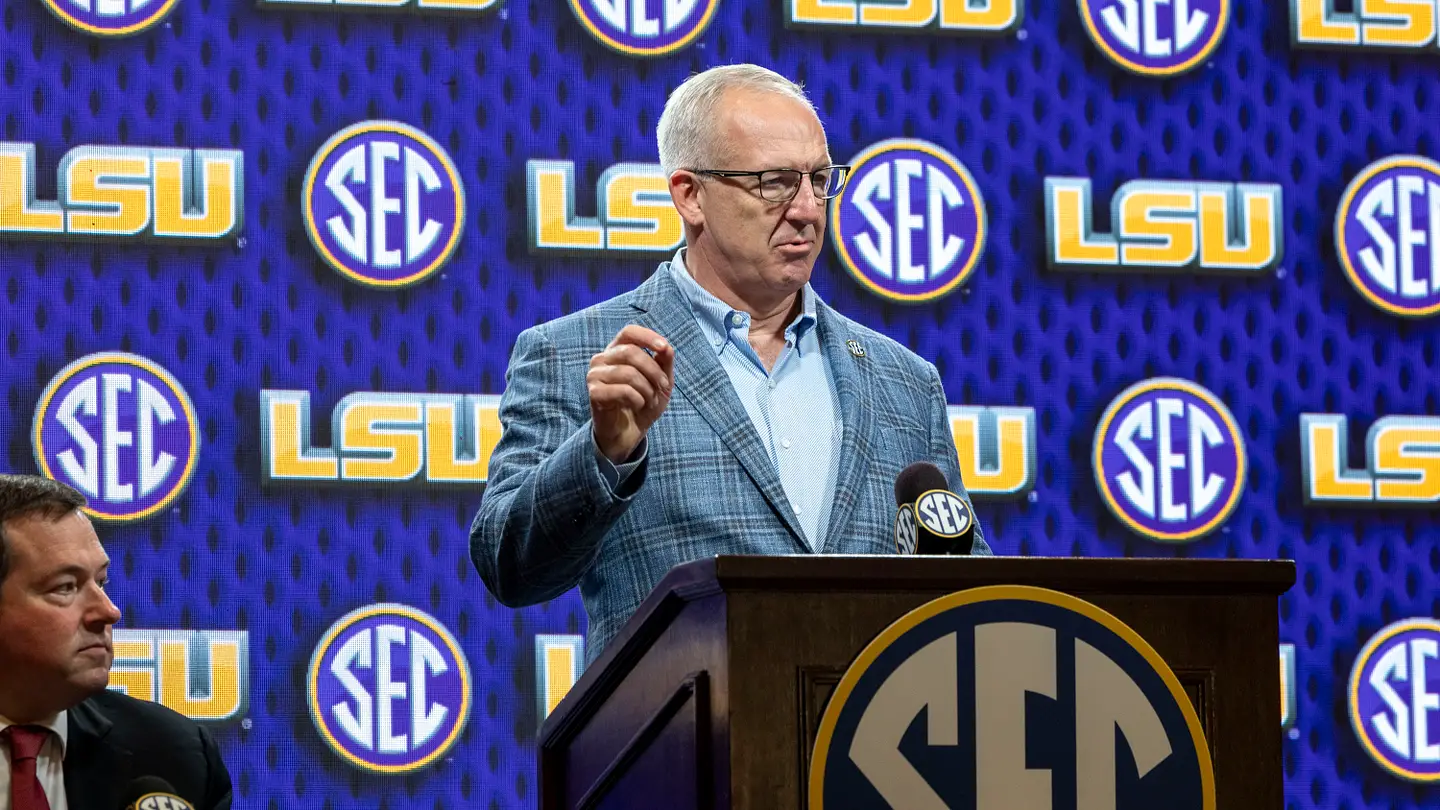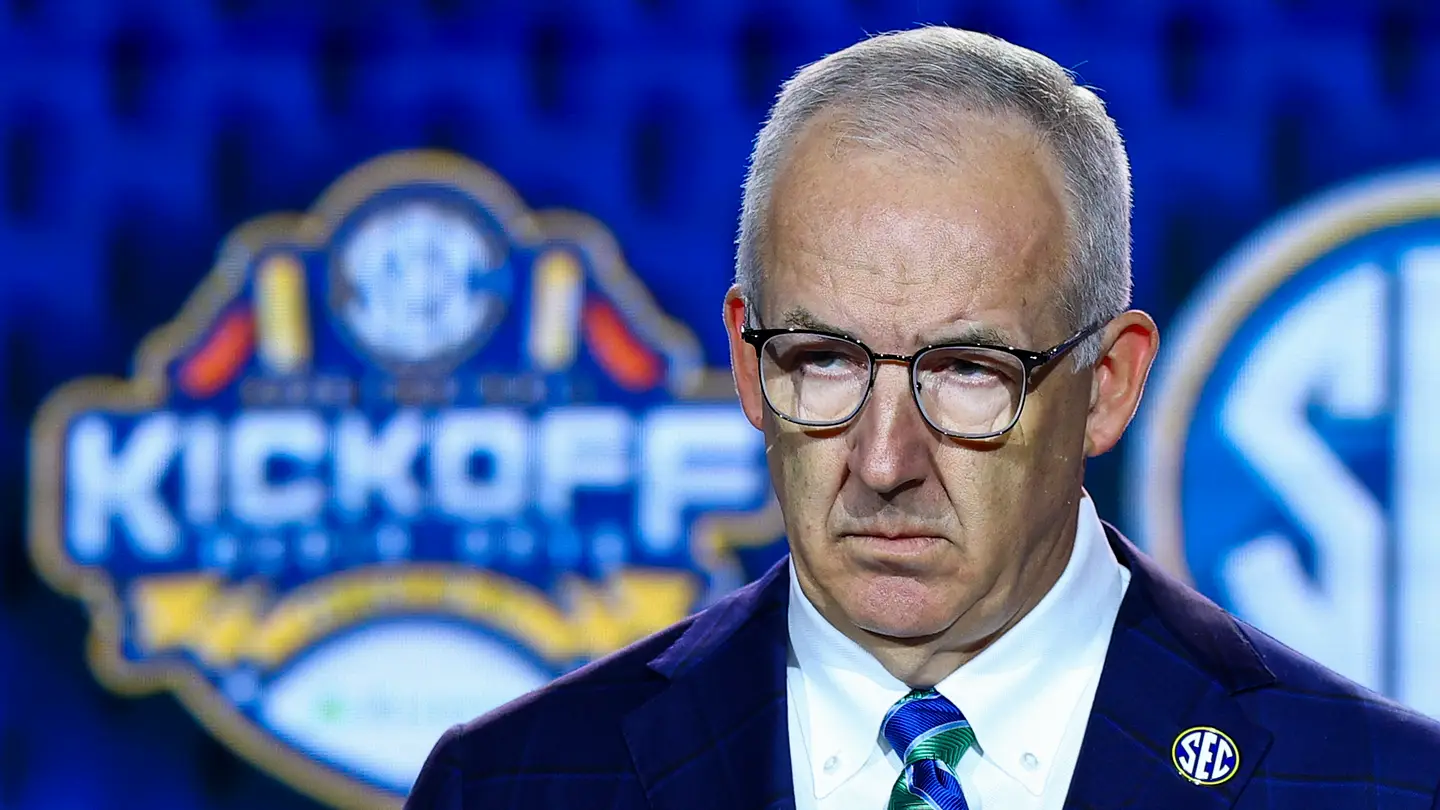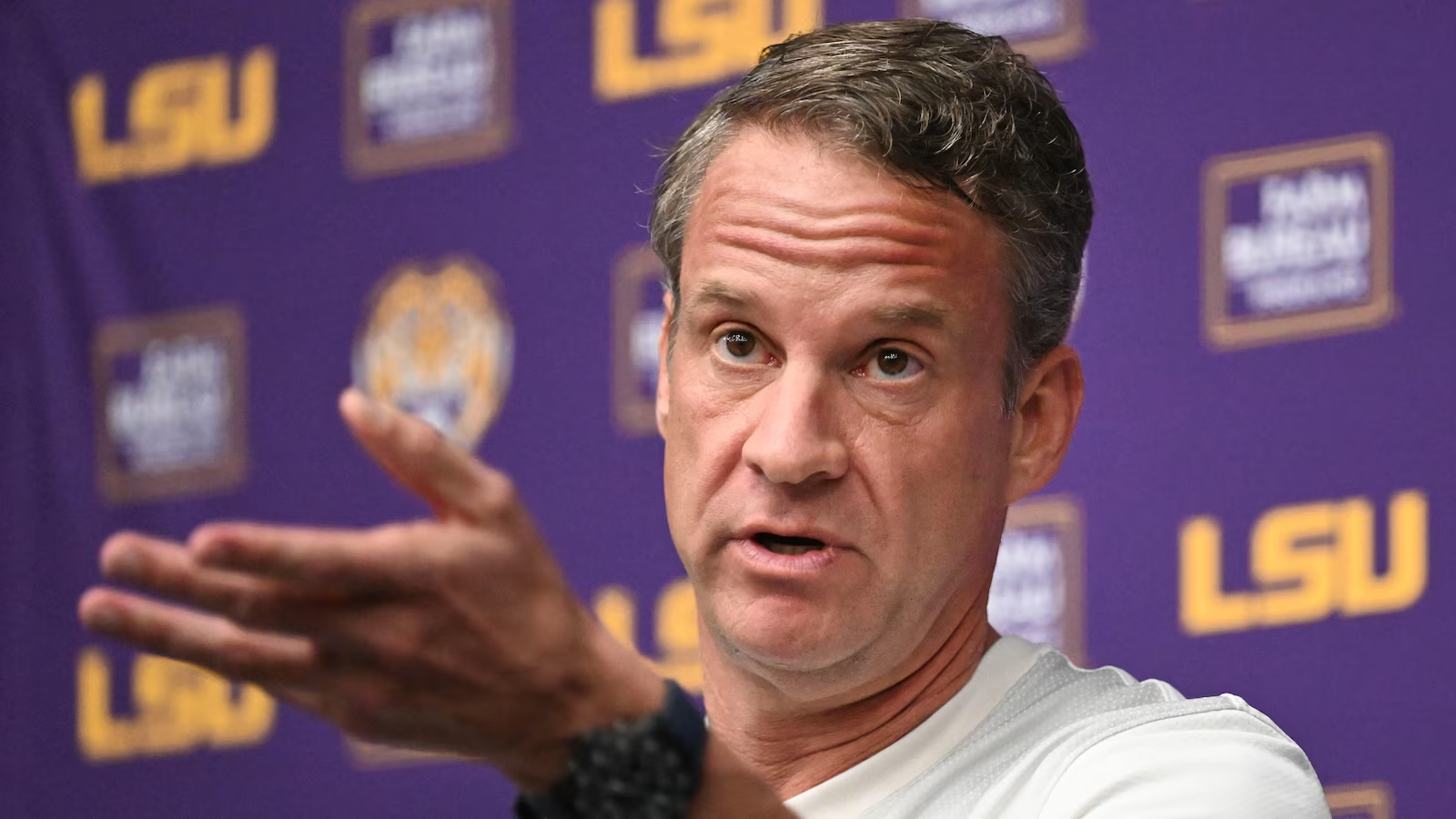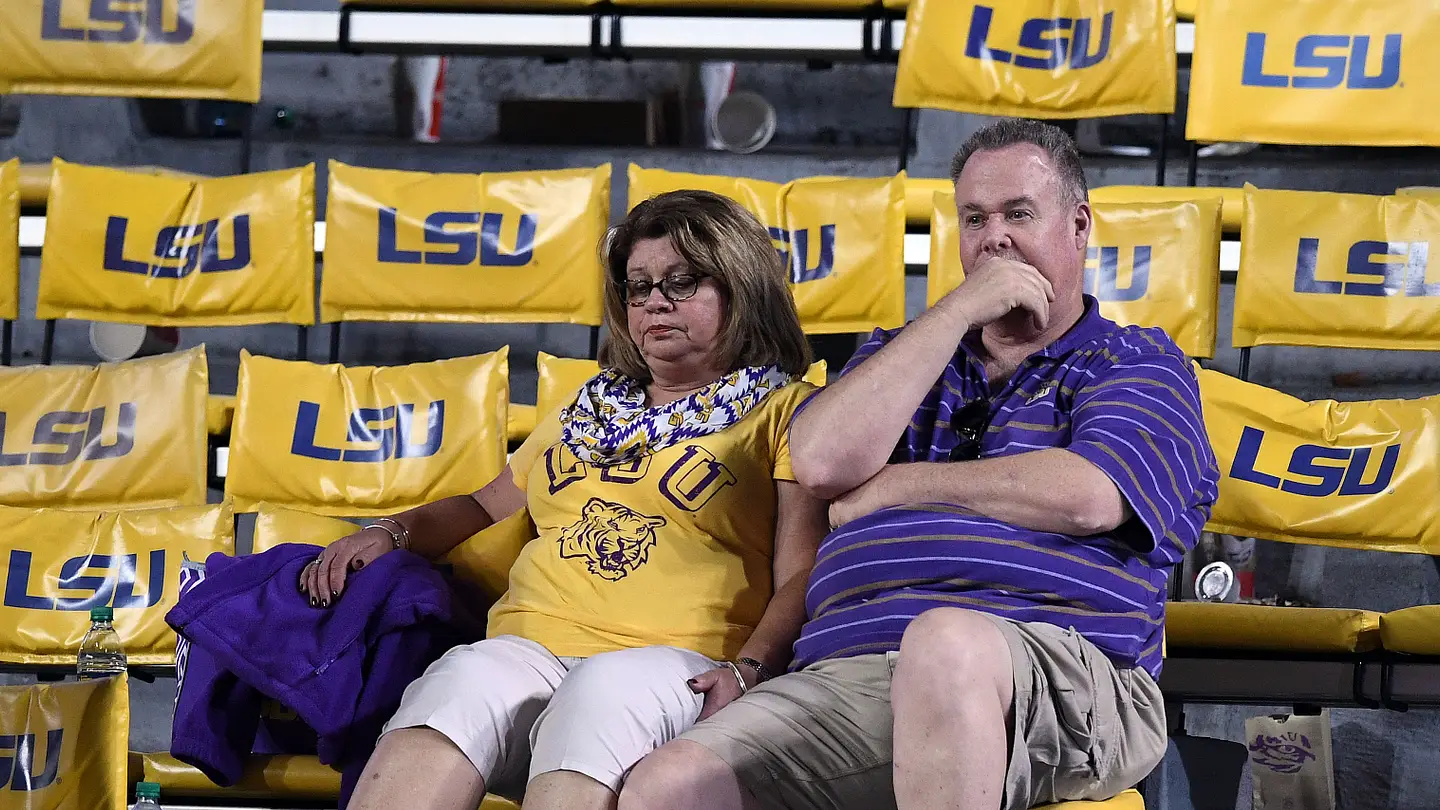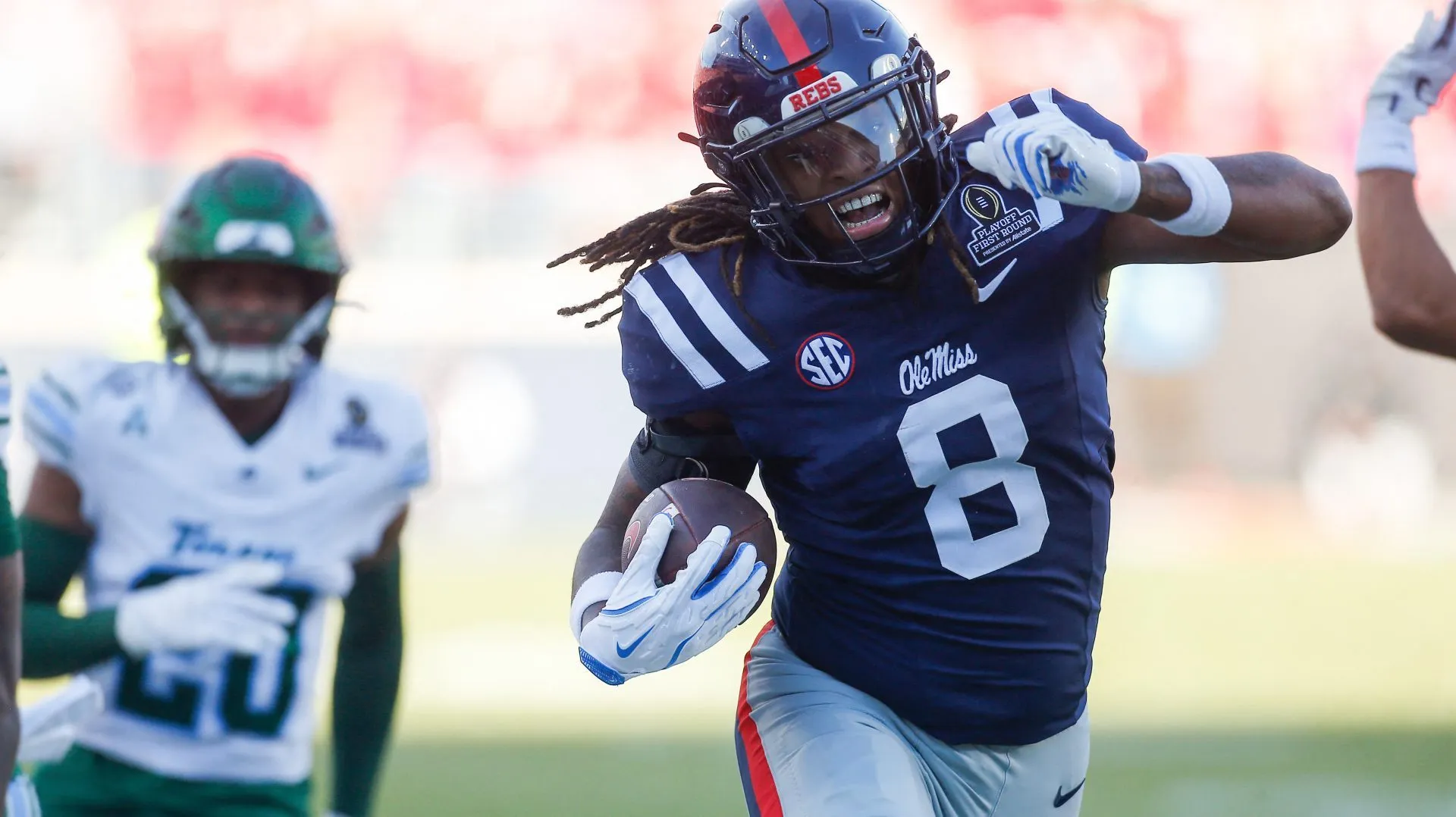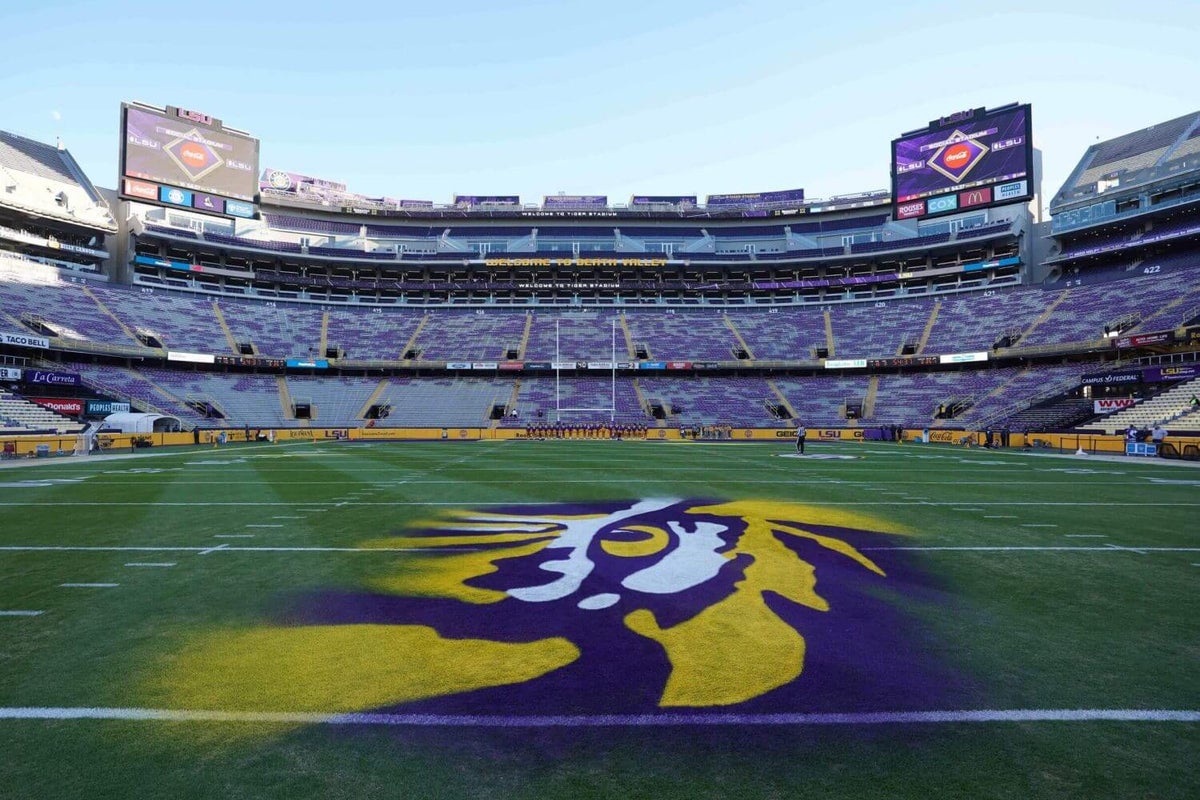
As the story of the week-old college football season was playing out in Baton Rouge, La. — a standoff between serial instigator Lane Kiffin and the SEC over the eligibility of a few players who were NFL training camp cuts — Indiana’s national title defense received a boost with no fanfare.A circuit court judge in Monroe County, home of coach Curt Cignetti’s Hoosiers, granted a temporary restraining order to two members of last year’s IU title team. Defensive linemen Stephen Daley and Kellen Wyatt, neither of whom signed with NFL teams this offseason, will be allowed to play Saturday in Indiana’s season opener against North Texas.The NCAA is fighting legal battles across the country right now over a change in its rules that went into effect in August. The rule, which the NCAA officially adopted June 23 as a new age-based eligibility model, faced its first lawsuit in Ohio within 24 hours of the announcement.Others followed, and it became clear that this was going to be an issue that hung over college sports this school year.Then Kiffin, LSU’s first-year coach, got involved, and the stakes were raised.The eligibility issue turned into full-blown national controversy, pulling in politicians and making it the storyline heading into the first full college football Saturday.Bigger than the marquee game of the day itself, the conversation was dominated by the question of whether two players would play for No. 11 LSU against Clemson: Tight end Dae’Quan Wright, who was waived by the Cleveland Browns, and defensive tackle Zxavian Harris, who was let go after signing with the New Orleans Saints.They will not, but the saga is not over.How did we get here?What’s this new rule?First off, don’t call it five-for-five, even though the NCAA’s new eligibility model is often referred to that way because it is a pretty good description.The old NCAA eligibility rule gave athletes five years to complete four full seasons of competition. Under the new rule, athletes get a five-year window that starts when they graduate high school or turn 19, whichever comes first, to compete for five full seasons.The SEC Roster War is Escalating!Ralph D. Russo and Stewart MandelThe intent was to stem the flow of older athletes coming into college sports now that athletes can be paid by their schools and make money through NIL deals.It was a sound idea that many supported. But everything the NCAA does these days is vulnerable to lawsuits. The attacks on age-based eligibility came from the high school graduating class of 2022, whose eligibility expired at the end of the 2025-26 sports season. The change was not applied to them, and the lawsuits claimed that was unfair.Many judges have agreed, though several initial rulings allowing athletes to return for a fifth year of eligibility have since been stayed by higher courts, leaving some in limbo.From a basketball problem to a football problemThe first wave of lawsuits focused mostly on basketball players because that season doesn’t start until November and there was more time for newly eligible athletes to find roster spots.The basketball players who could return will likely have a much greater impact on the season in both quantity and quality.Over the last month or so, some football players started looking for a way back to campus. The vast majority, like Indiana’s Daley and Wyatt, were players who didn’t receive much more than a nibble from NFL teams after going undrafted.Offensive lineman Cole Hutson, who got some run at rookie minicamp with the Browns and Dallas Cowboys, is back at Texas where he played the last four years for the Longhorns. Late this week, South Carolina added kicker Ethan Sanchez, who had a really good season for Houston last year.A case in Louisiana posed a different threat and set off alarms around college sports. Wright, Harris and a handful of other football players who had actually signed with NFL teams and gone through at least a portion of training camp were among the plaintiffs in a lawsuit filed in Baton Rouge, home of the LSU Fighting Tigers.Wright, Harris and others were, however briefly, NFL players and by NCAA rules could not return to college football. With the NCAA almost helpless to defend its bylaws from legal challenges these days, the major conferences stepped up to defend a line that college sports leaders have determined cannot be crossed.SEC vs. LSUThe Big Ten was first to codify a policy that makes permanently ineligible any underclassman who declared for the NFL Draft and did not withdraw, any player who signed a contract with an NFL team, and any player who was officially on a pro roster.The SEC soon did something similar, also including the NBA and WNBA. The ACC and Big 12 followed. The Power 4 conferences stood united, but the SEC faced the biggest problem.It quickly became apparent that LSU and Kiffin had eyes on the ex-NFL players who were becoming eligible in the Louisiana case. Specifically, Harris and Wright, who played for Kiffin last year at Ole Miss, the team he left for LSU as it was heading to the College Football Playoff.SEC presidents last week voted unanimously to codify an eligibility policy the conference says has always been implicit because of its schools’ NCAA membership. The schools also voted 15-0 to give commissioner Greg Sankey power to levy stiff penalties (fines potentially worth tens of millions and a half-season suspension for a head coach) upon schools that roster ex-pros bouncing back to college. LSU’s president abstained from that vote.The aggressive move led plaintiffs’ attorneys to add the SEC and Sankey to the lawsuit, bringing the commissioner to a Baton Rouge courtroom for a preliminary injunction hearing just two days before LSU and Clemson meet in Tiger Stadium on Saturday night.As Sankey took the stand for what turned out to be nearly three hours of testimony, the SEC sued LSU in an Alabama federal court, in anticipation of the ruling that was eventually handed down by Judge William Jorden.Jorden granted the players’ request and said neither the NCAA nor SEC could stand in their way. And, in an unusual move, the judge basically said LSU had to add them to the football roster or risk being held in contempt.Louisiana Gov. Jeff Landry applauded the ruling, citing another unrelated eligibility case in North Mississippi that allowed Ole Miss quarterback Trinidad Chambliss to play college football this season. The state’s attorney general took shots at Sankey, mischaracterizing his testimony. Meanwhile, attorneys general and governors from other SEC states encouraged the conference to stand strong against LSU and enforce league rules.
The ultimate guide to college football’s convoluted eligibility crisis
A rule change meant to improve things has left the NCAA fighting legal battles across the country. Here's everything to know.
1,491 words~7 min read