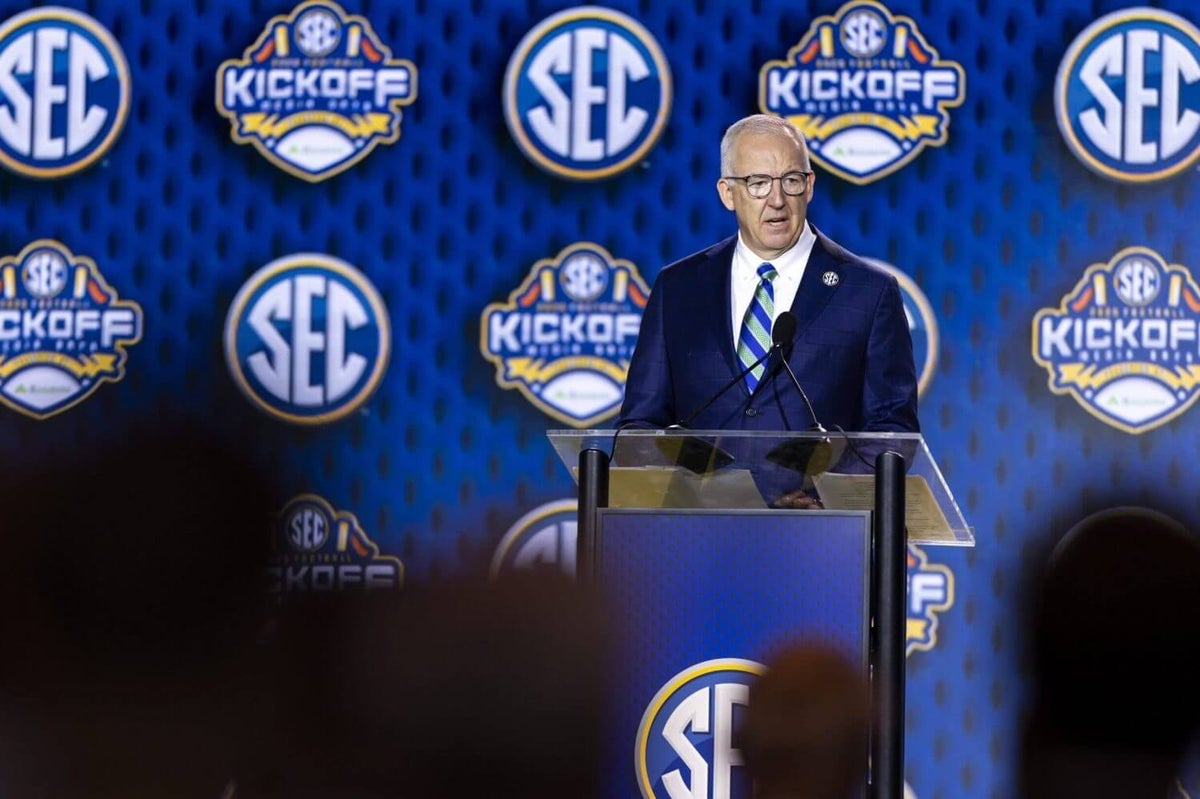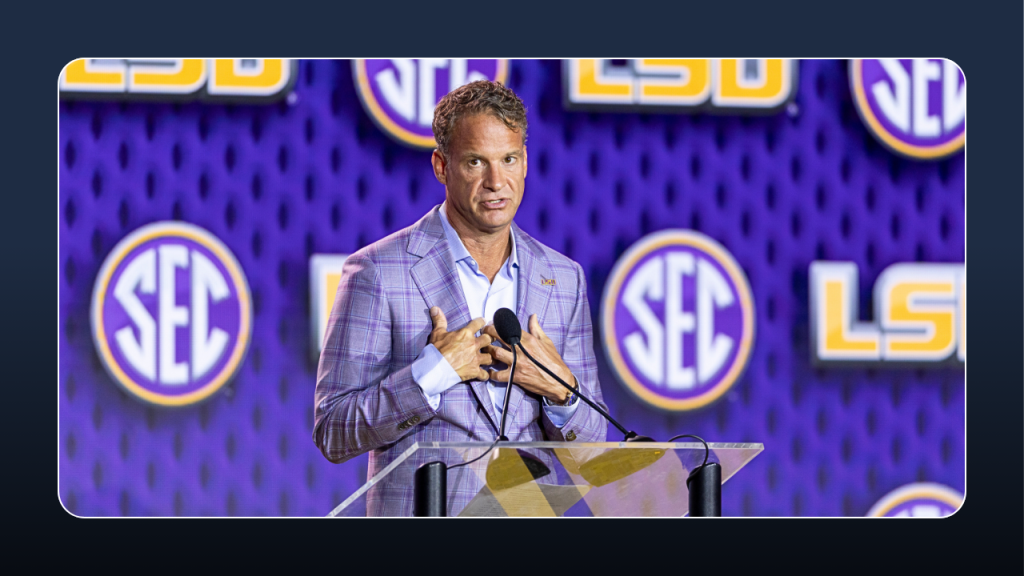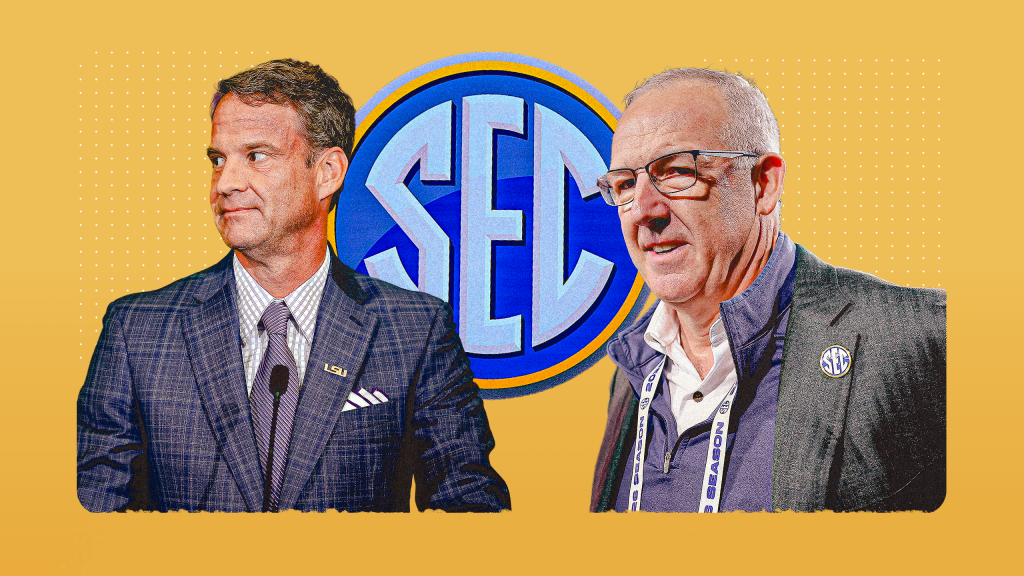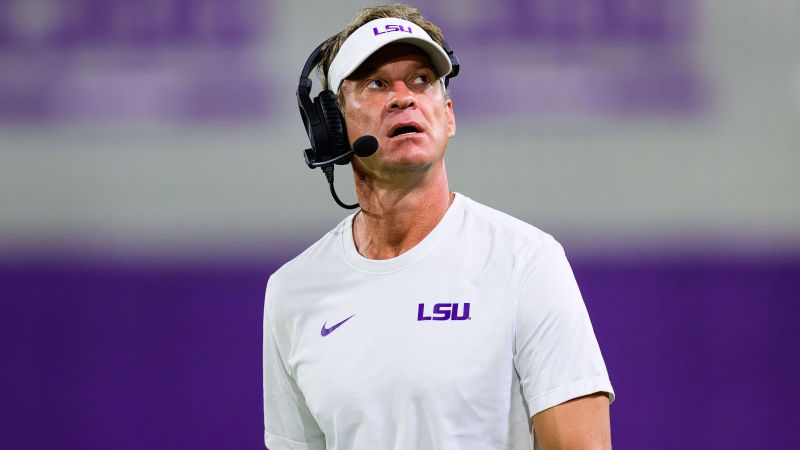
Amid the flurry of eligibility lawsuits and hand-wringing over schools pursuing players cut from NFL training camps, it’s easy to lose sight of what the rulings really mean and why they actually matter.They remind us that no one is in charge of college sports. Still.That declaration itself is not breaking news. But it matters more than whether No. 11 LSU can use a backup tight end who spent a few months of the offseason with the Cleveland Browns.The latest reminder came 42 minutes into Thursday’s hearing in a Louisiana district court in which more than 30 athletes fought to be included within the NCAA rule change that effectively gave every athlete five years to play five seasons. That’s when the SEC filed a federal lawsuit against one of its charter members (LSU) and high-profile football coaches (Lane Kiffin) over their intent to put some of those players on their roster. It complicated an already complicated situation that grew even more complicated nine hours later when that district court ruled against the NCAA and SEC.Who gets to decide whether a few dozen athletes — including a few who spent time in NFL training camps or signed as undrafted free agents — can get that extra year of eligibility to play this year? Who makes the rules?The obvious answer is the NCAA. But that’s not the case. The district court judge ruled Thursday that the NCAA (at least on a preliminary basis) can’t enforce its rule that withholds an extra season from the departed members of the 2022 high school recruiting class.If you’ve heard rumblings about conferences breaking away from the NCAA, you’d expect the next possible answer to be the SEC. That might also be wrong. The same Louisiana court also barred the SEC from enforcing its rules about players who pursued pro careers.That Louisiana courtroom might not be the answer, either, if a federal ruling from the SEC’s suit tops one from a state court. And what happens in these courts with these athletes could conflict with what happens in other courts with other athletes. By one estimate this week, about two-thirds of 450 plaintiffs fighting the new NCAA rule have been granted eligibility by courts. Good luck making sense of that ratio.
In LSU and the SEC’s dizzying court battle, one thing is clear: No one’s really in charge
Who makes the rules in college sports? LSU and the SEC are frantically trying to find out with mere hours until the season kicks off.
1,031 words~5 min read