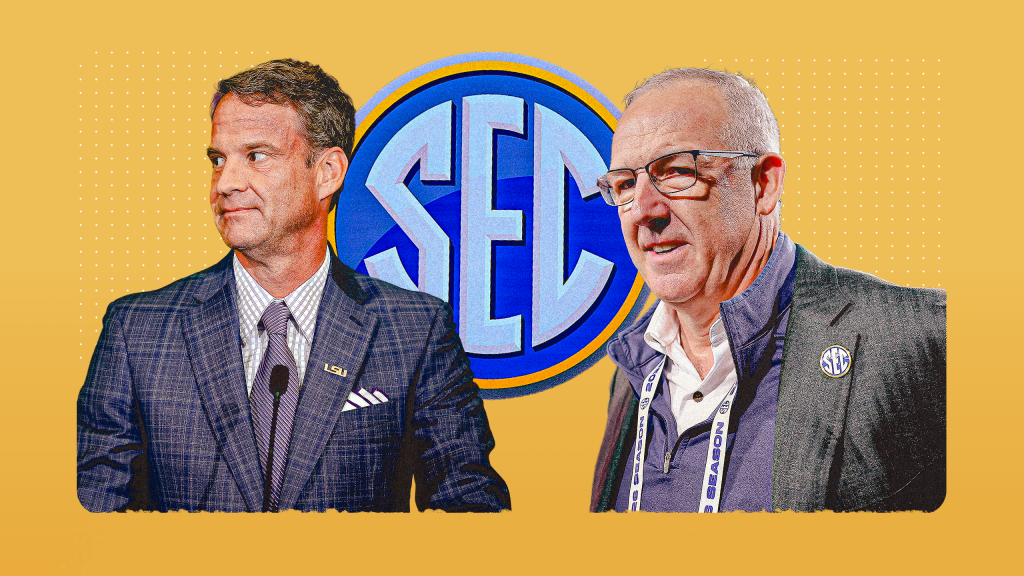
As Congress weighs whether to grant the NCAA a limited antitrust exception to bring more order to the chaos of college sports, conferences have intriguingly become willing to litigate against their own members as a means of bringing order.
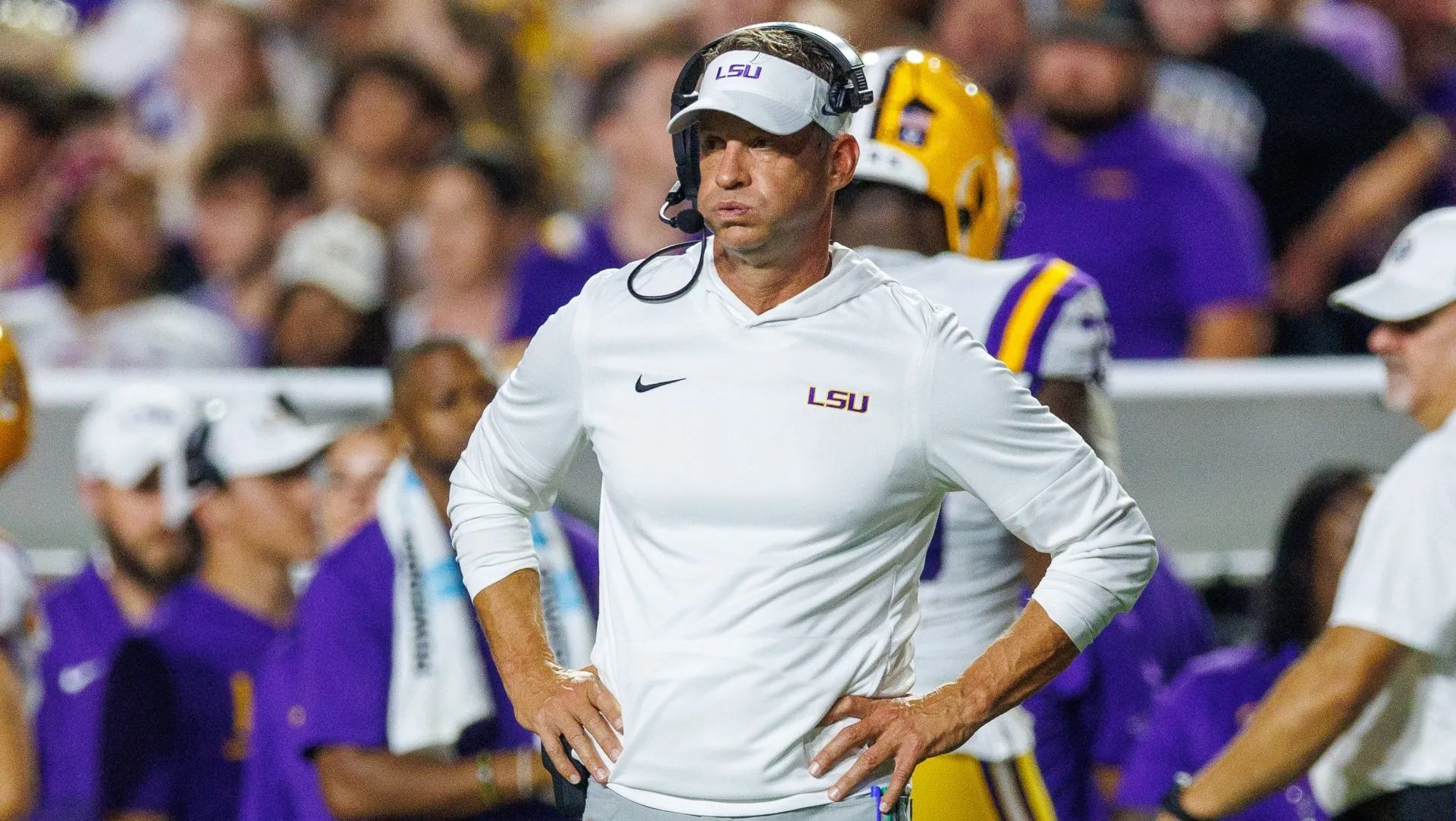
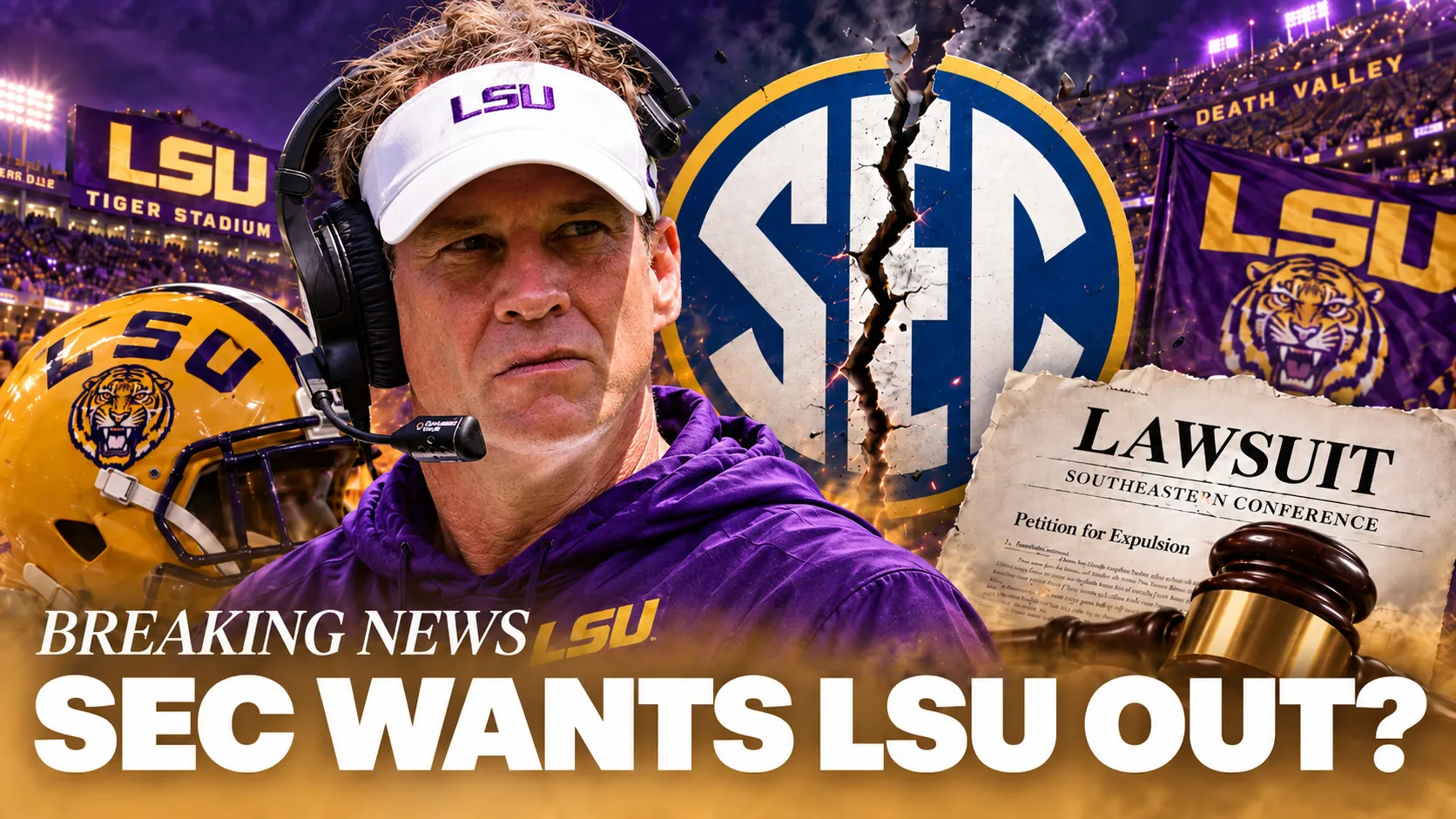
The SEC is suing LSU—and now threatening to vote the Tigers out—over the school’s adding players who spent the summer with NFL teams, and the Big 12 recently ended its case against Texas Tech over the school’s thwarted plans to make Brendan Sorsby the Red Raiders’ quarterback this fall.
It’s almost as if college sports can obtain the order it seeks through conference, rather than NCAA, actions. It’s also as if the college sports world has taken a closer read of Justice Neil Gorsuch’s majority opinion in NCAA v. Alston (2021).
While Alston is remembered most for the NCAA losing 9–0 and for Justice Brett Kavanaugh’s concurring opinion, in which he blasted amateurism, history could show the most important passage was Gorsuch comparing how antitrust law applies differently to the NCAA and to conferences.
“Individual conferences,” Gorsuch wrote, “remain free to reimpose every single enjoined restraint tomorrow—or more restrictive ones still.”