The prospect of peace between Iran and the US has sent oil prices sharply higher and lower in recent months. Brent crude, the international benchmark, has traded between about $73 and $126 a barrel since the end of February and was around $95 on Friday.
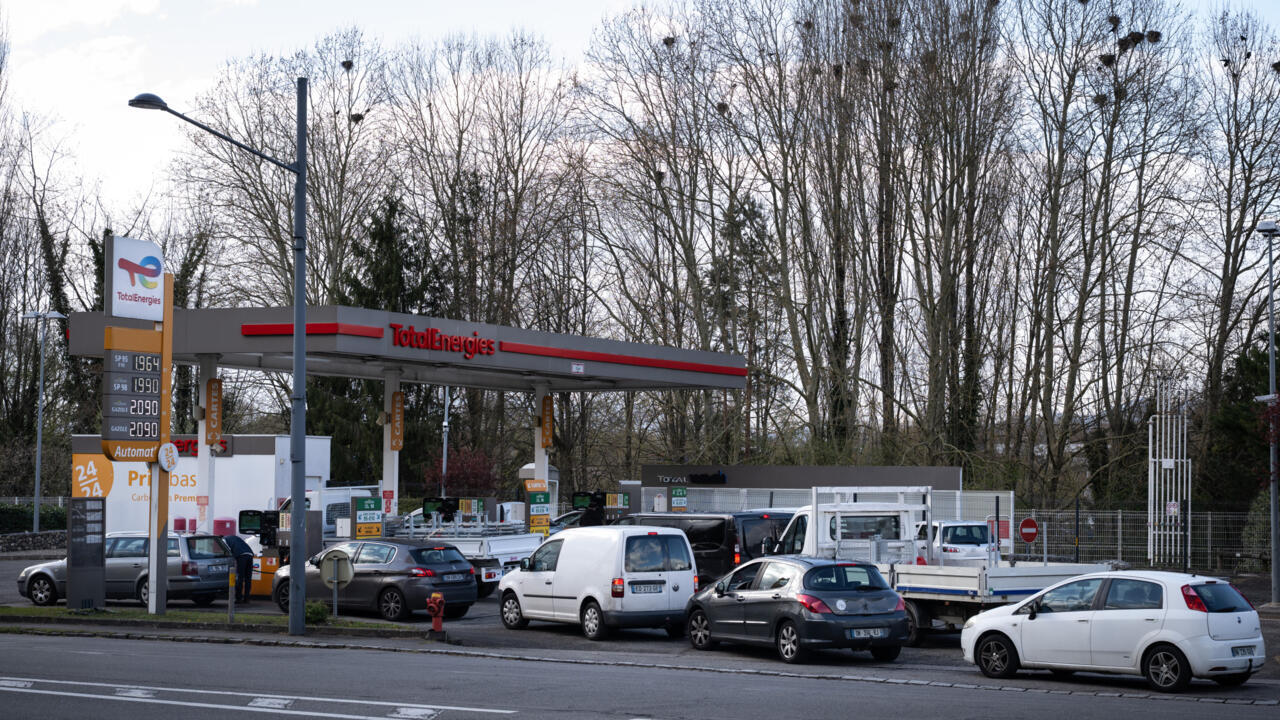
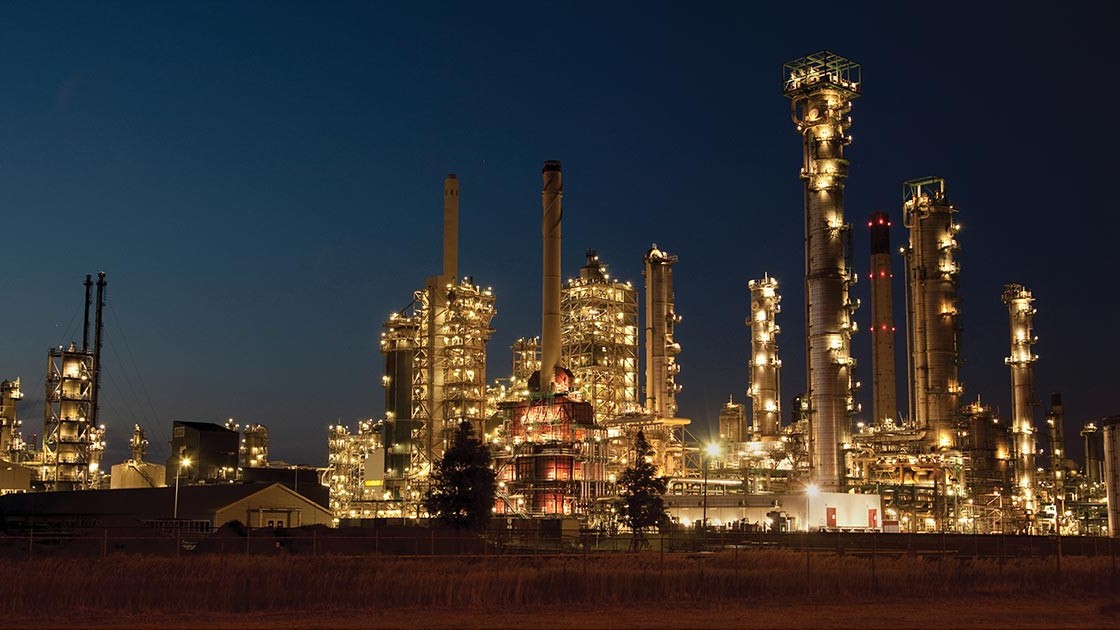
European fuel prices have followed these movements. But petrol and diesel have remained particularly expensive because their prices also reflect the cost and availability of refining—not only the price of crude oil.
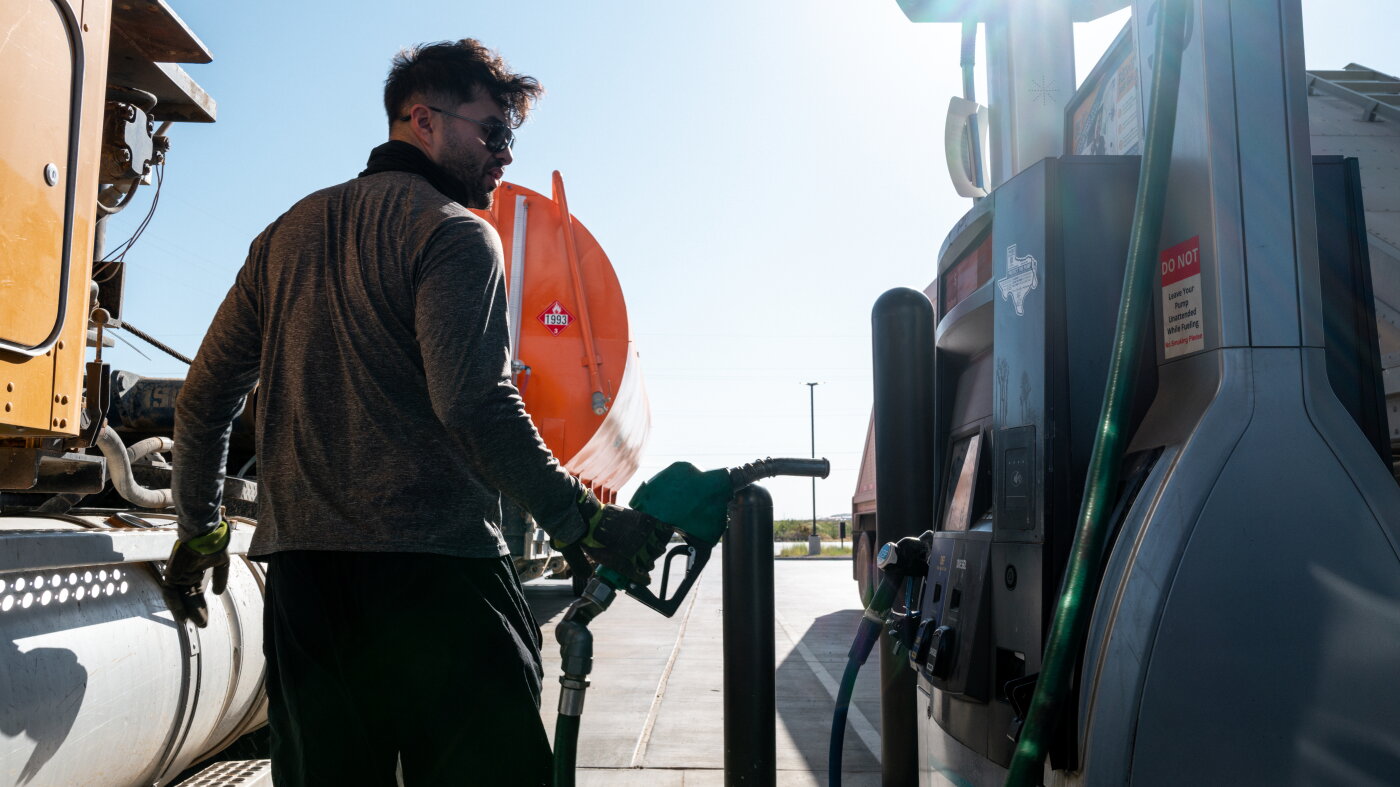
Although electric cars account for a growing share of new registrations, petrol and diesel still power almost nine in 10 passenger cars on EU roads. According to ACEA’s latest fleet data, 49.2% run on petrol and 38.4% on diesel, giving the two fuels a combined share of 87.6%.
Some European governments have temporarily reduced fuel taxes or introduced other support measures since the energy shock began, although the response has varied by country. Even so, petrol and diesel prices remain close to their historical highs.
In the week beginning 31 August, petrol averaged €1.95 a litre across the EU, about 4% below its June 2022 peak of €2.03. Diesel averaged €2.04, around 3% below its record of €2.11 in April 2026.