Brent crude futures blew past $100 per barrel on September 9, reaching session highs between $100.95 and $101.18. That marks the first time oil has crossed the triple-digit threshold since July, and it comes at possibly the worst moment for central bankers trying to figure out what to do about interest rates.
West Texas Intermediate, the US benchmark, climbed toward the mid-$90s in tandem. The move represents an approximately 25% increase since early August and over 60% year-to-date, making oil one of the best-performing asset classes of 2026 by a comfortable margin.
The geopolitical engine behind the rally
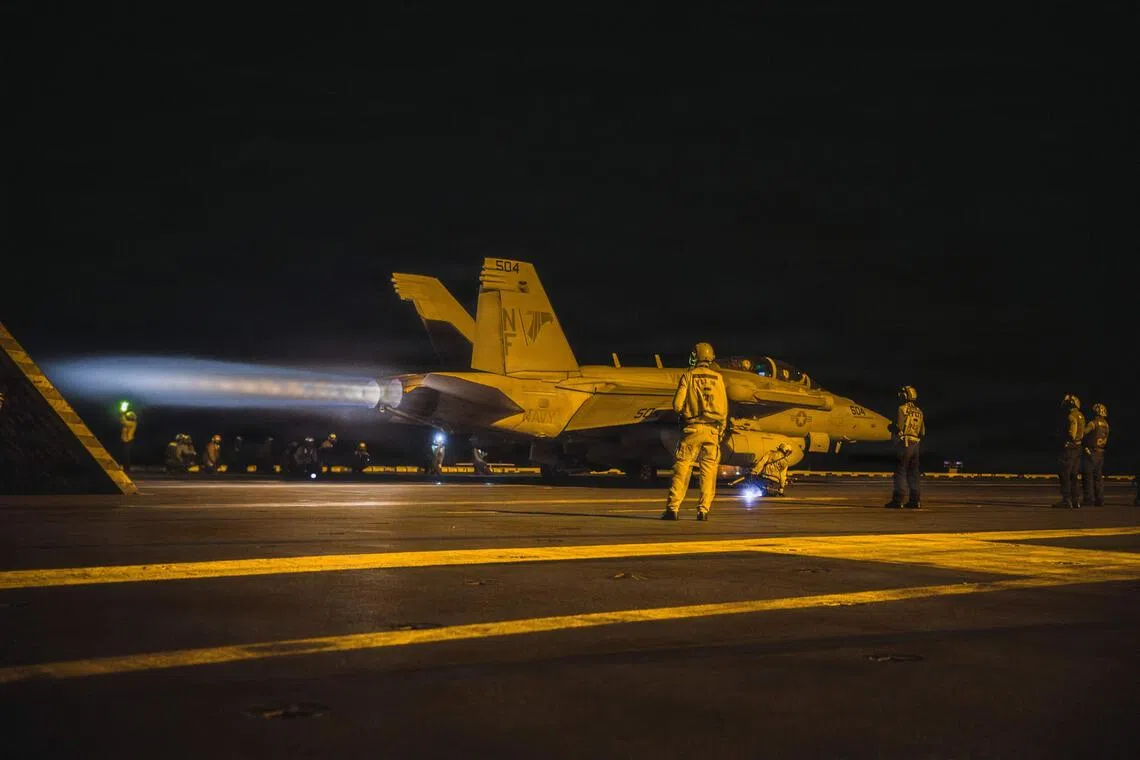
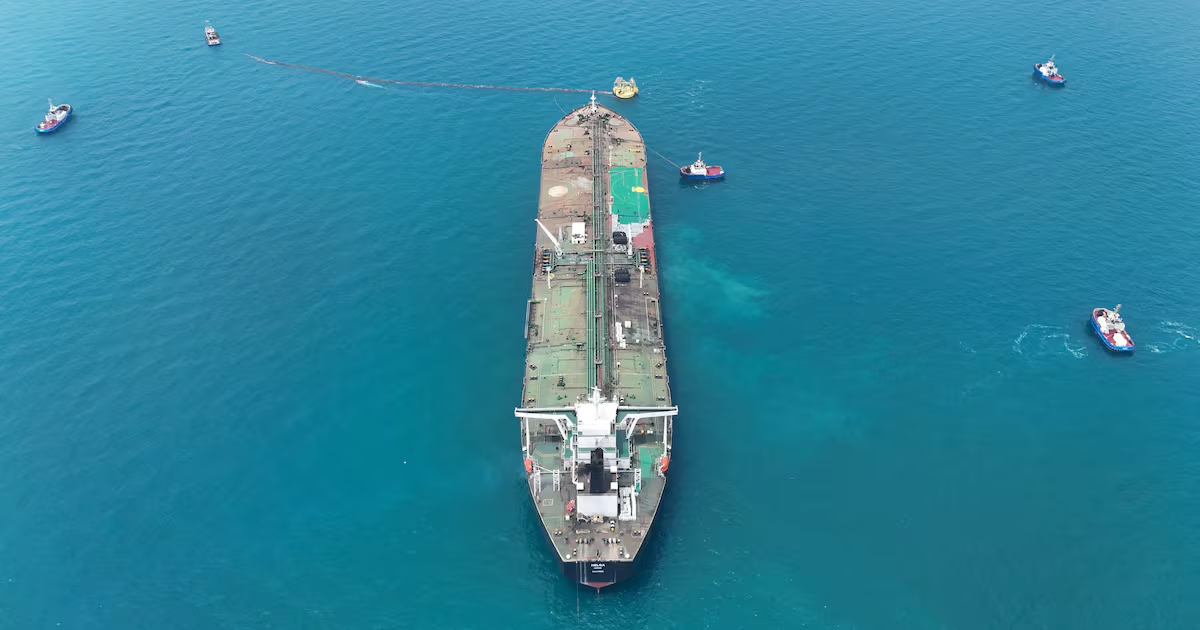
The catalyst is straightforward: the US-Iran conflict that began on February 28 has escalated sharply, and markets are pricing in the possibility that global oil supply could be choked at its most critical bottleneck. US military operations destroyed five Iranian oil tankers in recent exchanges. Iran responded with missile strikes targeting US forces, including an attack on a US military base in Jordan.
The Strait of Hormuz has seen its traffic severely disrupted since hostilities began. Every barrel that doesn’t transit smoothly through that corridor tightens global supply and pushes prices higher.