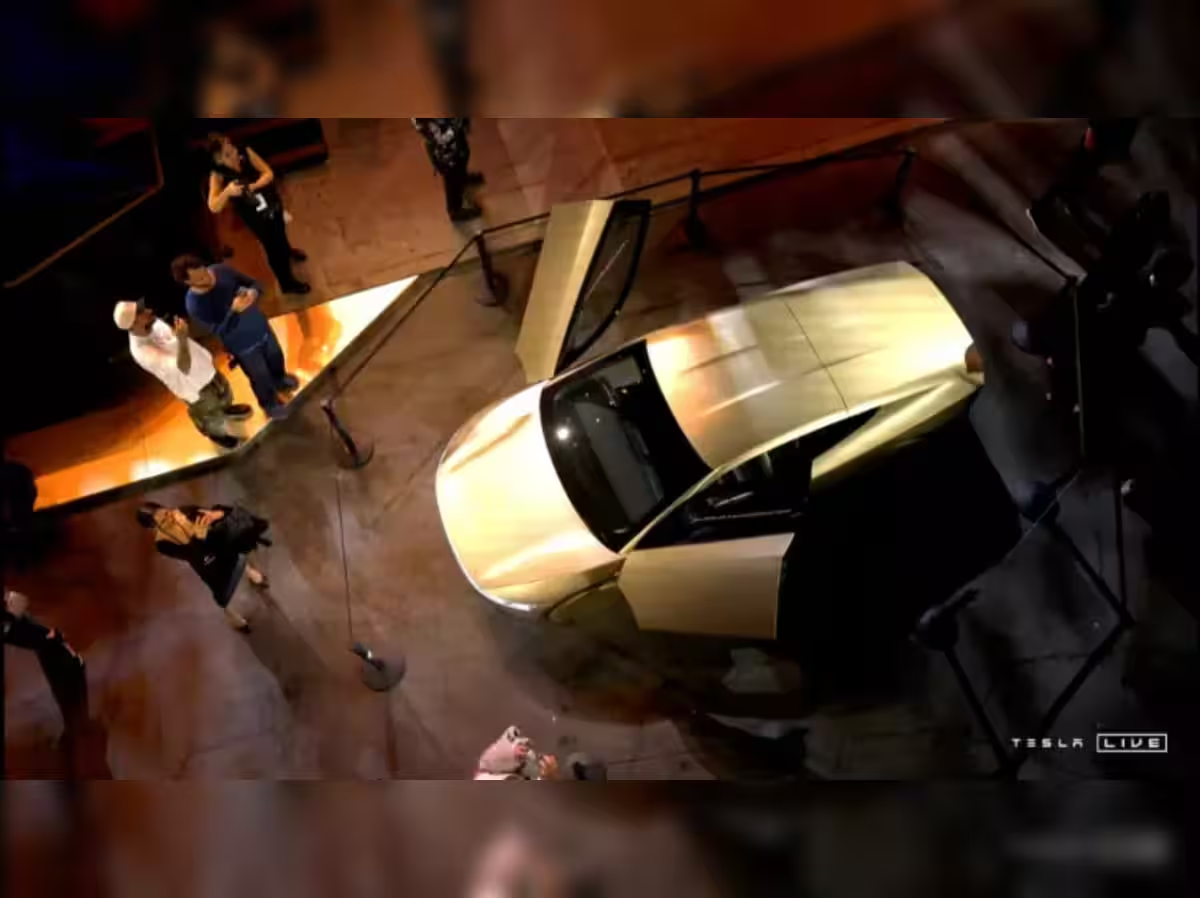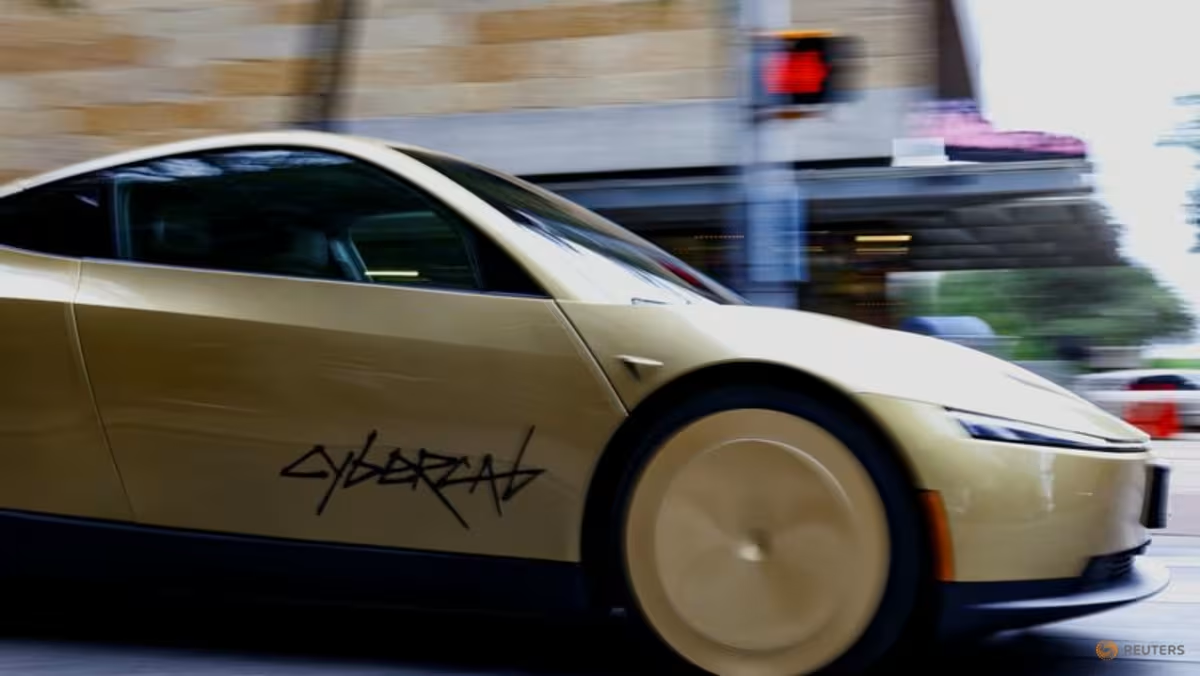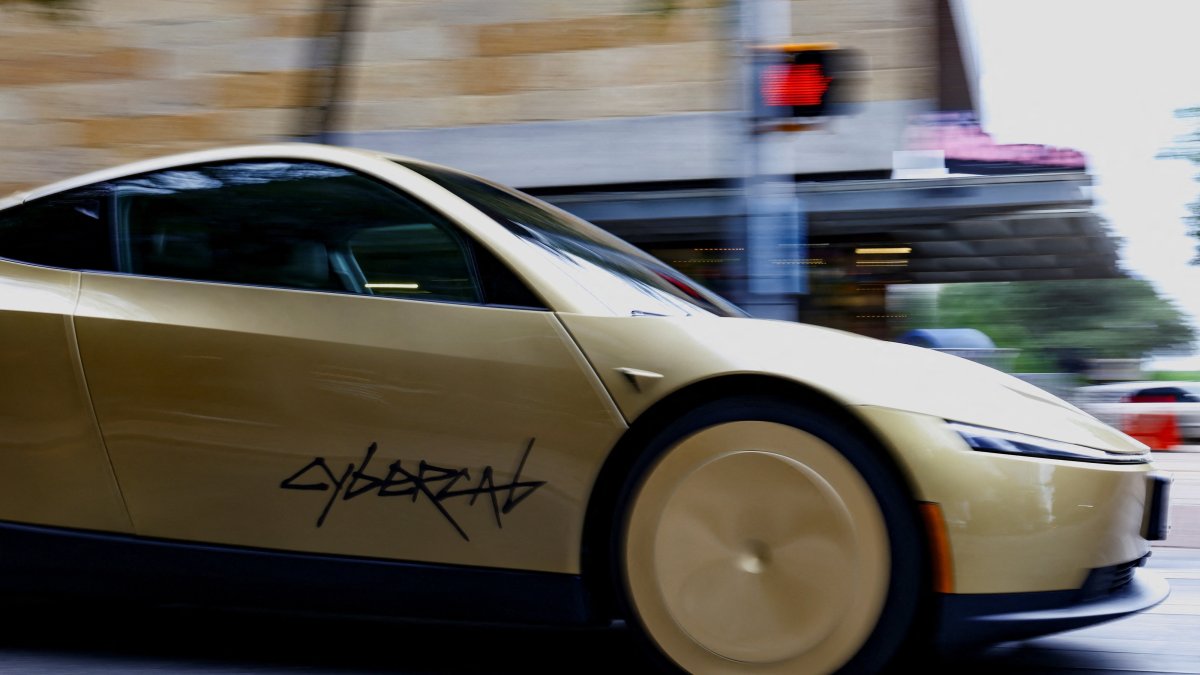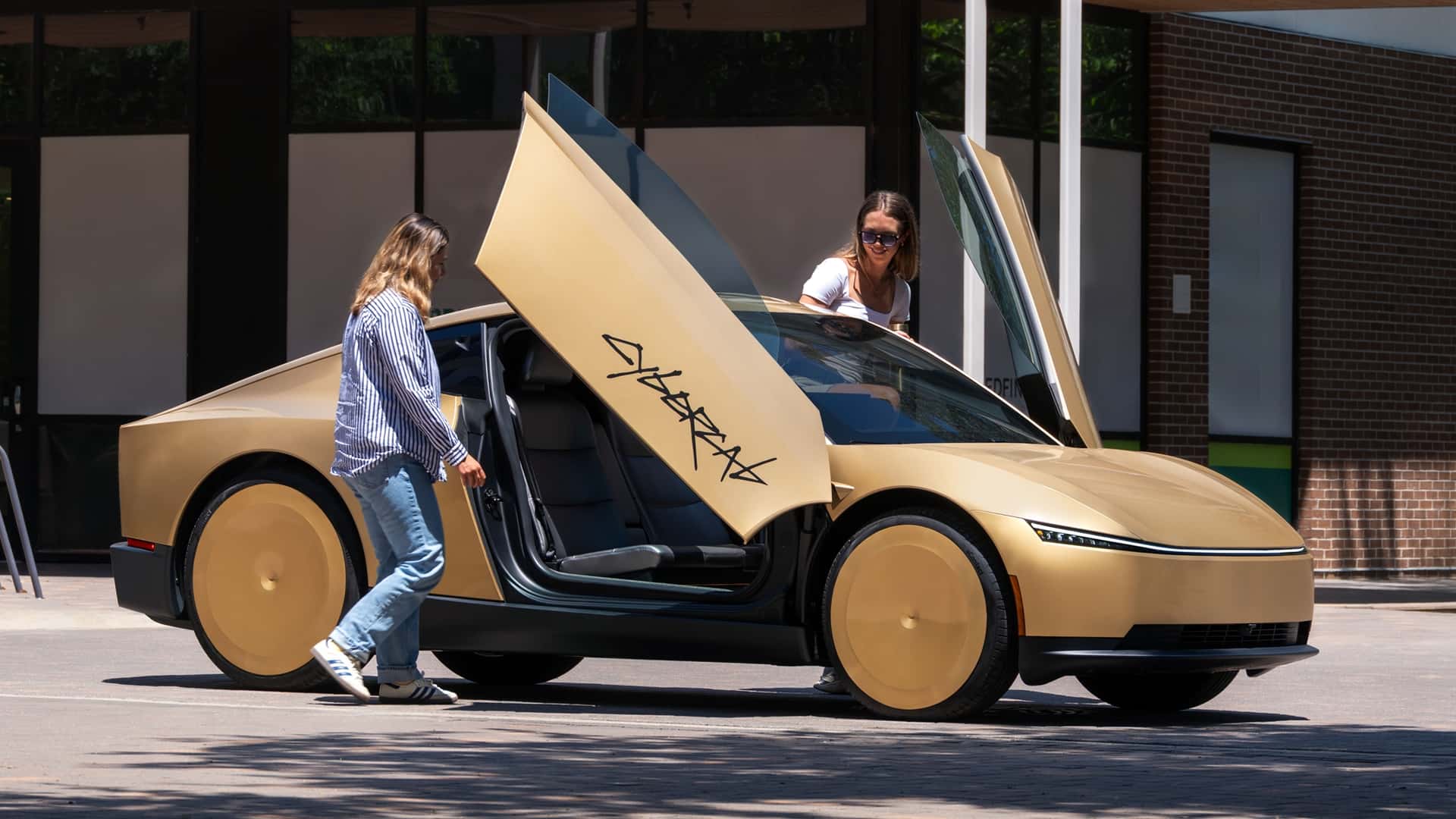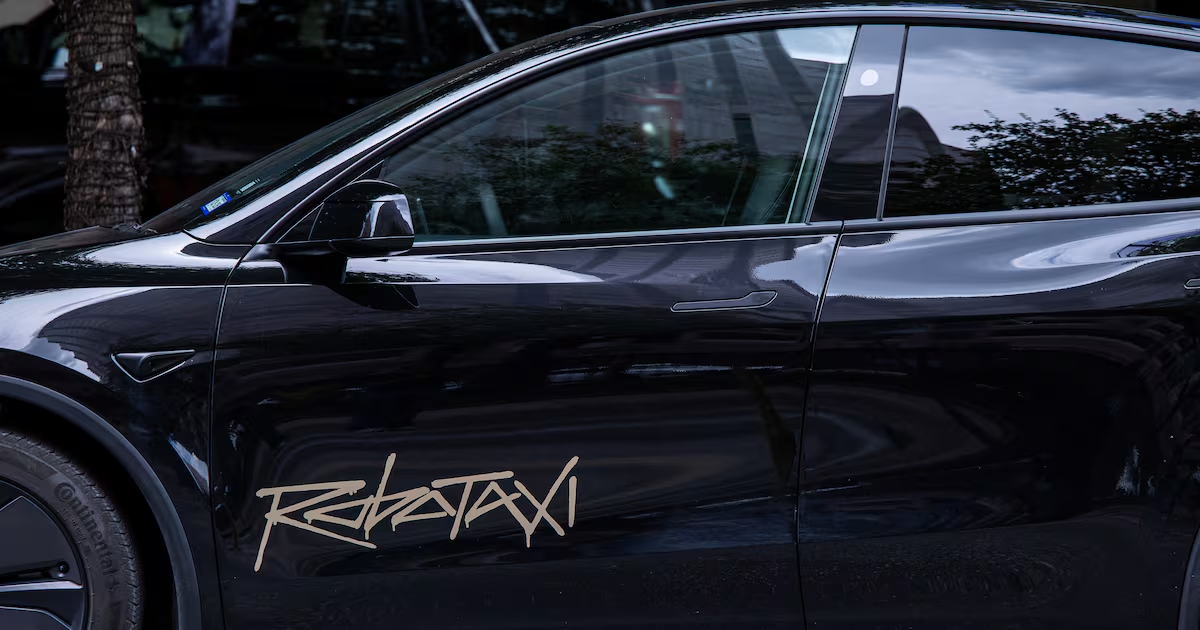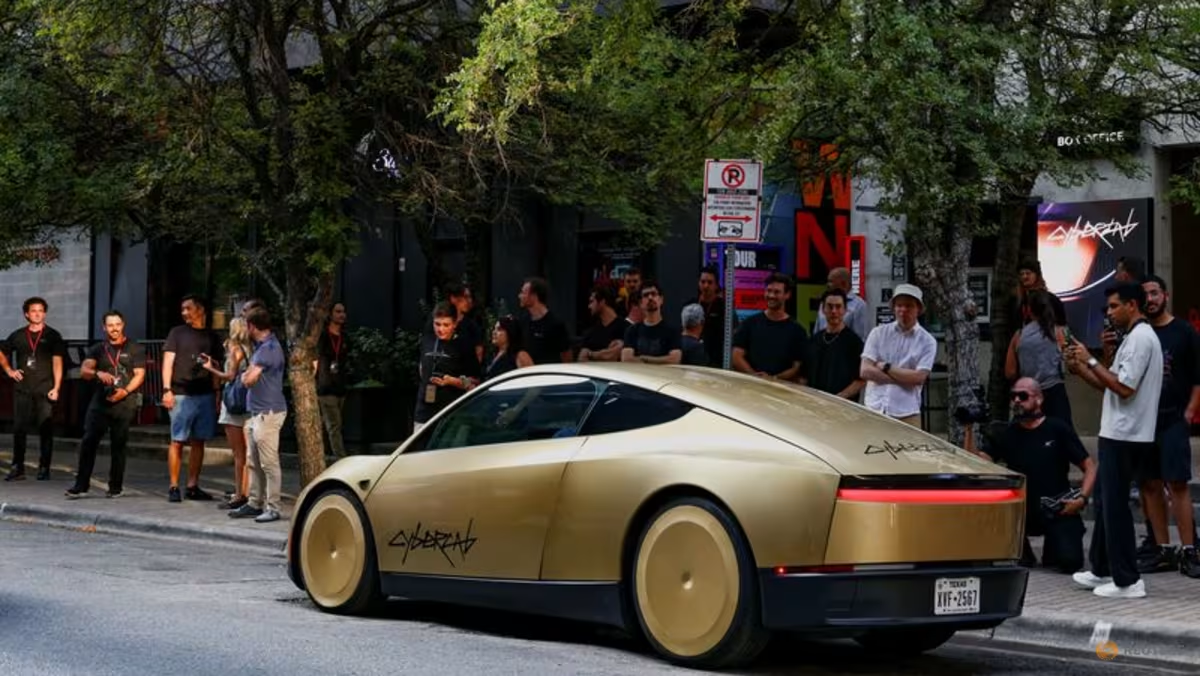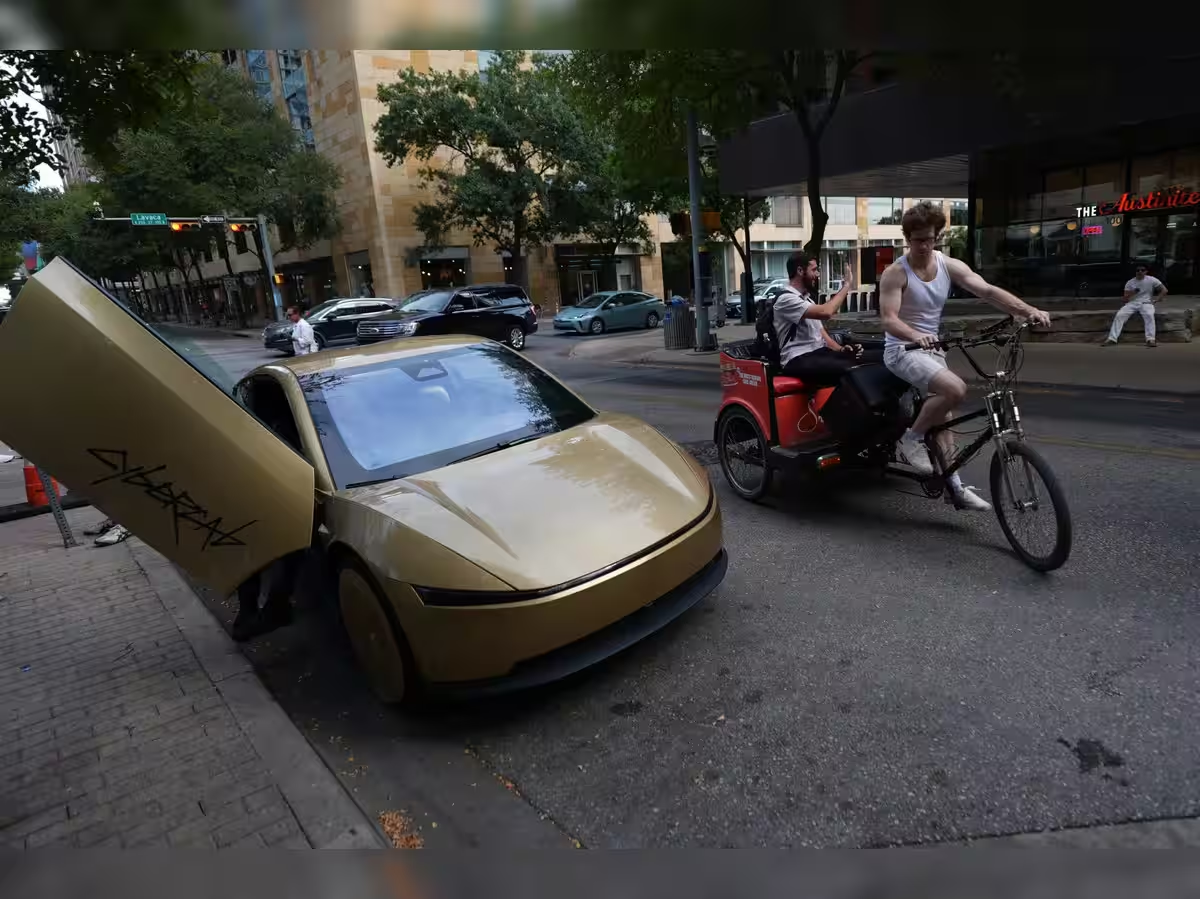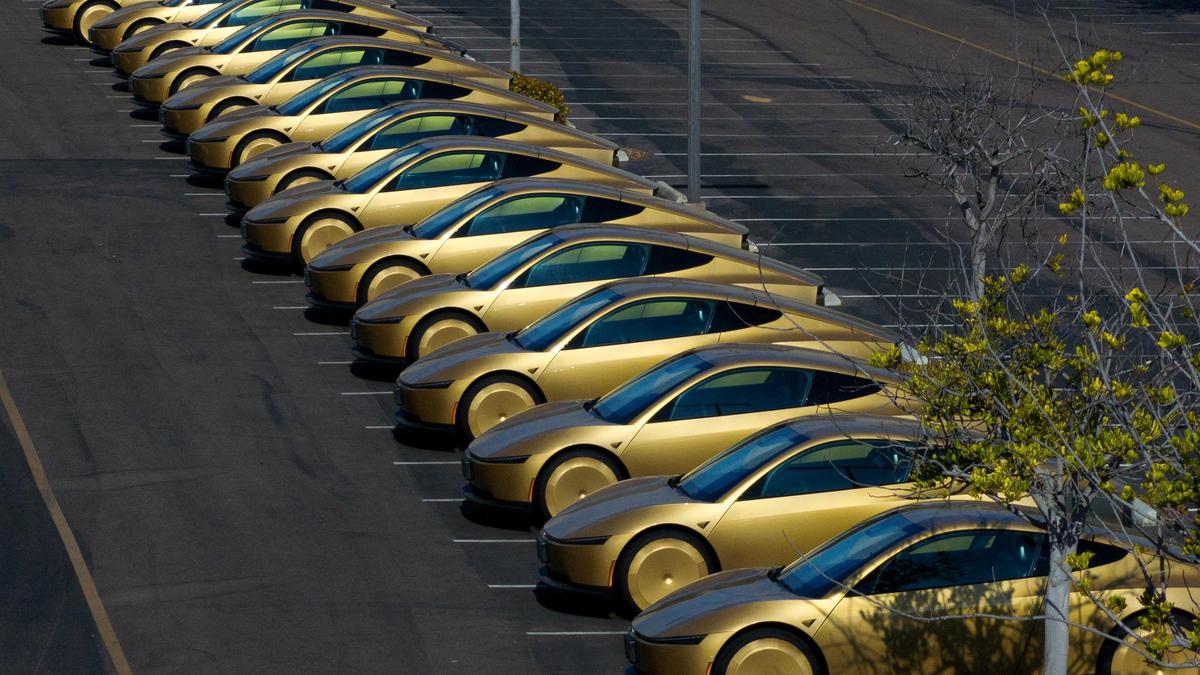
Tesla launched commercial Cybercab rides in Austin, Texas on September 3, 2026. The National Highway Traffic Safety Administration opened an audit into the vehicle that very same day.
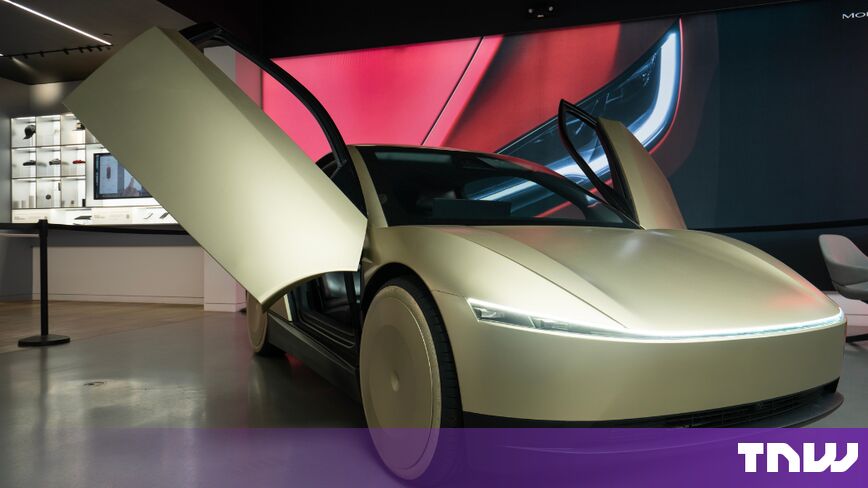
The Cybercab has no steering wheel, no pedals, and no rearview mirror. It is a purpose-built robotaxi, designed from scratch for a world where passengers sit back and let software do the driving. Tesla didn’t wait for regulators to bless the concept before putting paying customers inside.
The self-certification gambit
Most companies developing vehicles without traditional controls have pursued exemptions from Federal Motor Vehicle Safety Standards, the sprawling set of rules that dictate everything from airbag placement to brake pedal force. These exemptions come with production caps, typically limiting manufacturers to a few thousand units while regulators study the safety implications.
Tesla took a different path. The company self-certified the Cybercab as compliant with all relevant FMVSS requirements, a process that essentially lets manufacturers vouch for their own vehicles without prior government approval. By self-certifying, Tesla avoided production limits entirely. Industry experts have flagged this as legally questionable.