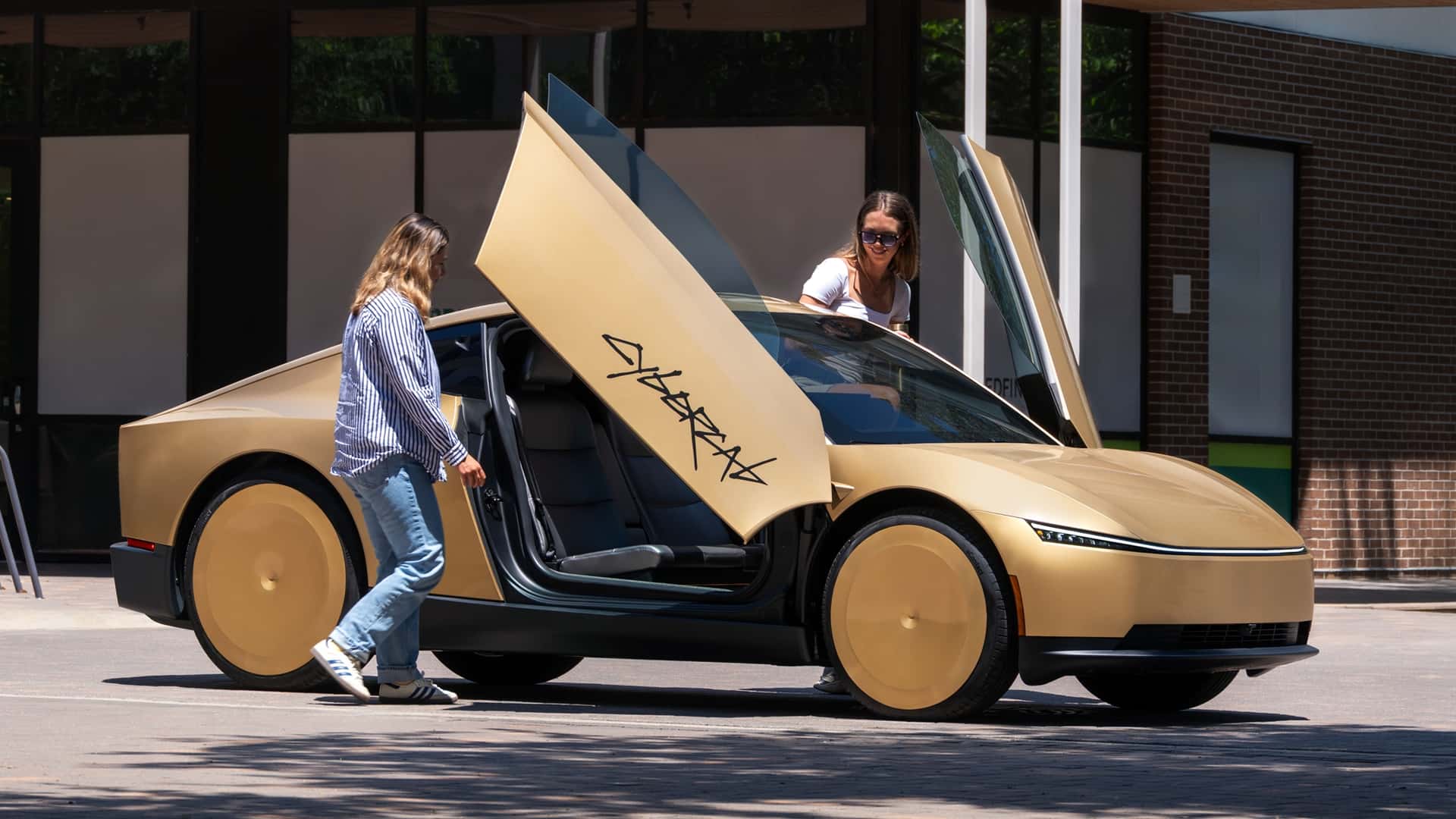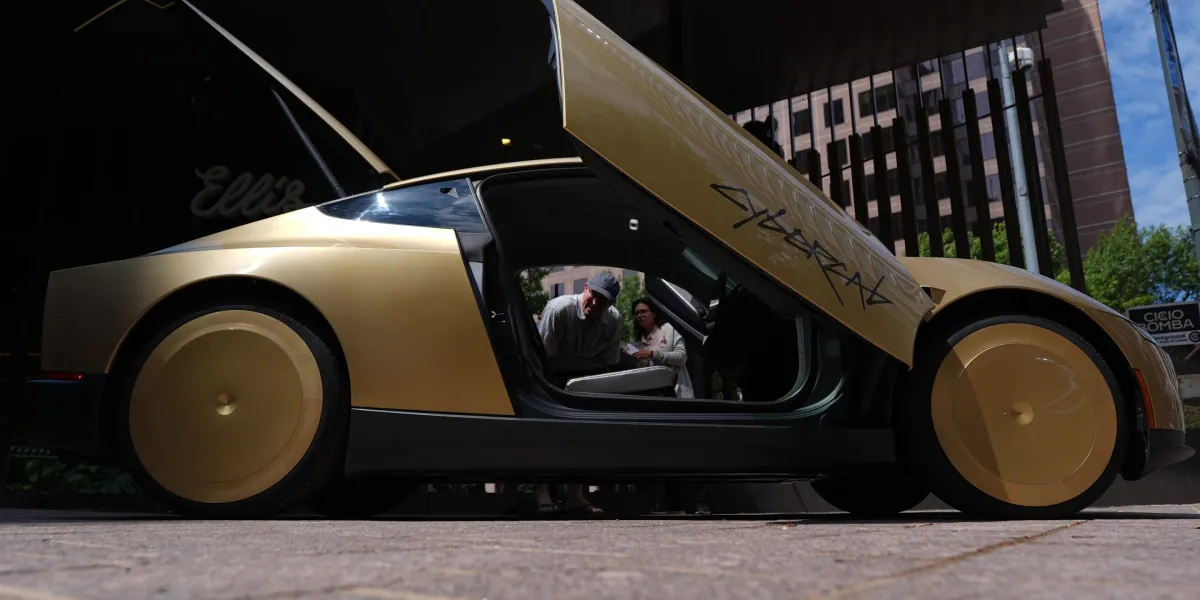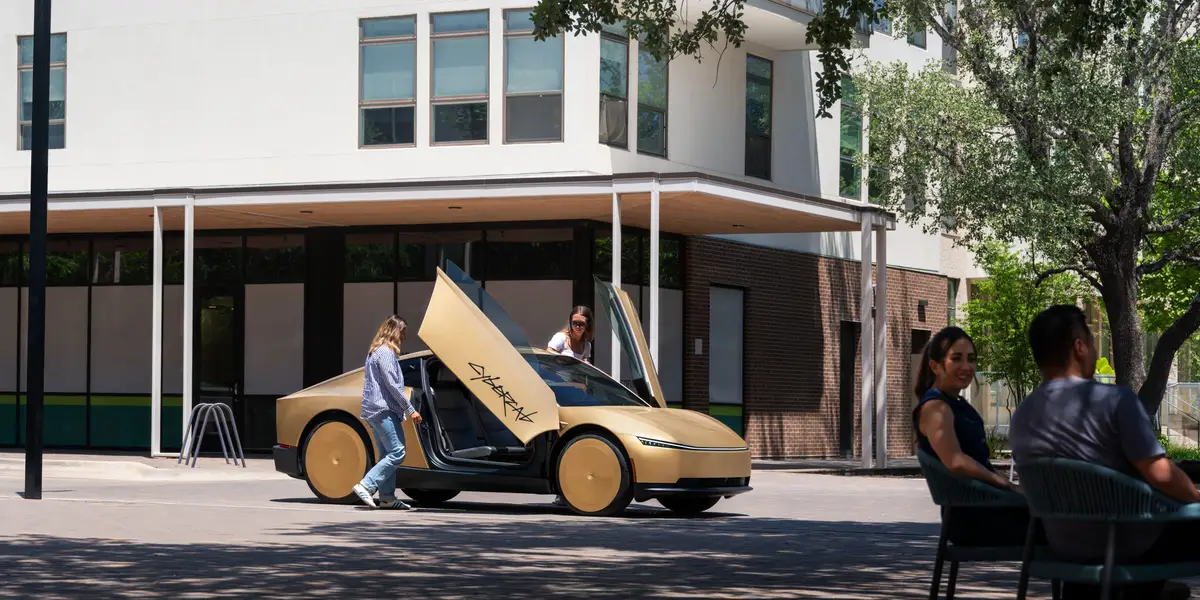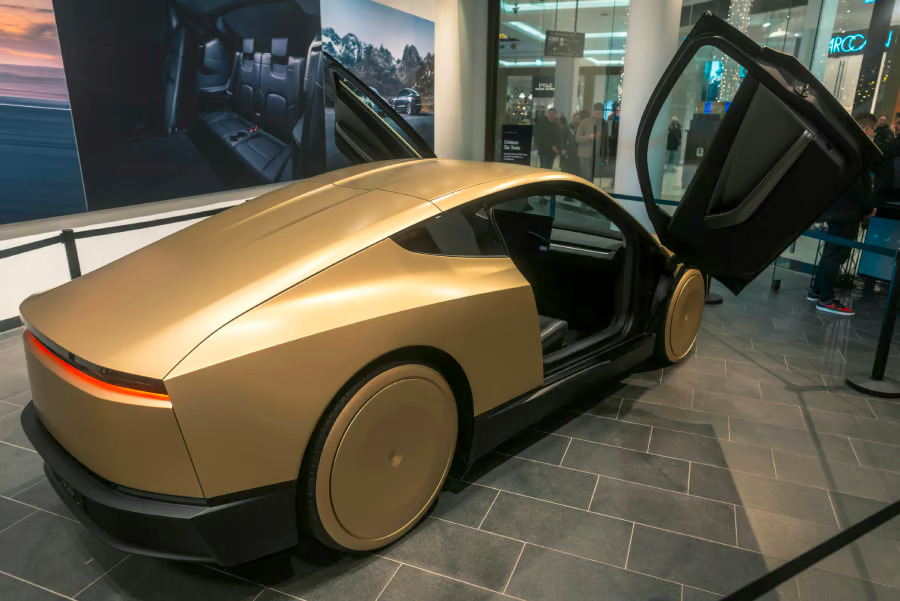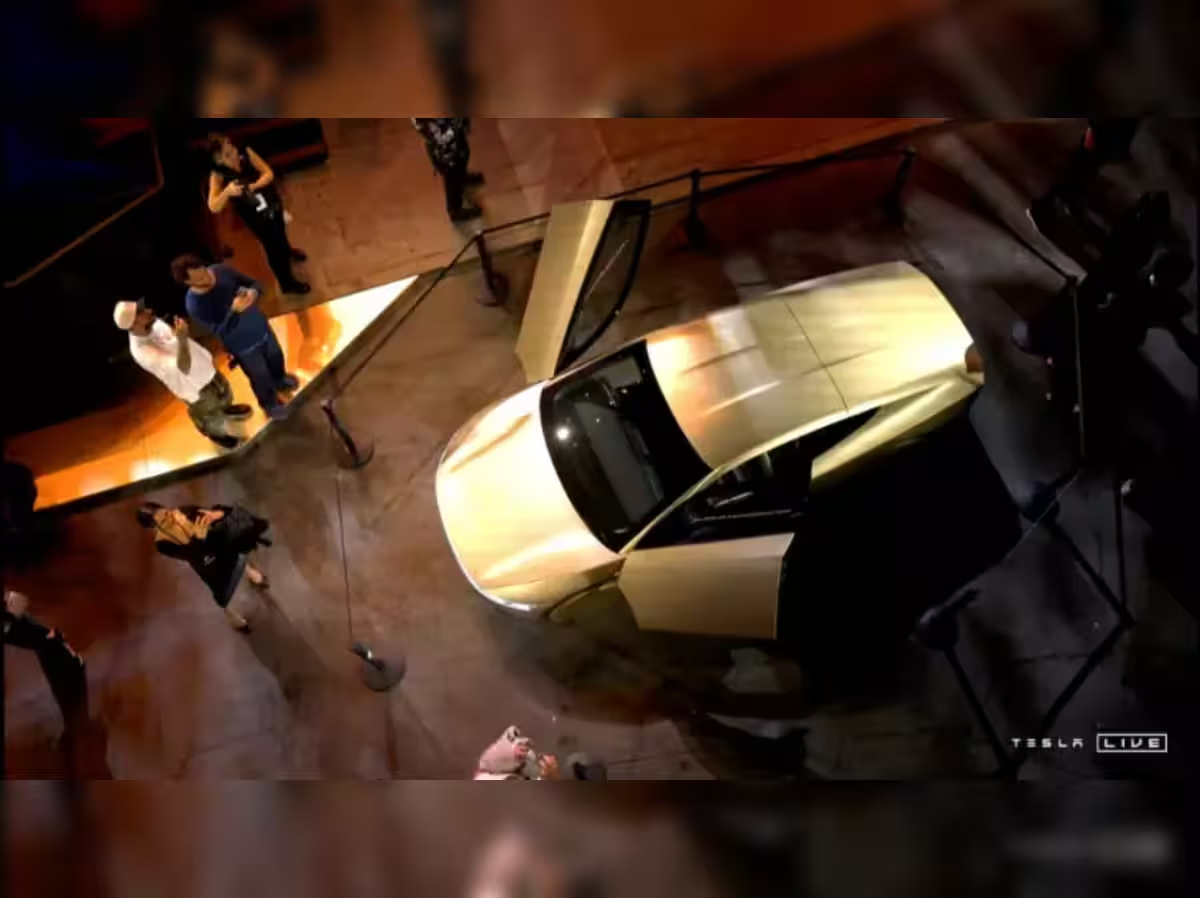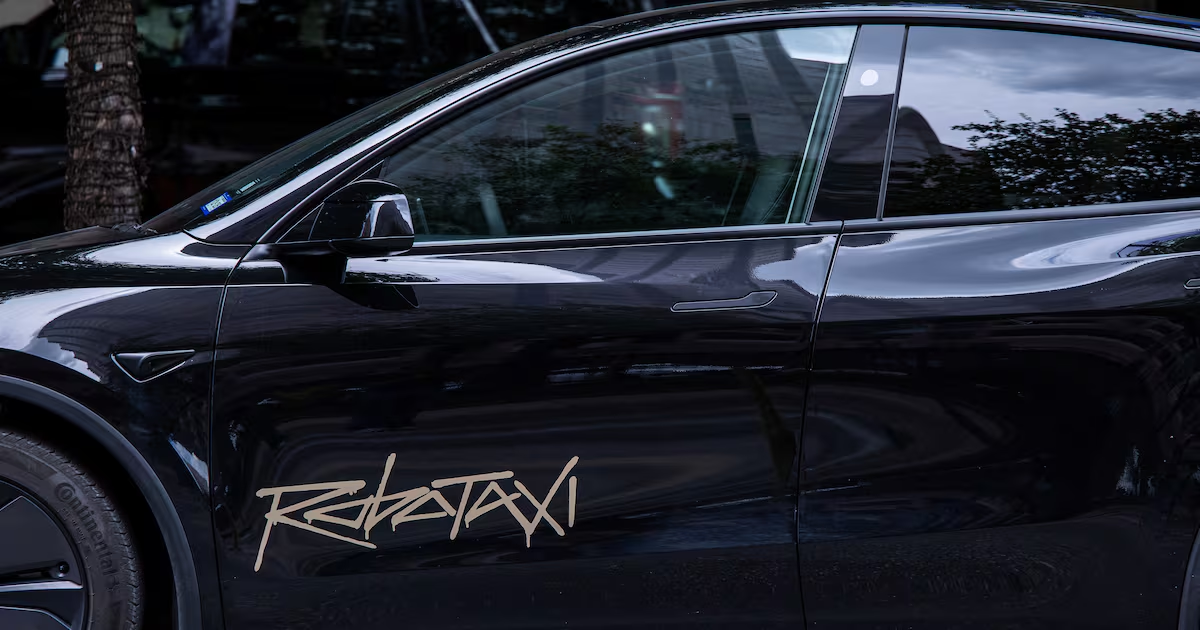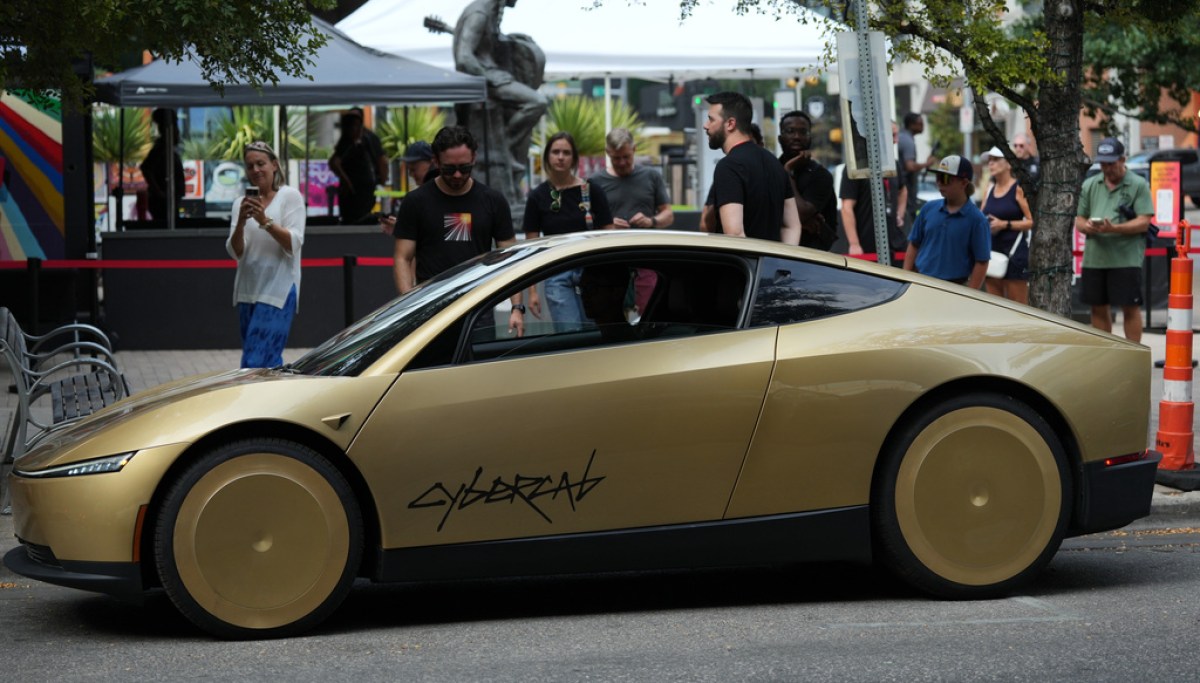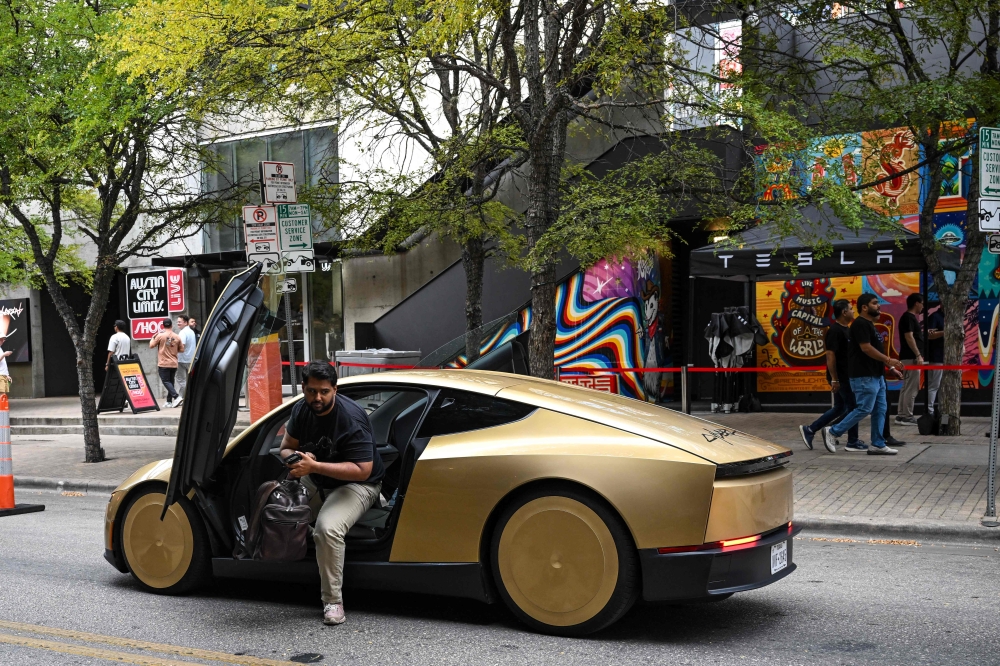
Tesla managed to do two things on September 3, 2026: launch paid robotaxi rides in Austin, Texas, and attract a federal investigation into the very vehicle providing them. The National Highway Traffic Safety Administration opened an audit, tagged AQ25002, examining whether Tesla’s Cybercab was legitimately self-certified under Federal Motor Vehicle Safety Standards.
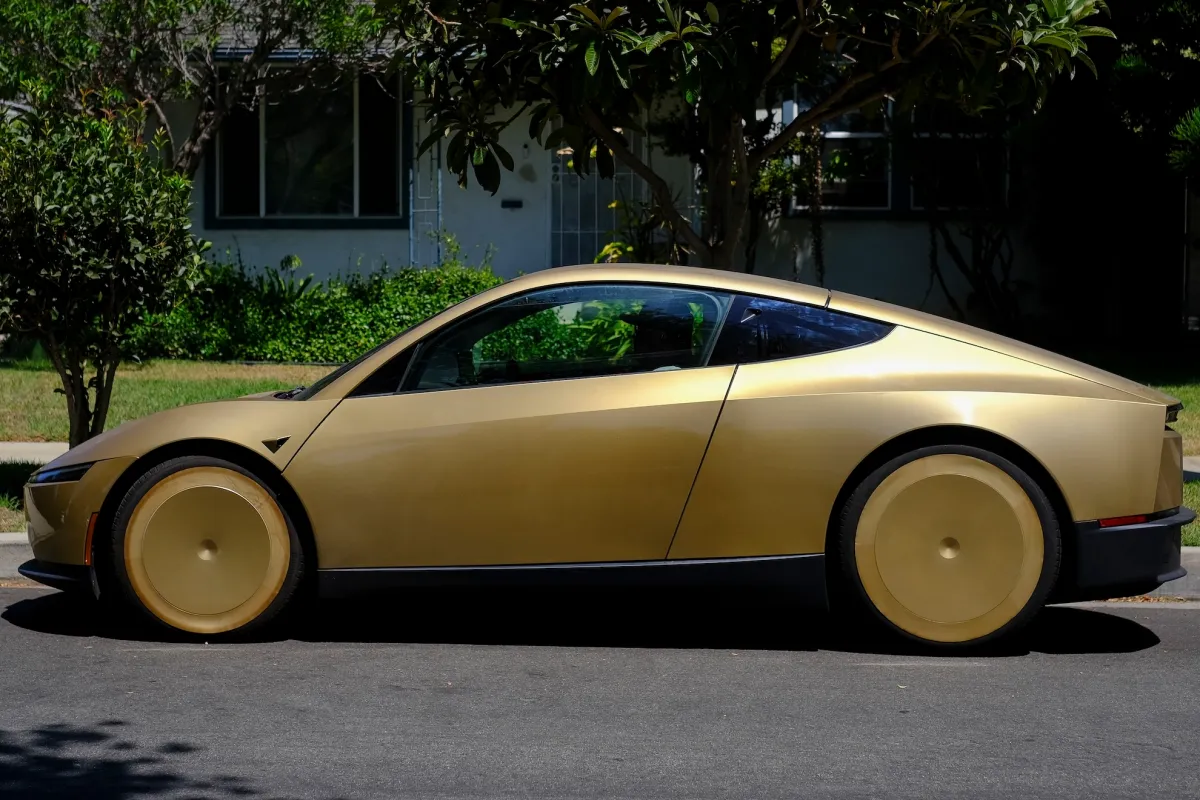
The core issue is deceptively simple. The Cybercab has no steering wheel, no pedals, and no traditional driver controls. Tesla certified it as compliant with FMVSS anyway, categorizing certain regulations as inapplicable. NHTSA wants to know if that interpretation holds up.
A vehicle without a driver’s seat, facing rules written for drivers
Tesla chose to self-certify rather than seek an exemption. That’s a meaningful distinction. The standard FMVSS exemption pathway caps manufacturers at 2,500 vehicles per year, a ceiling Tesla clearly intended to blow past. Self-certification allowed the company to scale production without that constraint, but it also meant Tesla was making its own call on which safety rules applied to a radically unconventional vehicle.
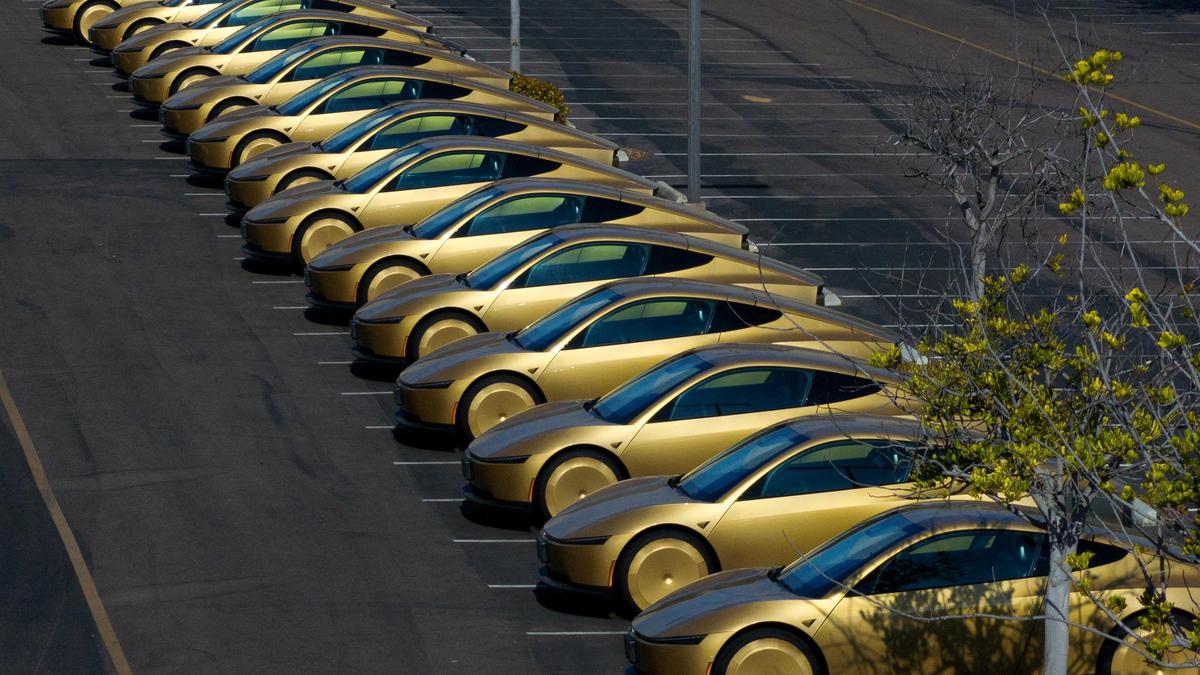
As of September 4, 2026, roughly 1,000 Cybercabs were targeted in the audit scope. Of those, 45 units were registered in Texas, part of a broader fleet of 420 Tesla autonomous vehicles operating in the state.