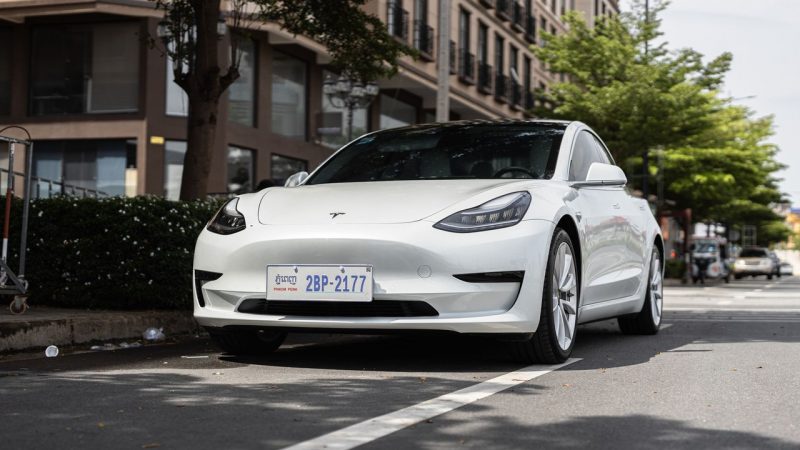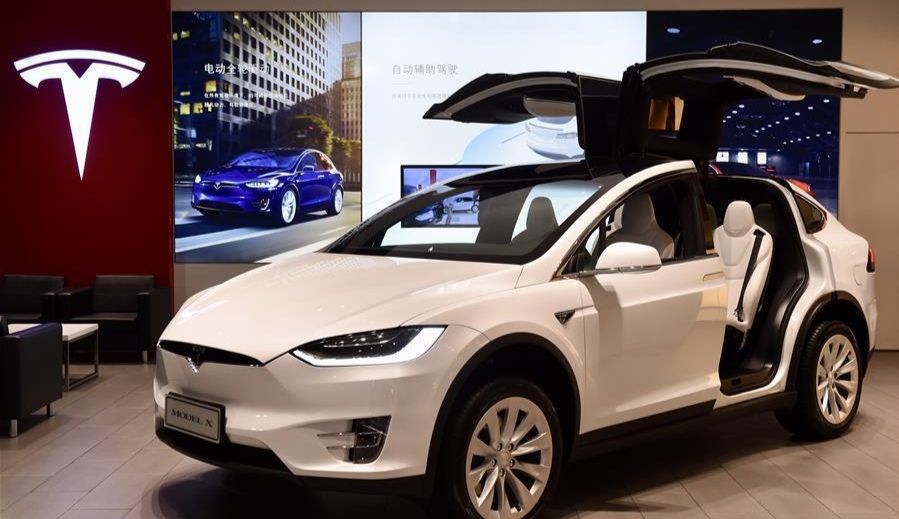
An electric car is displayed in Tesla's branch in Beijing, capital of China
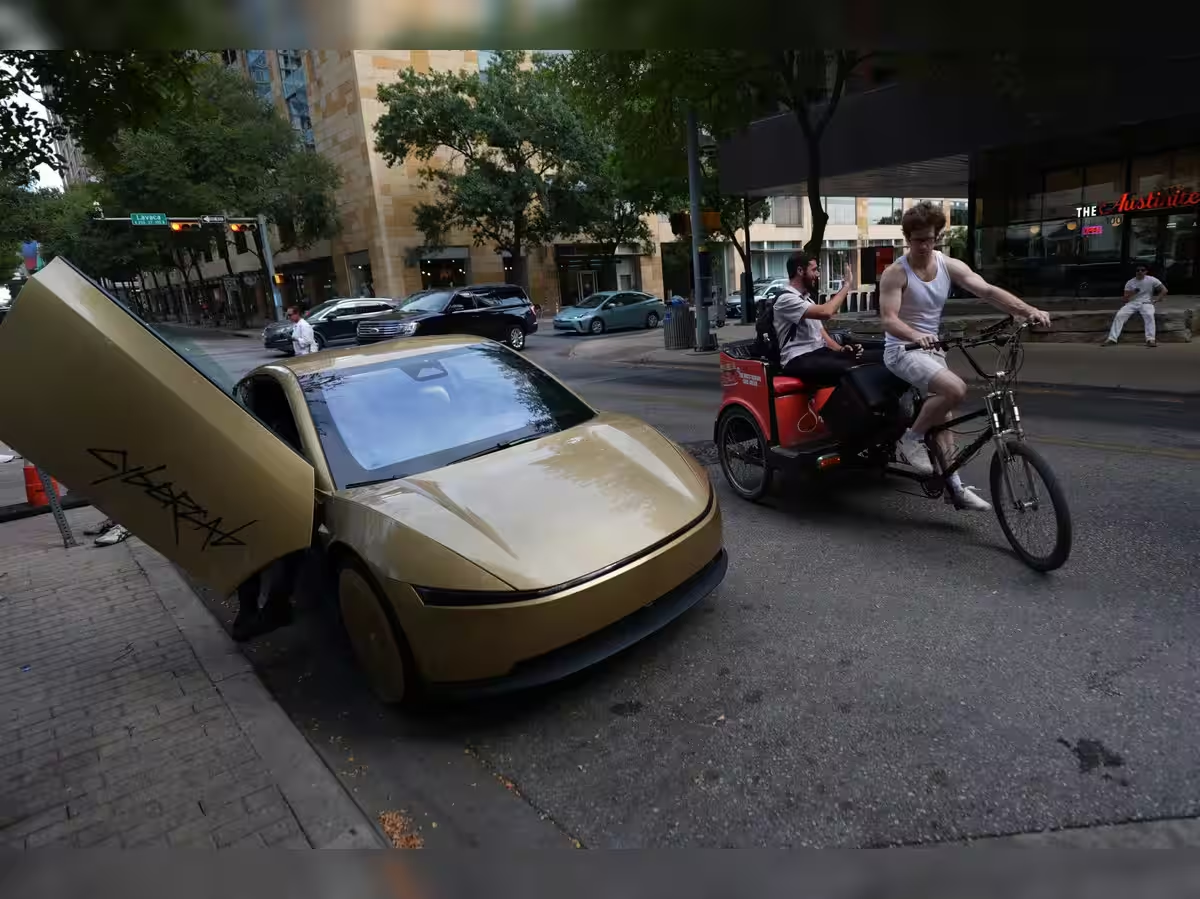
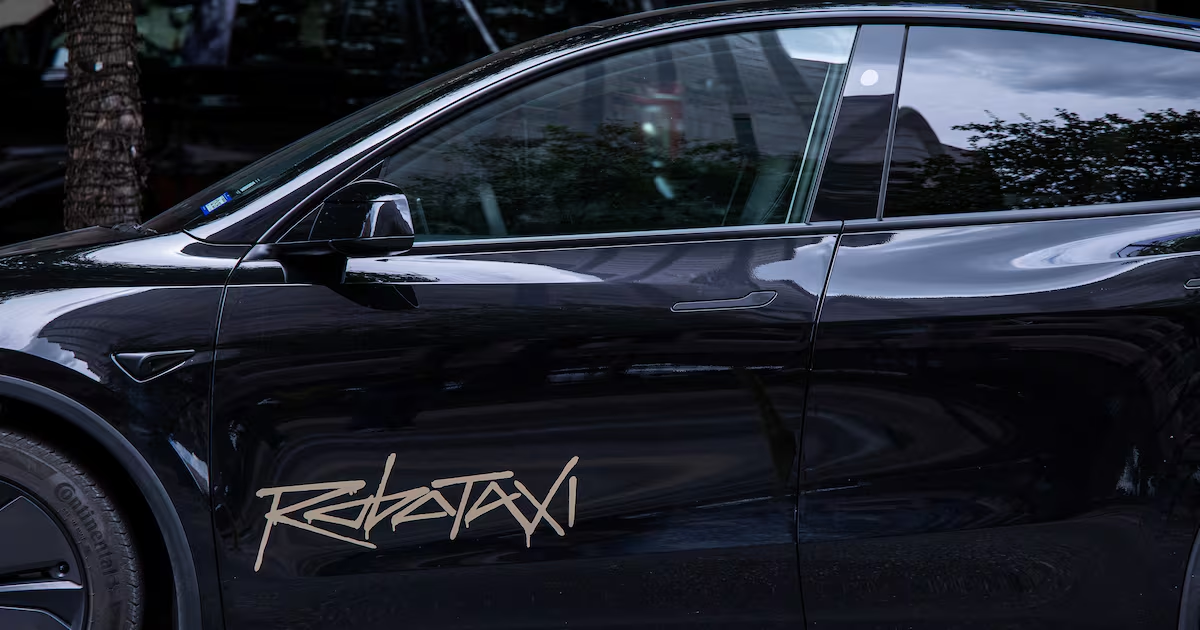
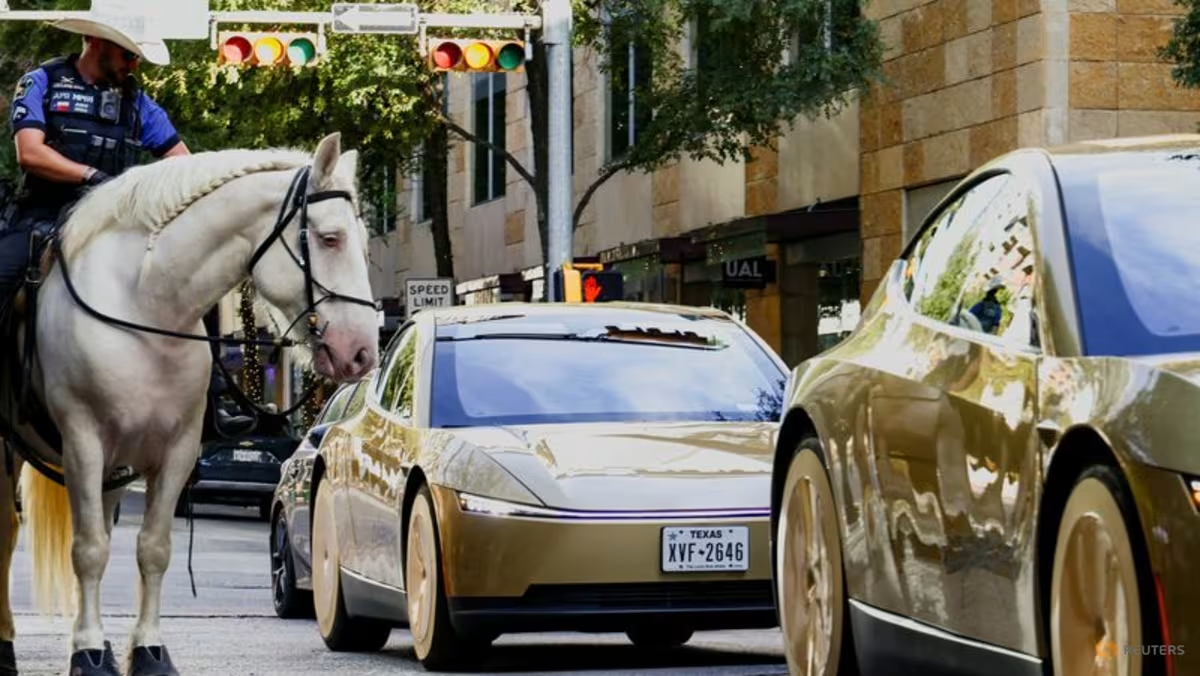
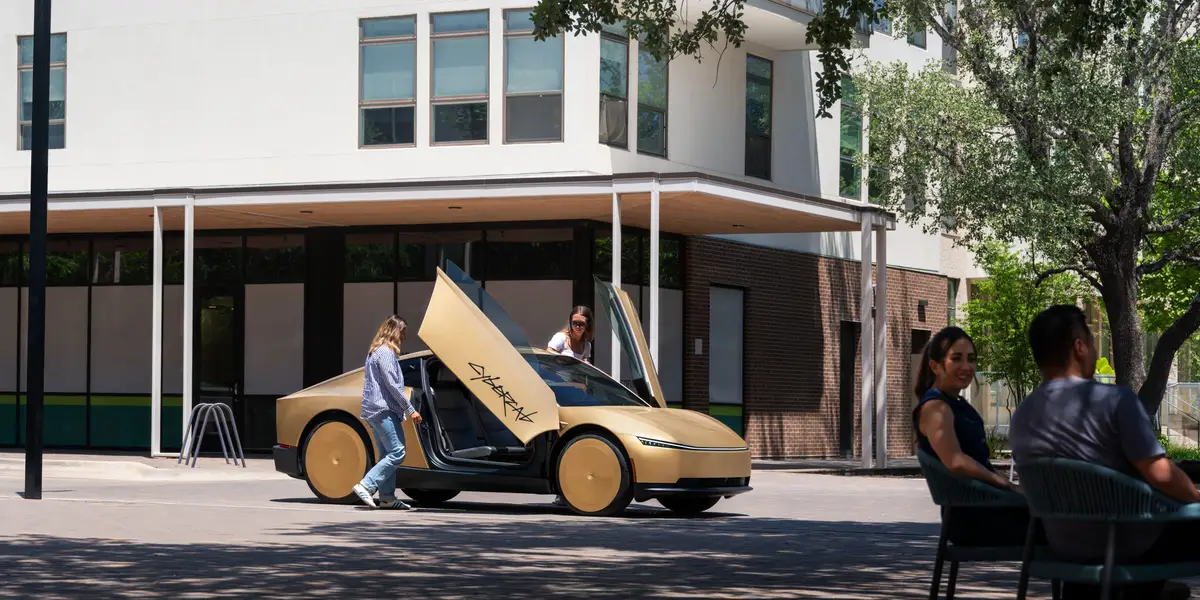
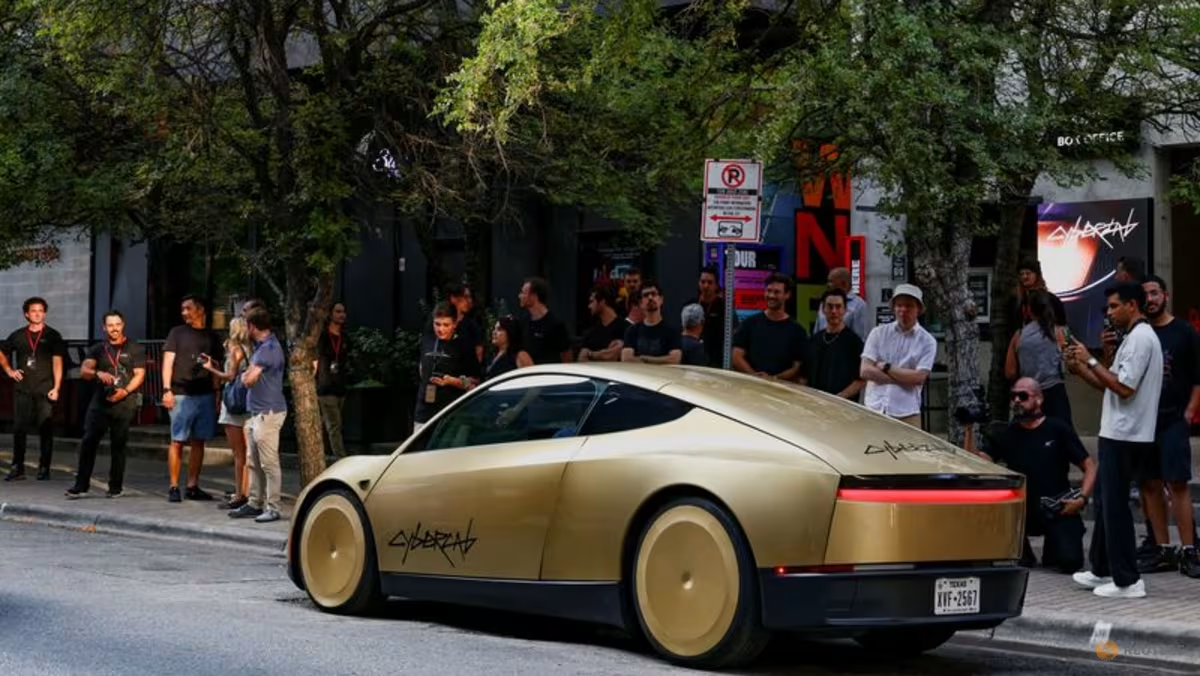
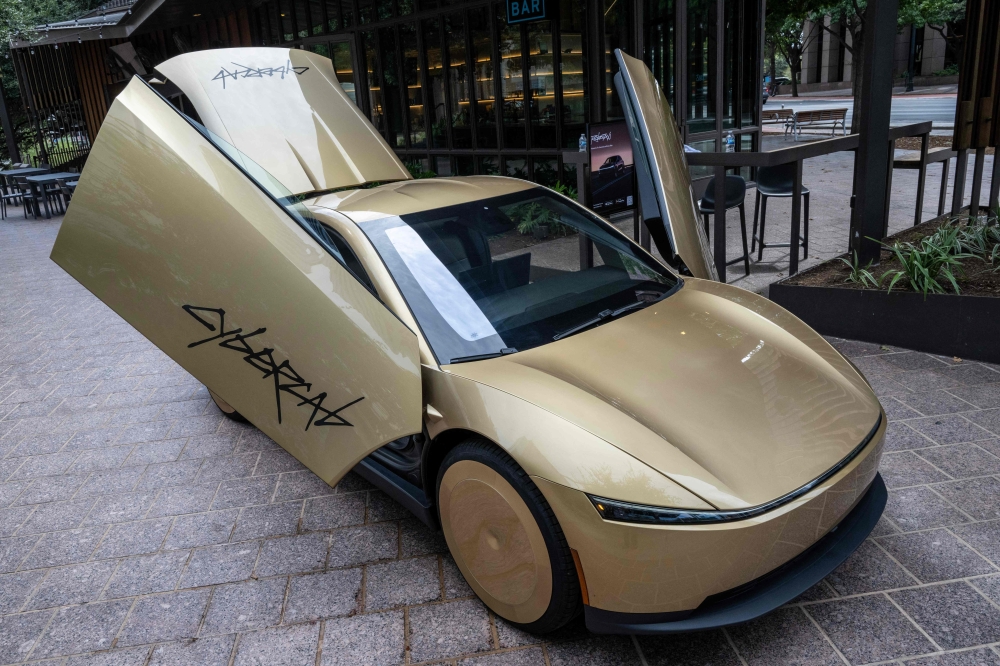
Tesla has finally moved its long-promised robotaxi from concept to pavement. On September 3, the company began offering rides in its two-seat Cybercab within limited parts of Austin, Texas, a vehicle built without a steering wheel or pedals, relying entirely on its self-driving software. The US National Highway Traffic Safety Administration confirmed it is monitoring the rollout, a signal that federal regulators are treating the deployment as more than routine.
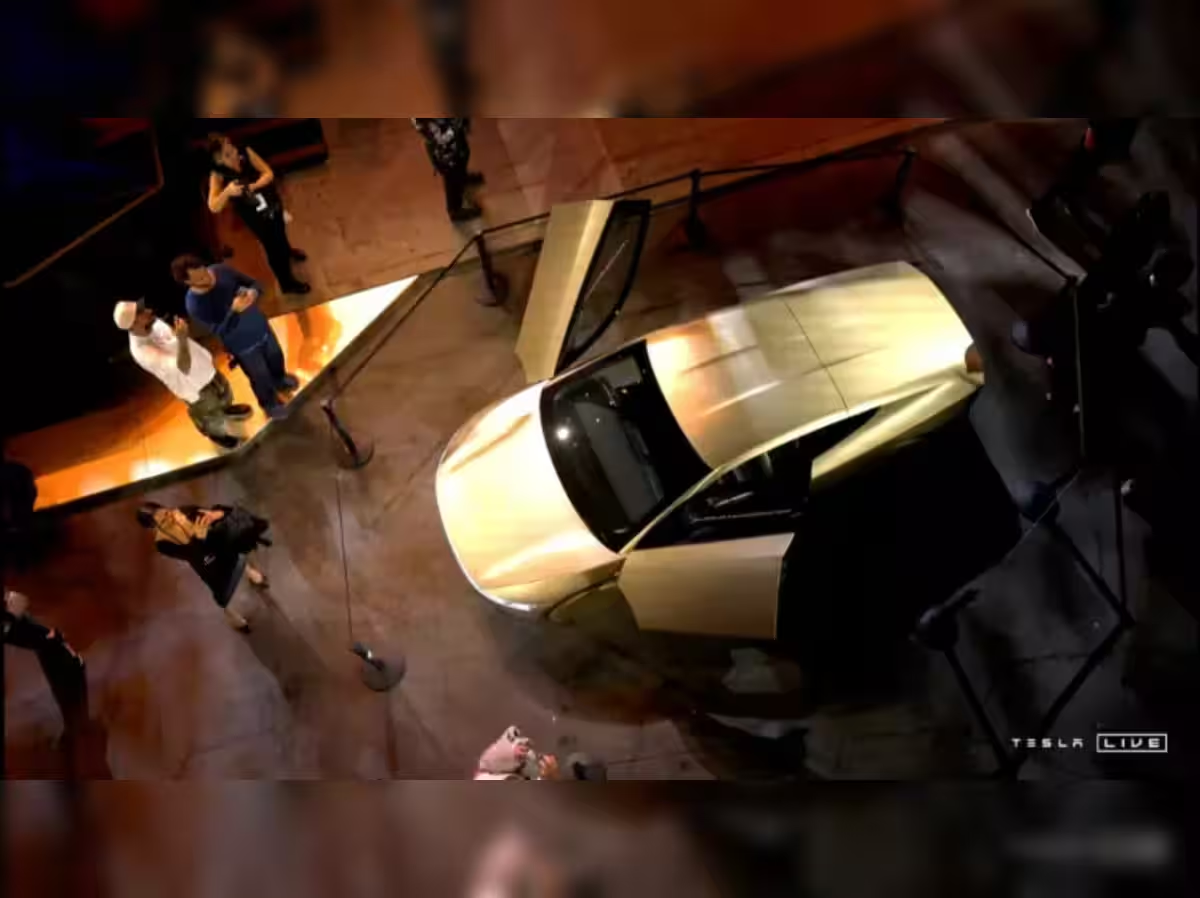
The launch capped weeks of build-up. Tesla had teased the event since late August, running a sweepstakes that offered fans a chance to win an invitation and building anticipation around what it billed as an "Exclusive Access" gathering at its Austin operations. Riders who had logged trips on Tesla's existing Robotaxi service were reportedly prioritized for invites, and the company promised a livestream for those who couldn't attend in person.
Despite the promotion, the event itself was brief. CEO Elon Musk did not appear, and presentations covering pricing, manufacturing, and technology reportedly lasted only about fifteen minutes. Tesla AI chief Ashok Elluswamy told attendees the ride-hailing option would be open to the public, and the company's robotaxi website was updated to note that Cybercab rides were available only in select areas of Austin. Executives described plans for dynamic, demand-based pricing but did not specify when fares would actually begin.