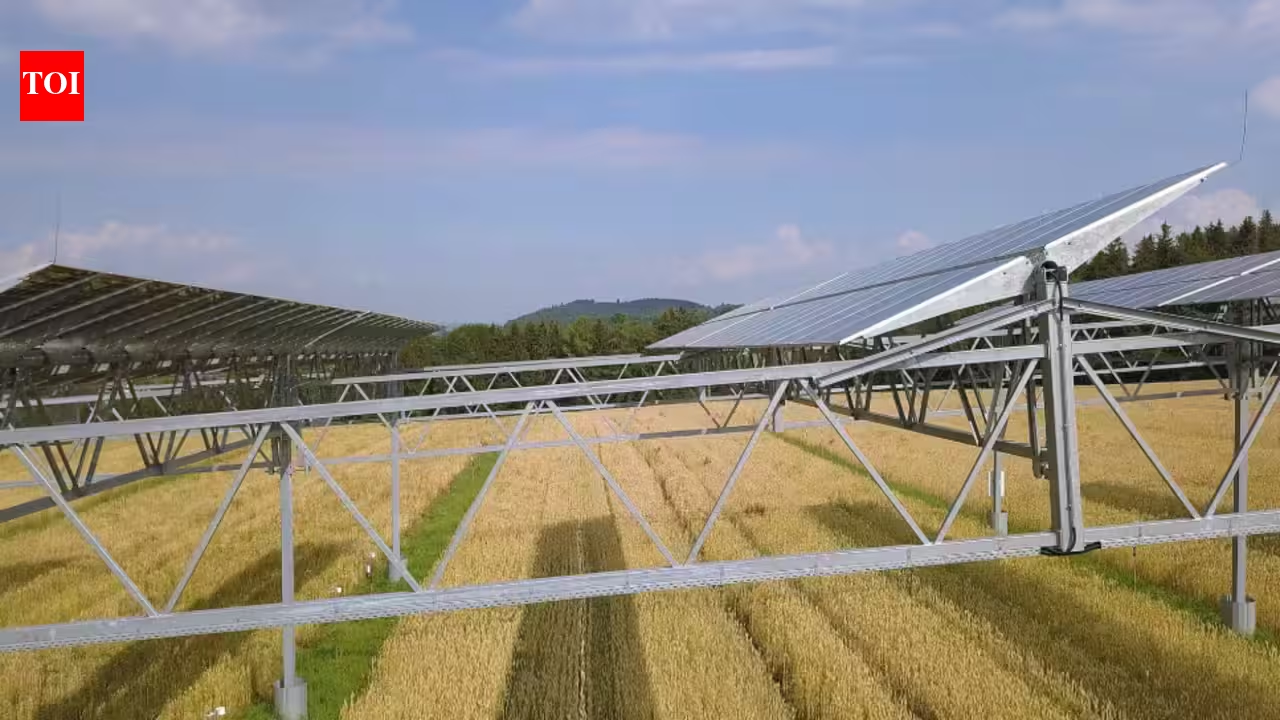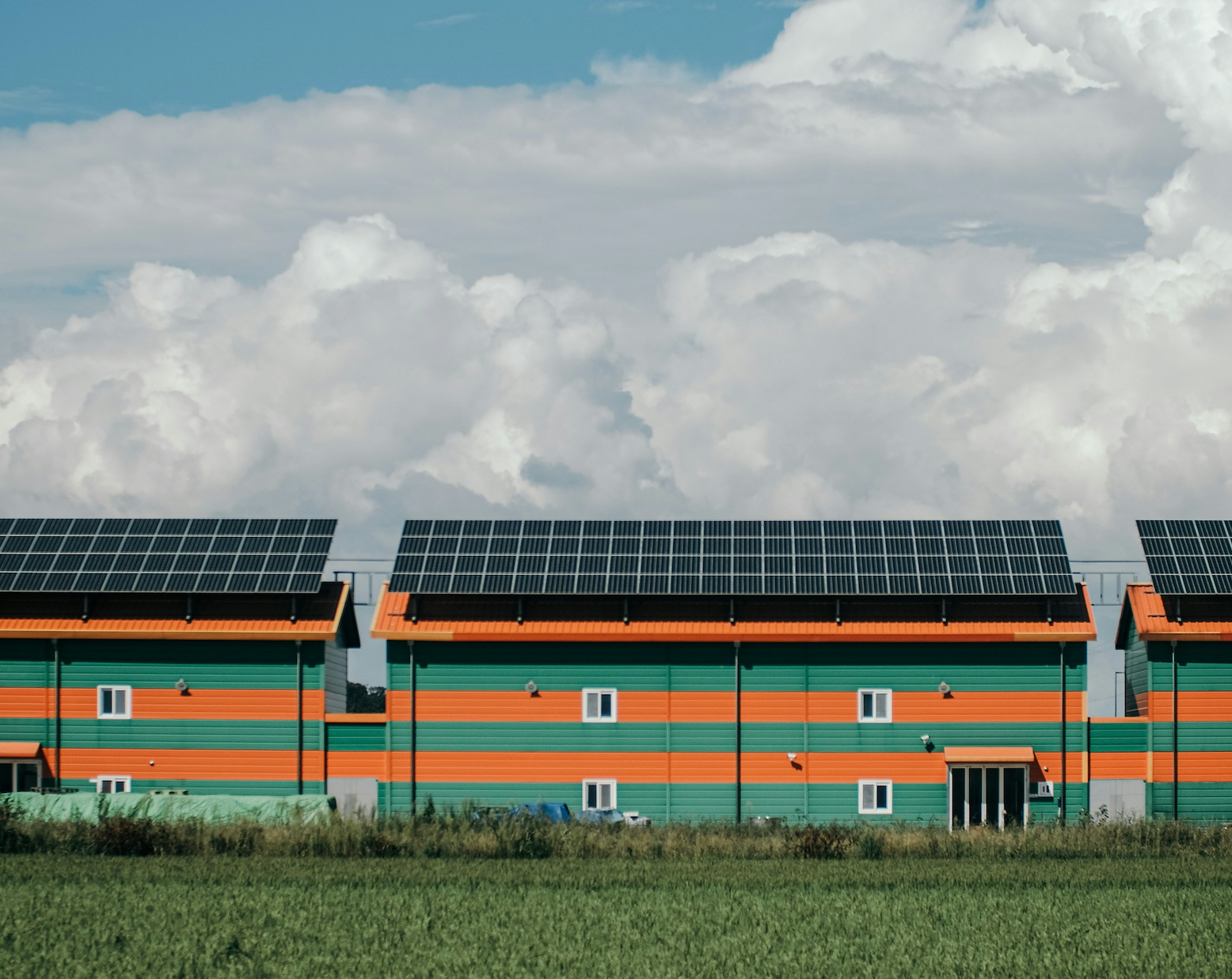
South Korea plans to double government funding for factory rooftop solar and agrivoltaics to KRW 1.8 trillion ($1.3 billion) in 2027, as a new law regulating dual-use solar on farmland takes effect in December.
South Korea’s Ministry of Agriculture, Food and Rural Affairs (MAFRA) has unveiled a 2027 budget proposal that includes expanded support for factory rooftop solar and agrivoltaics, while separate government budget materials indicate related spending will rise to KRW 1.8 trillion.
MAFRA Vice Minister Kim Jong-gu presented the ministry’s 2027 budget proposal of KRW 22.2215 trillion, an increase of KRW 2.0853 trillion, or 10.4% over the 2026 budget, in a briefing following a Sept. 1 Cabinet meeting.
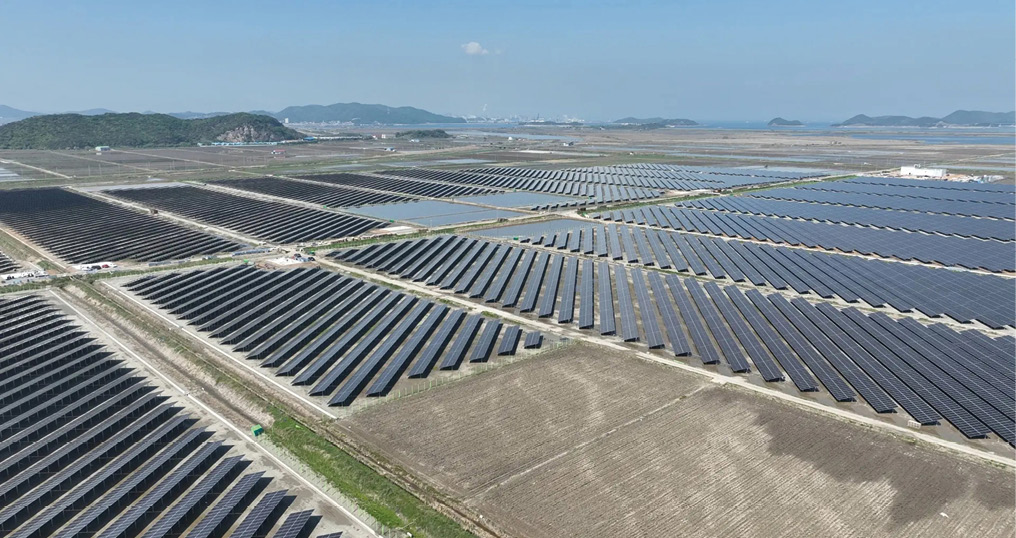
According to associated government budget materials, funding for factory rooftop solar and agrivoltaics is set to rise from KRW 900 billion in 2026 to KRW 1.8 trillion in 2027.
The Solar Income Villages program, under which rural communities form cooperatives to install and operate solar plants on idle local land and share the resulting revenue, is set to expand from 700 to 2,200 villages, alongside a new guarantee scheme for the cooperatives. The same budget materials show KRW 1.4 billion allocated for agrivoltaics education and system-building to help farmers participate in the technology.