The South Korean government says it will require far smaller solar, wind and fuel-cell installations to carry real-time monitoring and remote-control capability from 2027, easing the switch to commercial mobile networks along the way.
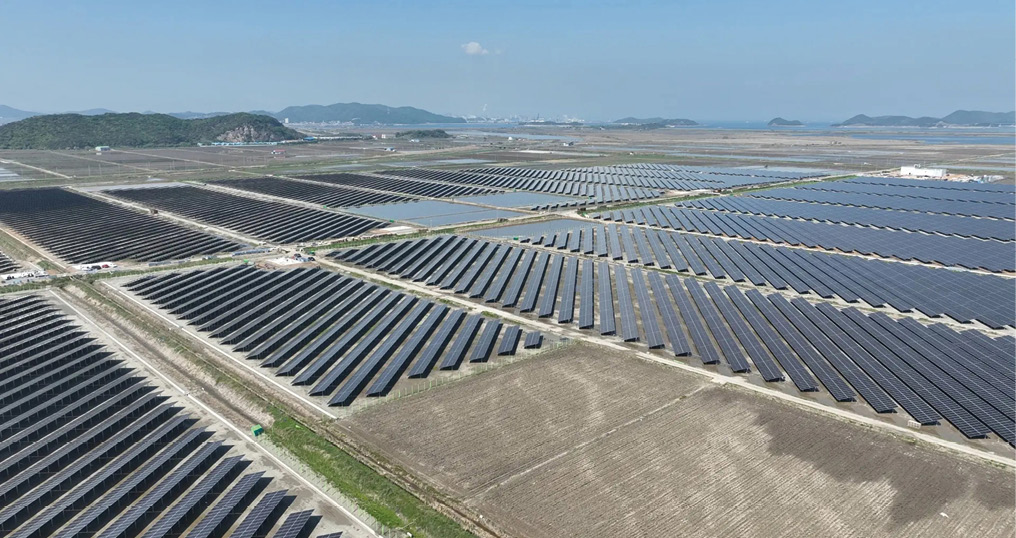
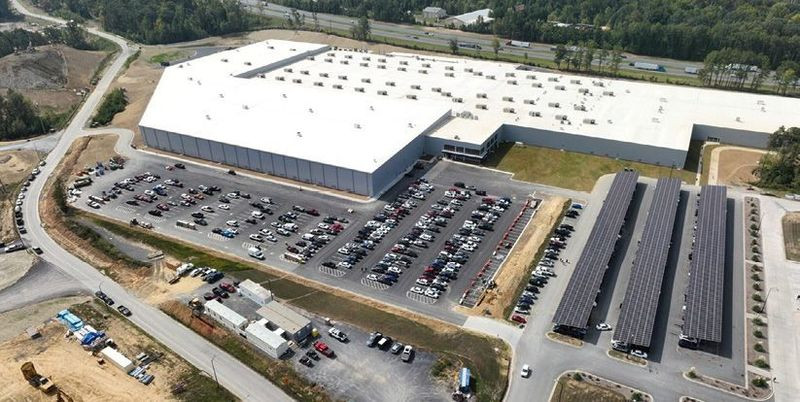
South Korea’s Ministry of Climate, Energy and Environment (MCEE) will require solar, wind, and fuel-cell installations as small as 20 kW to carry real-time monitoring and remote-control capability from 2027. It said the change also eases the switch to commercial mobile networks.
The MCEE said it revised its transmission and distribution regulations on Sept. 4, expanding the equipment mandate to cover business-use and electricity-trading solar, wind and fuel-cell installations of 20 kW or more. The equipment gives operators real-time visibility into output and operating status and allows remote adjustment of generation during voltage spikes or grid faults.
The ministry said generation operators will now be permitted to use commercial 4G LTE mobile networks rather than being required to connect through Korea Electric Power Corp.’s (Kepco) proprietary e-WSN utility communications network. Kepco is South Korea’s national electric utility.
The MCEE estimated the switch will reduce equipment costs from about KRW 4.6 million ($3,420) to about KRW 2 million per installation, a 57% reduction, and cut commissioning time from about 84 days to about 10 days, an 88% reduction.