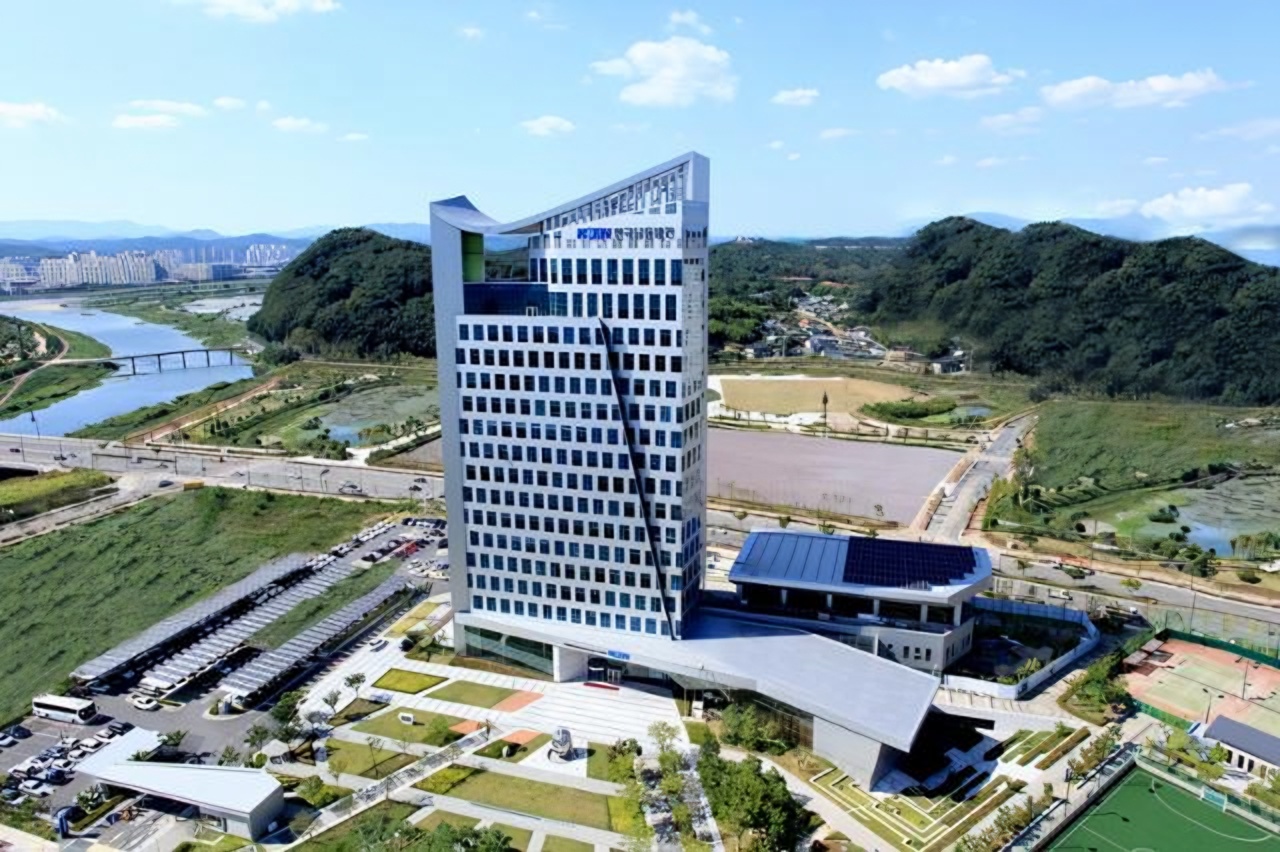
South Korea plans to merge five state-run power generation companies into one as it prepares for growing electricity demand from artificial intelligence (AI), semiconductor factories and data centres. The government says the move will help make the power sector more efficient and improve its ability to meet the country's changing energy needs.The five companies, Korea South-East Power, Korea Midland Power, Korea Western Power, Korea Southern Power and Korea East-West Power, were created as separate companies in 2001 to bring more competition into the power generation industry.The government is now looking to bring them together as demand for electricity rises, particularly from the country's expanding AI and semiconductor industries.Key Highlights South Korea plans power utility merger to meet rising AI and chip demand Five state-run power companies to merge as electricity needs grow in South Korea AI data centres and semiconductor factories drive South Korea’s power demandFive Power Companies to Be CombinedThe proposed merger would bring the five utilities under one organisation. The government expects the move to reduce duplicated work and make it easier to coordinate spending on power generation, renewable energy, research and development, and fuel purchases.At present, each company runs its own operations and investment programmes. Bringing these activities together could allow the new organisation to share resources and make larger investments while cutting some administrative costs.The plan also comes at a time when South Korea is changing how it produces electricity. The government aims to phase out coal-fired power generation by 2040 and increase the use of renewable energy. At the same time, it needs to make sure there is enough reliable electricity for factories and other large users.The merger could give the government more control over how power generation projects are planned and developed. It may also make it easier to coordinate renewable-energy investments and manage the transition away from coal.AI and Chip Factories Drive Power DemandSouth Korea's growing AI and semiconductor industries are putting additional pressure on the country's electricity system. The government is supporting large investments in semiconductor manufacturing and AI infrastructure, including major projects by Samsung Electronics and SK hynix.These facilities need large amounts of electricity and cannot easily tolerate interruptions. Government estimates suggest that new semiconductor clusters and AI data centres could require about 24.7 gigawatts of additional generation capacity. Including the planned Yongin semiconductor cluster, the additional requirement could rise to nearly 40 GW.The increase in expected demand has also led the government to revise its longer-term electricity demand forecasts. South Korea is preparing for higher peak demand as AI services, data centres and advanced manufacturing expand.The government is also looking at investments in electricity networks and other infrastructure needed to support these industries. Strengthening the financial position of major state-owned infrastructure companies is another part of the effort.Also Read: Japan Taxi App GO Keeps Rides Strong Despite Higher FaresFor South Korea, the planned utility merger comes as energy security becomes increasingly important to its technology ambitions. The country is investing heavily in semiconductors and AI, but those industries will need a dependable power supply to grow. The restructuring of the power sector is intended to help South Korea prepare for that challenge while making better use of its existing resources.
South Korea to Merge Five Power Utilities to Meet AI Demand
South Korea plans to merge five state-run power utilities to improve efficiency and meet rising electricity demand from AI and semiconductor industries
530 words~2 min read