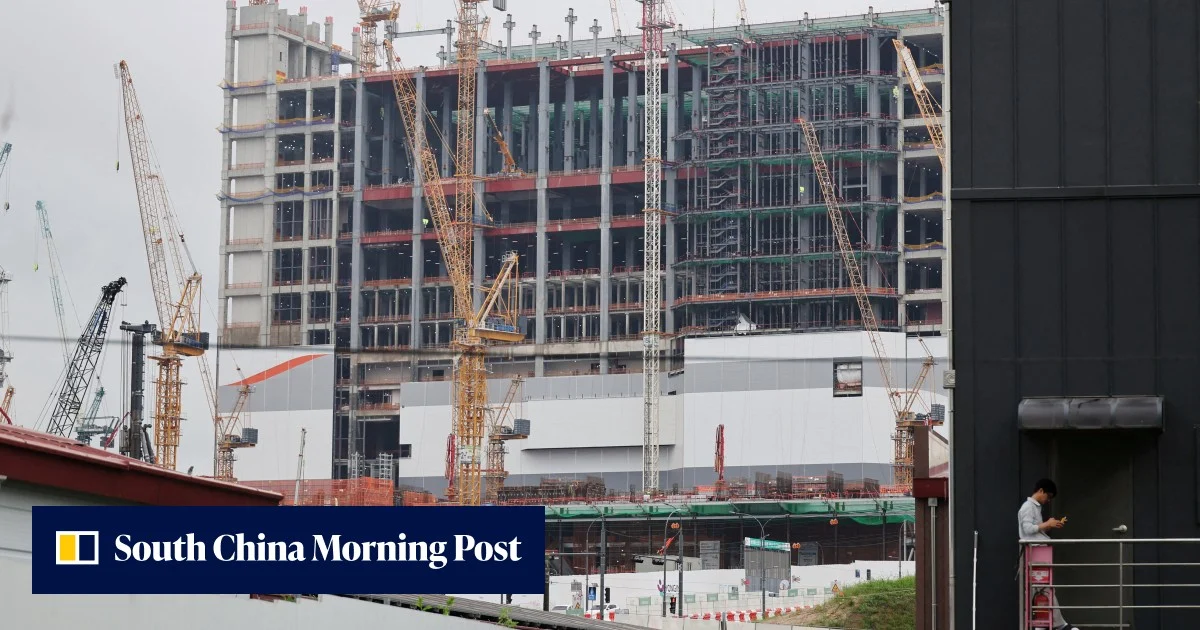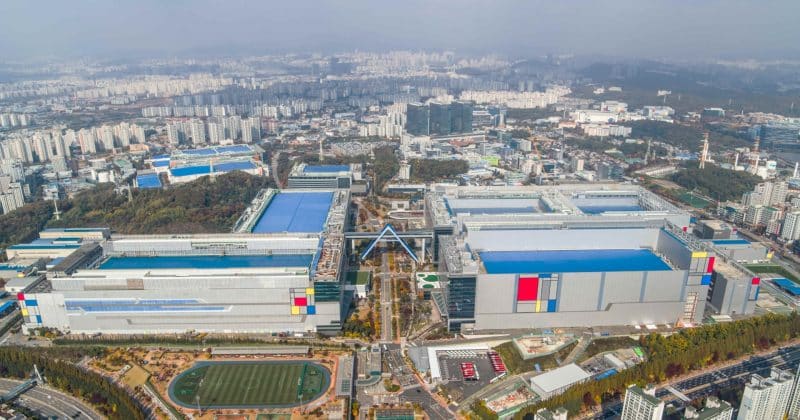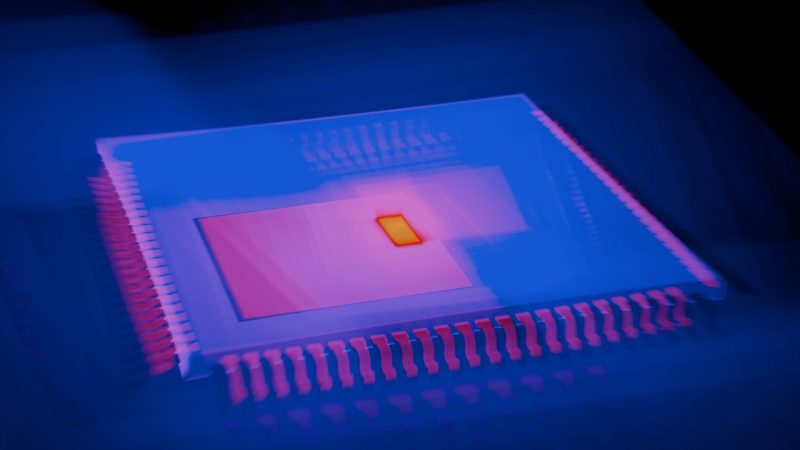
South Korea is preparing to pour 2.6 trillion won into its semiconductor industry as part of a broader 2027 national budget that’s shaping up to be the largest in the country’s history. The allocation is a cornerstone of President Lee Jae Myung’s strategy to turn a temporary boom in chip-related tax revenues into permanent industrial infrastructure.
The overall 2027 budget is projected to exceed 800 trillion won, roughly $530 to $592 billion. That represents a 10-12% jump from the 2026 baseline of 729.9 trillion won, with the budget proposal advancing toward approximately 820 trillion won in total spending as of August 2026.
Windfall economics, Seoul-style
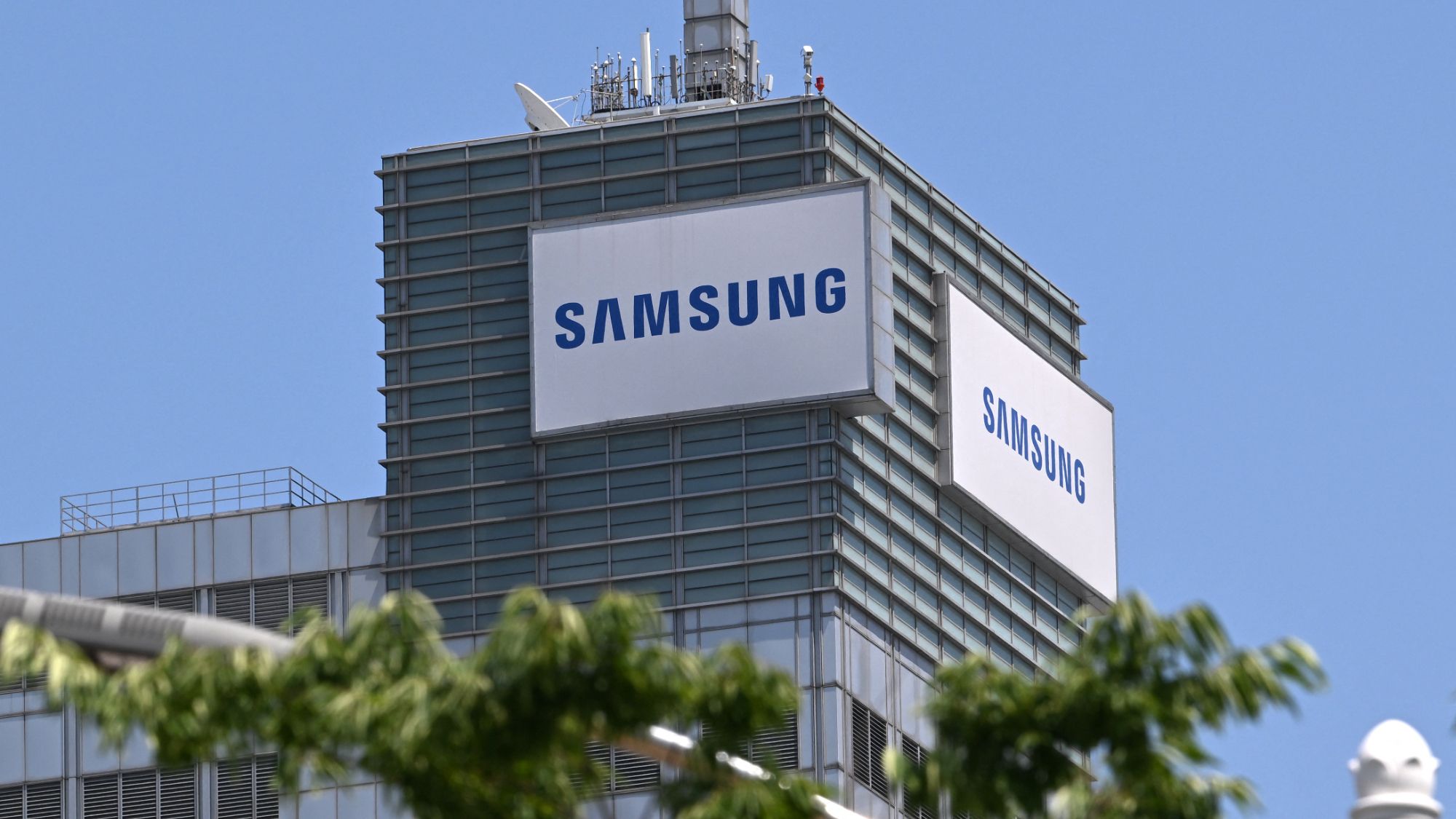
The projected combined operating profits of Samsung and SK Hynix in 2026 exceed 600 trillion won, a figure that has flooded government coffers with revenue that policymakers recognized couldn’t be treated as a permanent baseline.
Their solution is a new mechanism called the “Future Response Fund,” designed to channel excess semiconductor-related tax revenues into long-term growth investments rather than letting them inflate recurring spending commitments. The fund backs three priority areas: semiconductor manufacturing, AI data centers, and what the government is calling “physical AI” projects.