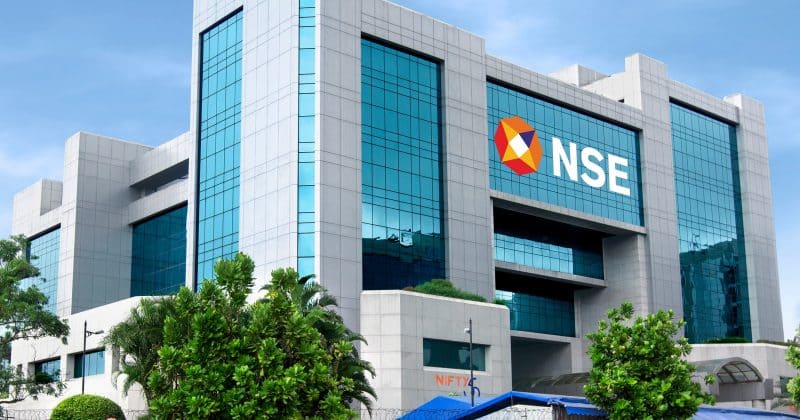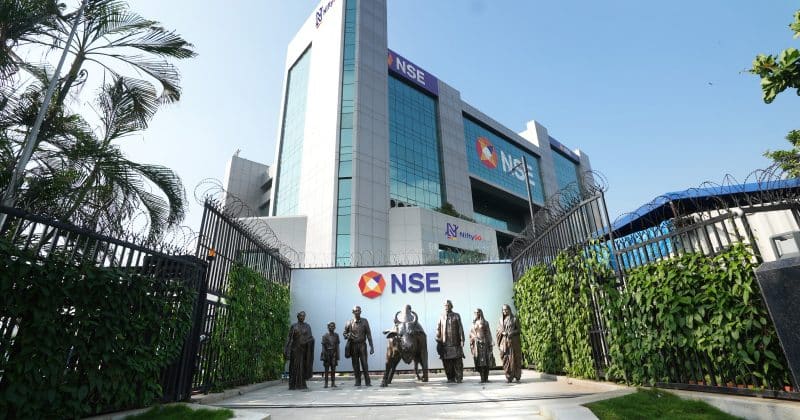
India’s biggest stock exchange is finally going public, roughly a decade after it first tried. The Securities and Exchange Board of India (SEBI) granted clearance on September 4 for the National Stock Exchange of India (NSE) to proceed with an initial public offering projected to raise around ₹30,000 crore, or approximately $3.6 billion.
That would make it the largest IPO in India’s recent history. The exchange carries an unlisted valuation of roughly $55 billion, which would slot it comfortably among the country’s top ten companies by market capitalization.
A decade in the making
NSE first filed its draft red herring prospectus back in December 2016. The long delay wasn’t bureaucratic foot-dragging for its own sake. SEBI had been investigating the exchange over a co-location controversy, where certain traders allegedly received preferential access to NSE’s servers through dark fibre connections. Governance lapses compounded the problem. The exchange eventually settled with the regulator, paying roughly ₹14.91 billion (about $155 million) to resolve the matter.
With those issues finally in the rearview mirror, the regulatory dominoes fell quickly in 2026. SEBI issued a no-objection certificate in January. NSE’s board approved the offer-for-sale structure in February. The exchange filed a fresh DRHP on June 17. And now, the final clearance.