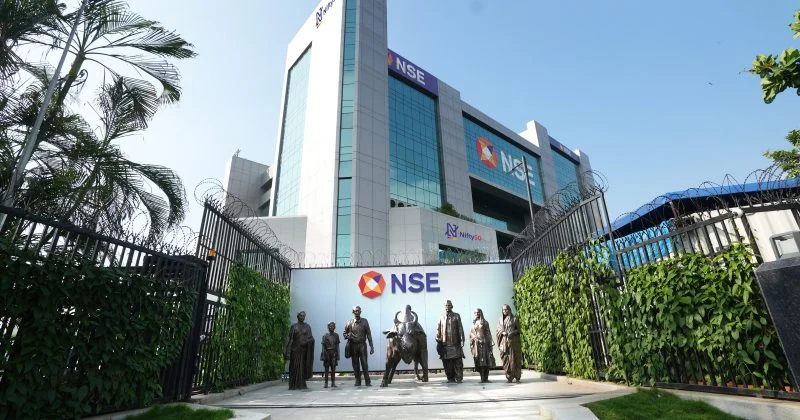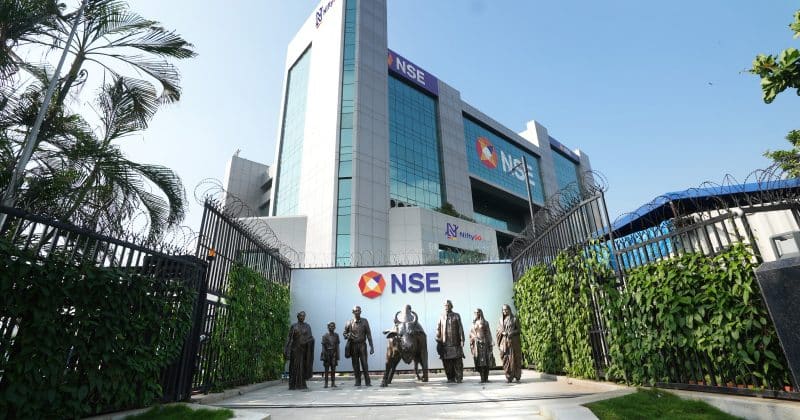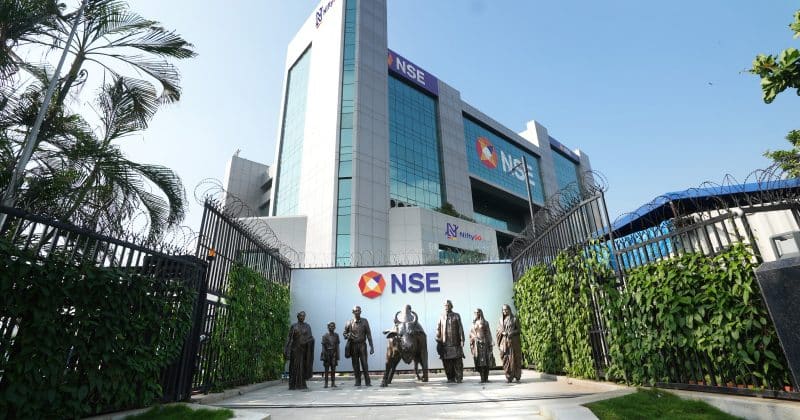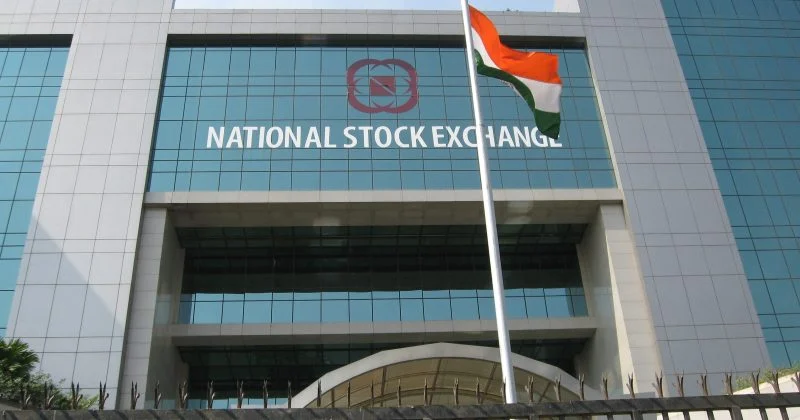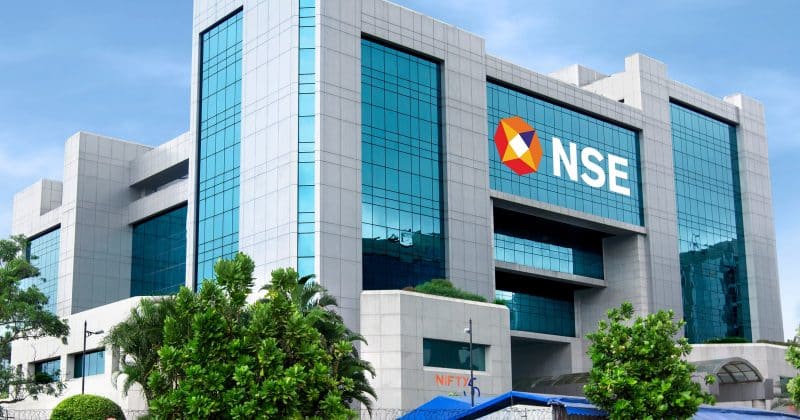
India’s dominant equities venue just made its move. The National Stock Exchange of India (NSE) filed its Draft Red Herring Prospectus with the Securities and Exchange Board of India (SEBI) on June 17, setting the stage for one of the country’s largest public offerings in more than half a decade.
The IPO is structured as a 100% Offer for Sale of approximately 148.9 million equity shares, representing around 6% of total equity. The estimated issue size sits at roughly 30,000 crore rupees, which translates to approximately $3.5B. No fresh capital will be raised for the exchange itself. This is purely existing shareholders cashing in their chips.
Who’s selling, and why it matters
The list of sellers reads like a who’s-who of institutional finance. The State Bank of India, the country’s largest lender, holds the biggest stake being offloaded. Canada Pension Plan Investment Board, Morgan Stanley, and New India Assurance round out the marquee names heading for the exit.
For a venue that ranks as the world’s fifth-largest stock exchange by market capitalization, with over $5 trillion in listed companies as of mid-2024 data, this is less a fire sale and more of a graduation ceremony.