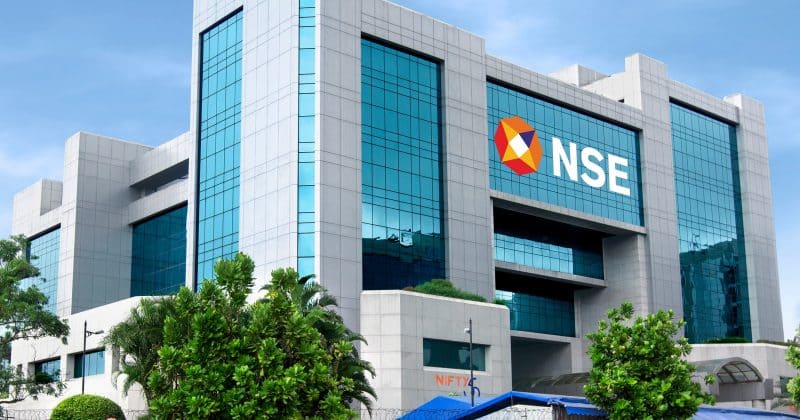
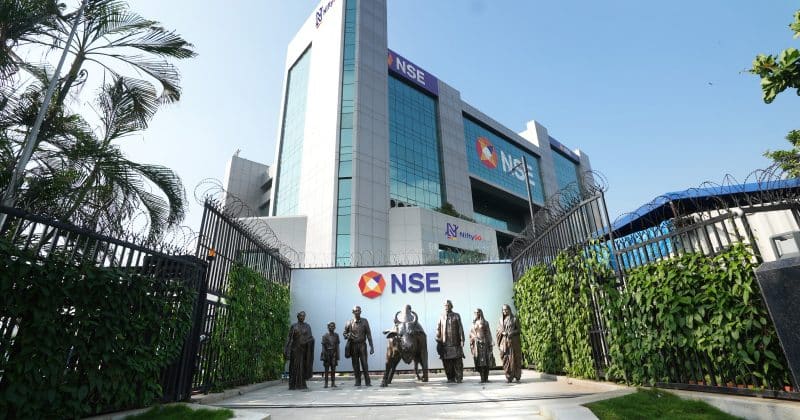
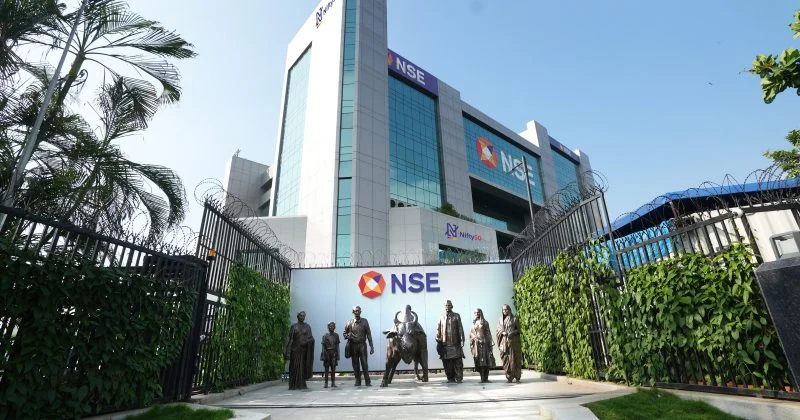
The National Stock Exchange of India, the world’s largest derivatives exchange by volume, finally has a green light for its initial public offering. After nearly a decade of regulatory roadblocks, India’s Securities and Exchange Board (SEBI) approved NSE’s long-awaited IPO on September 4, with a targeted listing in the week of September 21.
The offering is expected to raise approximately ₹30,000 crore, or about $3.6 billion, making it one of the largest IPOs in Indian market history.
How the deal is structured
NSE’s IPO is structured entirely as an offer-for-sale, meaning existing shareholders are selling their stakes rather than the company issuing new equity. Up to 14.89 crore shares are on the block, representing roughly 6% of the exchange’s paid-up capital.
SBI Group is the largest seller in the offering, putting up approximately 2.48 crore shares. The book-building process is expected to kick off around September 11, with the price band announcement anticipated by September 15.