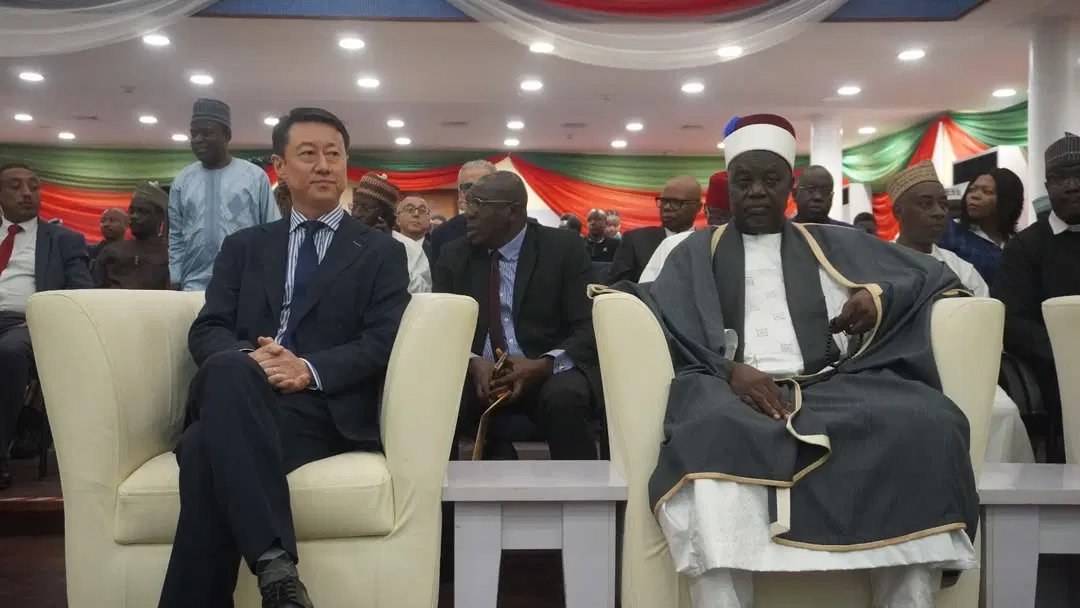
China’s decision to grant duty-free access to its vast market to 53 African countries has opened a new front in the continent’s long-running struggle to break out of the commodity trap. For Nigeria, Africa’s largest economy and most populous nation, the opportunity comes with a sharper political question: can Abuja convert preferential access to one of the world’s biggest consumer markets into factories, jobs, technology and value-added exports, or will the country remain largely a supplier of raw materials to Chinese industry? That question took centre stage in Abuja at an international seminar on China’s zero-tariff treatment for African countries, where Chinese diplomats and senior Nigerian officials offered converging but subtly different prescriptions on how the historic opening should reshape Nigeria-Africa-China economic relations, Michael Olugbode reports.
China has opened its vast consumer market to 53 African countries, but for Nigeria, the real significance of the initiative lies not in the tariff concession itself, but in what the country does with it.
The political question now confronting Abuja is straightforward: can Nigeria turn preferential access to China’s 1.4 billion-consumer market into factories, jobs, technology, value-added exports and a fundamental restructuring of its economy?