HomeAI · summaries
Storia in 2 fonti
Will China’s Zero-tariff Regime Inspire Nigeria to Build Factories, Create Jobs?
China’s decision to grant duty-free access to its vast market to 53 African countries has opened a new front in the continent’s long-running struggle to break out of the commodity trap. For Nigeria, Africa’s largest economy and most populous nation, the opportunity comes with a sharper political question: can Abuja convert preferential access to one of the world’s biggest consumer markets into factories, jobs, technology and value-added exports, or will the country remain largely a supplier of raw materials to Chinese industry? That question took centre stage in Abuja at an international seminar on China’s zero-tariff treatment for African countries, where Chinese diplomats and senior Nigerian officials offered converging but subtly different prescriptions on how the historic opening should reshape Nigeria-Africa-China economic relations, Michael Olugbode reports.
Confronto fonti
2 prospettive sulla stessa storiaTimeline cronologica
- ·
thisdaylive.com

Will China’s Zero-tariff Regime Inspire Nigeria to Build Factories, Create Jobs?
China’s decision to grant duty-free access to its vast market to 53 African countries has opened a new front in the continent’s long-running struggle to break out of the commodity…
- ·
businessday.ng
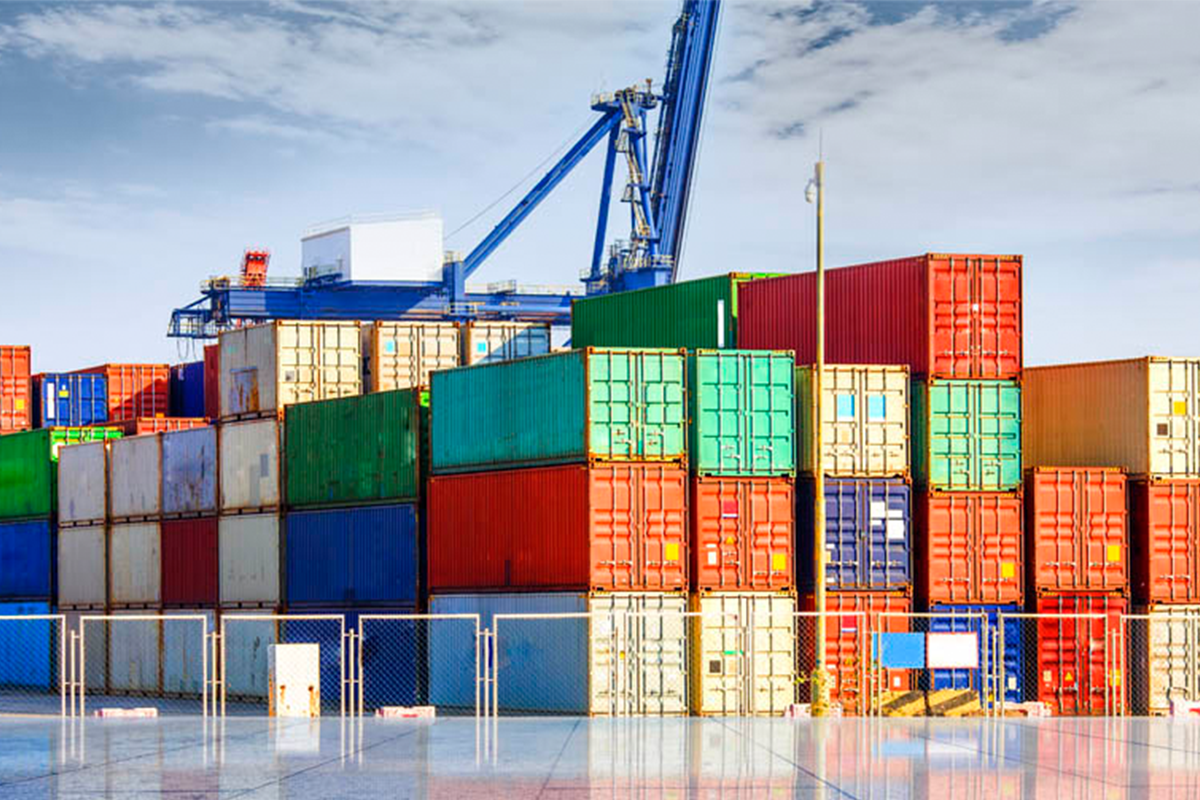
China’s 81% trade surge and the case for a U.S.–Nigeria commercial reset - Businessday NG
China trade surge: In the first half of 2026, Chinese imports from Nigeria reached approximately $2.25bn, an 81% increase year-on-year...