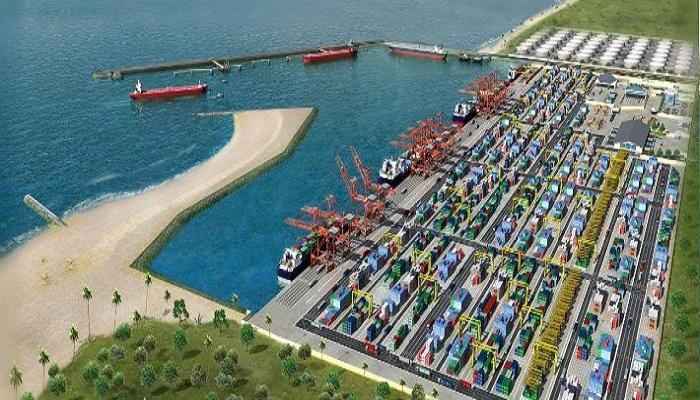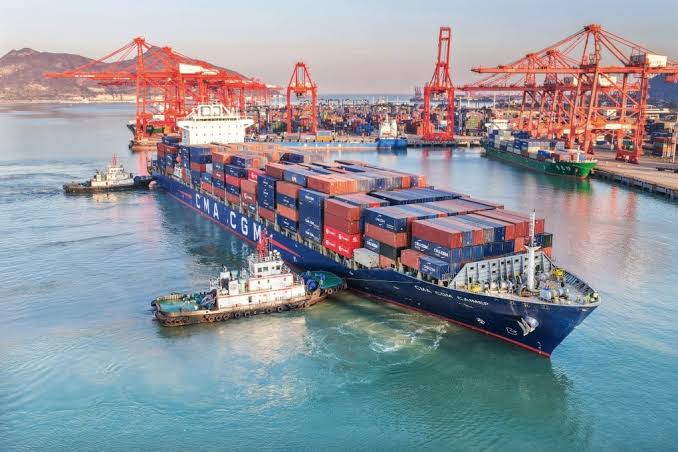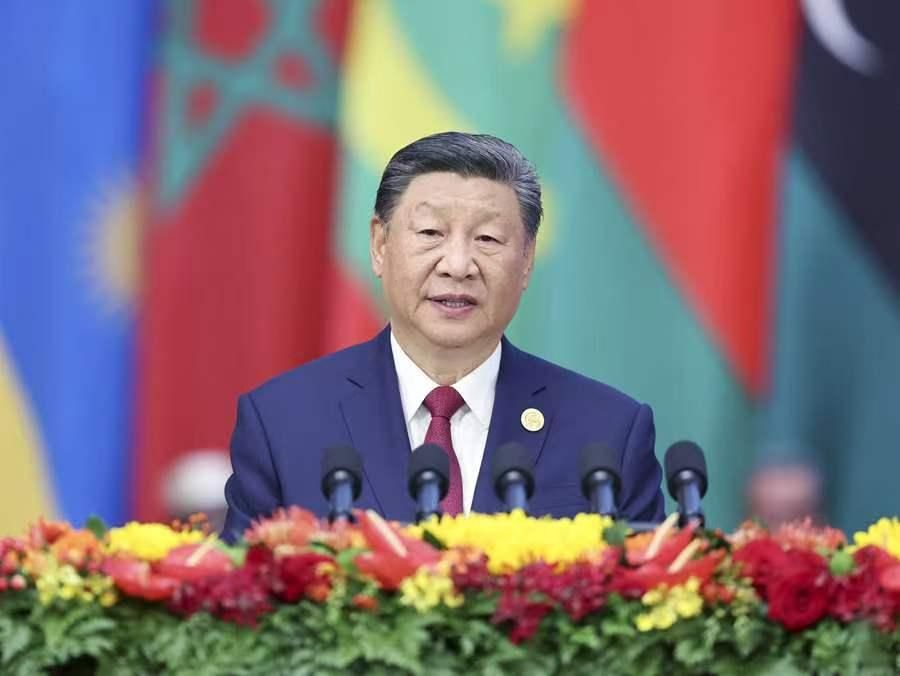
There are moments in international trade when a policy announcement is much bigger than the headline suggests. China’s decision to extend zero-tariff treatment to products from 53 African countries is one of them.
Effective May 1, 2026, China began granting zero-tariff access across 100 per cent of tariff lines to African countries with which it maintains diplomatic relations. Nigeria is among the beneficiaries. For the 20 African countries that are not classified as least-developed countries, including Nigeria, the arrangement currently operates as a two-year preferential measure. At the same time, China promotes longer-term Economic Partnership Agreements for Shared Development.
China is one of the world’s largest consumer markets. By eliminating import tariffs on African products, Beijing has reduced one of the costs that previously made African exports less competitive. The potential beneficiaries are numerous: cocoa from West Africa, coffee and avocados from Kenya, citrus from South Africa, textiles, manufactured goods and a wide range of agricultural and industrial products. Some of these products previously faced Chinese tariffs of between eight and 30 per cent.
For Nigeria, this presents an opportunity that should not be treated as ordinary diplomacy. Nigeria possesses enormous agricultural and mineral resources. It produces cocoa, sesame, cashew, ginger, hibiscus, leather, cotton and numerous other commodities. It also possesses oil, gas and solid minerals. But our historical weakness has been painfully obvious: we have been better at producing commodities – exporting them raw – than at transforming them.