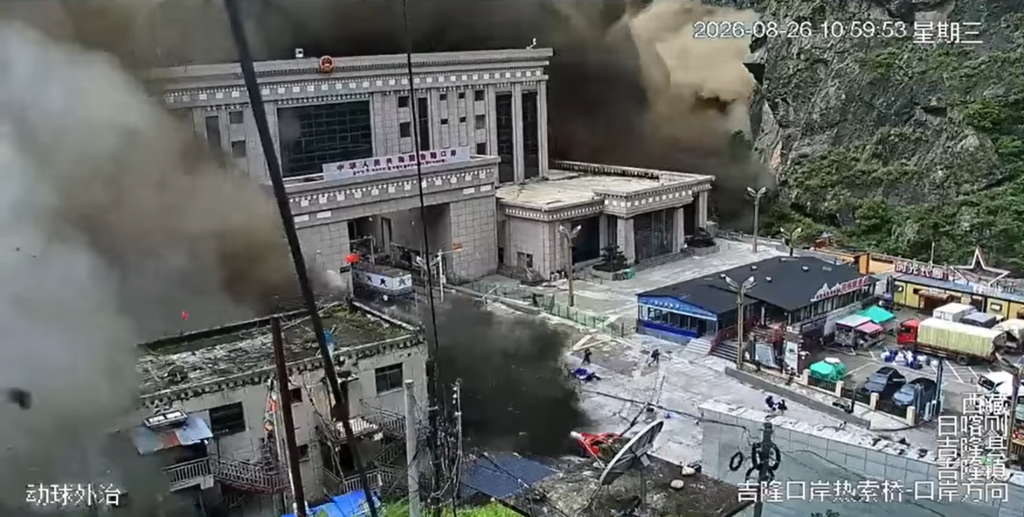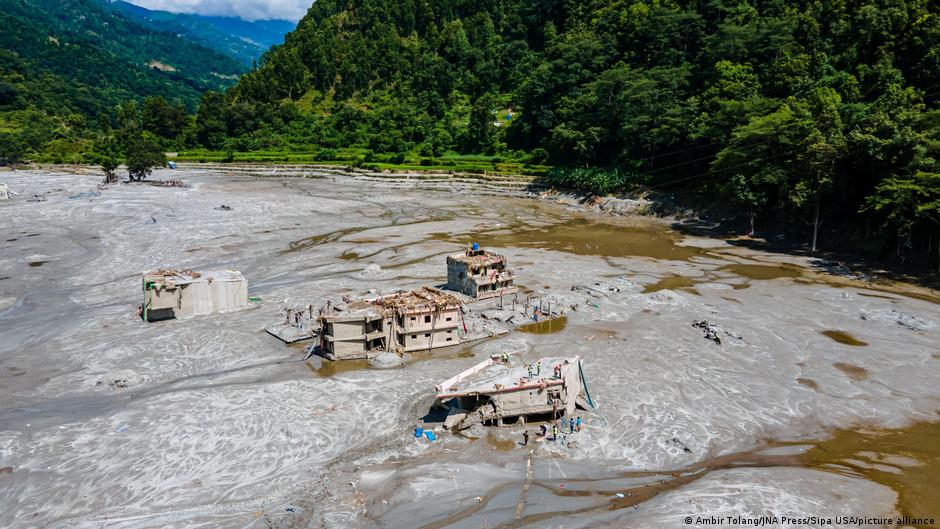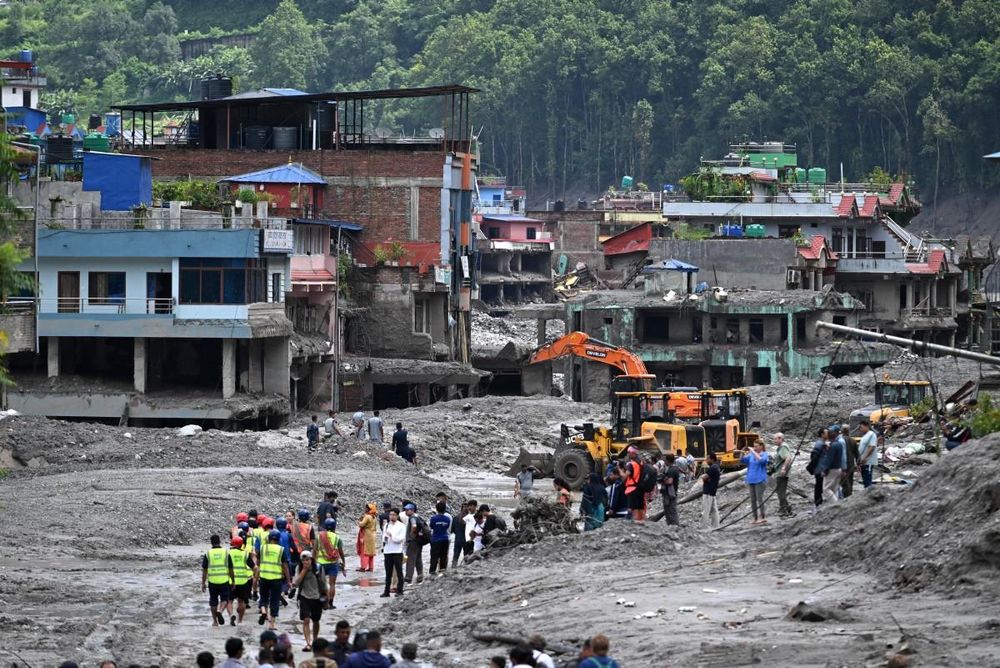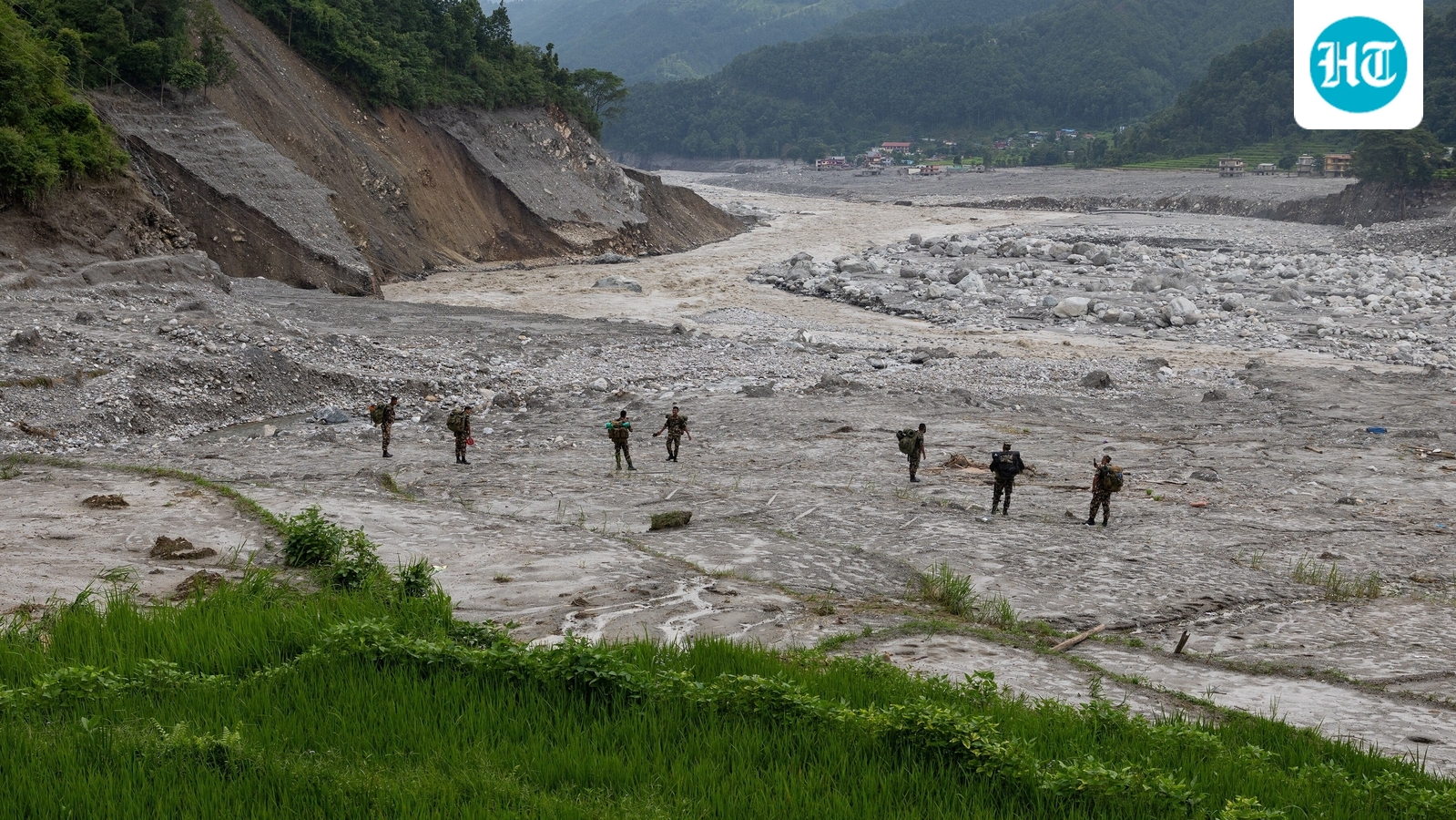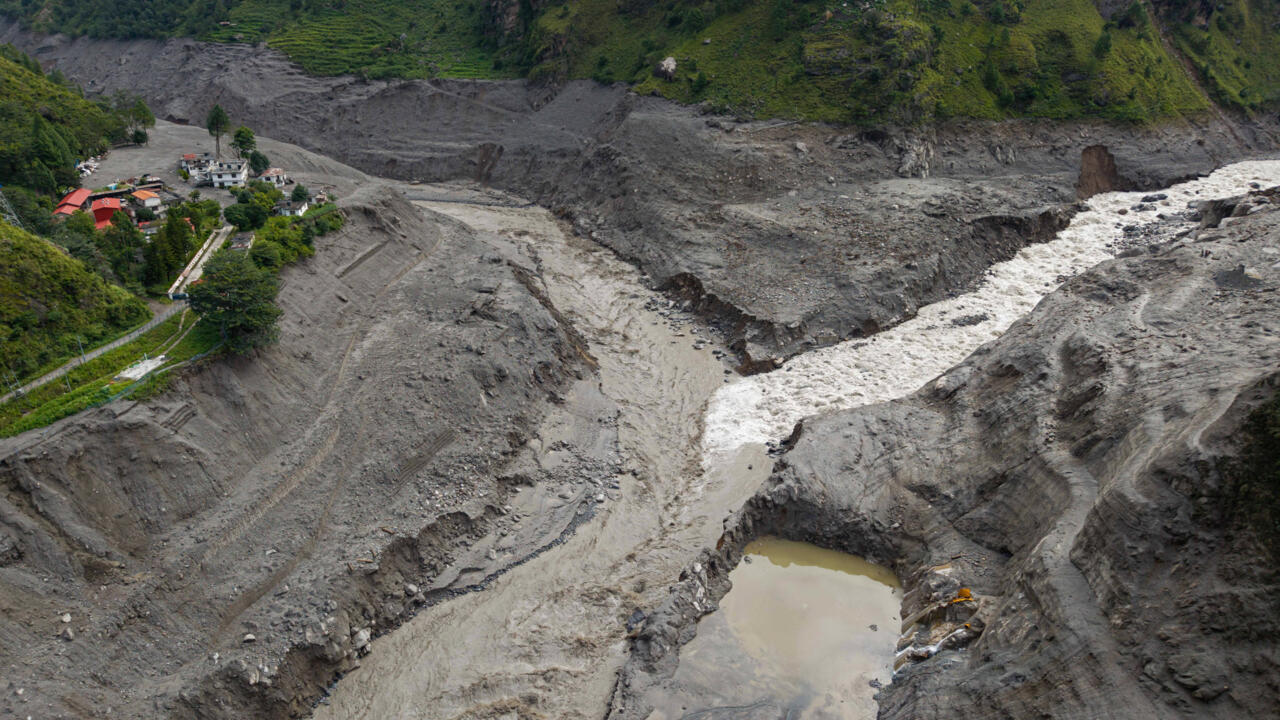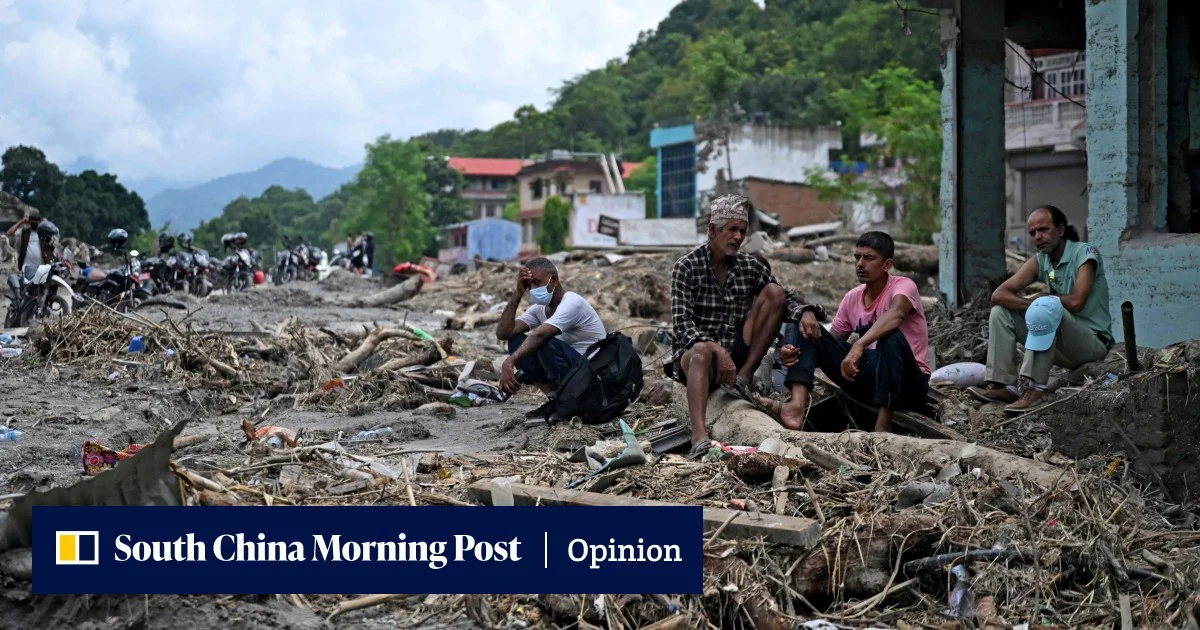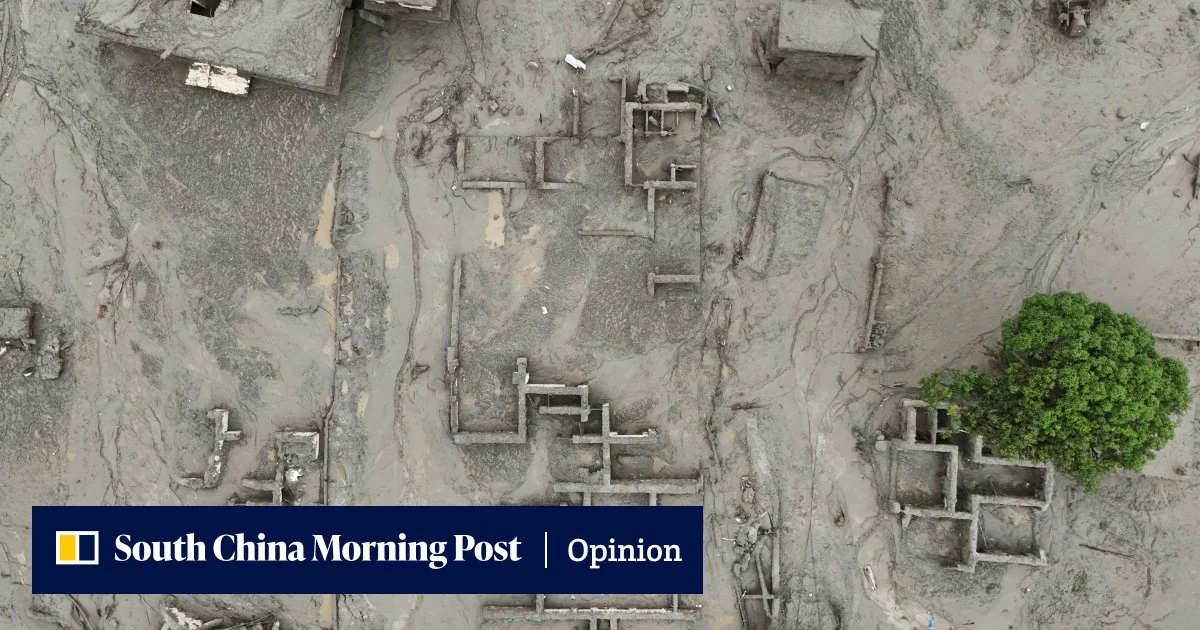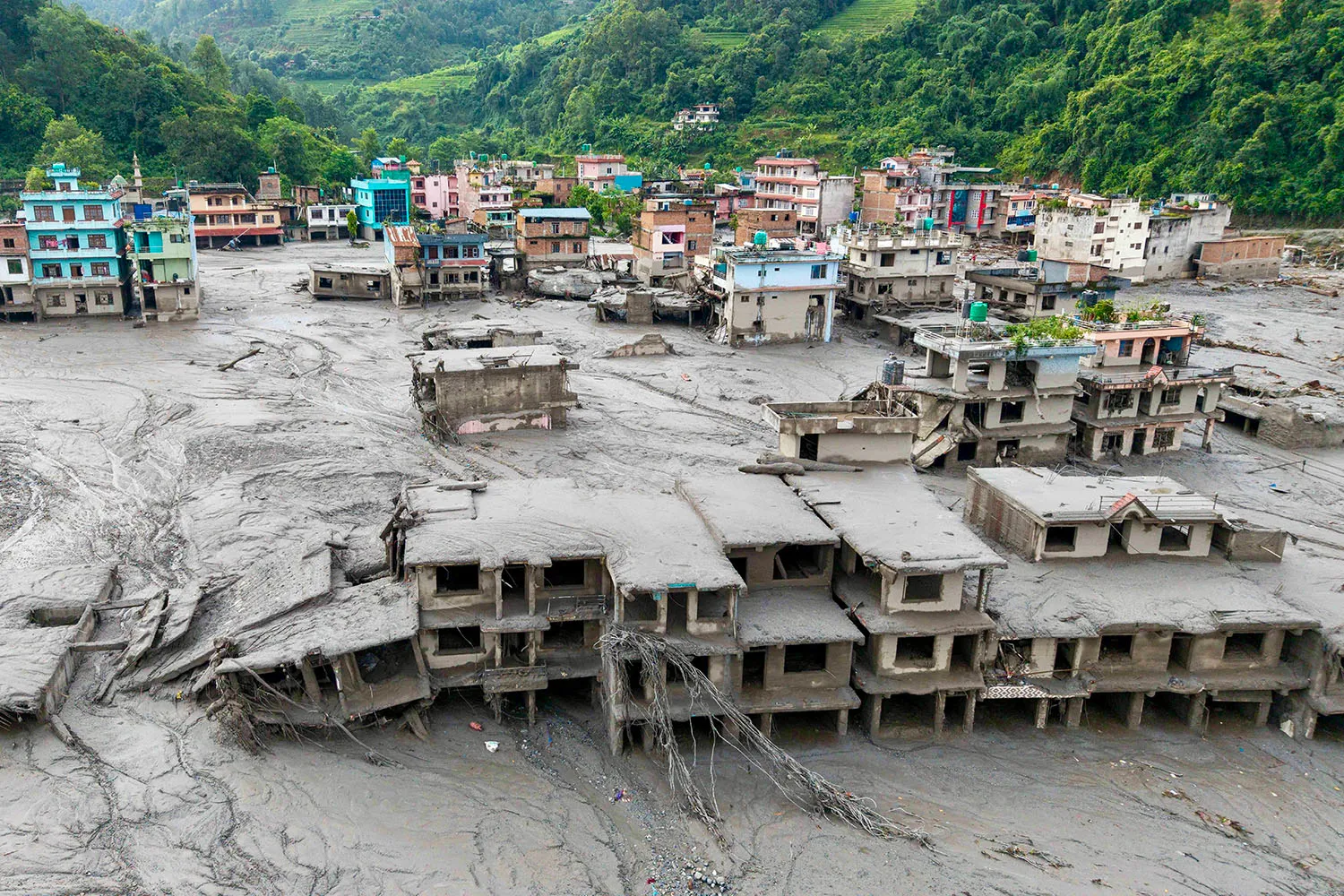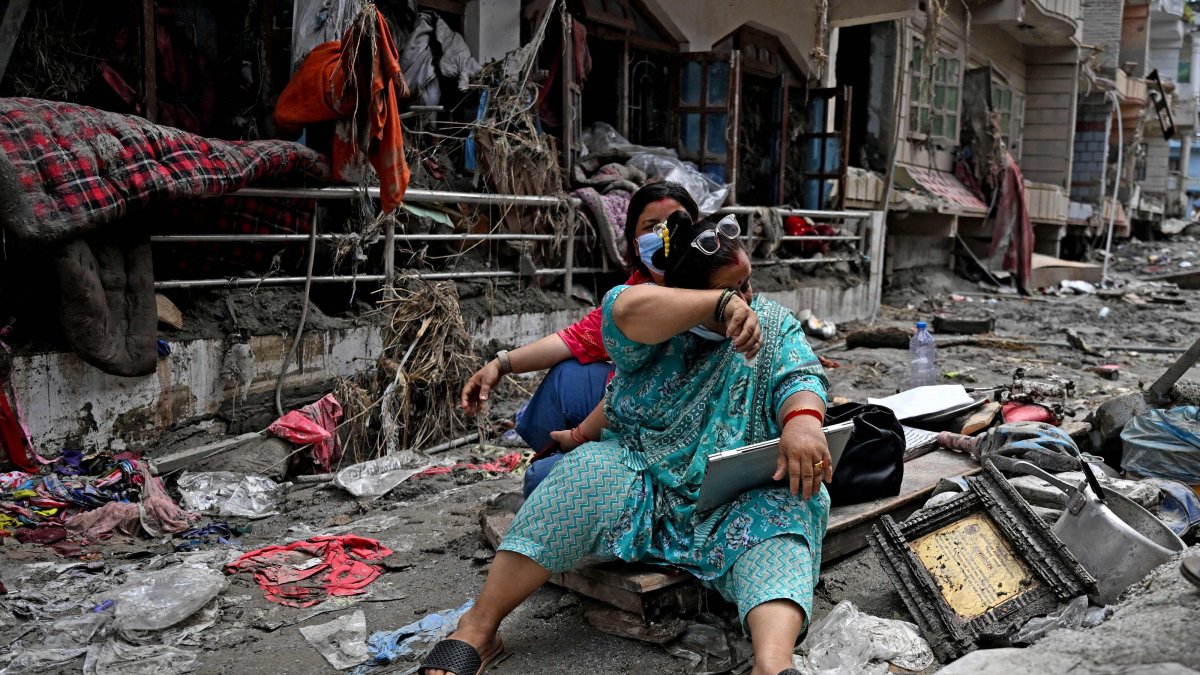
The footage of the avalanche that triggered devastating floods along Nepal’s Bhotekoshi and Trishuli rivers near the China-Nepal border on August 26 is deeply sobering. The road, bridges, customs, and immigration office with China, and the entire settlement and traditional bazaar along the riverbank, were wiped out in a moment.
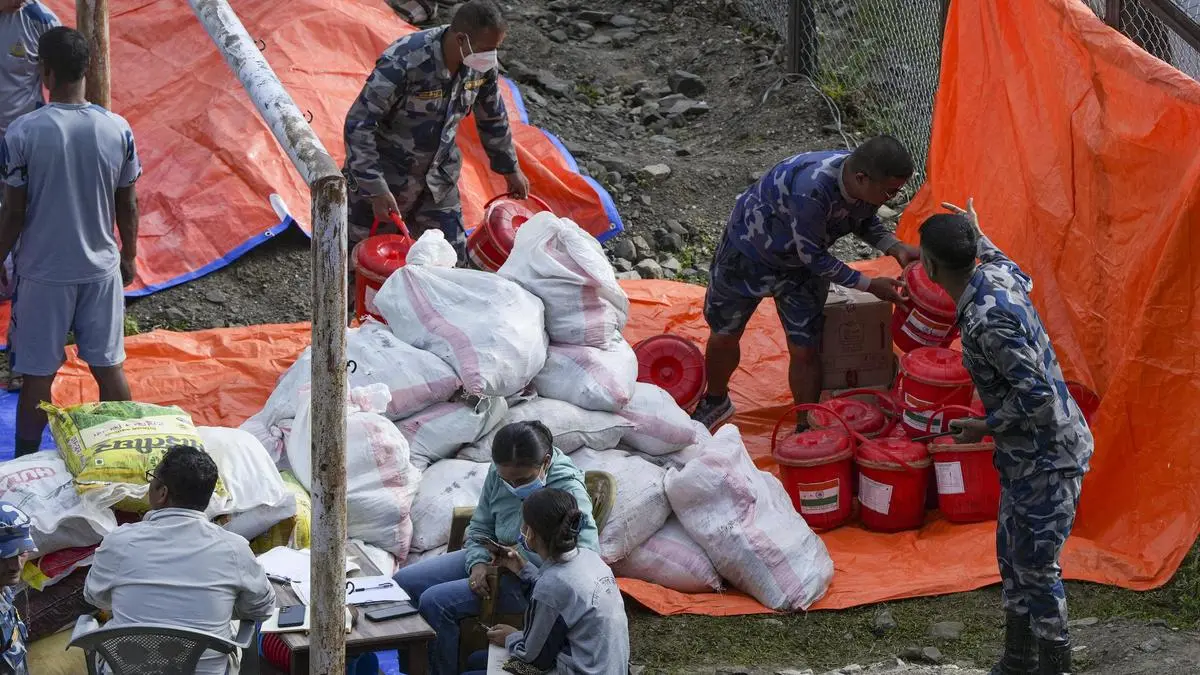
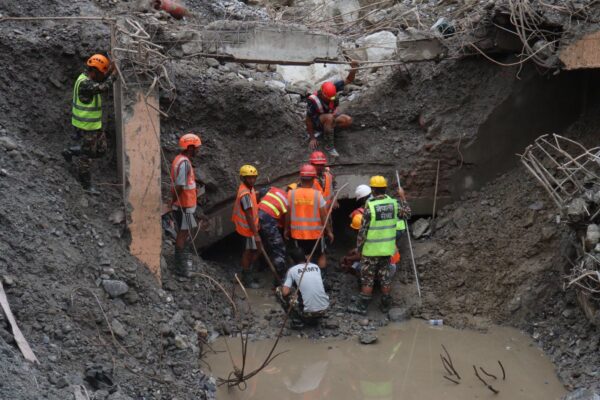
In the wake of the flood, the Nepali government deployed security forces, including the Nepal Army, Nepal Police, and Armed Police Force, as first responders. Nepal has put more than 20,000 security personal into responding to the disaster, possibly the largest such deployment since the aftermath of the 2015 earthquake. The collapse of local and provincial governments and the inaccessibility of flood-affected areas prompted the government to rely on the security forces at a desperate moment.
The use of security forces in disaster response is not new in Nepal. Security forces often get involved, ranging from rescue and relief operations to rehabilitation activities. The Nepali Constitution 2015 (2072 BS) enshrined a provision for deploying the military in national crises arising from disasters and development projects. The National Security Policy (2016) also considers climate change and the environment as part of the national interest.