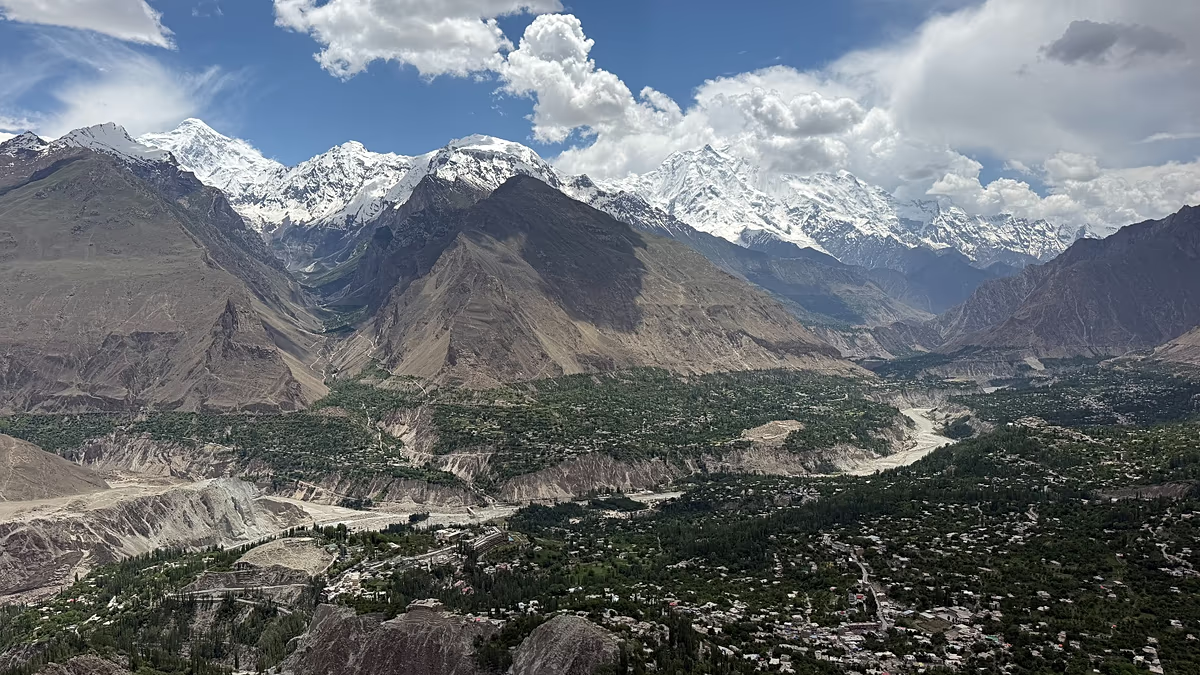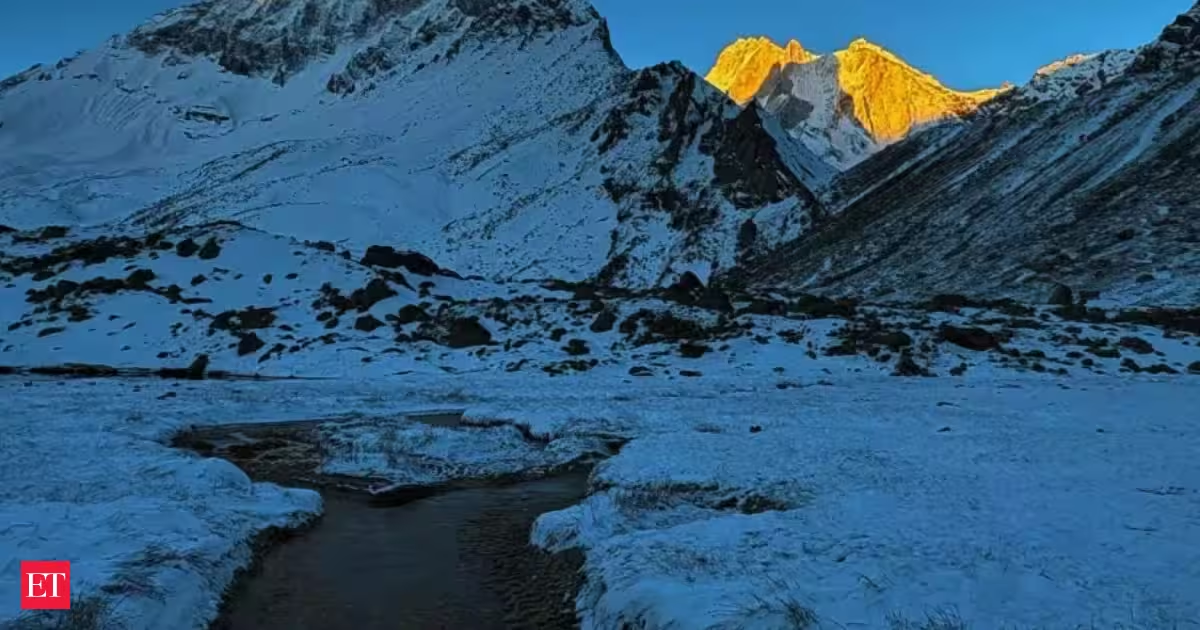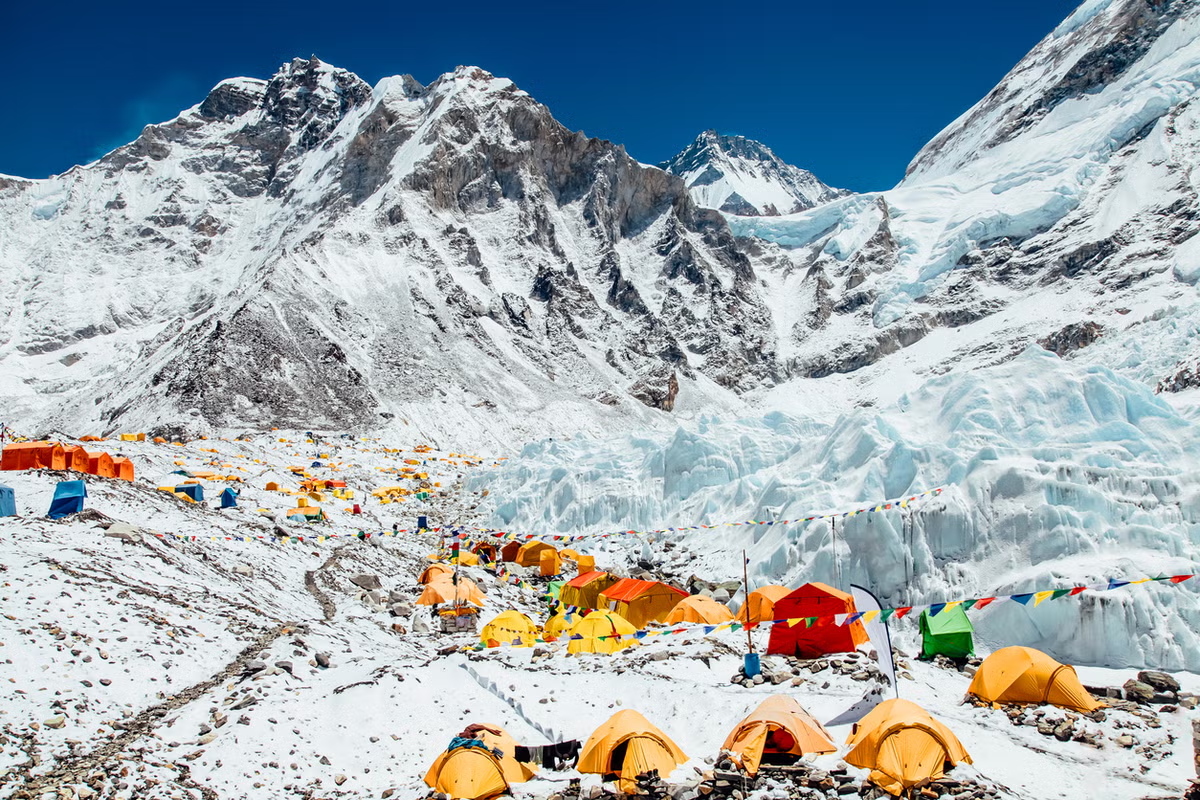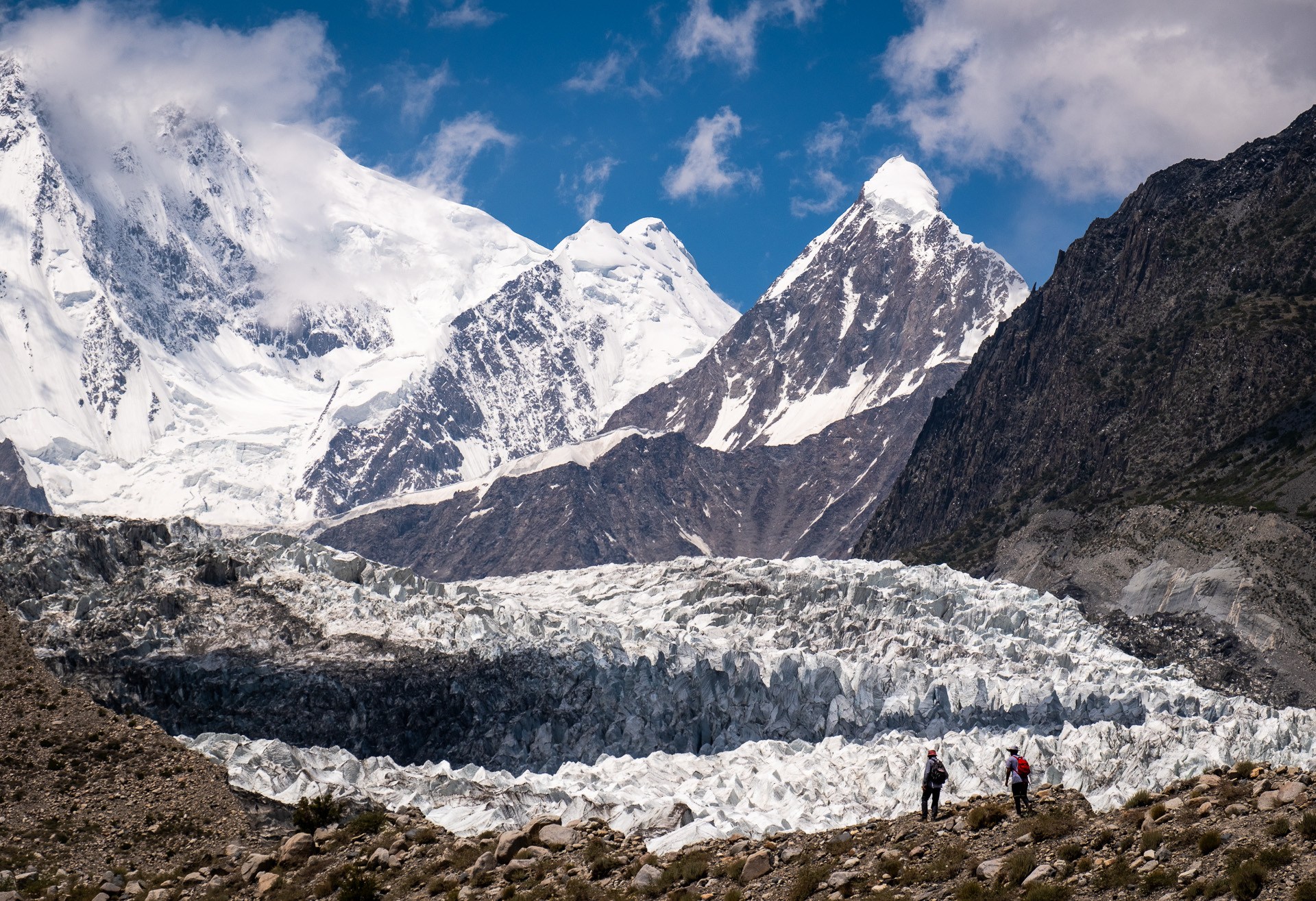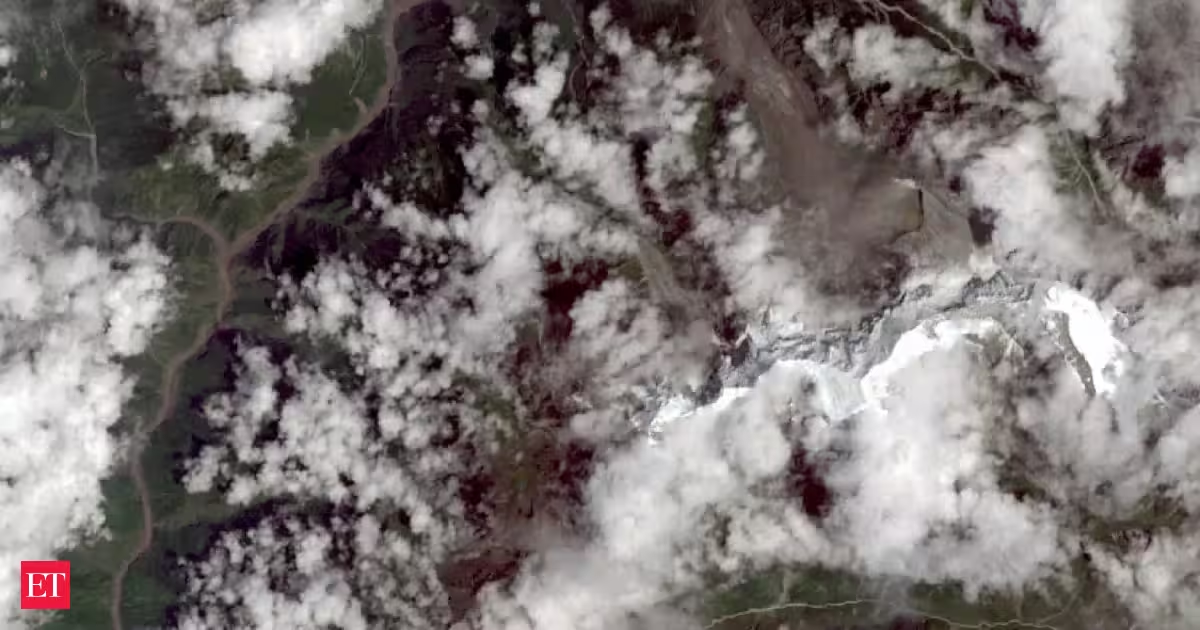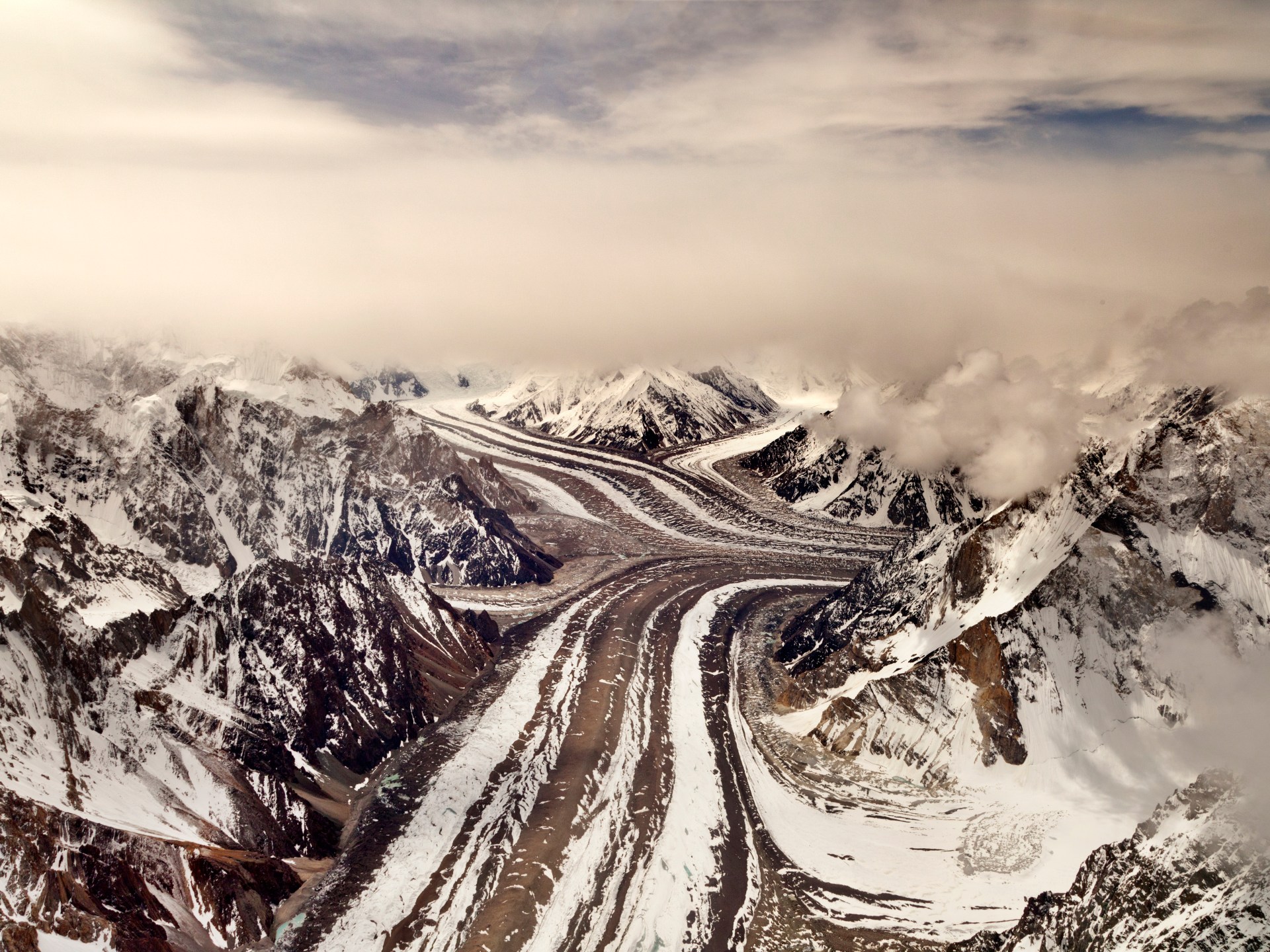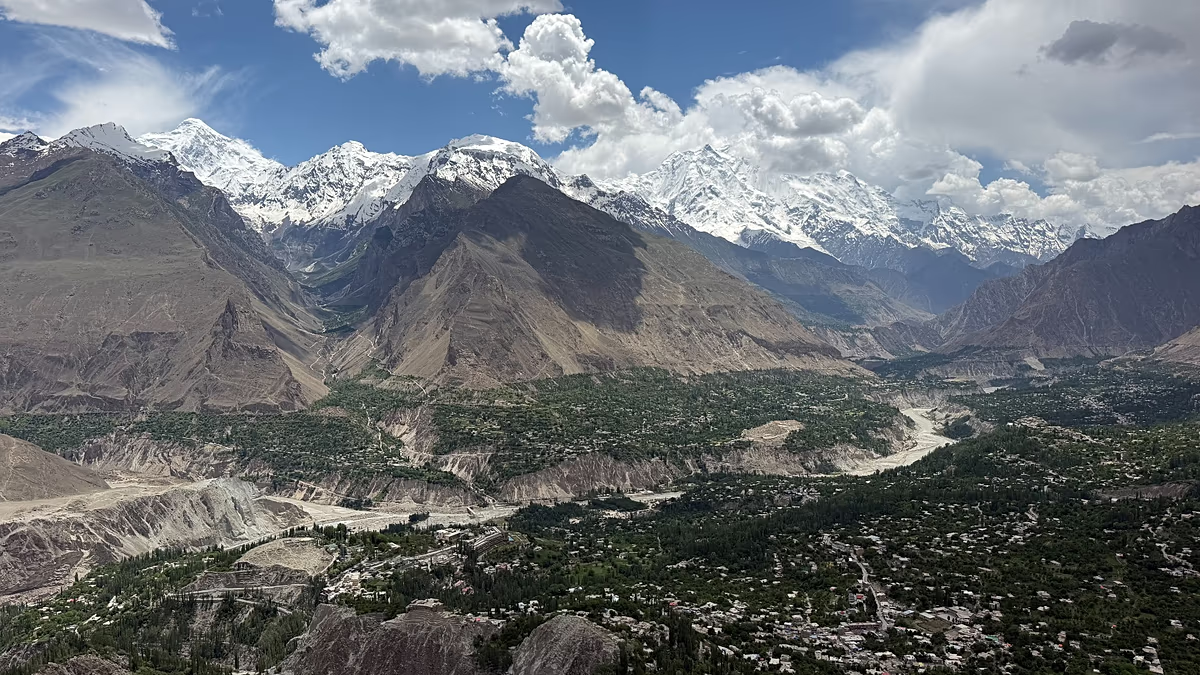
The world's highest peaks are located in the Himalaya and Karakoram mountain ranges, part of a vast mountain belt stretching across Asia. But beneath their grandeur lie some of the planet's most fragile ecosystems.
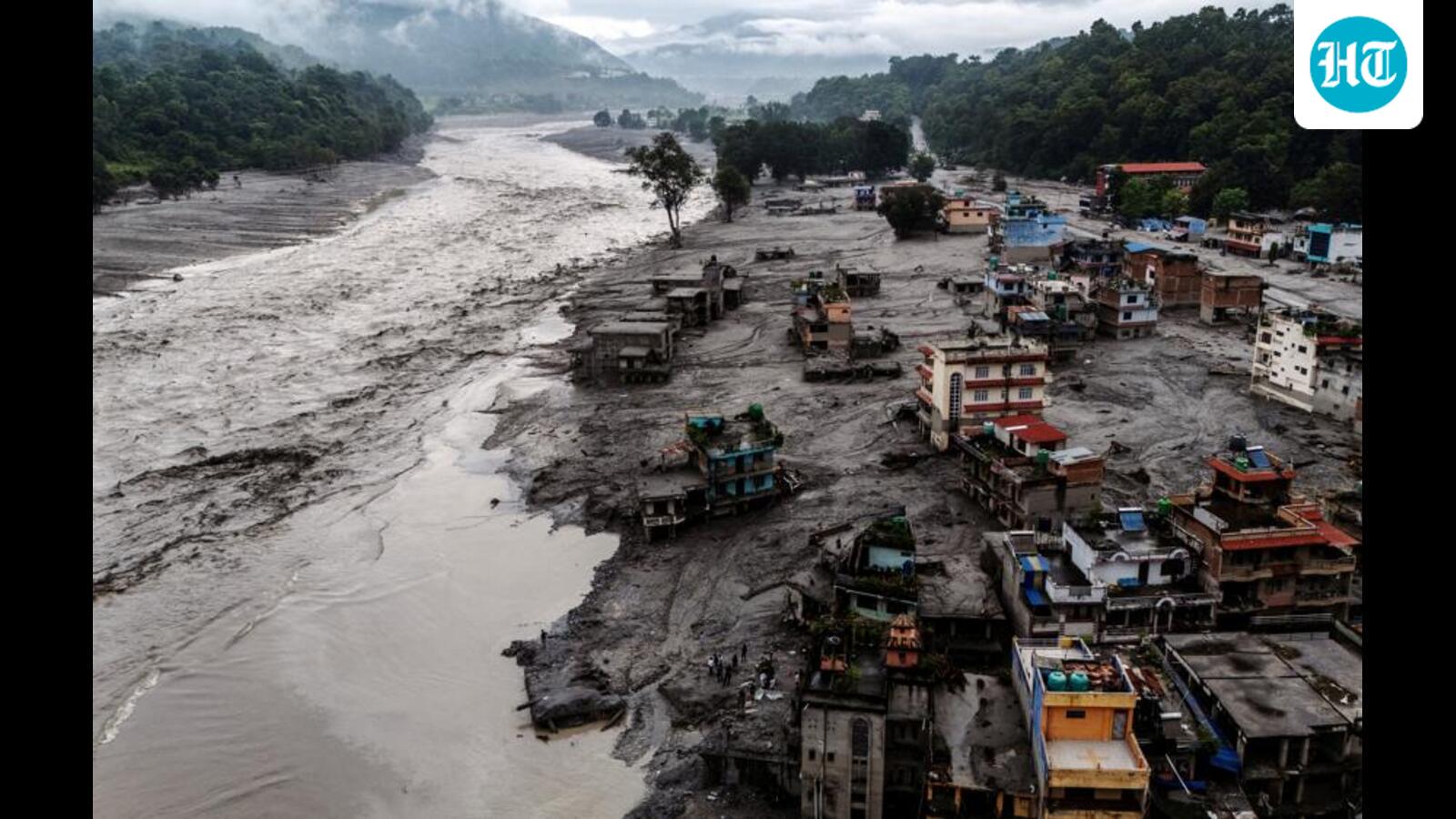
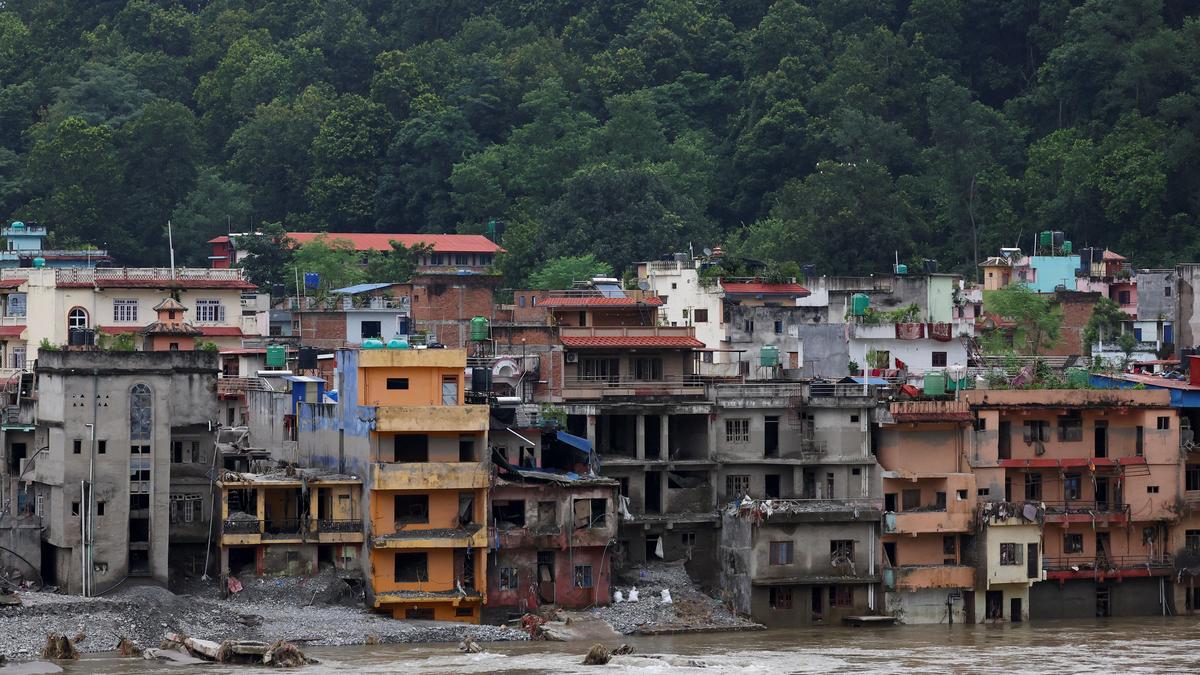
As temperatures continue to rise, glaciers are melting faster, increasing the risk of glacial lake outburst floods and disrupting the natural flow of meltwater. As glaciers shrink, less water is released in spring and summer, when communities need it the most.
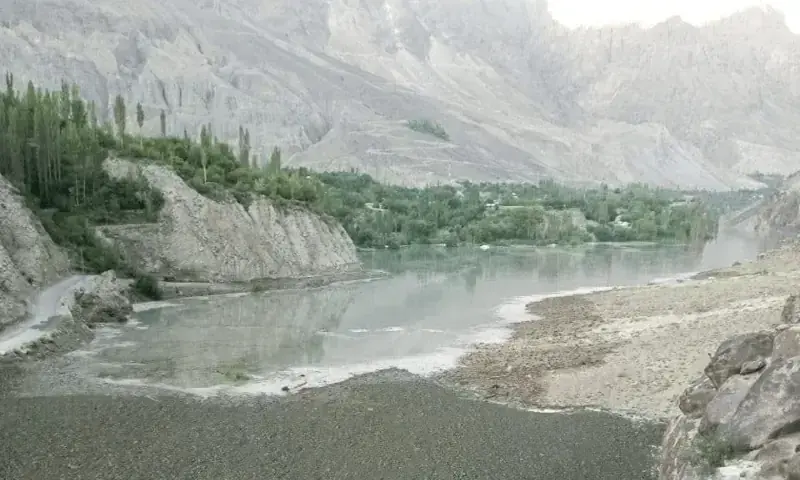
In the Pakistan-administered Gilgit-Baltistan - an autonomous territory in the wider disputed Kashmir region - communities are turning to the Indigenous practice of glacier grafting, known locally as Gang Khswa, to combat water scarcity and adapt in the face of climate change.
What is glacier grafting?
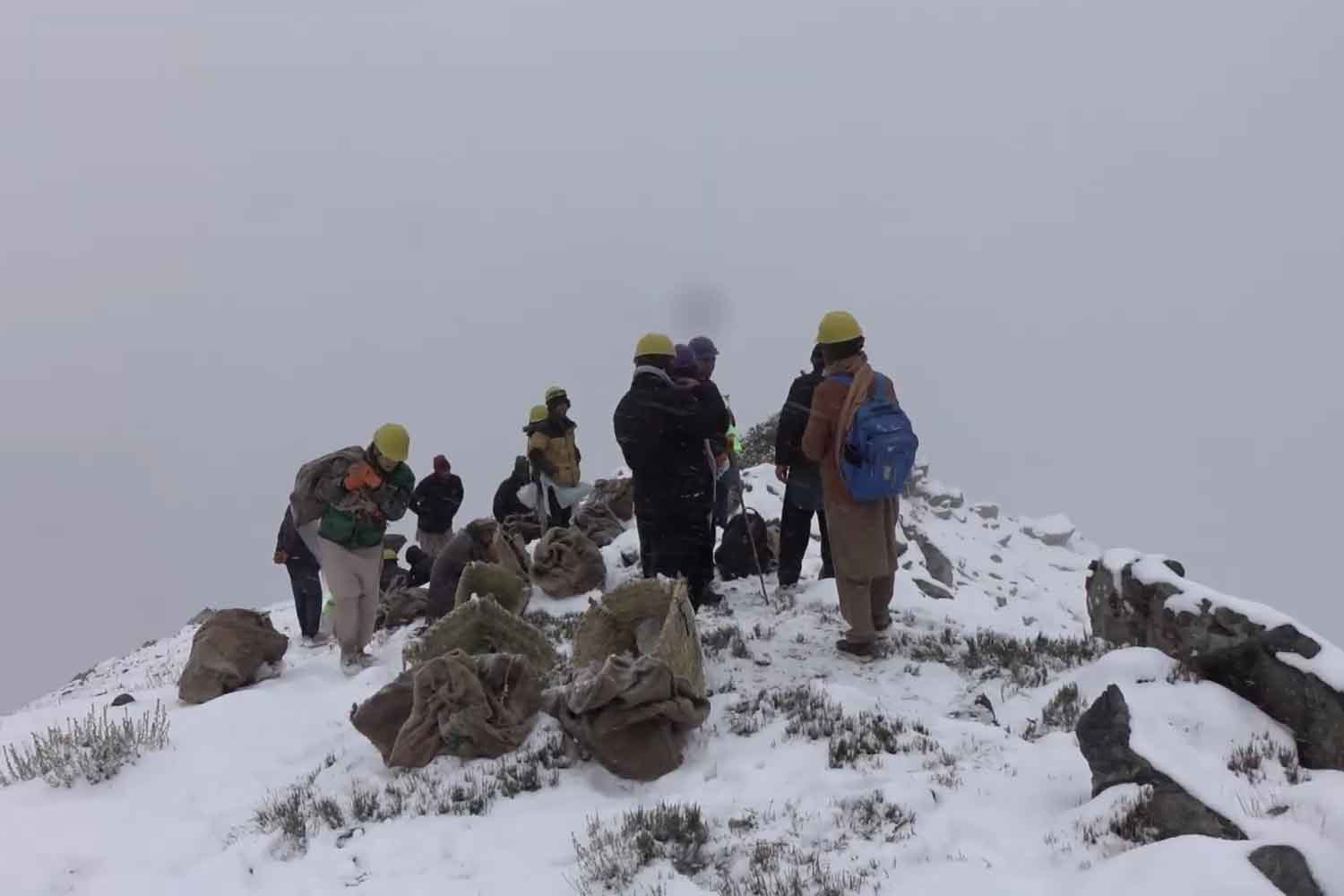
Glacier grafting is a traditional method in which local communities create new, artificial glaciers in high-altitude regions to create a reliable source of water for irrigation, livestock and daily life.