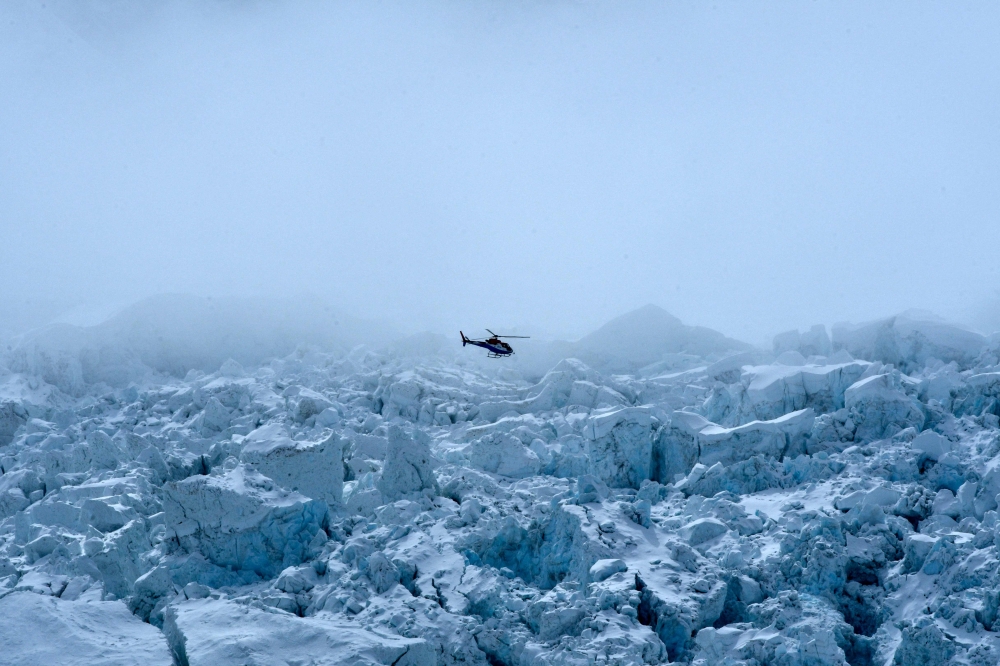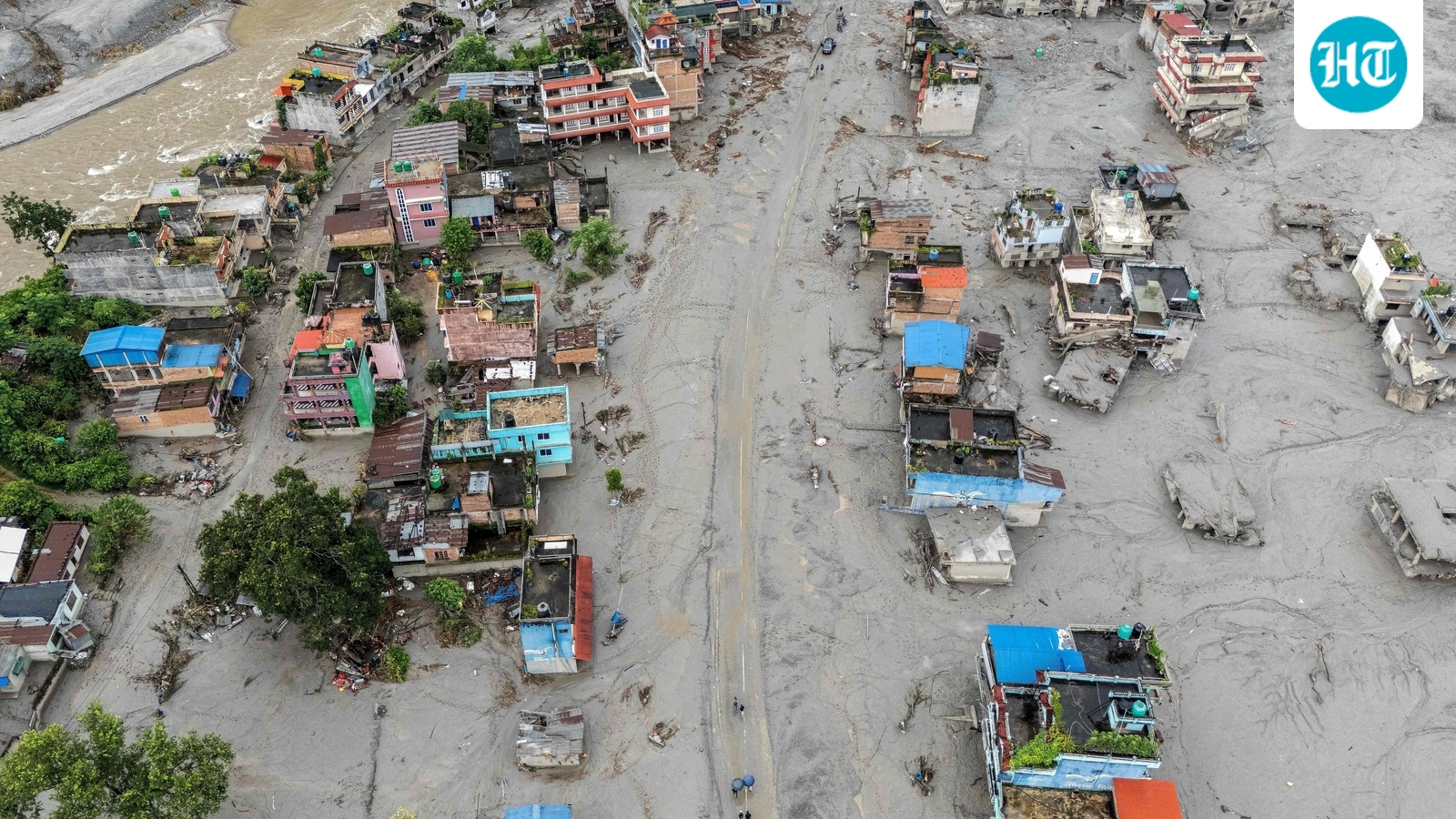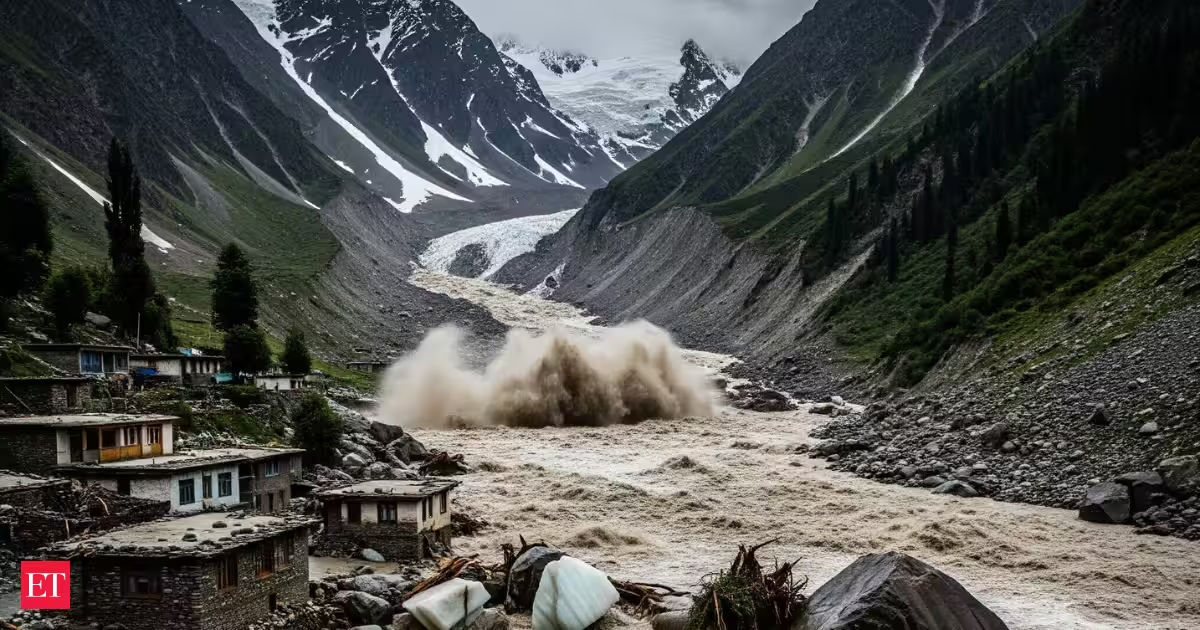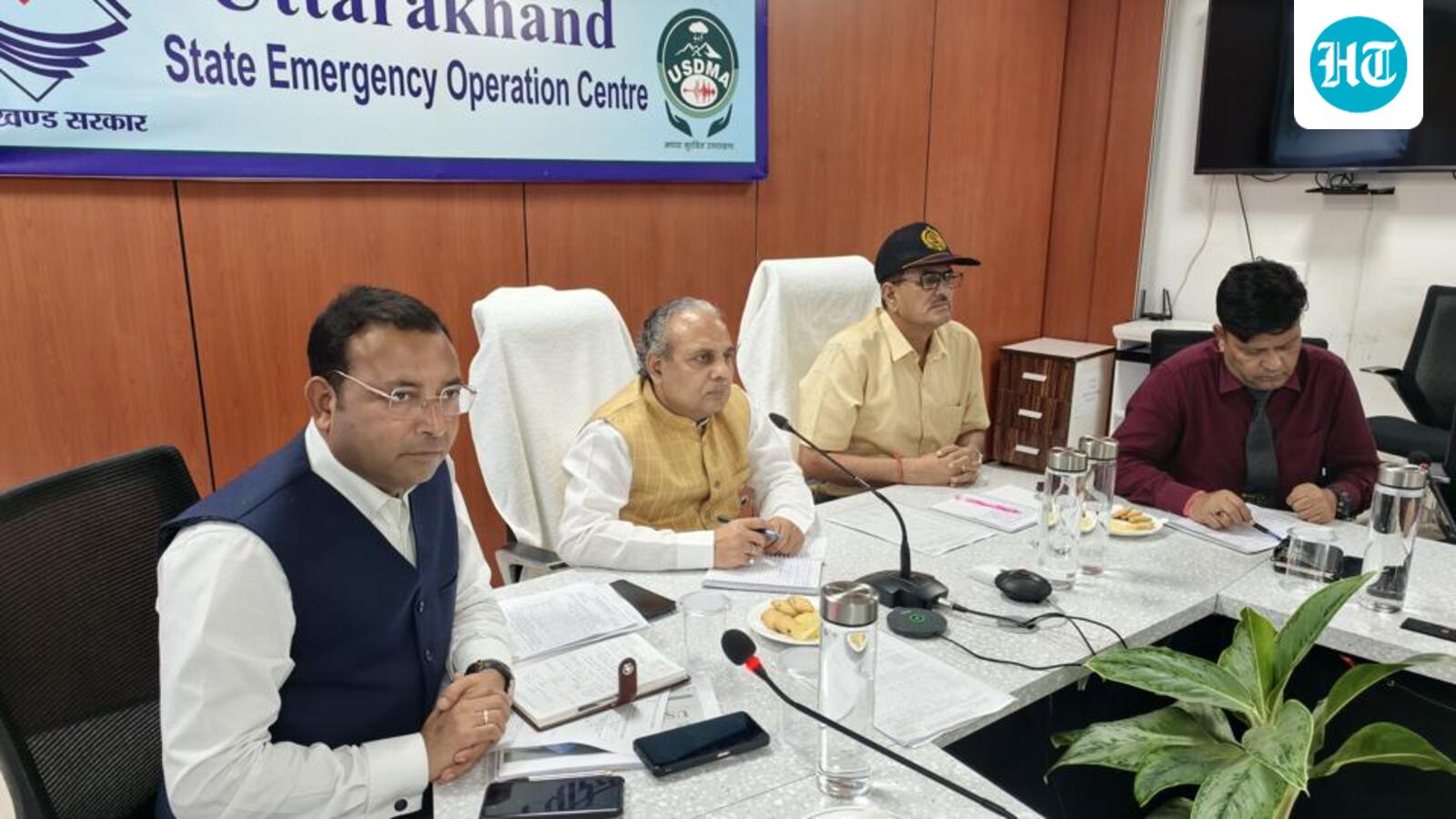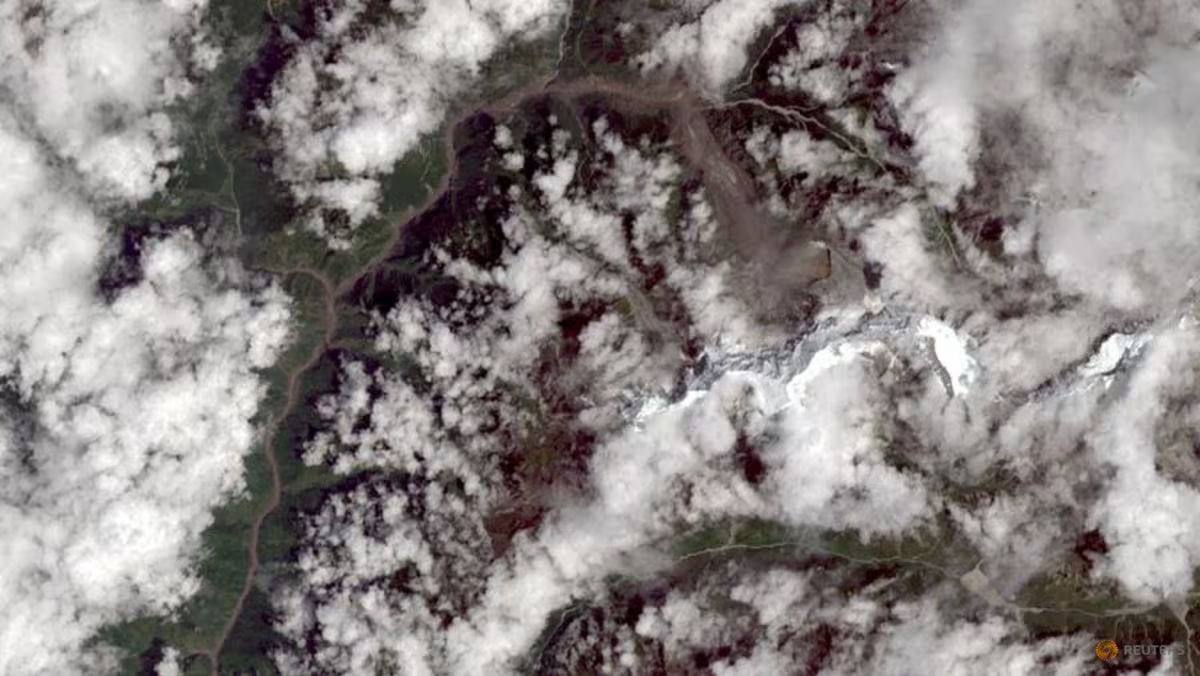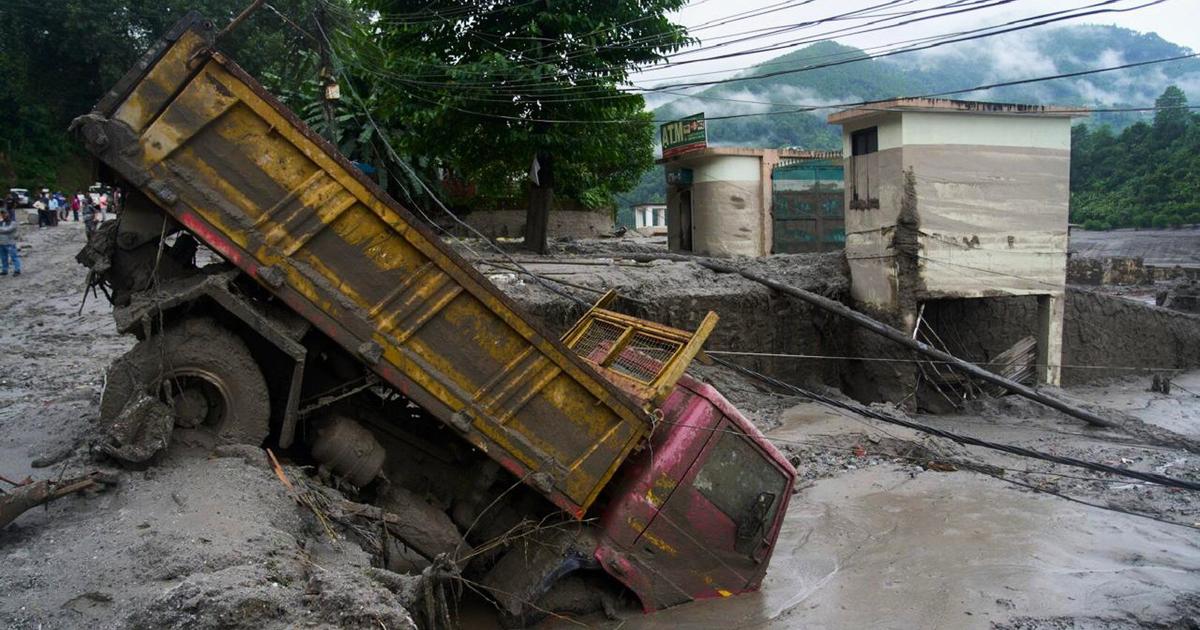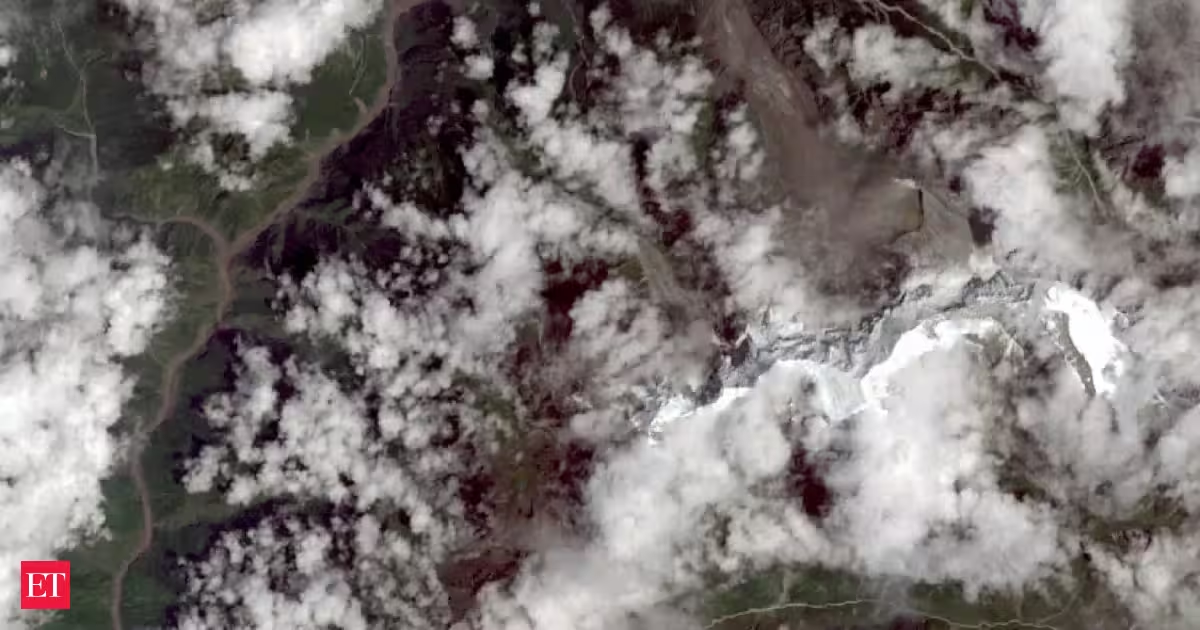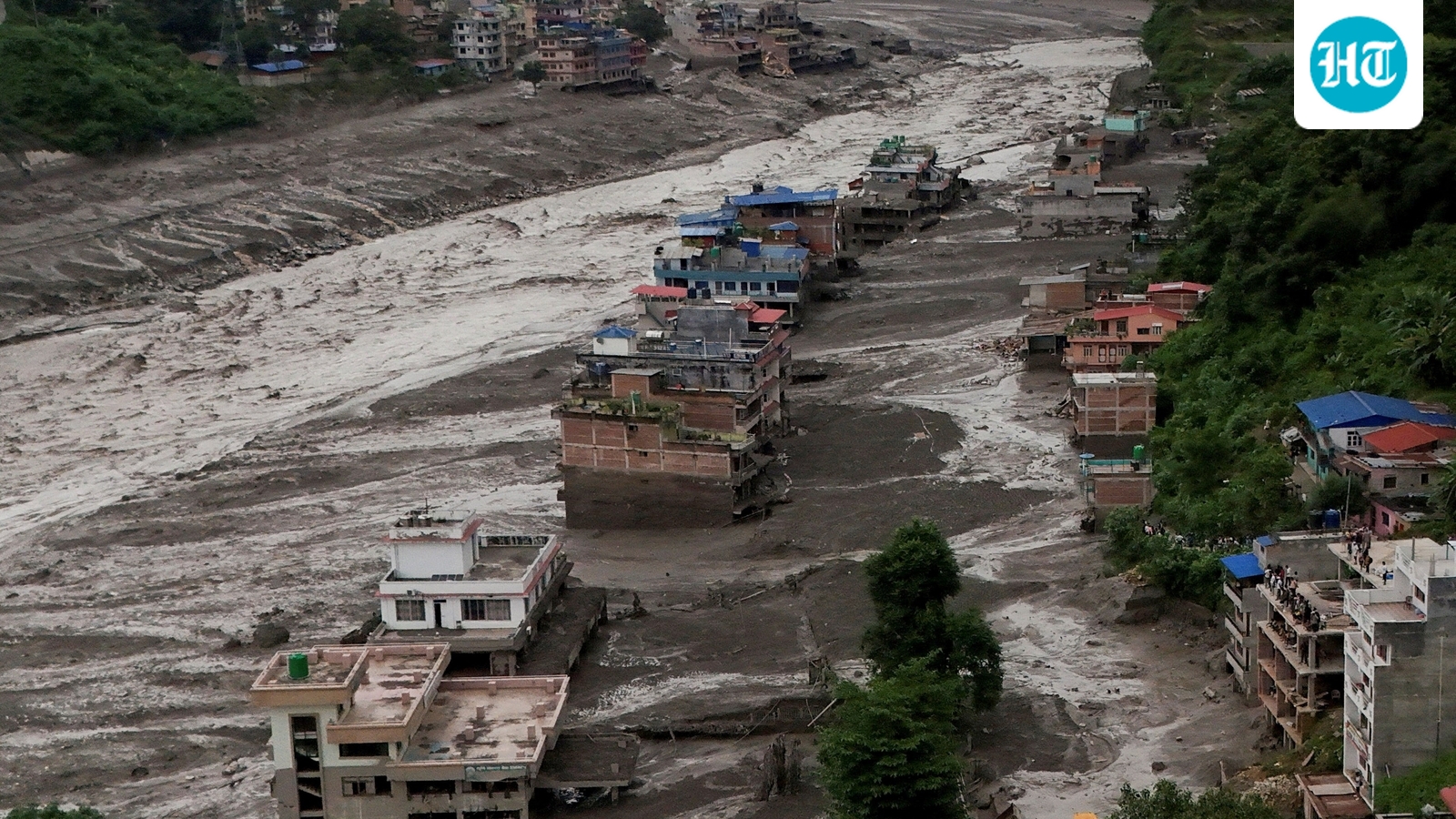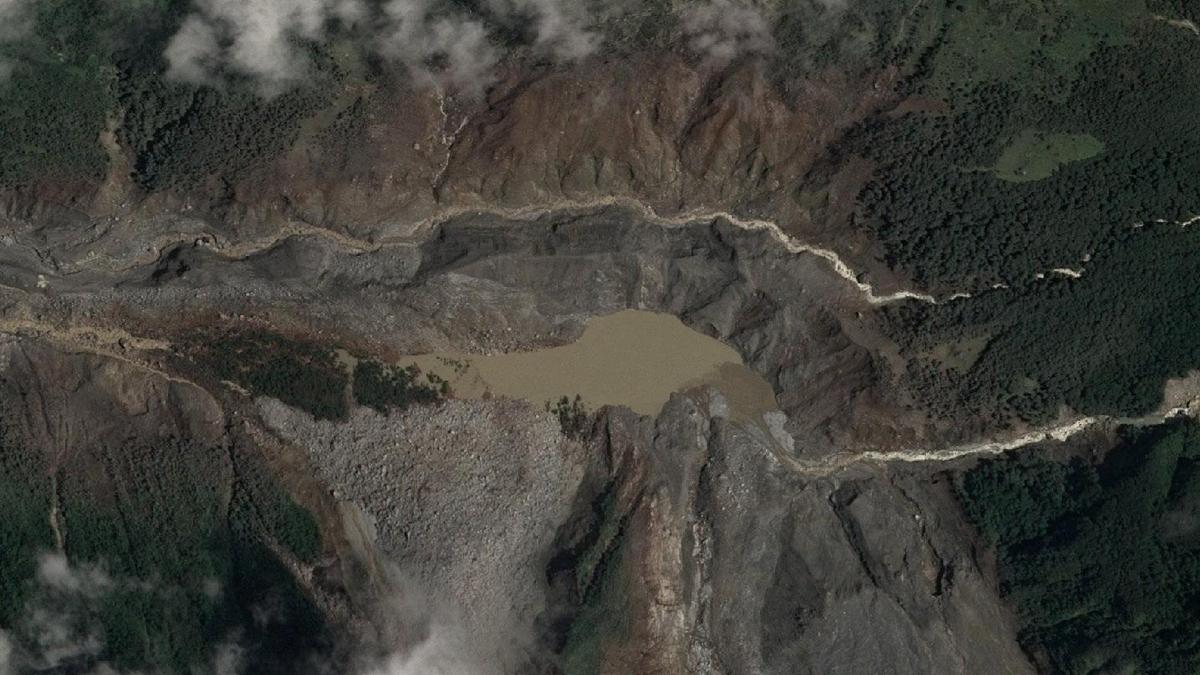
India has stepped up monitoring of its Himalayan glaciers in the days since a deadly flood struck neighbouring Nepal, as scientists warn that a little-known type of unstable ice formation, known as a "hanging glacier," could pose a similar risk to Indian communities downstream.Madan Kaushik, the disaster management minister for the northern Indian state of Uttarakhand, said the state had asked its teams to monitor glaciers and glacial lakes in the region after the disaster in Nepal. "Since we share a border with Nepal, as a neighbour, and also have a similar geographic situation, we have asked our department to monitor all the glaciers and known glacial lakes in the region," he told AFP. "We have asked our teams to be vigilant and monitor if a similar situation is emerging anywhere in the state," he said.Uttarakhand has 1,266 glacial lakes, according to government figures, and is considered one of India's most ecologically sensitive regions.A hanging glacier is a mass of ice sitting on a steep mountain slope, having become detached from the larger glacier it once belonged to. Because of their position on such steep terrain, they are inherently unstable, constantly shedding ice through small avalanches rather than settling into a stable shape, a process researchers describe as behaving like an "unbalanced avalanching glacier." When enough of that ice breaks away at once, the result can be catastrophic, sending a mass of ice and rock racing down the mountainside under gravity.The glacier that collapsed in Nepal appears to have been exactly this kind of formation, according to Jeffrey Kargel, a senior scientist at the Planetary Science Institute. "We know that a glacier close to Langtang Lirung peak and a mass of bedrock detached from the upper north slope," he said. "It is a small 'hanging glacier' that lost its lower part." Satellite imagery shows a lake that formed at site of glacier collapse as Nepal warns lake could burst (Reuters)He said the glacier's retreat in a warming climate was likely central to why it failed, as the retreating ice lost the physical support that had previously held its lower section in place, "leaving it 'hanging' and susceptible to this collapse event."A study published in the journal npj Natural Hazards in April found hundreds of glaciers across the Indian Himalayas already meet this definition. The paper, led by researchers at the Indian Institute of Science and IIT Bhubaneswar, identified 219 hanging glaciers in the Alaknanda basin of Uttarakhand's Garhwal Himalayas alone, covering more than 71 square km, with roughly 30 per cent of the basin's total unstable ice concentrated in its upper reaches. The glaciers sit on slopes averaging 33 degrees, the study found. A separate, ongoing assessment has identified at least 858 hanging glaciers along India's roughly 2,500 kilometre stretch of the Himalayas.When one of these glaciers breaks away, the ice and rock it sheds can pick up further rock, snow and sediment as it travels downhill. If that debris reaches a narrow mountain stream, it can dam the river entirely, allowing water to build up behind the blockage until it eventually gives way, releasing a surge of water and debris. The study's simulations found that an avalanche in Uttarakhand's Badrinath-Mana sector could reach flow heights of more than 50 metres, enough to overwhelm major settlements and infrastructure, and warned that such collapses can also trigger secondary hazards including glacial lake outburst floods.The risk in this specific basin is projected to grow sharply over the coming years. Built-up land exposed to potential avalanche flows in the Alaknanda basin is projected to rise from around 8,000 square metres in 2000 to roughly 152,000 square metres by 2030, the study found, an increase of more than 1,700 per cent, while the number of people living in exposed areas is projected to climb from around 380 to about 8,500 over the same period. "These findings highlight the need for targeted monitoring and risk-informed planning," the study's authors wrote.An aerial view shows the damaged Ghatbesi Bridge over the Trishuli River in the aftermath of flash floods in Nepal's Dhading district (AFP/Getty)Pam Pearson, director of the International Cryosphere Climate Initiative, said the study's warnings had proven prescient. "This study sadly predicted the tragic events, and underscores the need to monitor such 'hanging glaciers' closely to give better warning of such catastrophes in future to vulnerable downstream communities," she told the Indian Express. "This will require much greater funding of monitoring programs, but such funding is small compared to the costs of loss of life and livelihoods." She said the disaster should also serve as a "wake-up call" on the need to move away from fossil fuels, arguing the economic cost of a rapid transition would be far smaller than the continued toll of disasters, drought and heatwaves linked to a warming climate.India's Himalayan region is home to an estimated 10,000 glaciers in total, with Uttarakhand alone home to 1,495, many of them retreating as the region warms. Himalayan glaciers more broadly provide water to nearly two billion people, and scientists warn they are melting faster than ever, a trend that, combined with poorly planned development, is increasing the frequency and severity of disasters across the region.
What are ‘hanging glaciers’ and should we be worried?
Mountainous northern Indian state of Uttarakhand asks teams to monitor glaciers and glacial lakes after flash floods that struck Nepal
861 words~4 min read