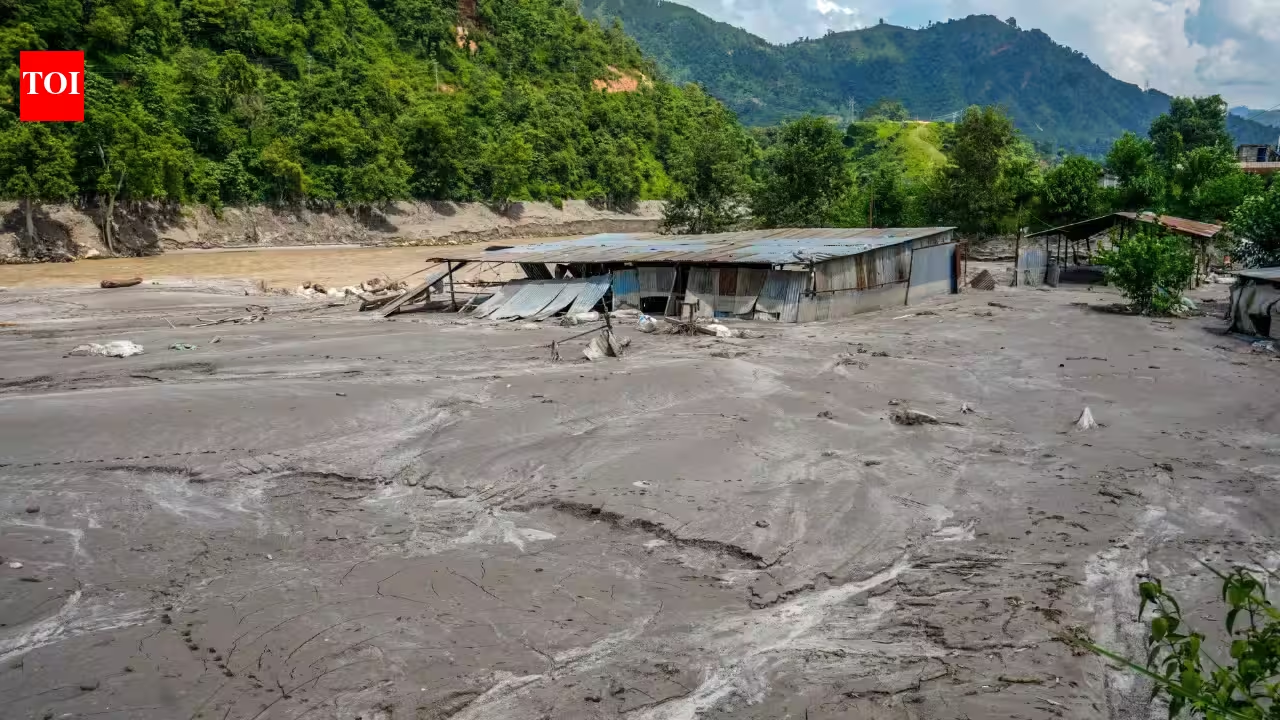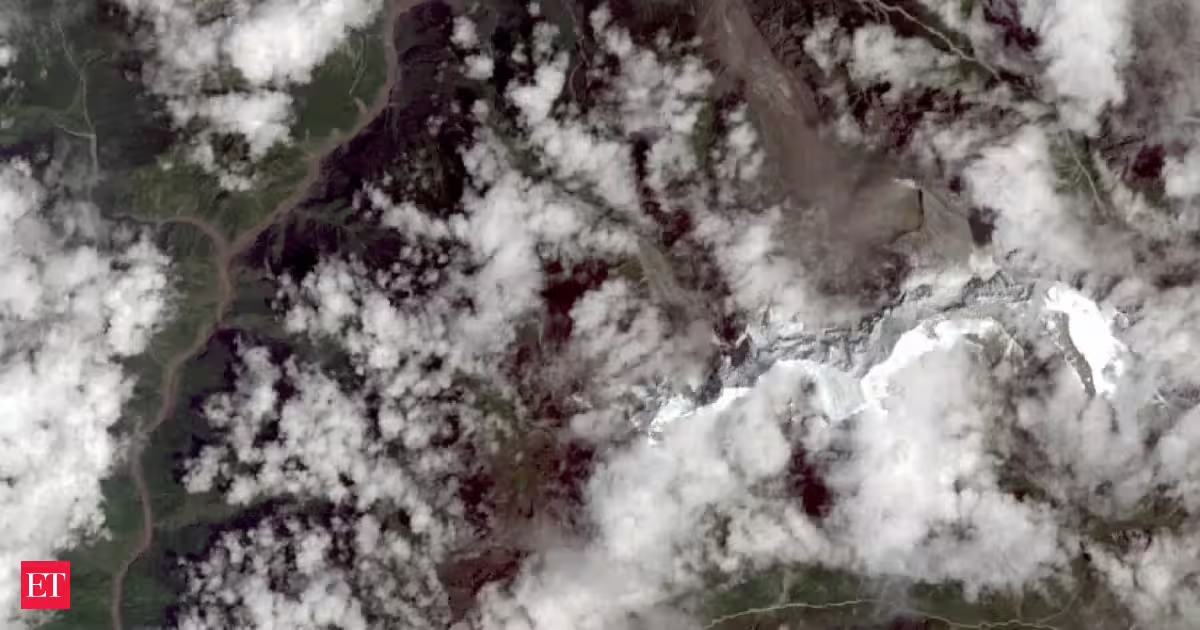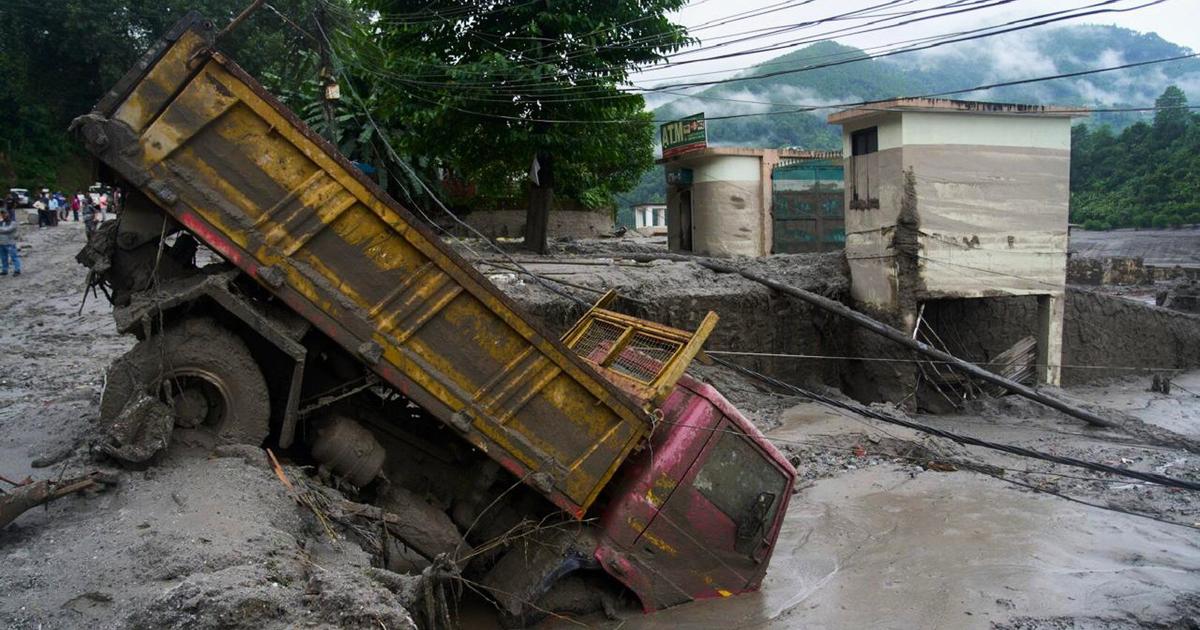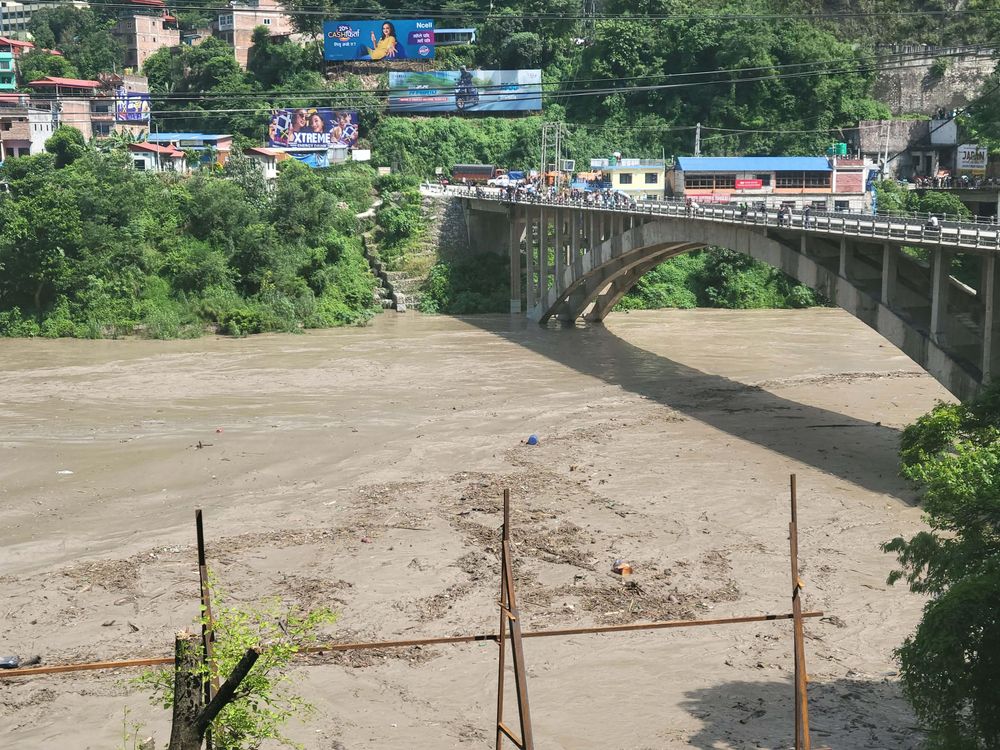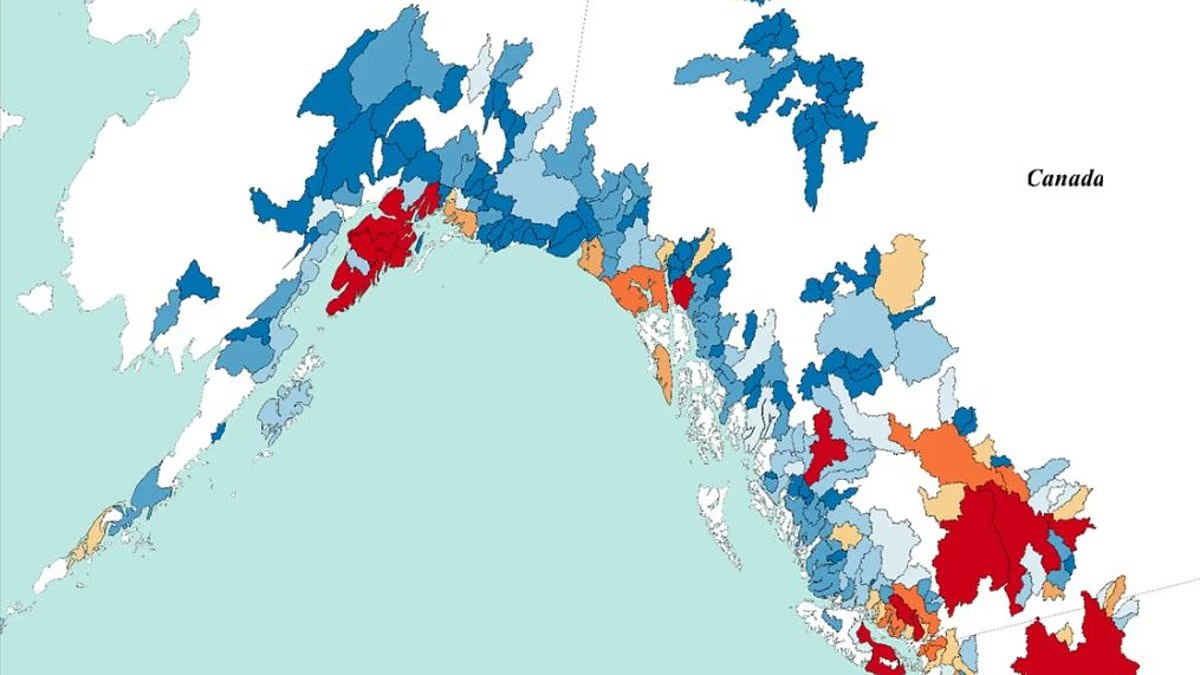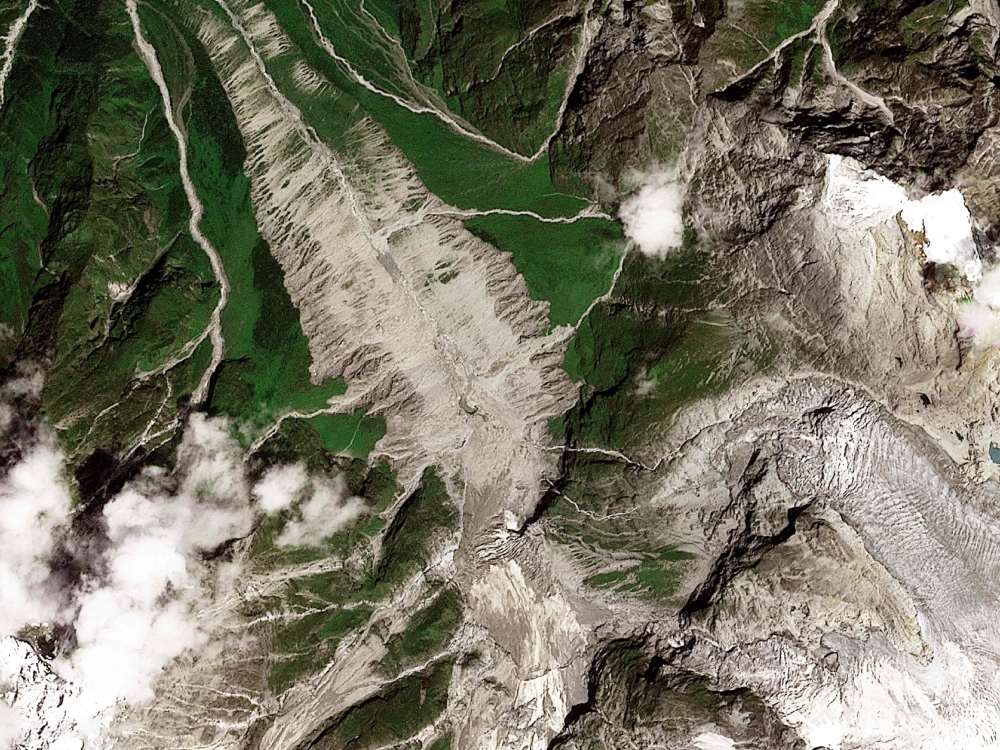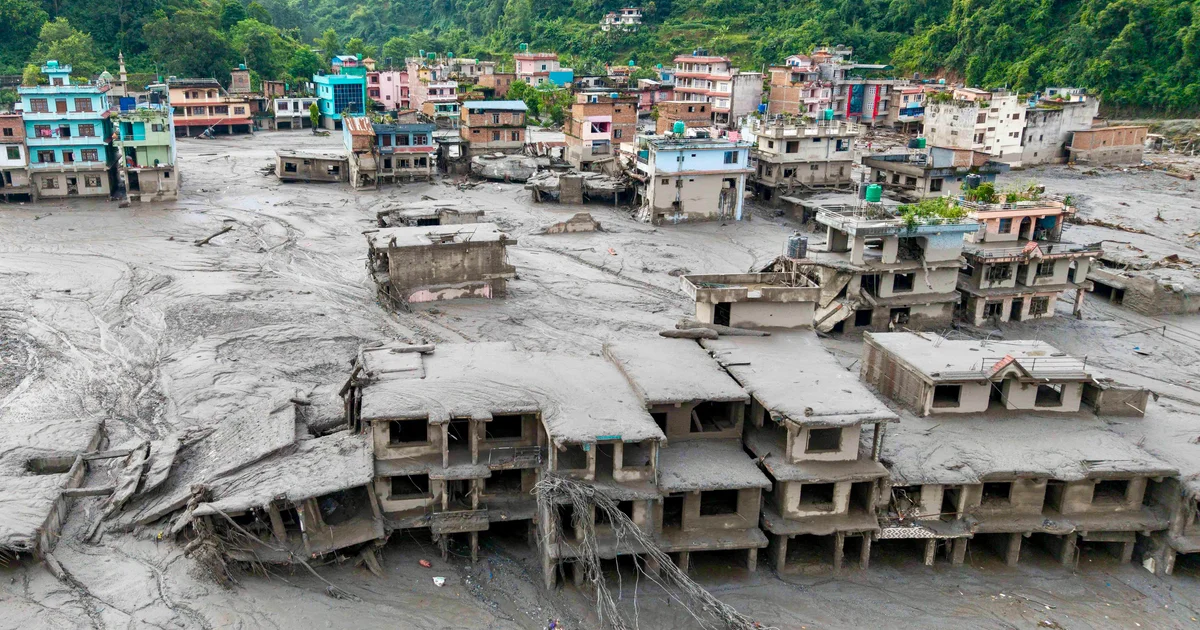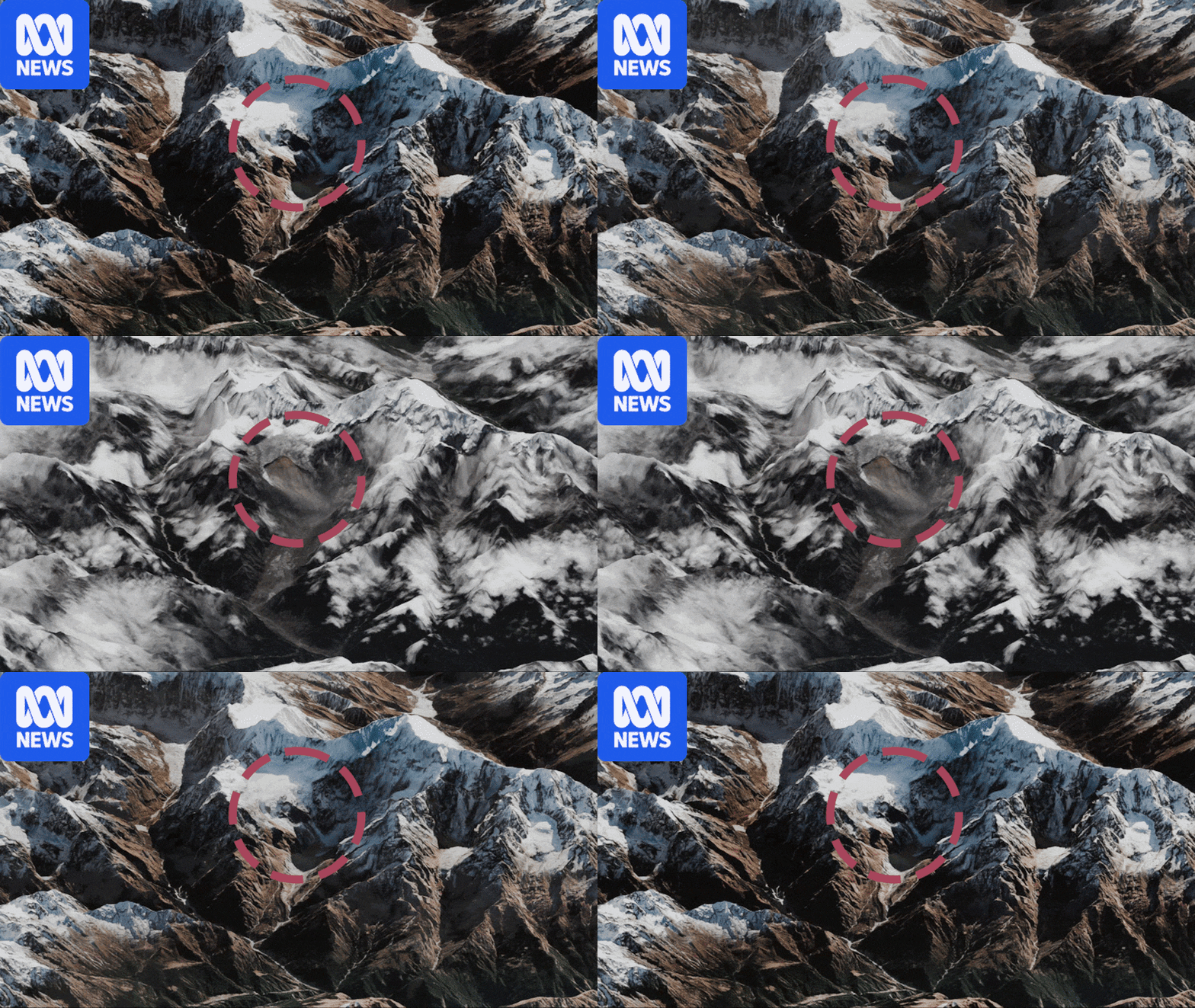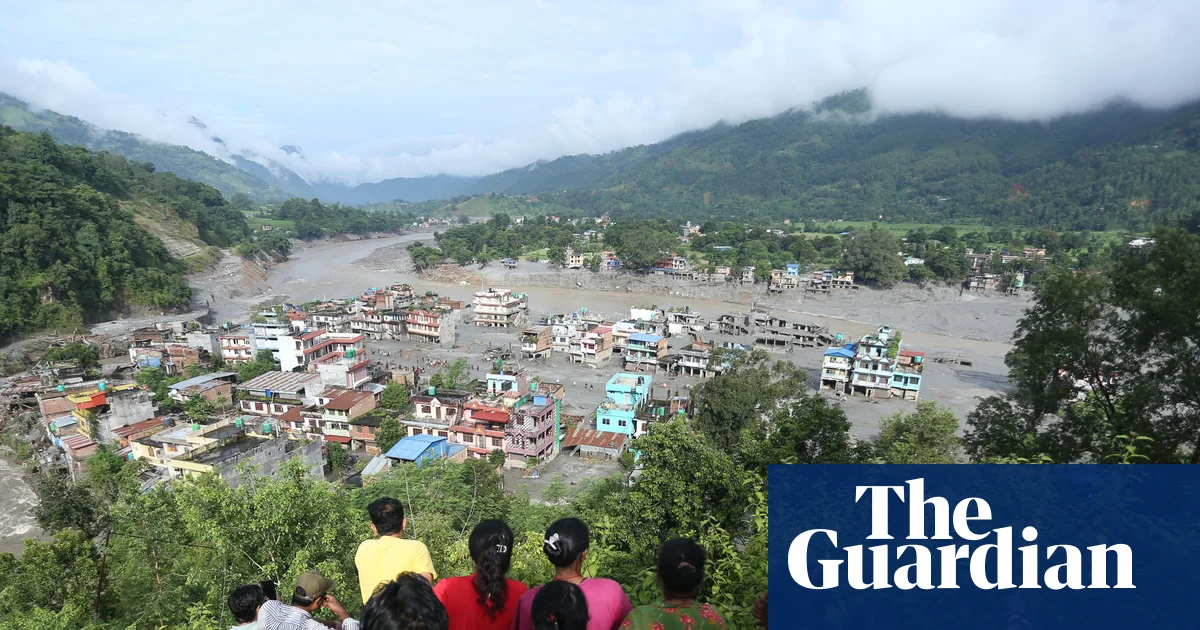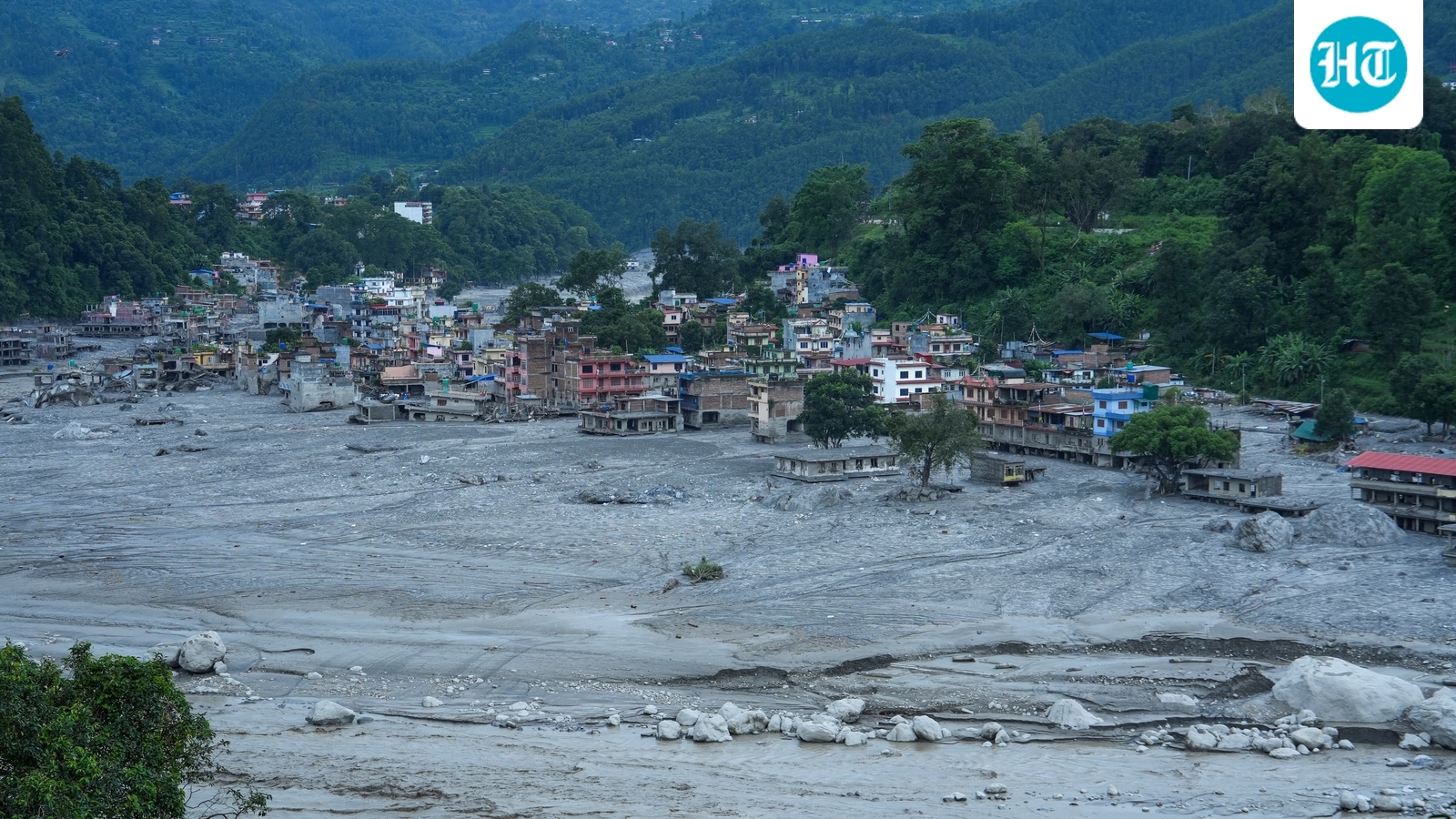
Months before devastating flash floods hit the the China-Nepal border, with a deadly wall of water and debris sweeping through the Himalayas and destroying entire villages, two reports had flagged concerns indicated the livelihood threats to the people in the region.One of the possible explanations for the floods seems to have been a phenomenon called a glacial avalanche. (PTI)According to reports published by the International Centre for Integrated Mountain Development (ICIMOD), the glaciers in Hindu Kush Himalaya are melting at double the rate since 2000.While the exact cause for the tragedy in Nepal has not been established yet, one of the possible explanations for the floods seems to have been a phenomenon called a glacial avalanche. In this context, the reports take renewed significance. The reports, titled Changing Dynamics of Glaciers in the Hindu Kush Himalaya Region from 1990 to 2020 and HKH Glacier Outlook 2026: Insights from 50 Years of Himalayan Glacier Monitoring, were released to mark World Glaciers Day.Also Read | 1,643 children, one warning: How a Nepal teacher pulled off a heroic rescueWhat do the reports say on Hindu Kush Himalaya glaciers?The reports say the Hindu Kush Himalaya (HKH) glaciers are melting at an accelerating rate, with ice loss rates doubling since the year 2000. They further reveal a total loss of up to 27 metres of ice thickness since 1975, according to ICIMOD, which further stated that this raises concern for the nearly two billion people downstream who depend on meltwater.The Hindu Kush Himalaya has over 63,700 glaciers covering nearly 55,782 square kilometres, which are the source of at least ten major Asian river systems and support the livelihood security of billions.However, according to the reports, around 78% of this glacier area, located between 4,500 and 6,000 metres above sea level is highly exposed to elevation-dependent warming. ICIMOD director general Pema Gyamtsho said in the report that it was a “crisis unfolding in real-time.”The reports highlight that glacier losses are spatially skewed, with the highest percentage of area loss in the eastern Hengduan Shan mountains, where some areas lost up to 33% of their glacier area in just three decades. However, the largest absolute area losses are concentrated in the Indus, Ganges, and Brahmaputra basins, where over 74% of the region’s glaciers are found, underlining their critical vulnerability, according to ICIMOD.Also Read | Sadhguru's Isha Foundation shares update on 77 pilgrims missing after Nepal floodsGlacier broke free, created temporary dam: What caused the flash floods?A surge of water swept through the Bhote Koshi and Trishuli valleys in Nepal and Tibet on August 26, with at least 800 people killed in the tragedy and over 3,000 missing.The disaster reportedly began with a 600-metre-wide section of a glacier in the Himalaya mountains breaking free and dropping 1.2 km into the valley below. The kinetic energy of the fall melted enough of the ice to create a slurry that gathered further material as it travelled, until it arrived at the bottom of the valley, which it blocked, The Economist reported. Water then backed up behind this dam until its pressure overwhelmed the blockage, causing a surge.
Months before Nepal floods, reports flagged livelihood threat from rapid glacier loss in Hindu Kush Himalaya
The reports, published by International Centre for Integrated Mountain Development, glaciers in Hindu Kush Himalaya are melting at double the rate since 2000. | World News
517 words~2 min read