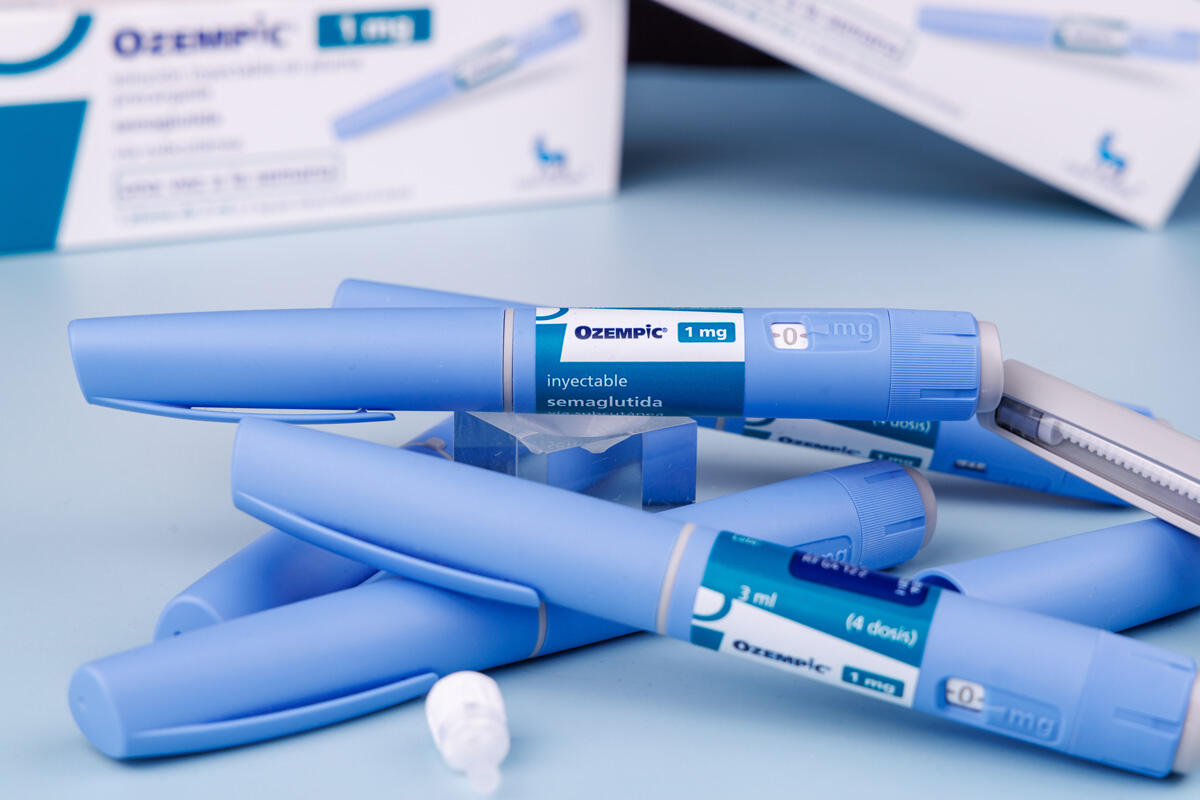
A glucagon-like peptide-1 (GLP-1) receptor agonist prescribed to help people manage obesity and type 2 diabetes extended the lifespan of older, healthy mice, according to a new study led by researchers in UC Berkeley’s Department of Metabolic Biology & Nutrition.
Shutterly/Adobe Stock
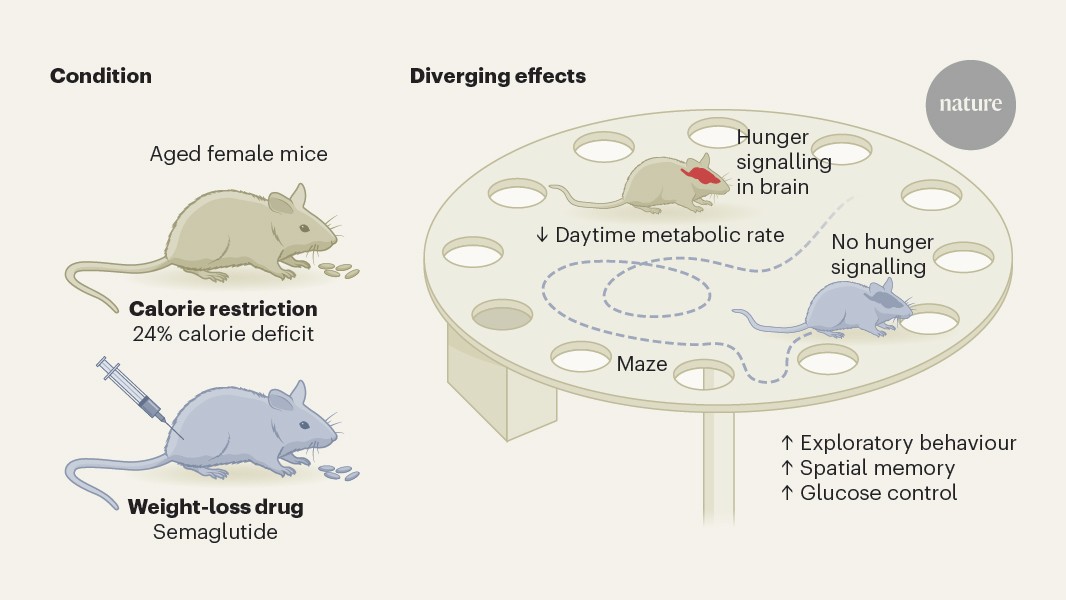
Published September 2 in Nature, the findings show that semaglutide, commonly sold as Ozempic and Wegovy, mimicked the anti-aging benefits of calorie restriction—and in some cases surpassed them. The results suggest that, in addition to delaying the onset of age-related metabolic disease, GLP-1s may act on the biological factors that contribute to physiological aging.
“We are very excited by this new study, because it could potentially broaden the application of GLP-1 medicines to healthy aging individuals to extend lifespan and healthspan,” said Danica Chen, the study’s corresponding author and a professor of metabolic biology and nutrition. Yufan Feng, a postdoctoral researcher in Chen’s lab, served as the study’s lead author.
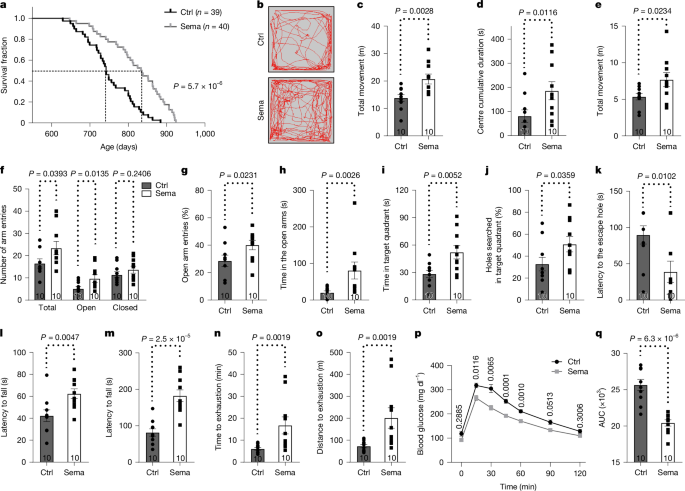
To understand the potential impact of GLP-1s on aging, the study’s authors administered semaglutide to 20-month-old female mice for three months. Treated mice showed improved muscle and cognitive function compared with untreated mice. Genetic analysis also confirmed that several hallmarks of natural aging—including inflammation and poor regenerative capacity—were reduced in treated animals. Mice that received semaglutide injections until the end of their life lived, on average, 100 days longer than those that did not.