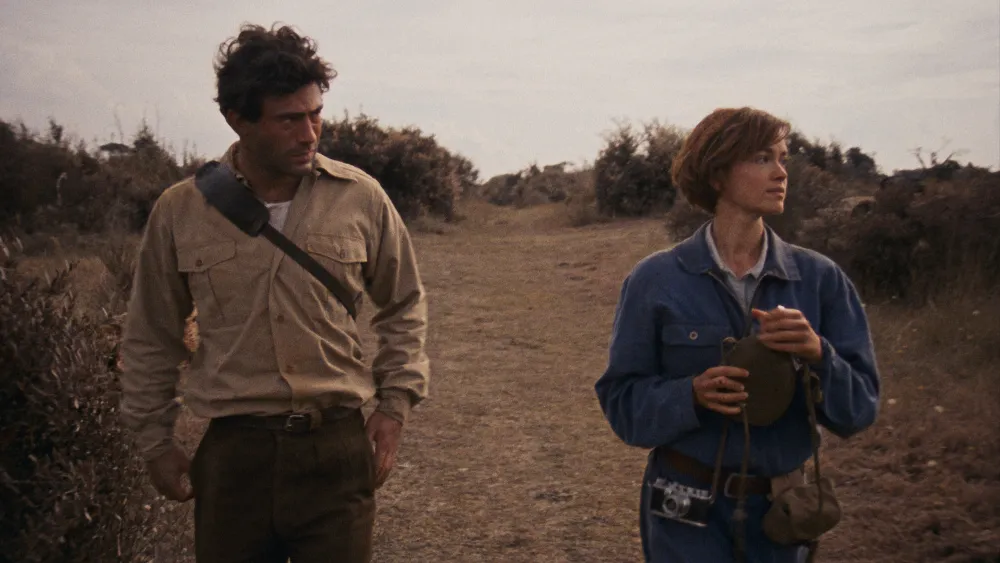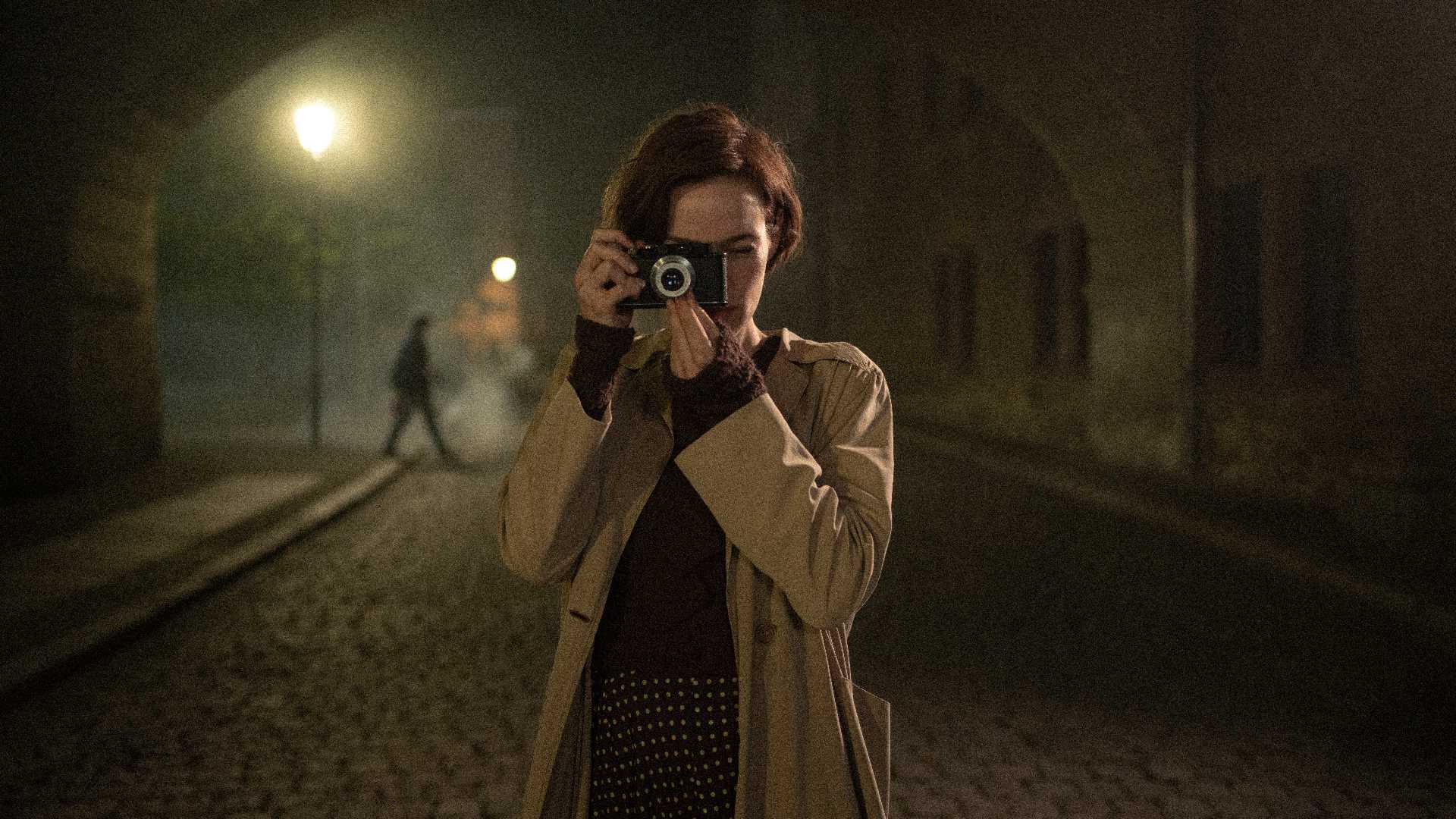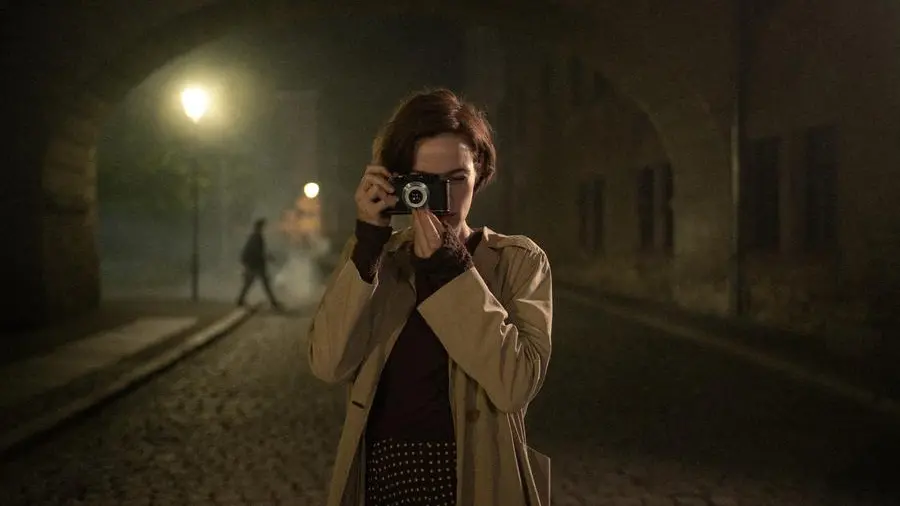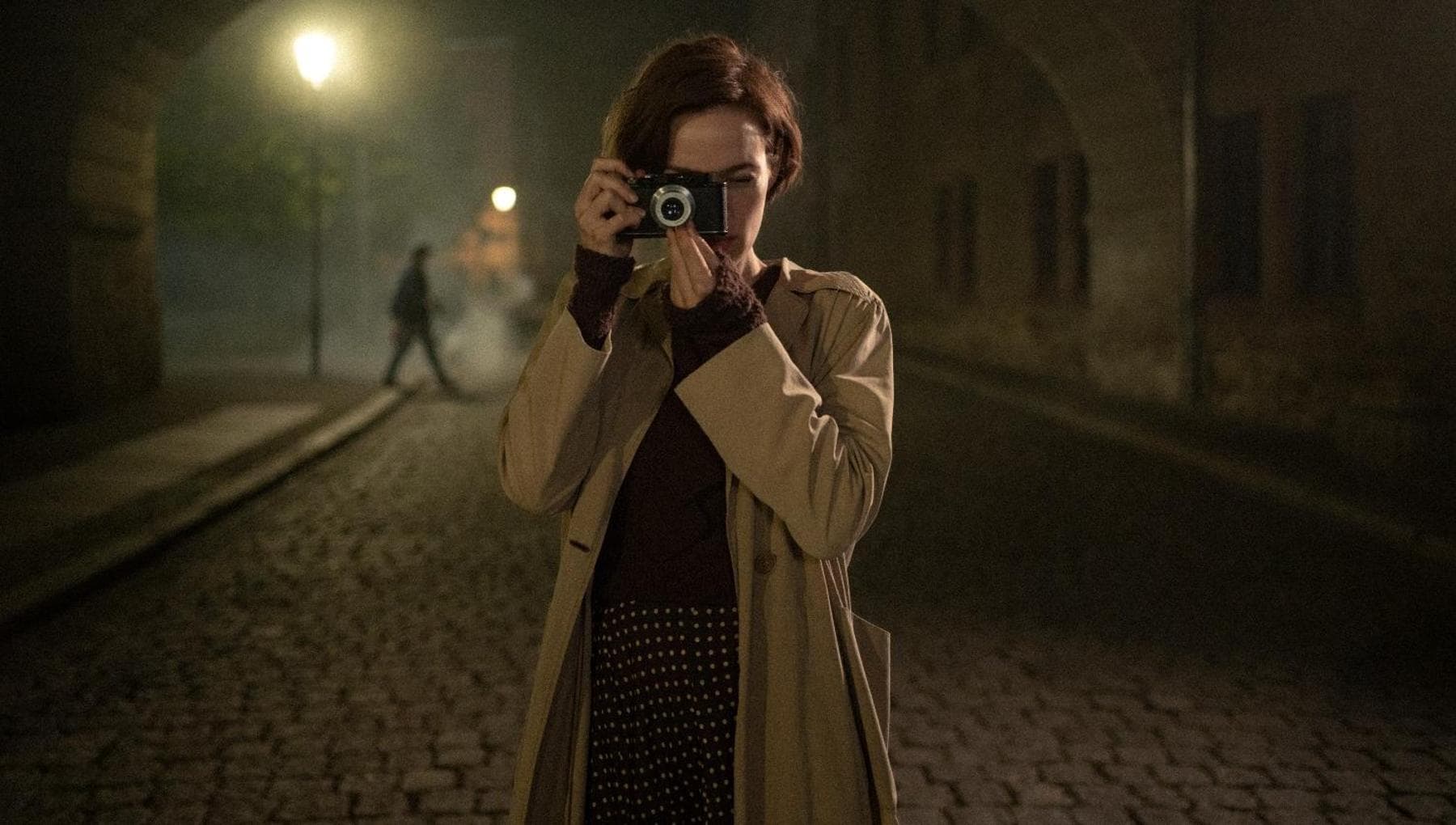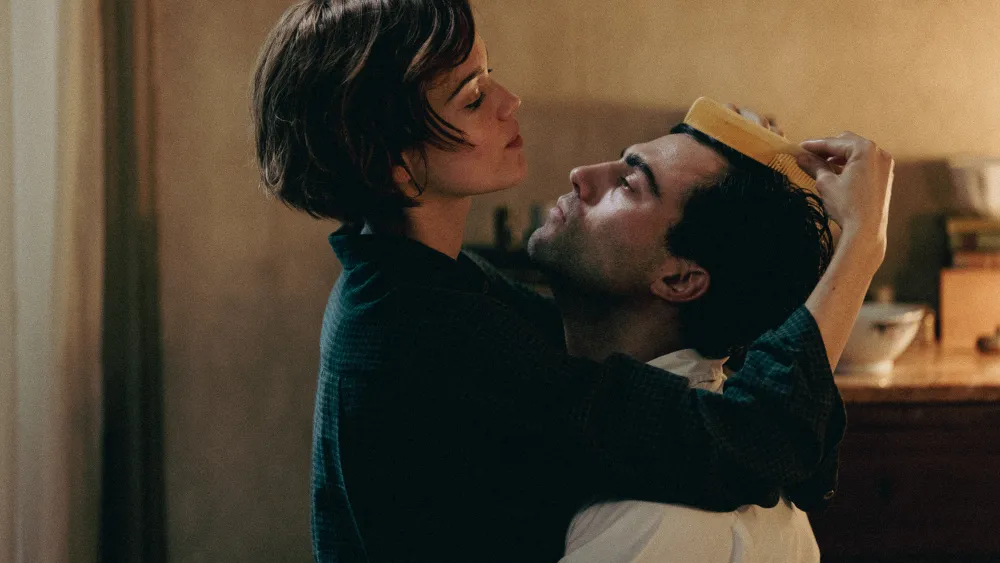
For many people, the name Robert Capa evokes a mysterious, jet-setting American photographer responsible for some of the mid-20th century’s most iconic images from the frontlines of war. In the fascinating “The Girl With The Leica,” Italian director Alina Marazzi puts paid to that myth. The time-jumping film reclaims the legacy of German-born photojournalist Gerda Taro (née Gerta Pohorylle) and illuminates her contributions to the invention of Capa, an alias embodied by the charismatic Hungarian shutterbug born Endre Erno Friedmann, aka André Friedmann. As scholars now know, Capa’s early oeuvre encompassed works by both him and Taro. The engrossing “Leica” serves as the opening to the Venice Horizons section and should have a strong festival and ancillary career.
Neither a conventional biopic nor a straightforward documentary, “The Girl With The Leica” offers fact-based fiction delivered in an energetic, impressionistic style that immerses viewers in the turmoil of the characters’ lives and times. Intertwining past and present, the film fluidly blends color dramatic sequences with black-and-white archival footage, newsreels and amateur home movies. It also mixes Super 8 and Super 16mm formats alongside rarely seen photographs. But most importantly, it allows viewers to reflect on the political power of images while giving a voice to the brave female photojournalist whose talent, passion and skill were nearly lost to history, subsumed by a legend of her own creation.