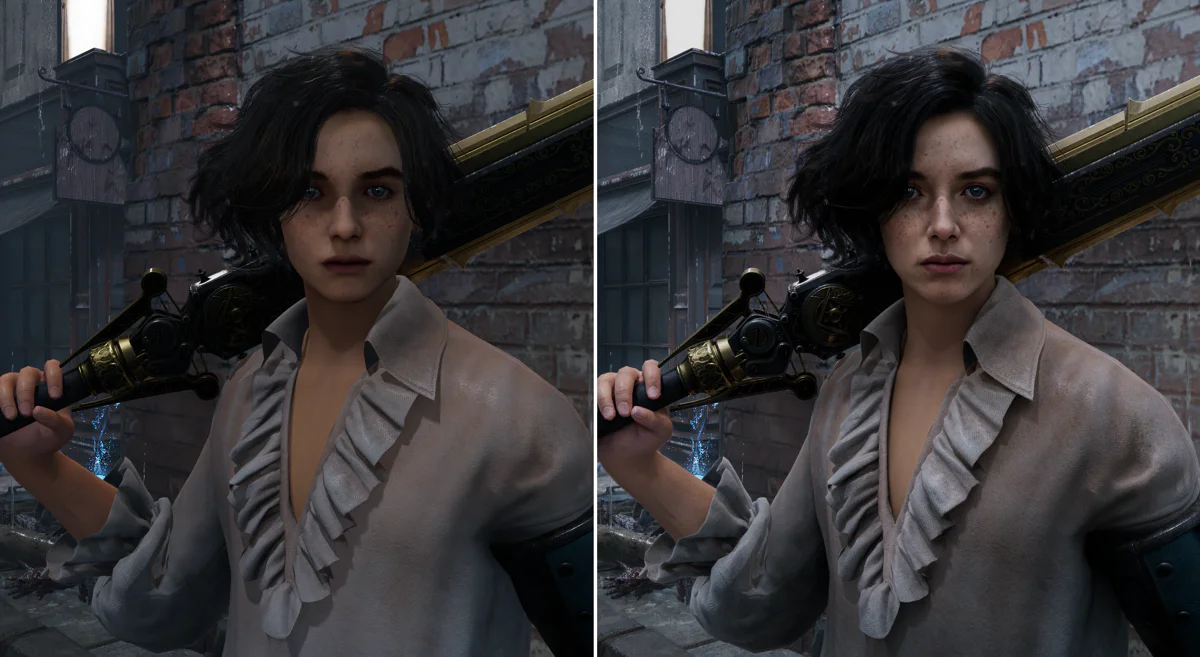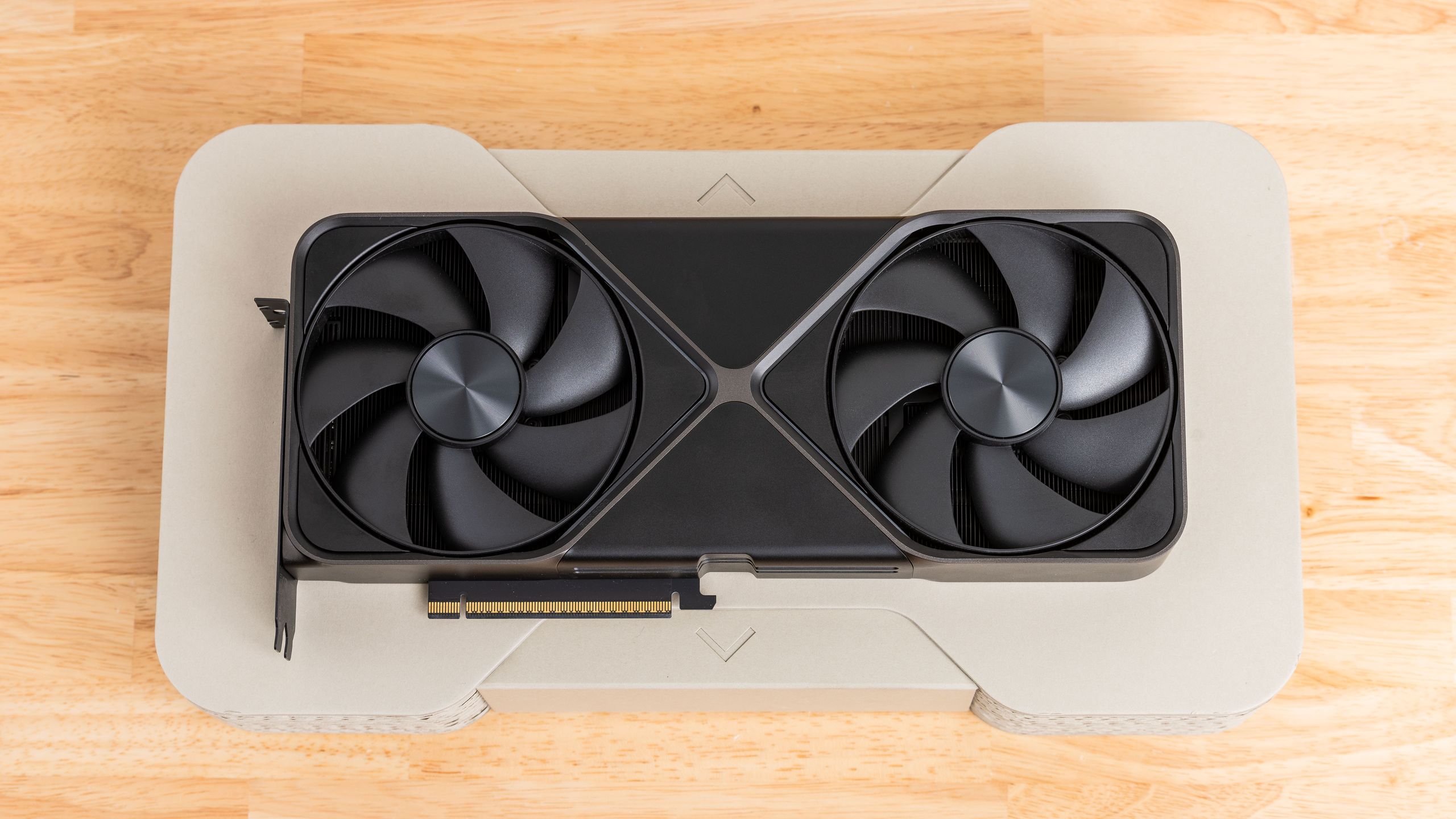
(Image credit: Future)
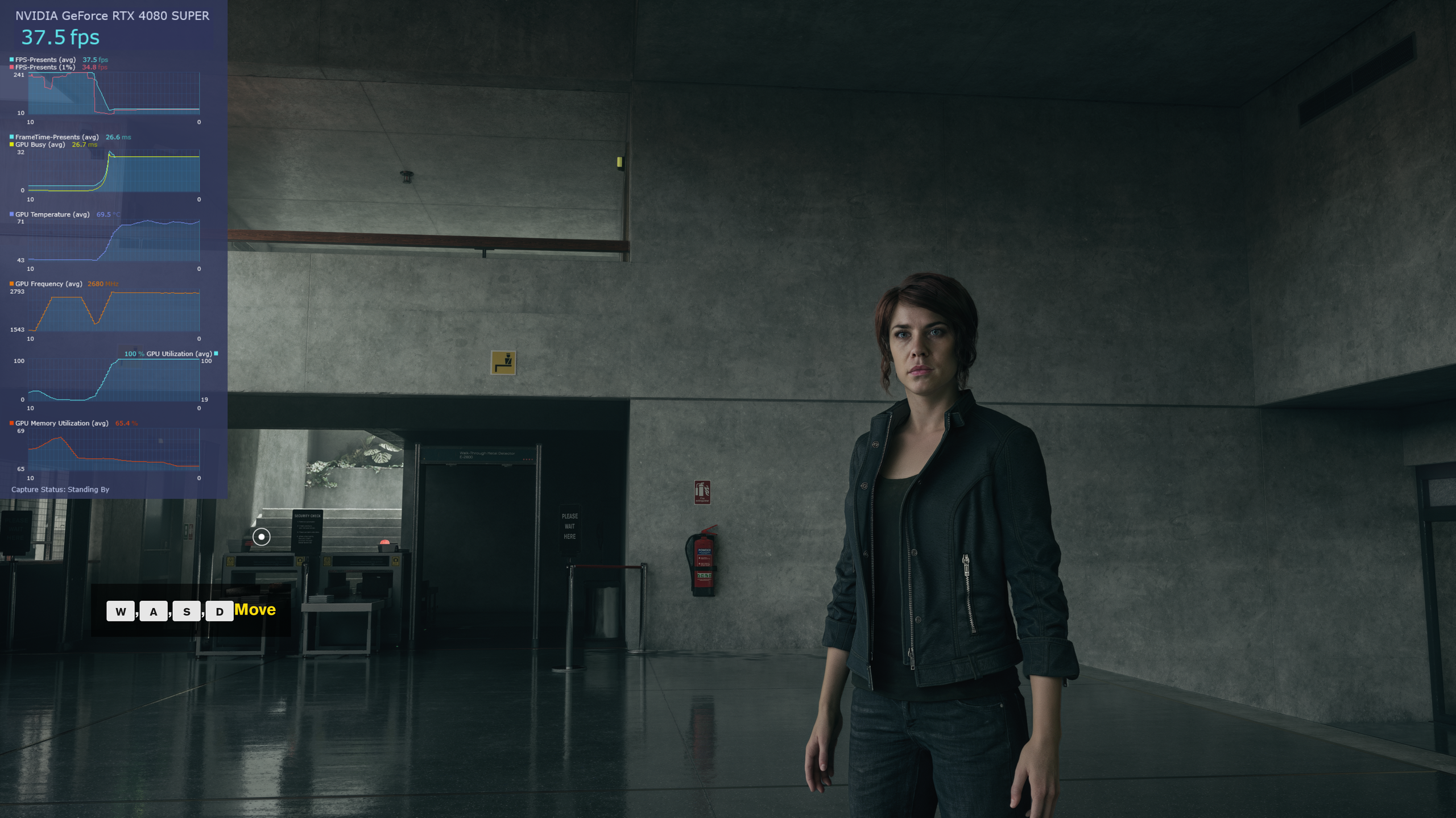
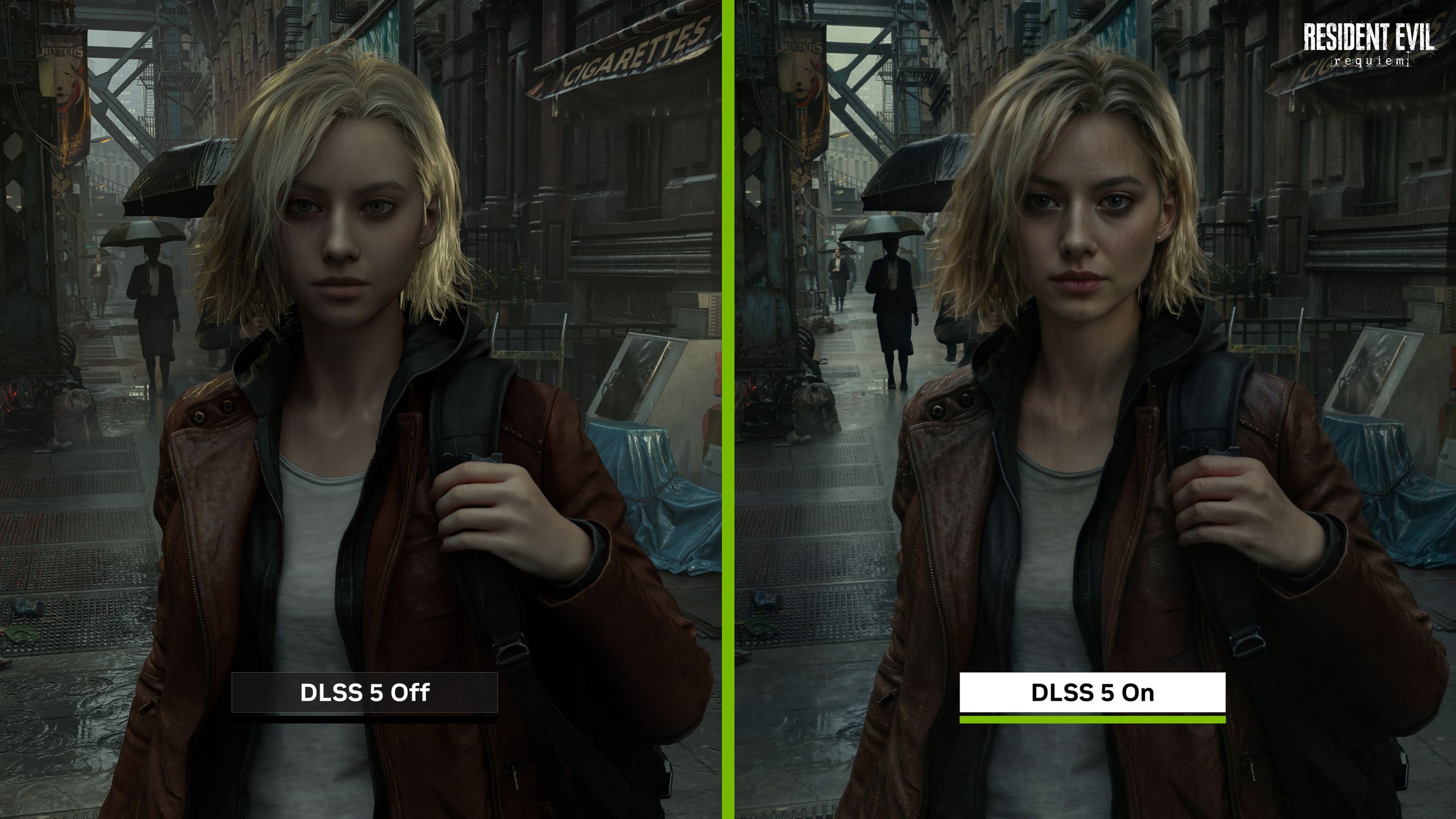
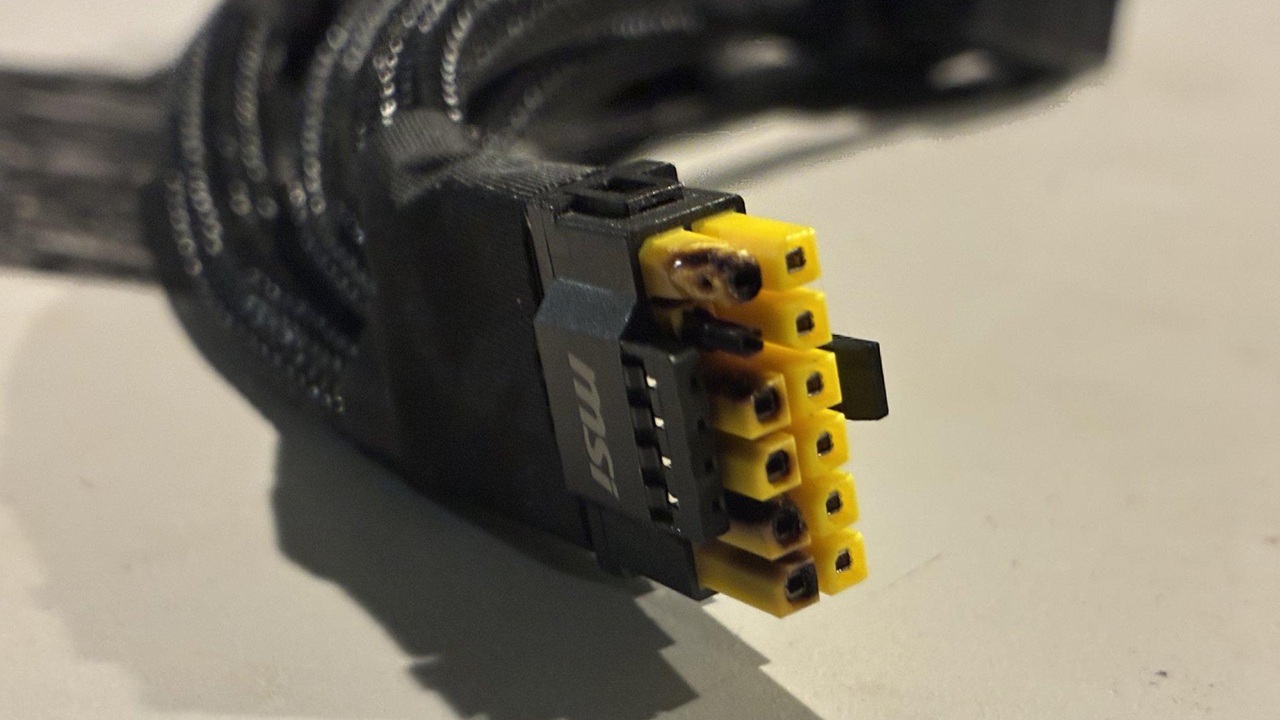
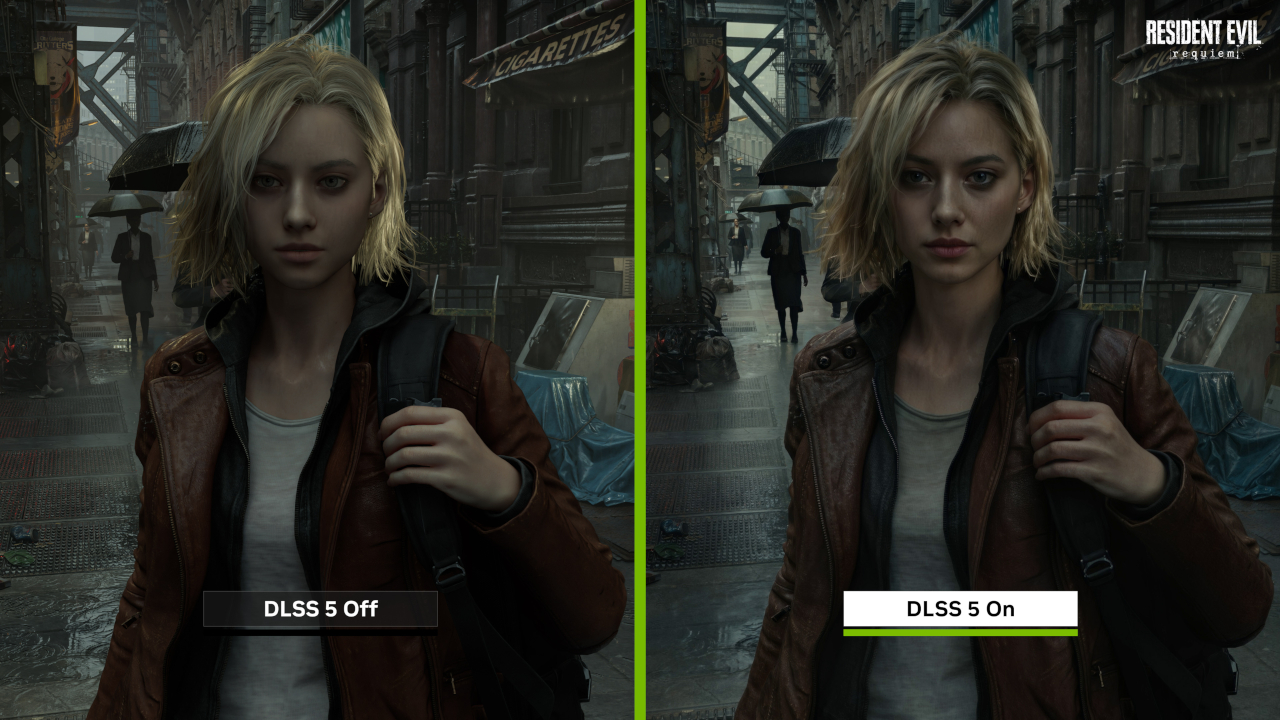
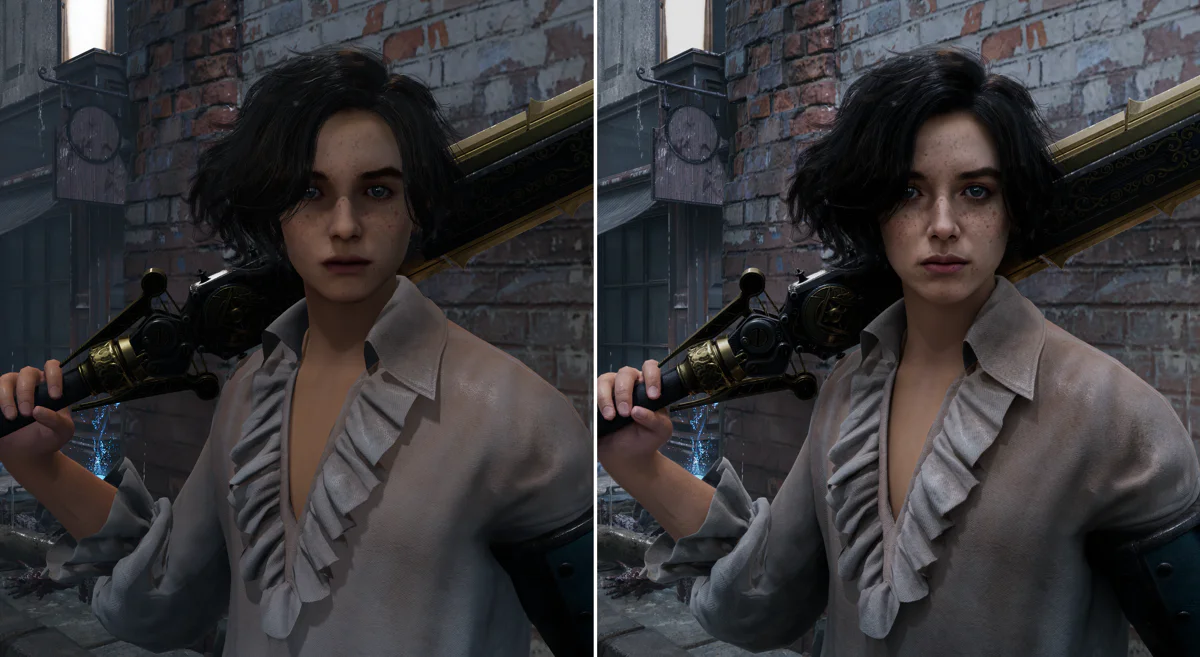
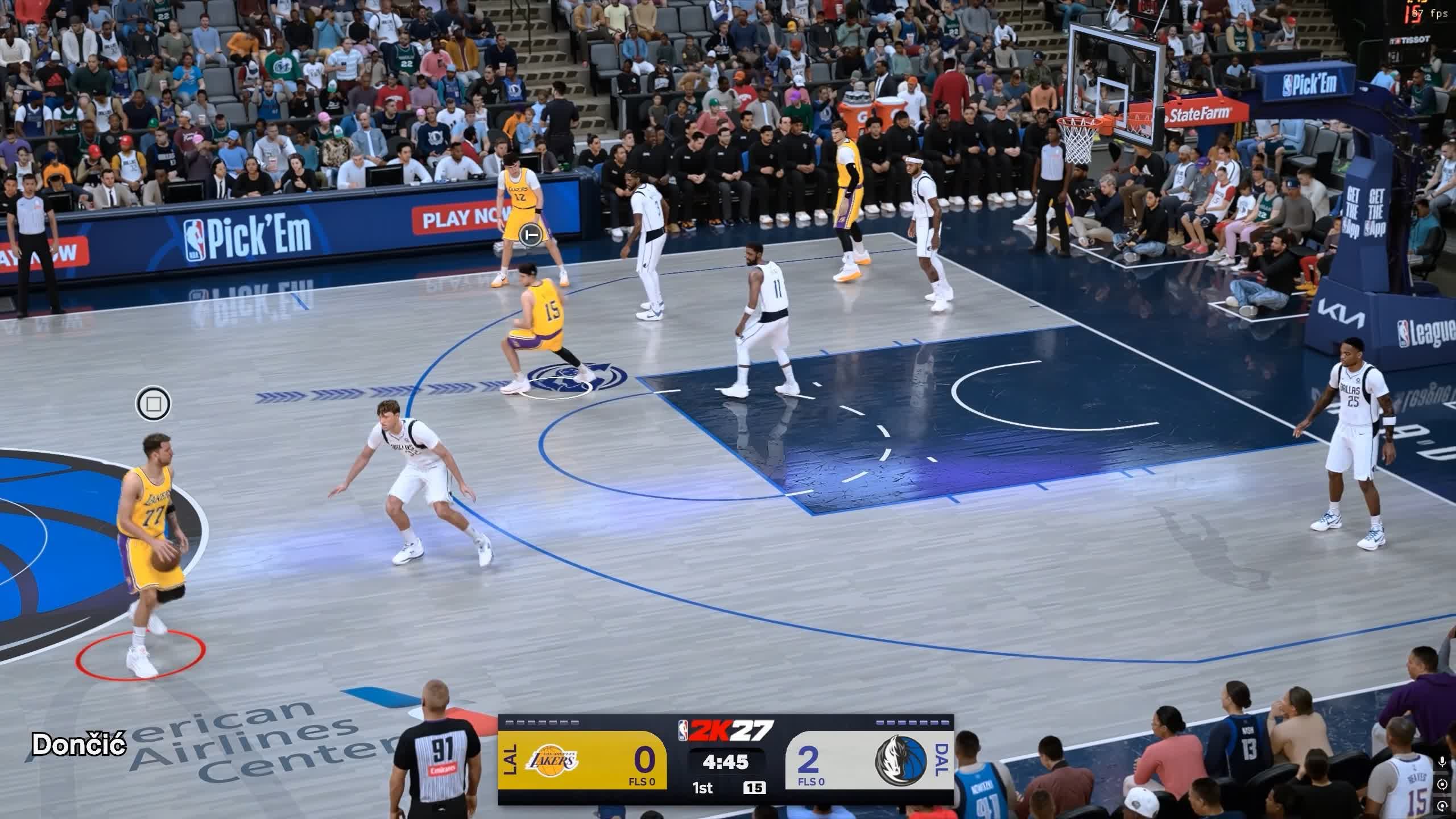
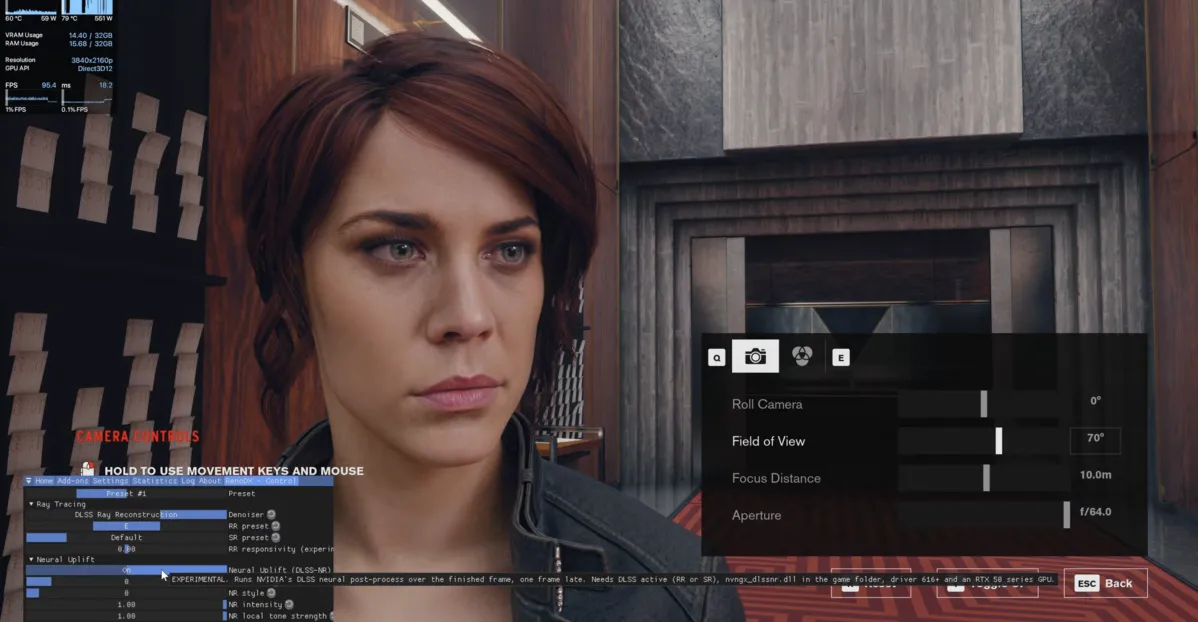
It's been a wild few days for gamers, as a version of the DLSS 5 model leaked with NBA2K27 and promptly got modded into every game under the sun. After initial builds that relied on ReShade to make the model work, the community has since wrapped up DLSS 5 into an Optiscaler package that makes adding it to most games nearly painless. With that development, we wanted to get a sense of how the tech performs ahead of its official release.We're not going to weigh in on the aesthetic or philosophical implications of applying DLSS 5 to a particular title here. That ground has been extremely well trodden already, and if you haven't been stuck under a rock this past week or so, you've likely seen what DLSS 5 can do for yourself.We're more interested in getting an idea of the performance cost of getting DLSS 5 running, along with the power requirements it incurs. Whether you love or hate this model's effect on a game's appearance, you can weigh your feelings against the performance cost involved in getting there.Before we get to the numbers, some caveats: the Optiscaler DLSS 5 injection method may not represent the behavior of this model when developers integrate it through Nvidia's Streamline framework. Streamline may offer less overhead and better performance than what we saw here.But Nvidia's technical paper on DLSS 5 says that the model takes 8 ms to execute on a 4K frame, and that's essentially identical to the performance metrics that we saw from Optiscaler when it's running. So it seems unlikely that the official version will be far off the performance we measured if it's implemented in these titles using the proper channels.For these limited tests, we chose to focus on the RTX 5090 Founders Edition's behavior under DLSS 5 to explore the largest performance drop one might expect from this community implementation of the tech.Out of curiosity, we also grabbed MSI's RTX 5090 Lightning Z from the TH arsenal. This RTX 5090 has a unique two-12V-2x6 connector power setup and a 1000W power limit available through its Extreme vBIOS. Given the apparent arithmetic intensity of DLSS 5, we wanted to see whether running it would consume any of the extra available power headroom from that card's twin-plug design.Get Tom's Hardware's best news and in-depth reviews, straight to your inbox.For our small sample of games, we used the following basic settings: a 4K output resolution target fed by DLSS Performance upscaling (i.e., a 1920x1080 input) without frame generation, as well as maximum raster and ray-tracing quality settings (or path tracing, in the case of Cyberpunk 2077) and DLSS Ray Reconstruction where it was available.We didn't use Multi Frame Generation in these tests. We want to cleanly represent the performance baseline you can expect from DLSS 5 given the above constraints.Cyberpunk 2077 performanceWe started our performance explorations with Cyberpunk 2077. Optiscaler was an easy install for this game, and we confirmed that neural rendering was making the expected difference in facial detail and lighting realism when we activated it.