Academia
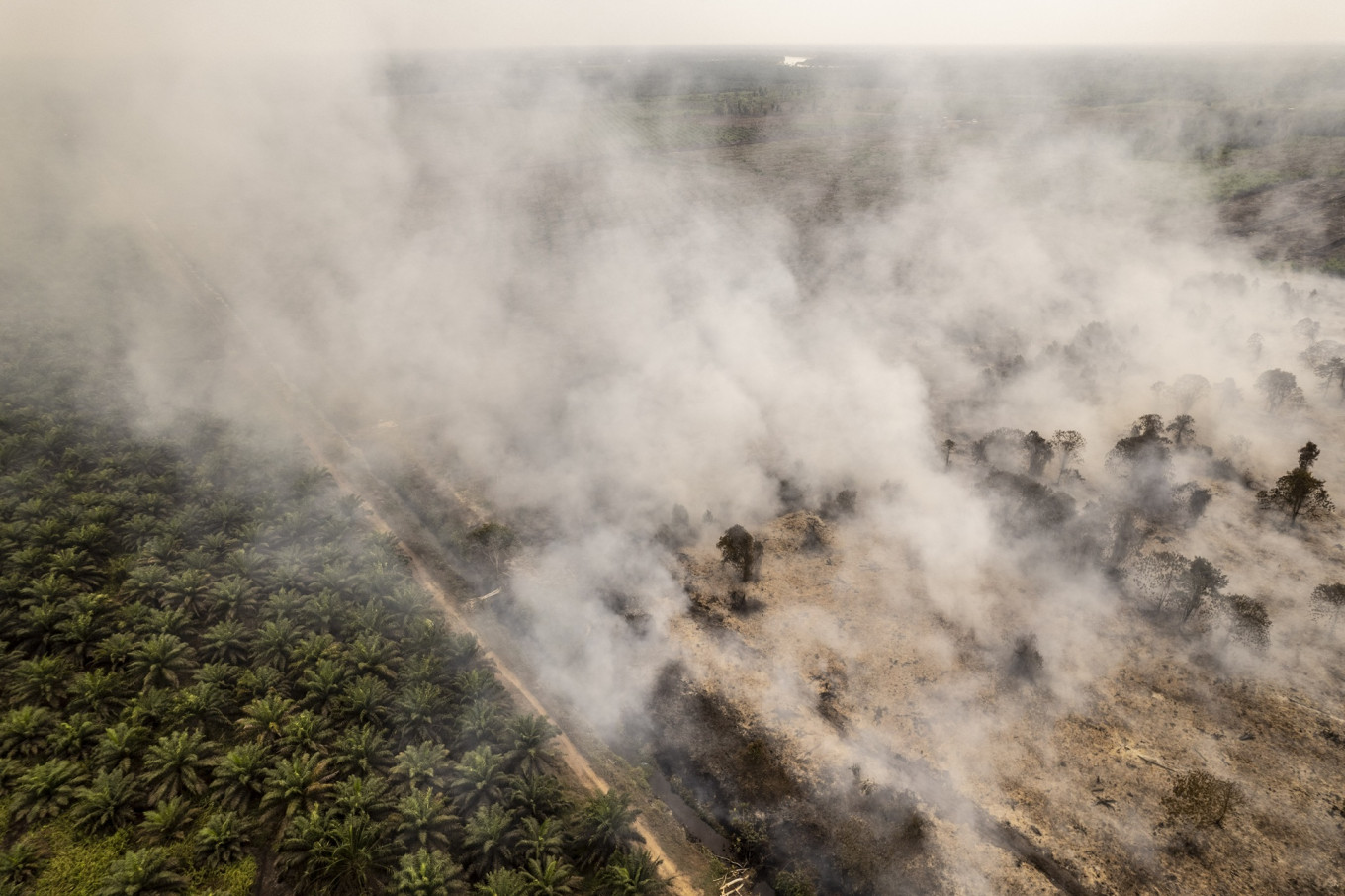
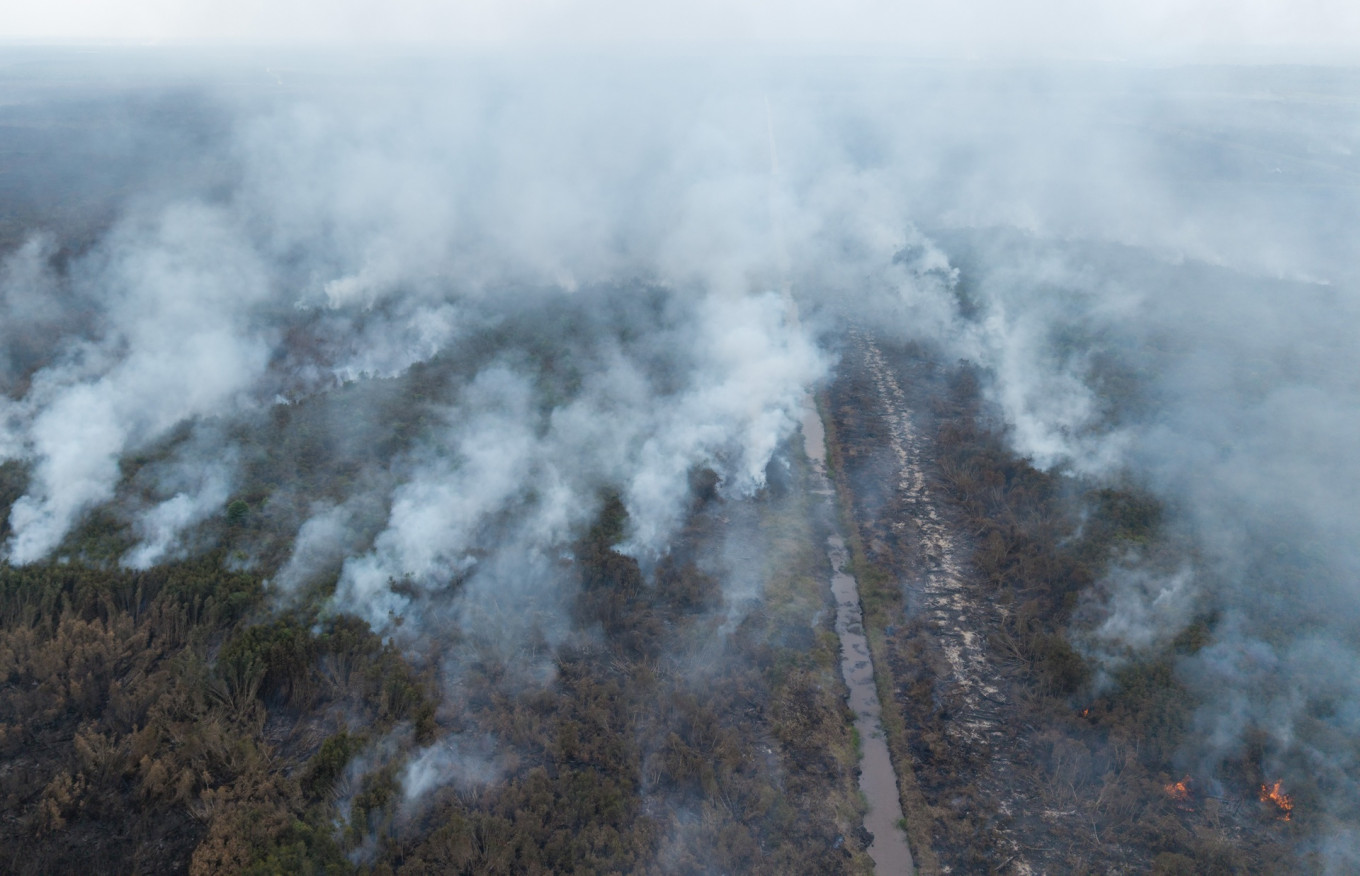
While Indonesia dreams up airborne flour bombs to fight forest fires, its peatlands are quietly sinking out of existence—governed by an ignored 40-centimeter water rule that no aerial stunt can fix.
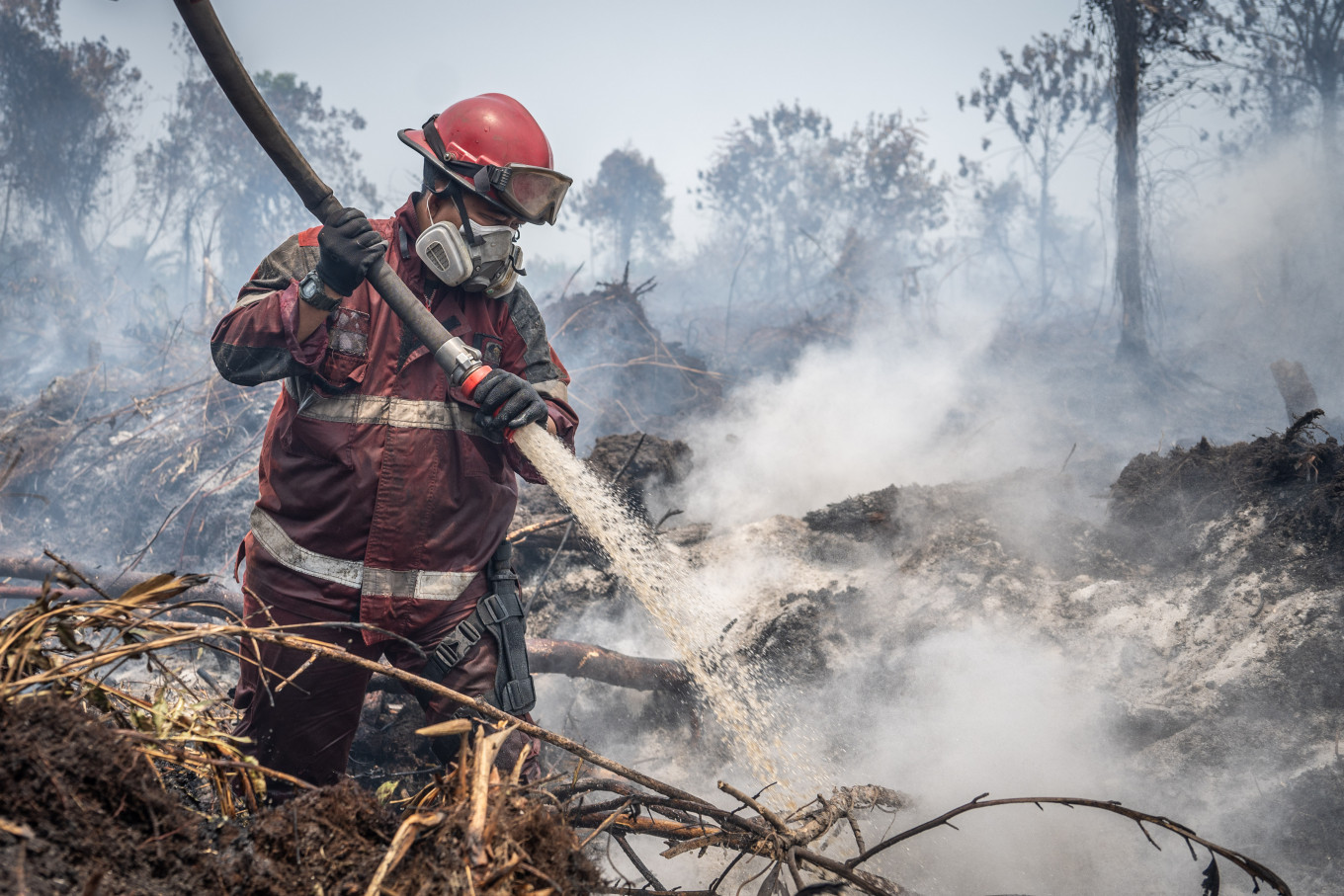
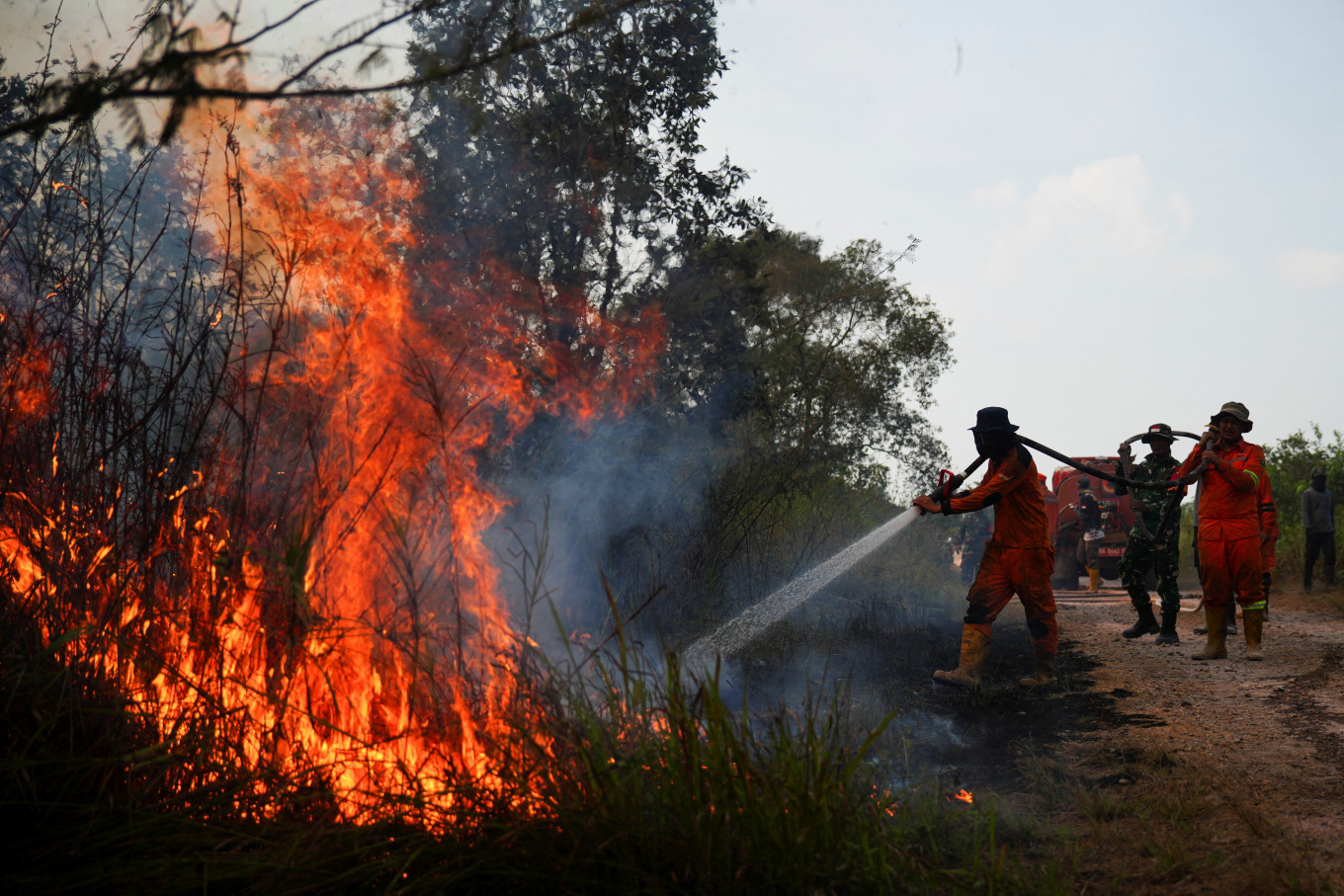
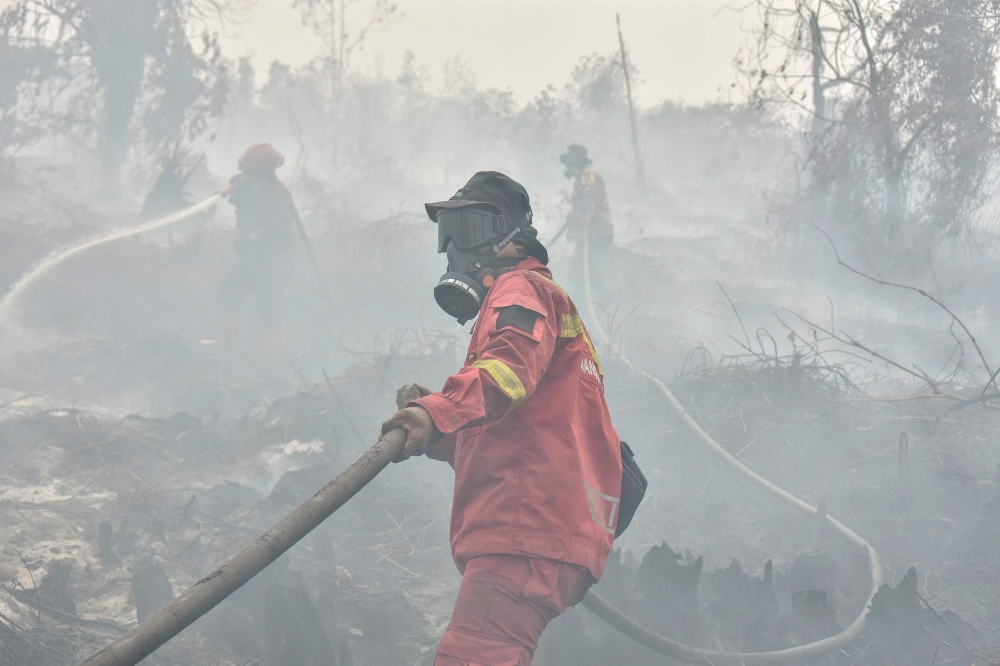
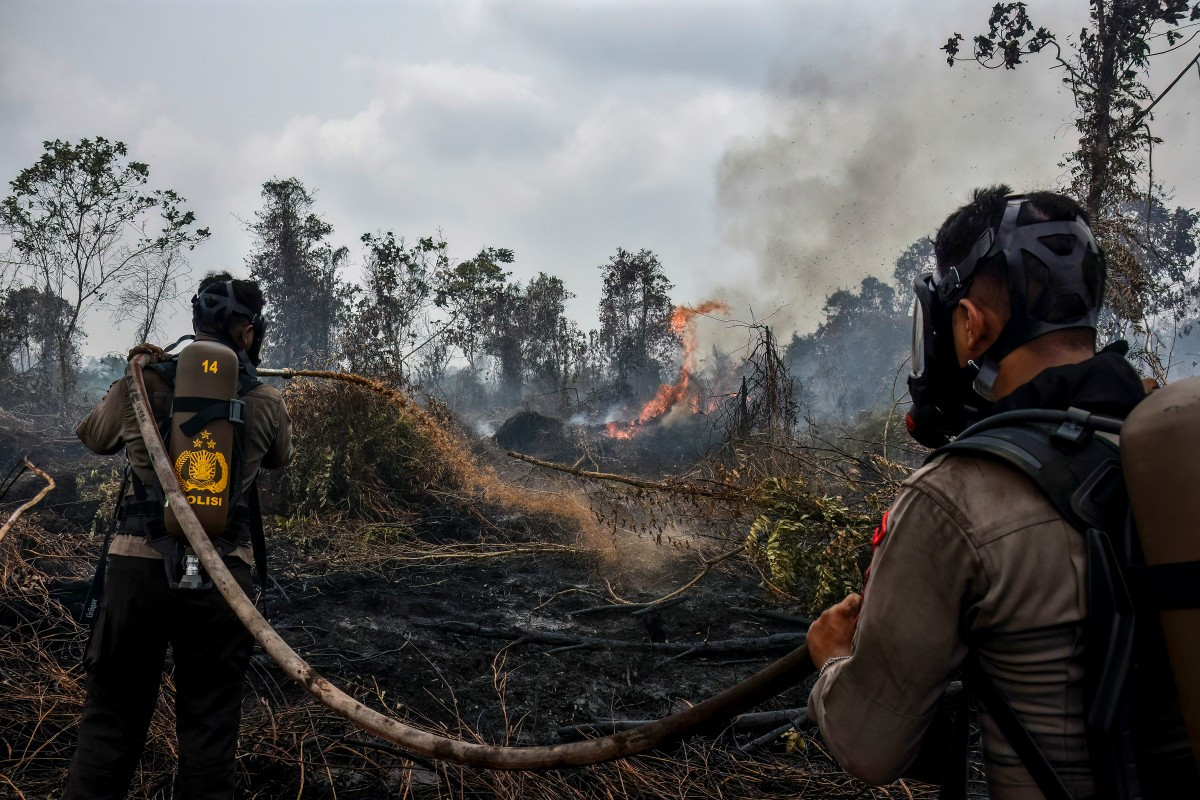
Police in firefighting gear extinguish a peatland fire at Tambang in Kampar, Riau, on Aug. 25, 2026. (AFP/Wahyudi)
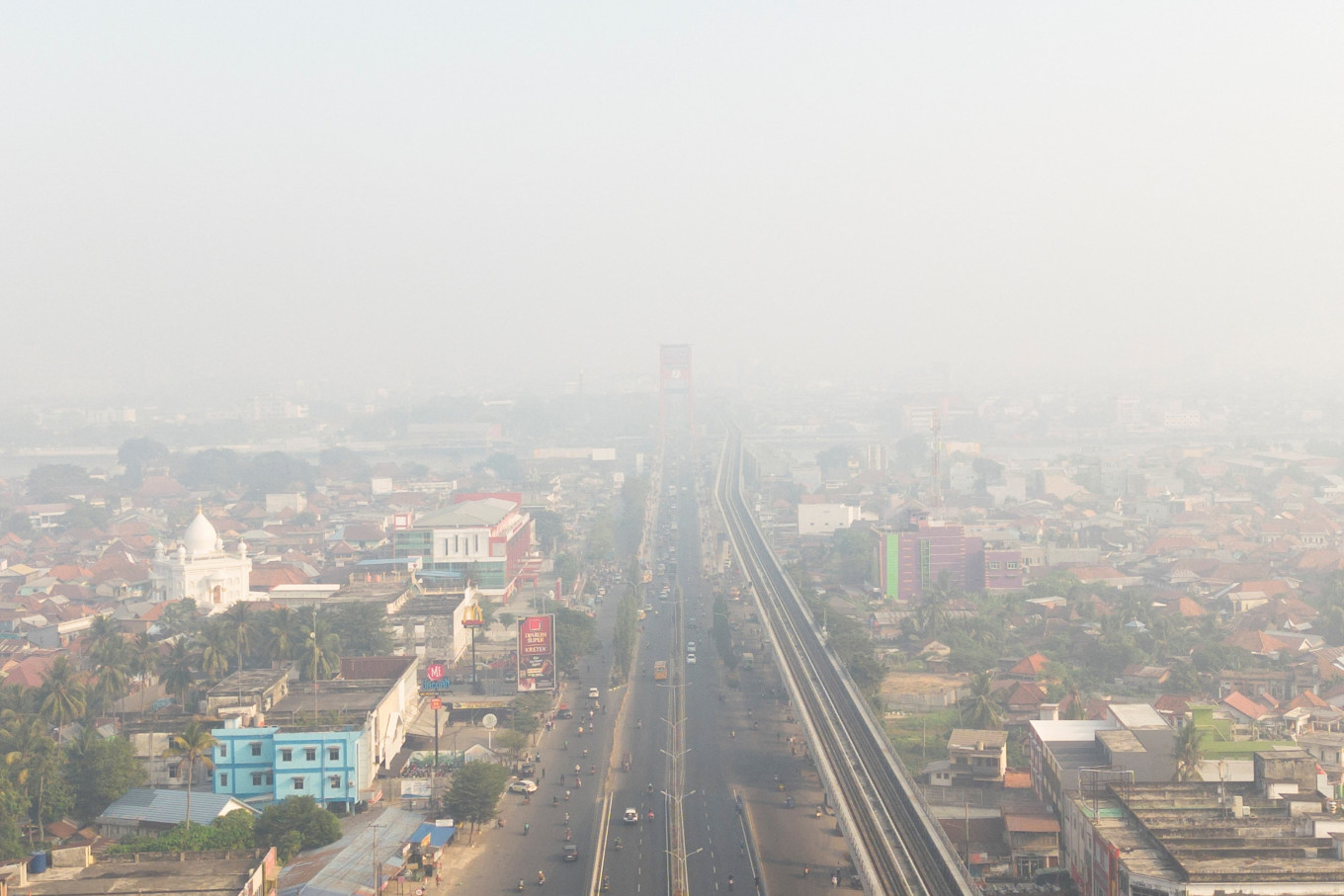
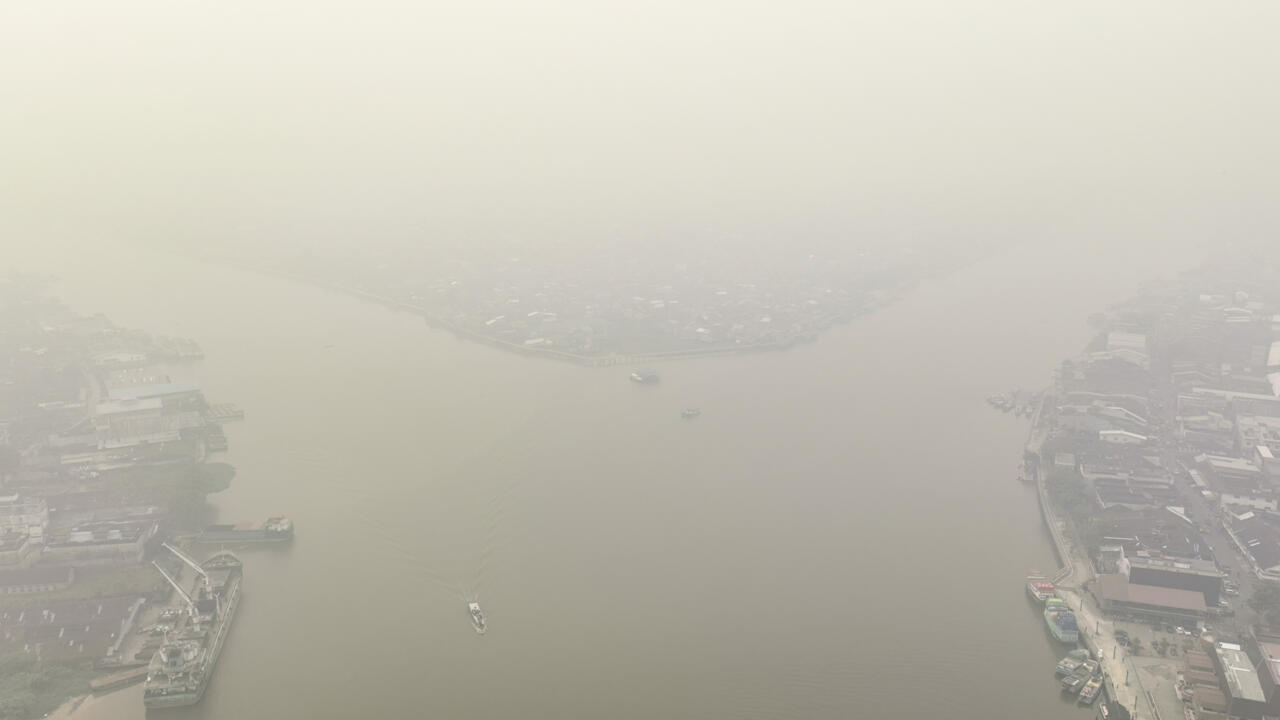
A country with little to laugh about laughed anyway. On Aug. 24, at a coordination meeting in Palembang the National Police chief offered President Prabowo Subianto an unorthodox fix for the smog blanketing South Sumatra: drop cassava flour from helicopters. Prabowo leaned in, tasked the state research agency (BRIN) with costing it out, and calculated the payload out loud: an Mi-17 helicopter carries 4 tonnes of water, so that means 4 tonnes of flour. Then he christened the tactic himself: ubi (sweet potato) bombing.The chemistry is not so much absurd as misplaced. Aerial retardants do use plant polysaccharides, but only as thickeners, not as active suppressing agents. Starch helps water stick; it does not make water extinguish fires any better.
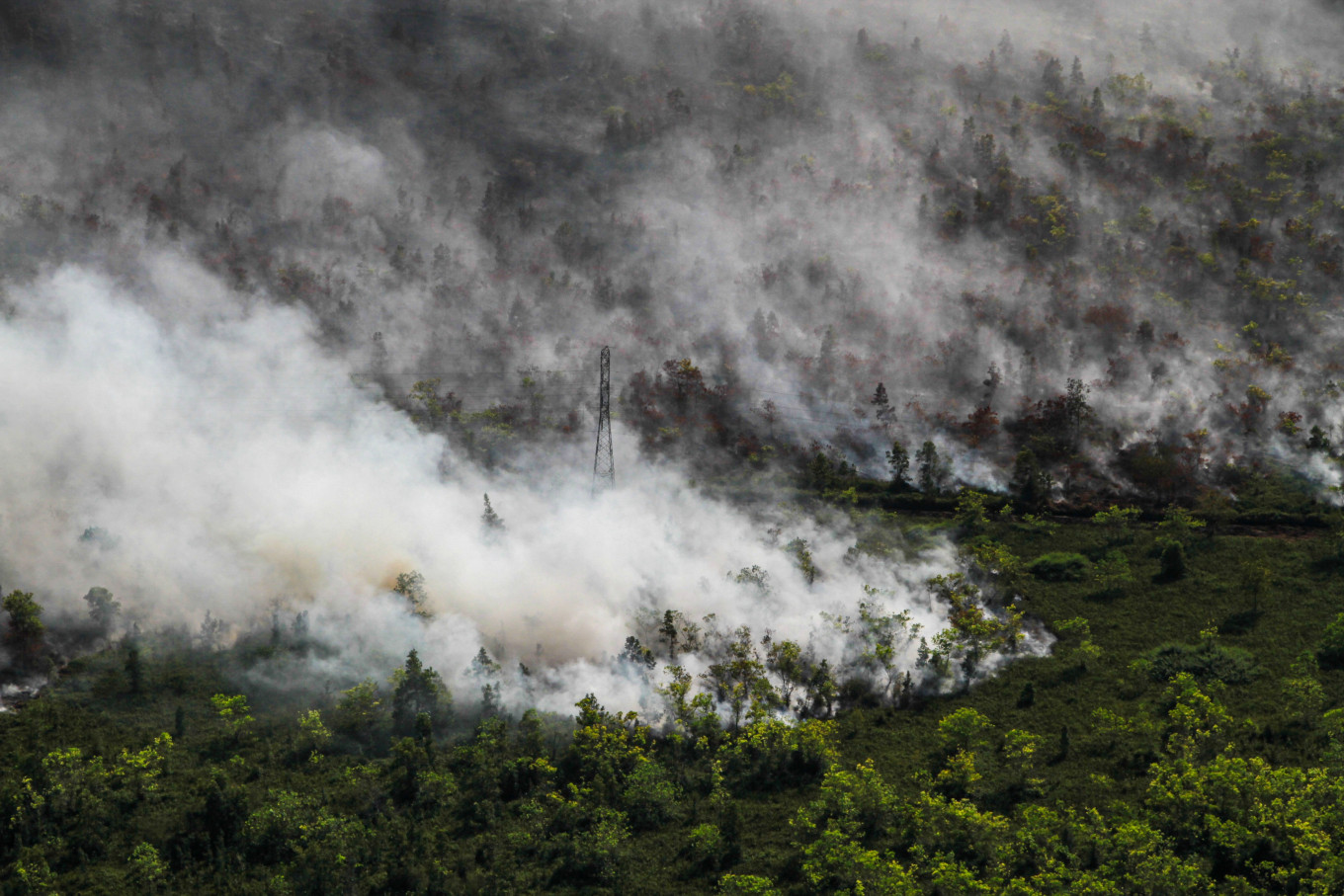
Yet chemistry misses the deeper issue: altitude. Peat fires do not rage on the surface; they smolder deep underground in the organic column. That is why ground crews watch doused sites reignite after dark. The only real remedy is the water table, Indonesian law mandates drainage depth at no deeper than 40 centimeters below the surface. Everything else is theater staged from 300 meters in the air.