Academia
Satellite dots and convenient scapegoats won't stop the haze, breaking the country’s fire crisis demands trading assumptions for real accountability on the ground.
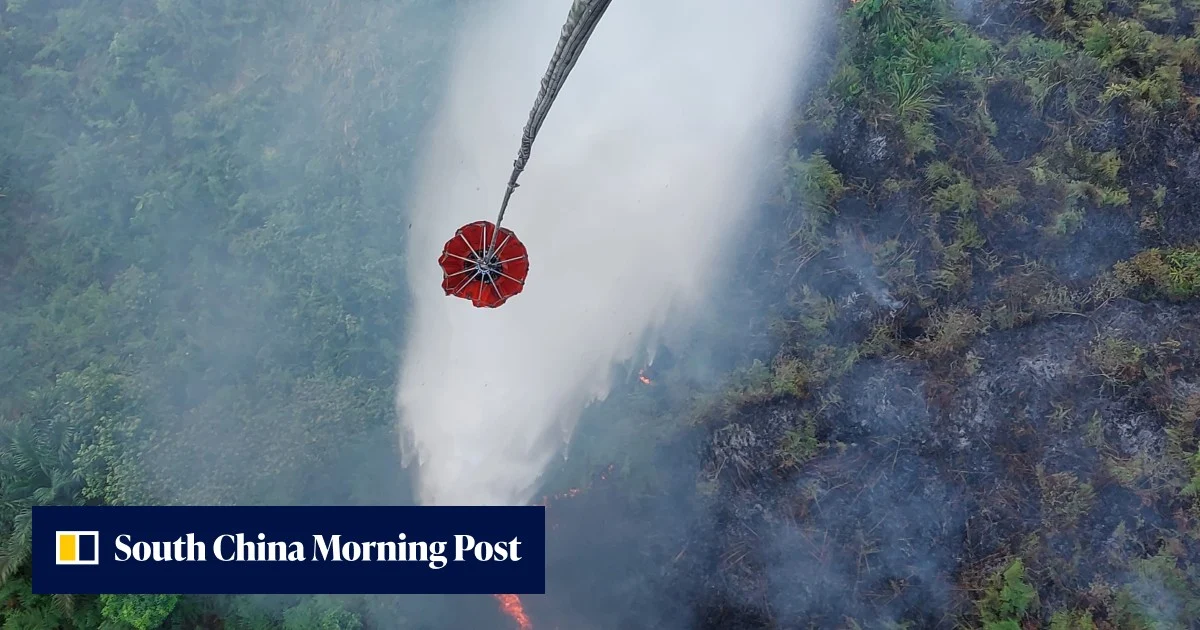
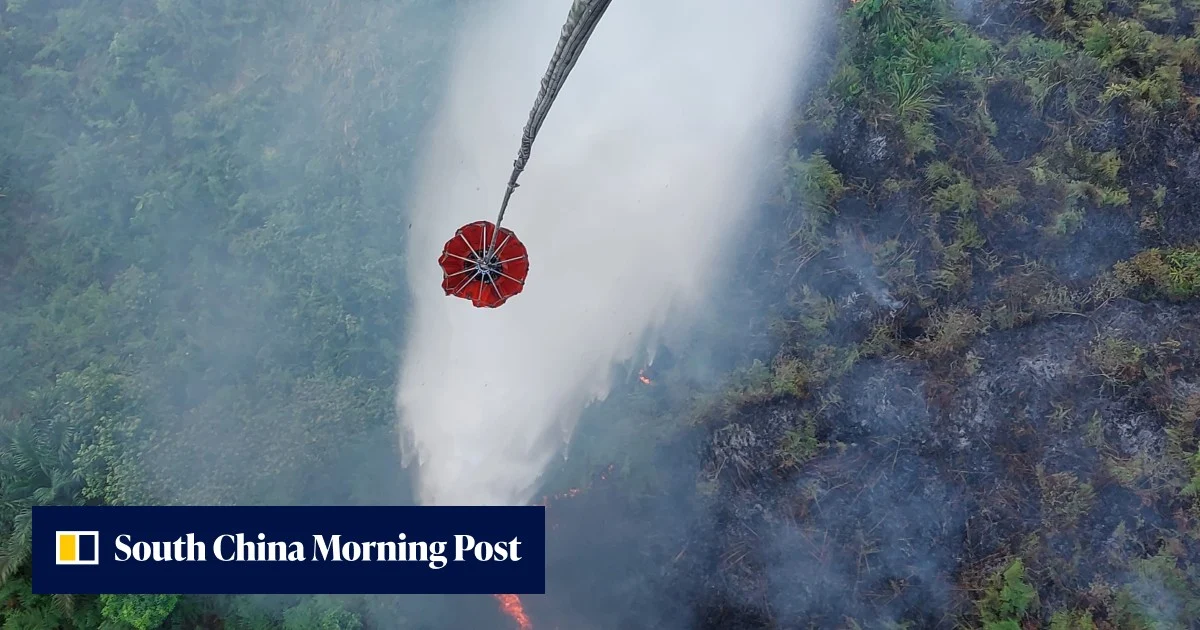
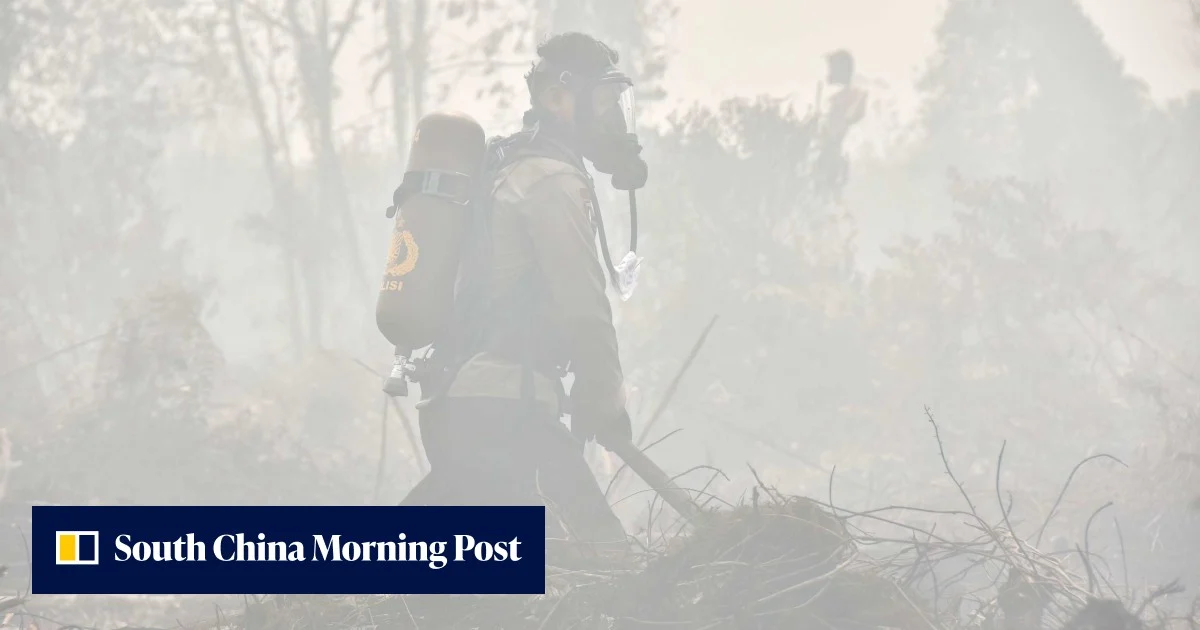
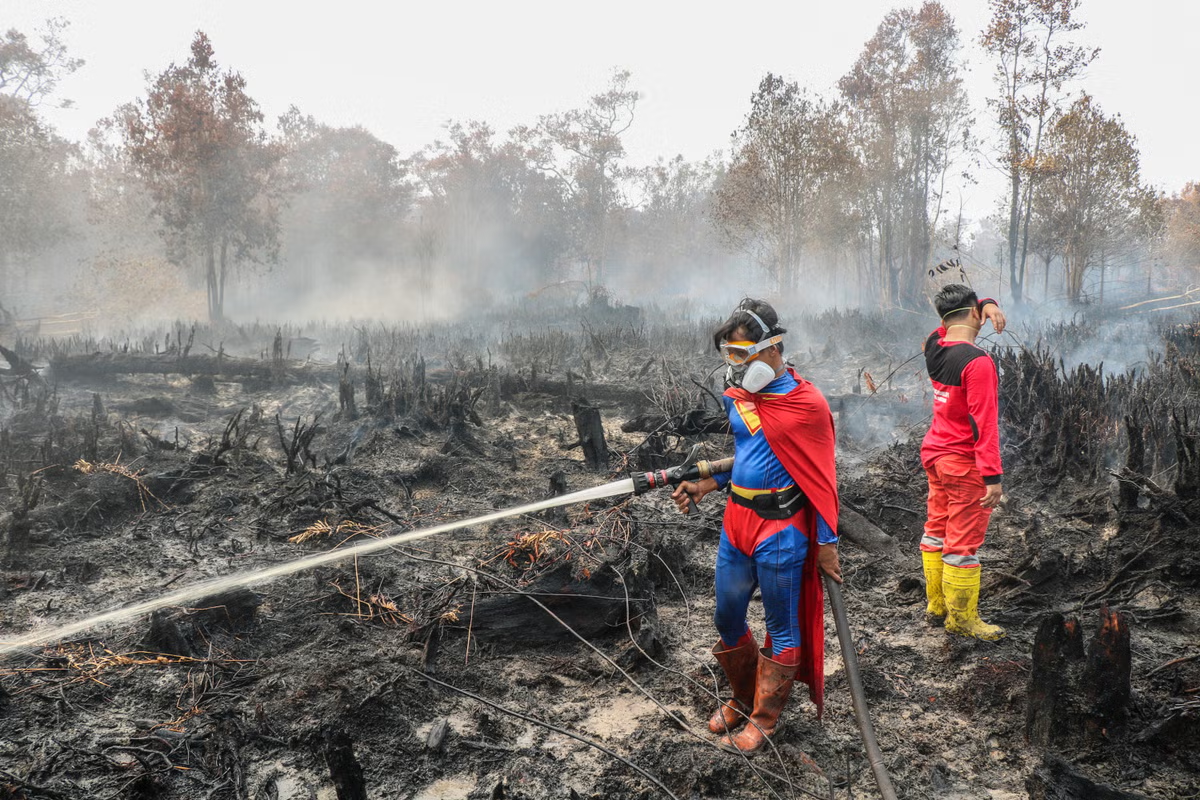
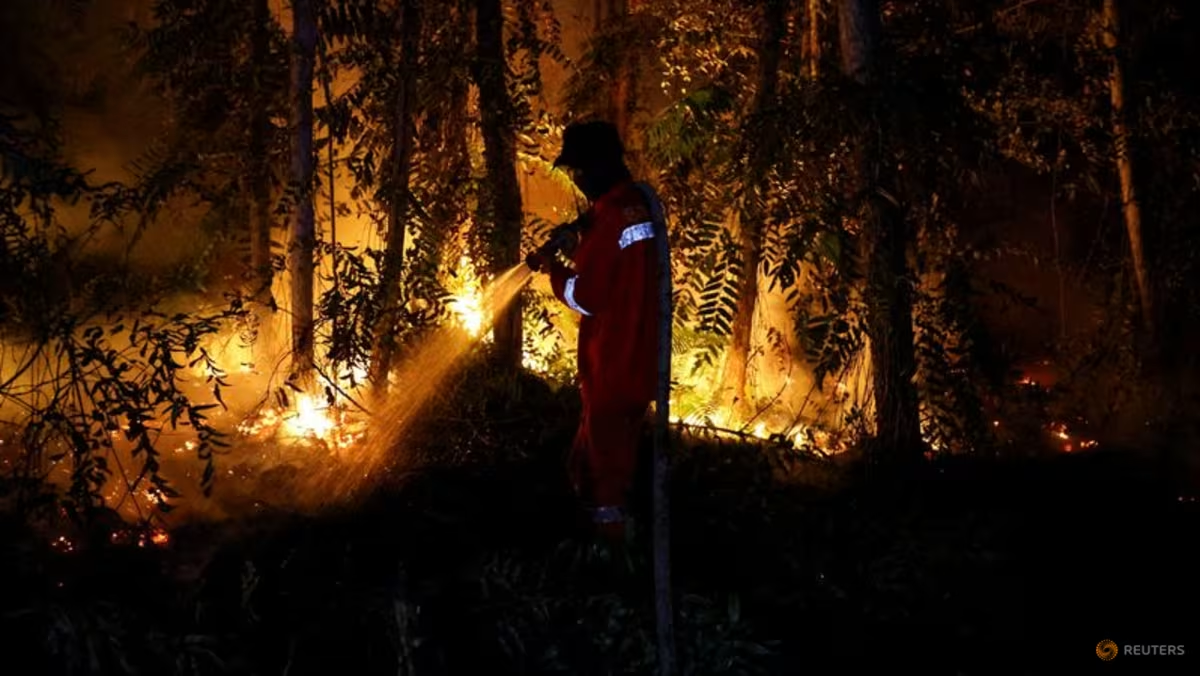
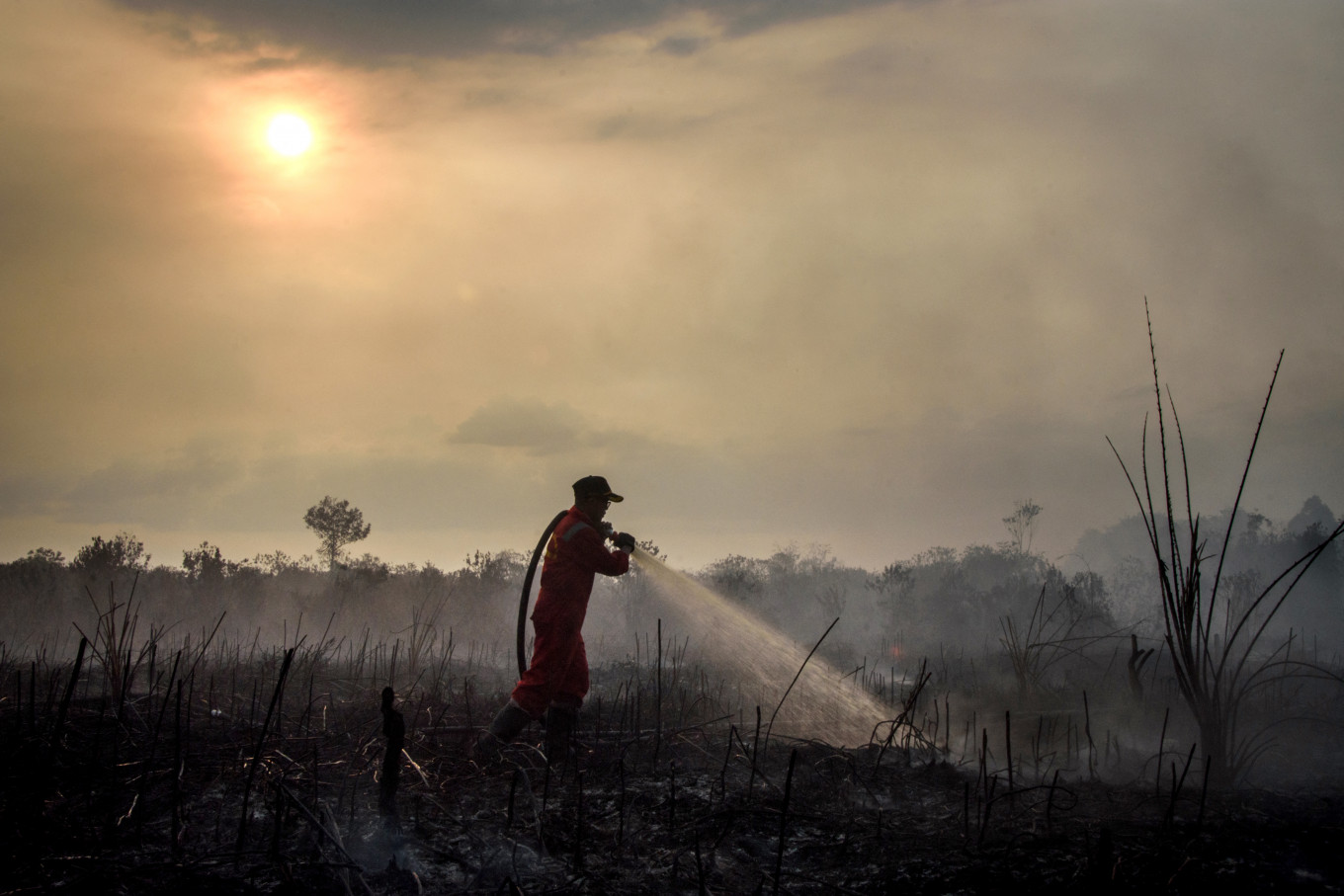
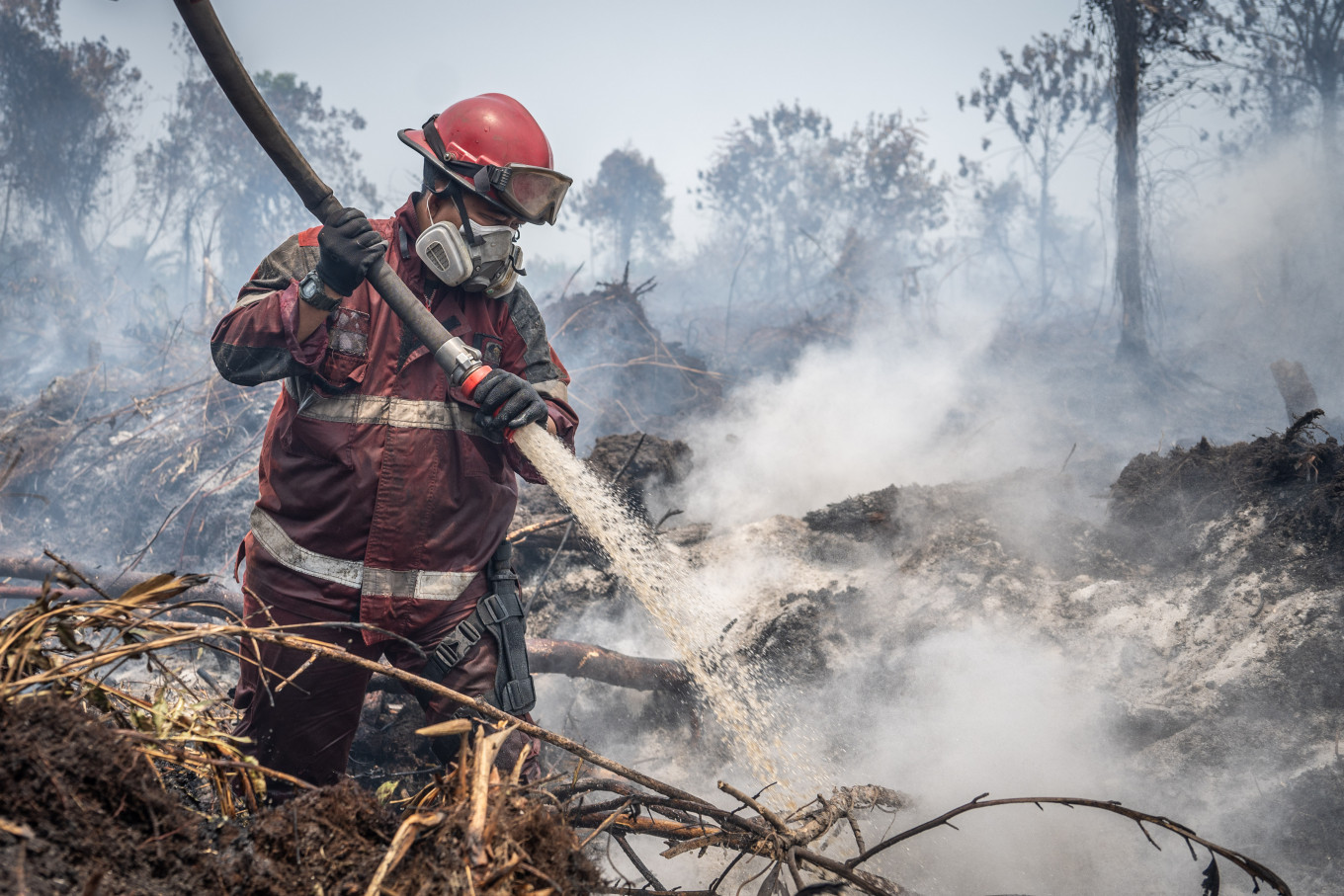
A fireman extinguishes a peatland fire on Aug. 24, 2026, in Kampar regency, Riau. The Riau provincial administration and other agencies reduced the area affected by forest and land fires from about 16,000 to 900 hectares between January and August 2026. (Antara/Bayu Pratama S)
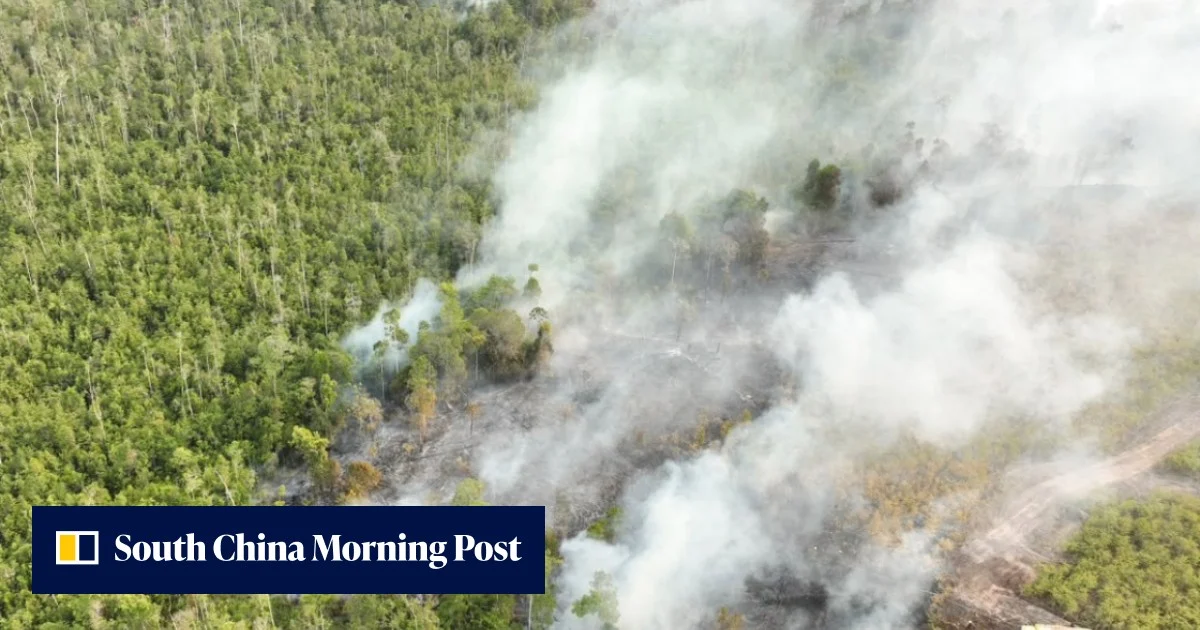
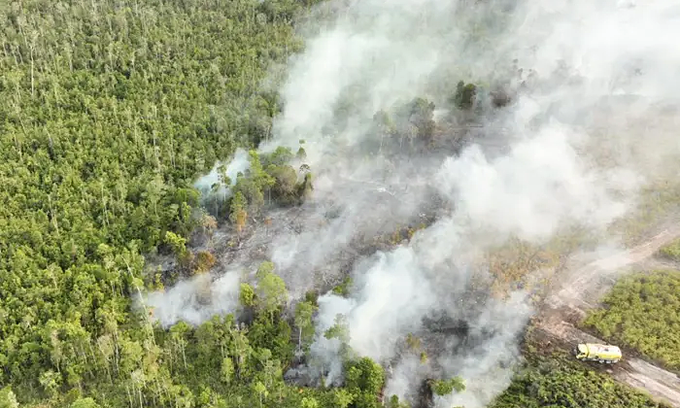
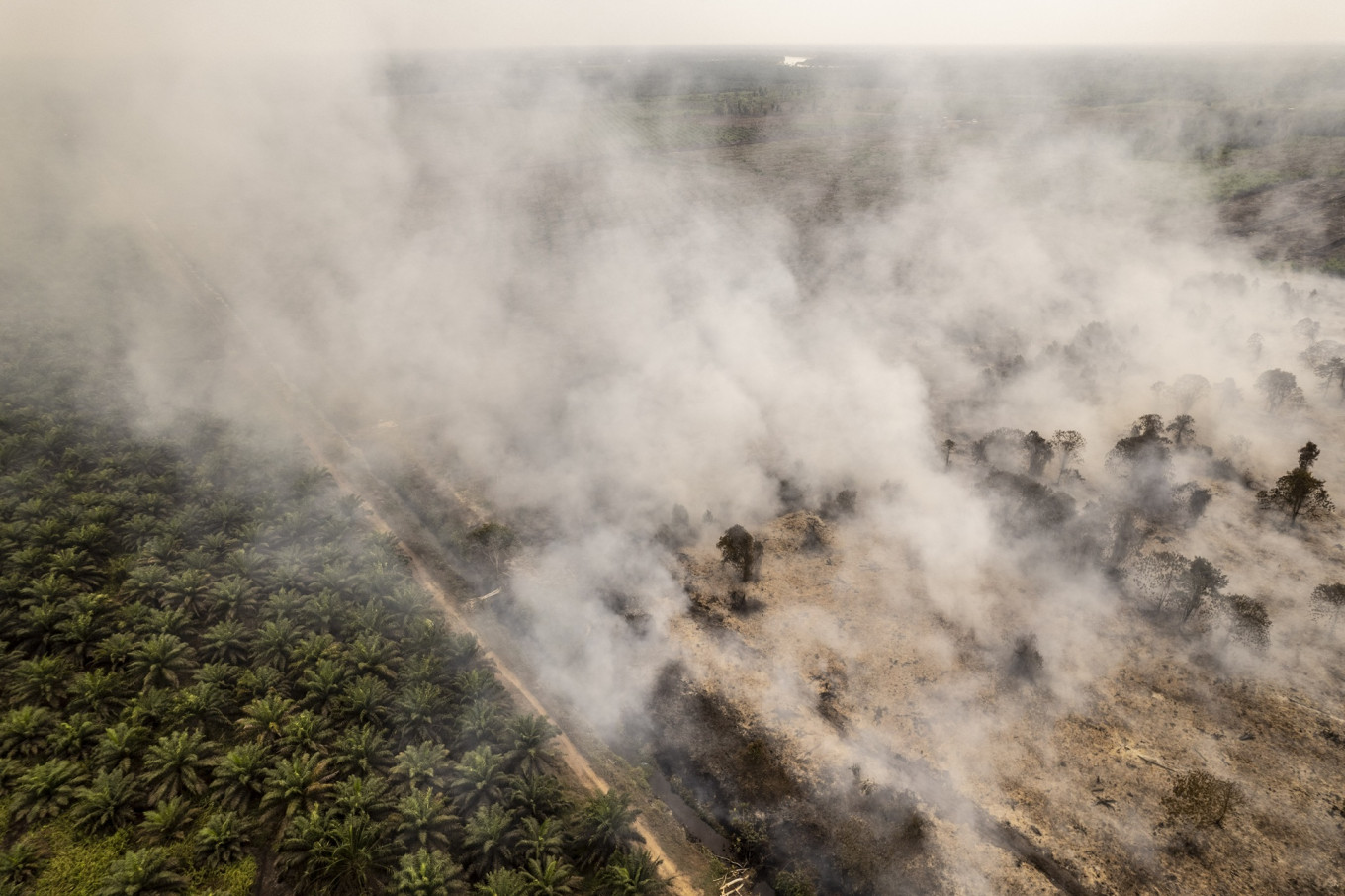
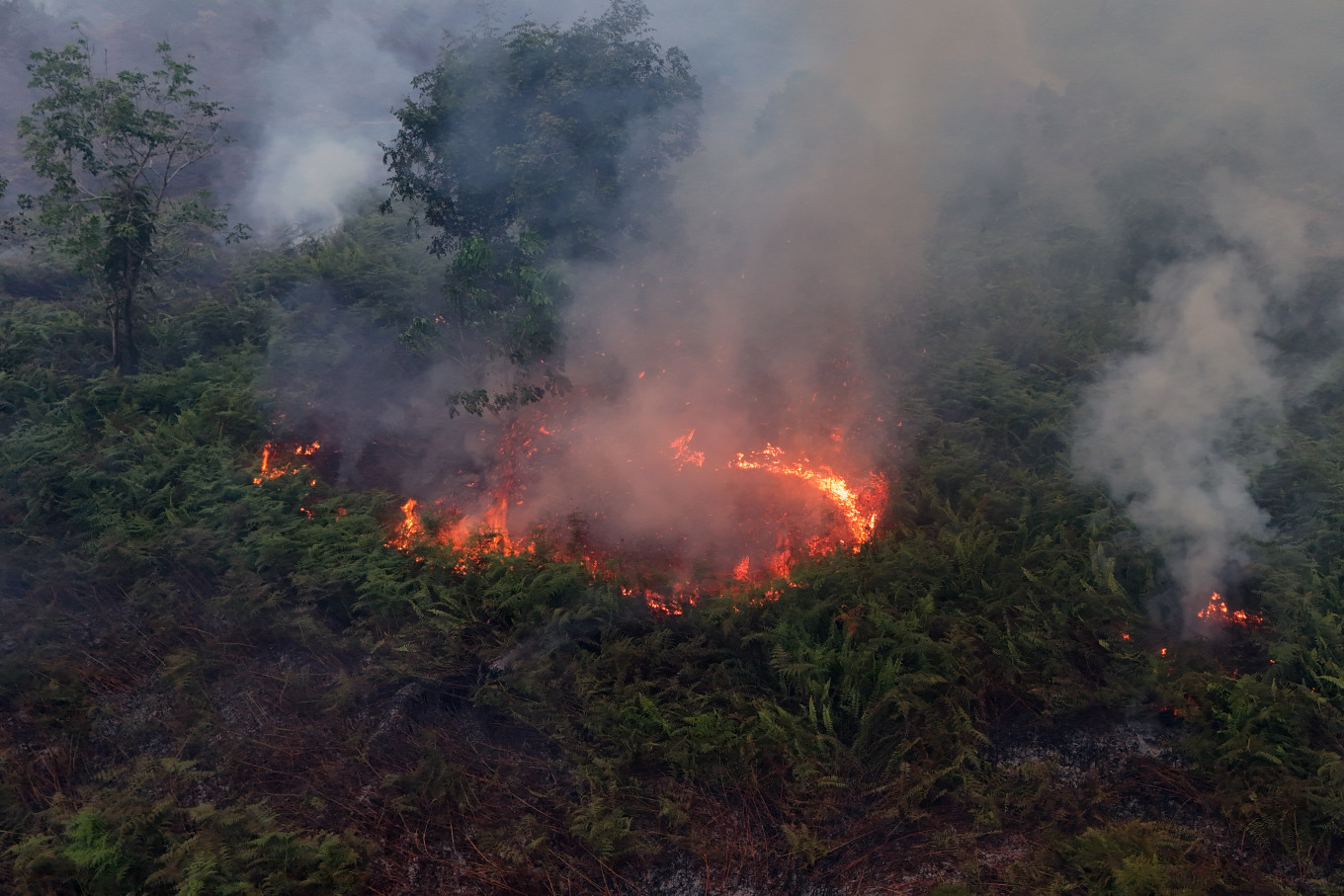
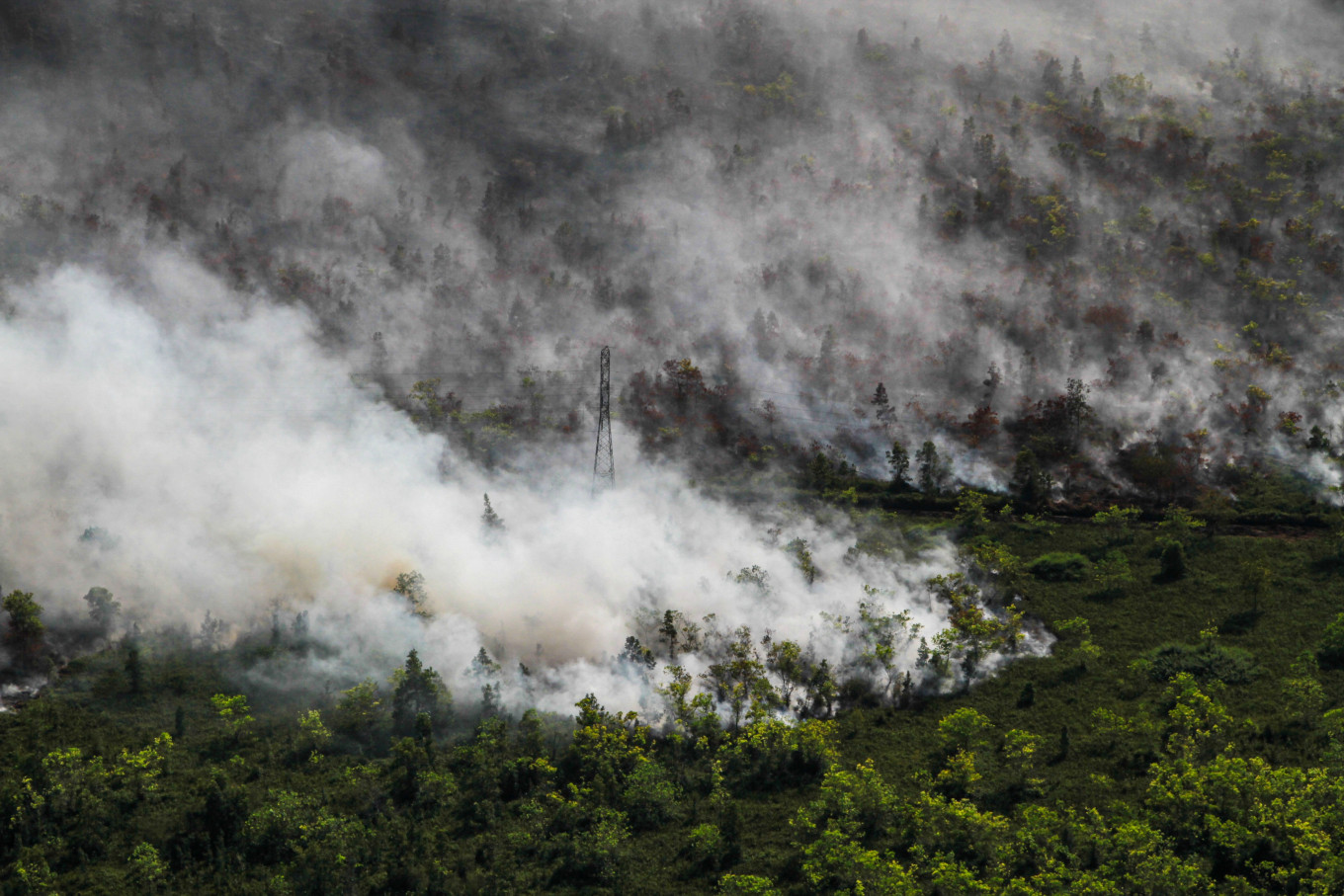
Hotspots are reappearing across the country before the dry season has even peaked, reigniting an old debate: Who should be held accountable?Satellite data as of this month shows just how serious the threat is. More than 2,900 hotspots were detected in Sumatra and Kalimantan. The former recorded over 1,000 hotspots spread across various provinces. In Kalimantan, the number is even higher, dotting nearly all regions.
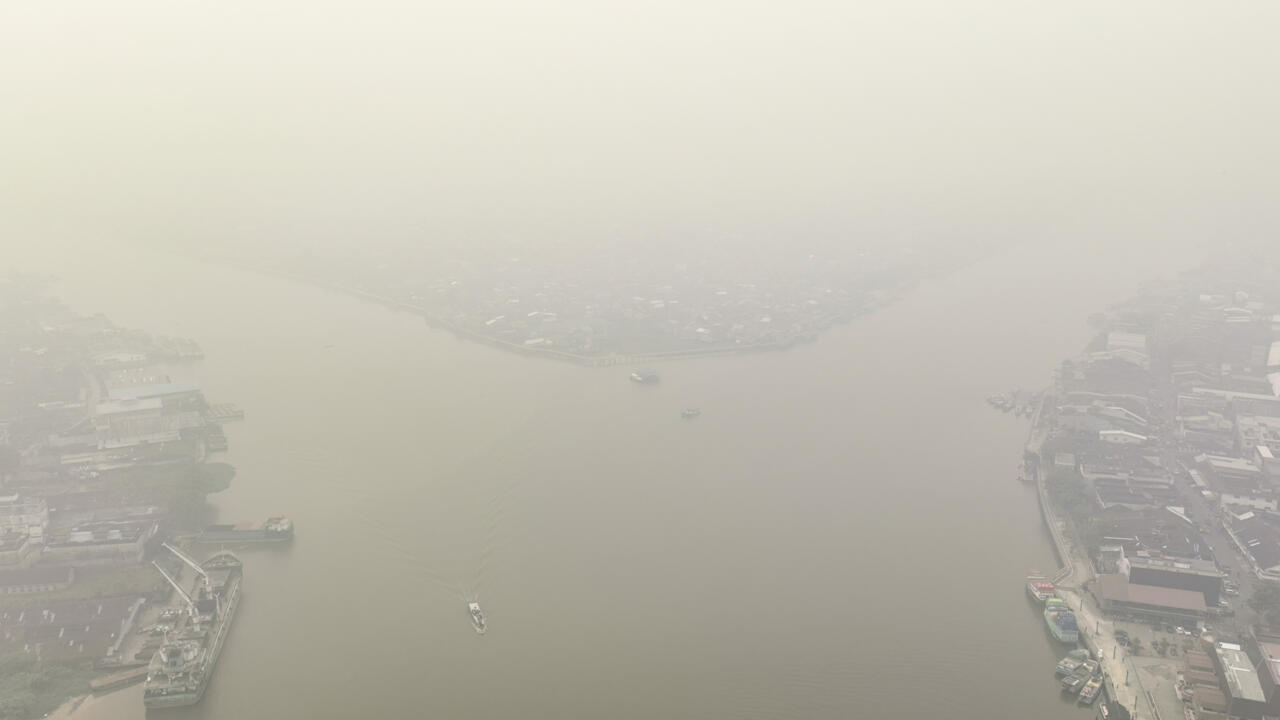
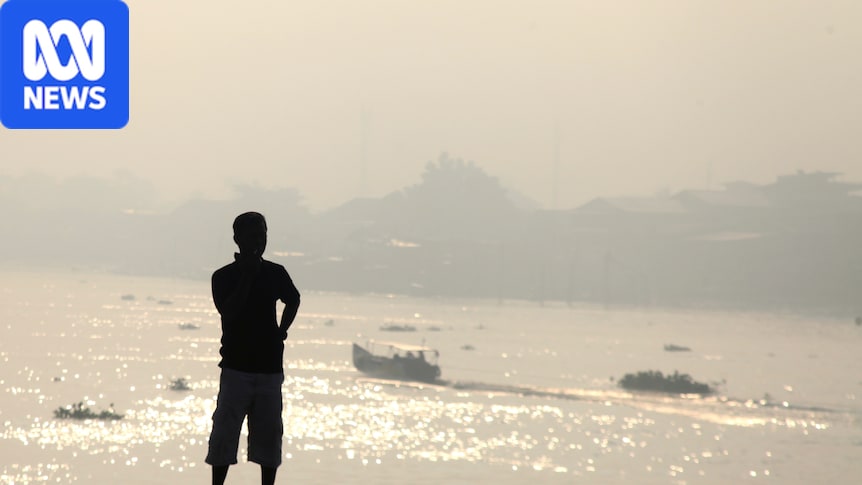
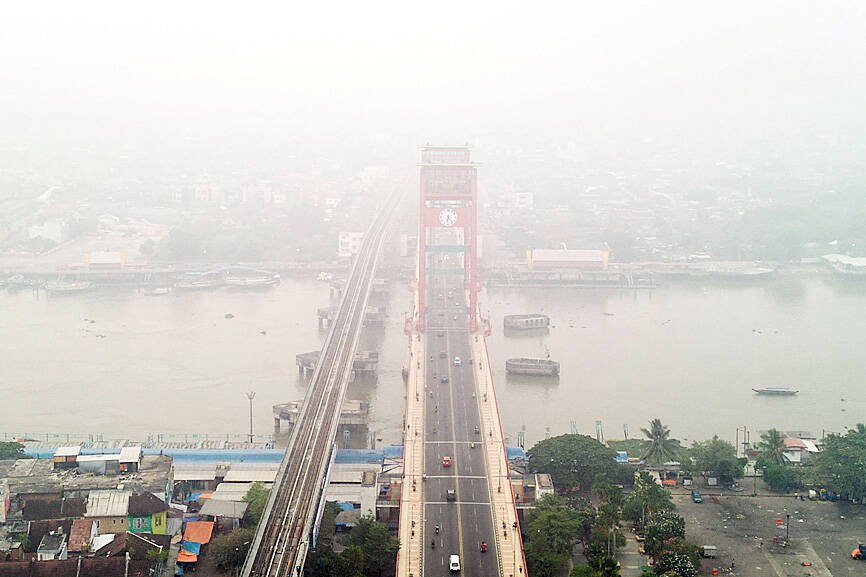
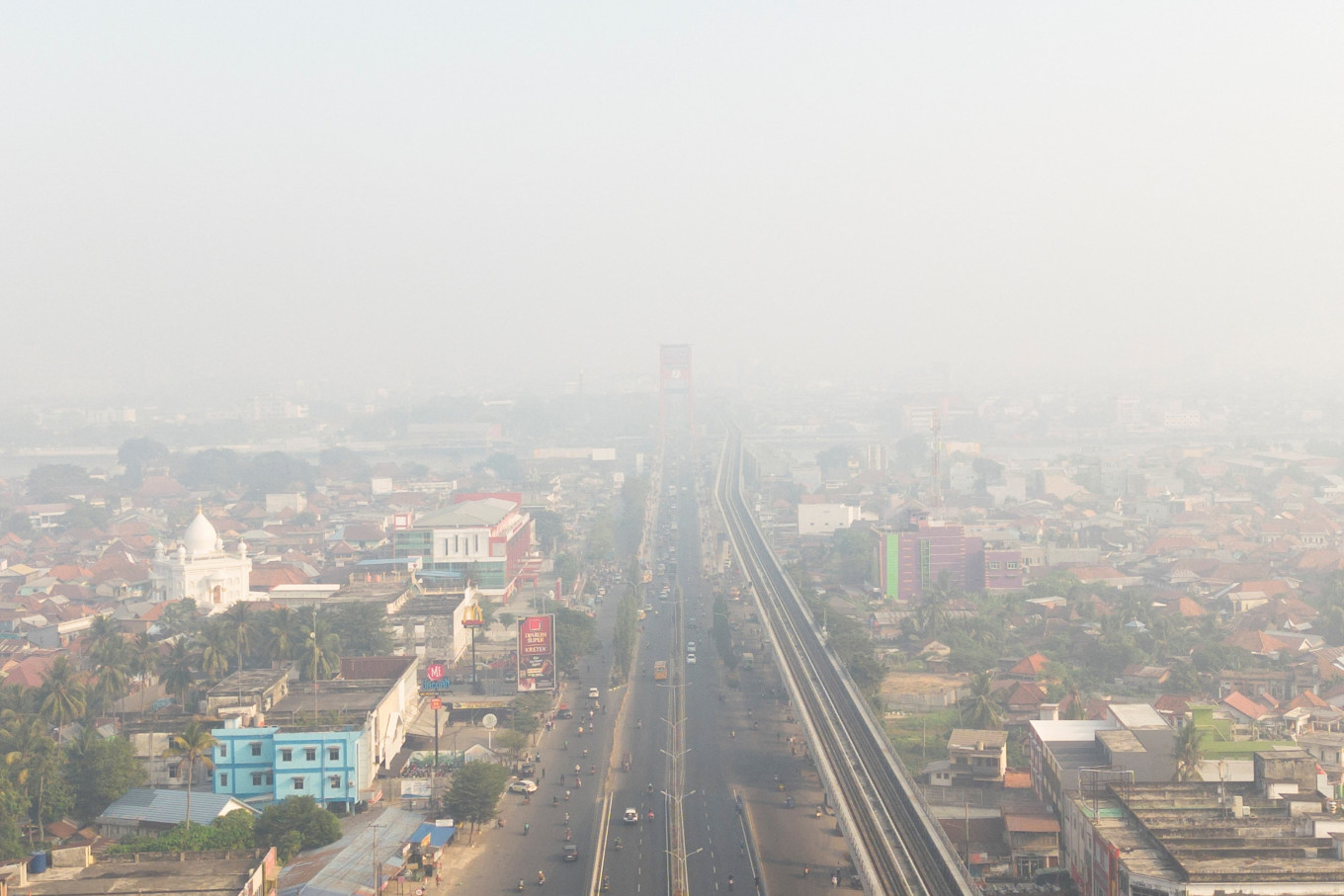
The haze always follows the same path, a blip on a satellite monitor turns into a column of smoke, soon swelling into a crisis far larger than the fire itself. Every severe dry spell plunges Sumatra and Kalimantan back into familiar dread. Yet the moment flames spread, public discourse rushes to assign blame, bringing genuine solutions to an immediate standstill.