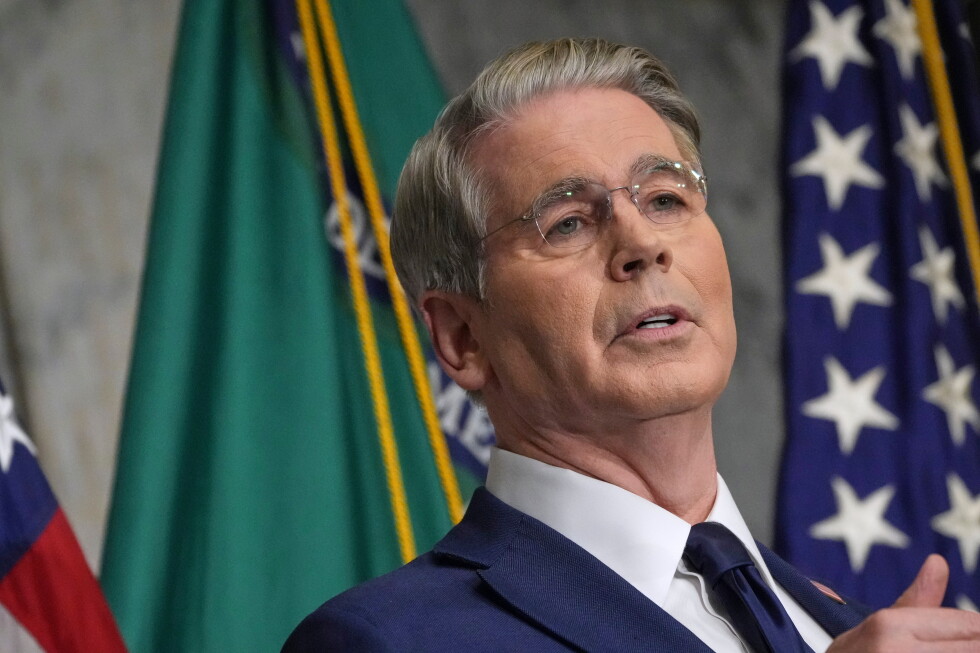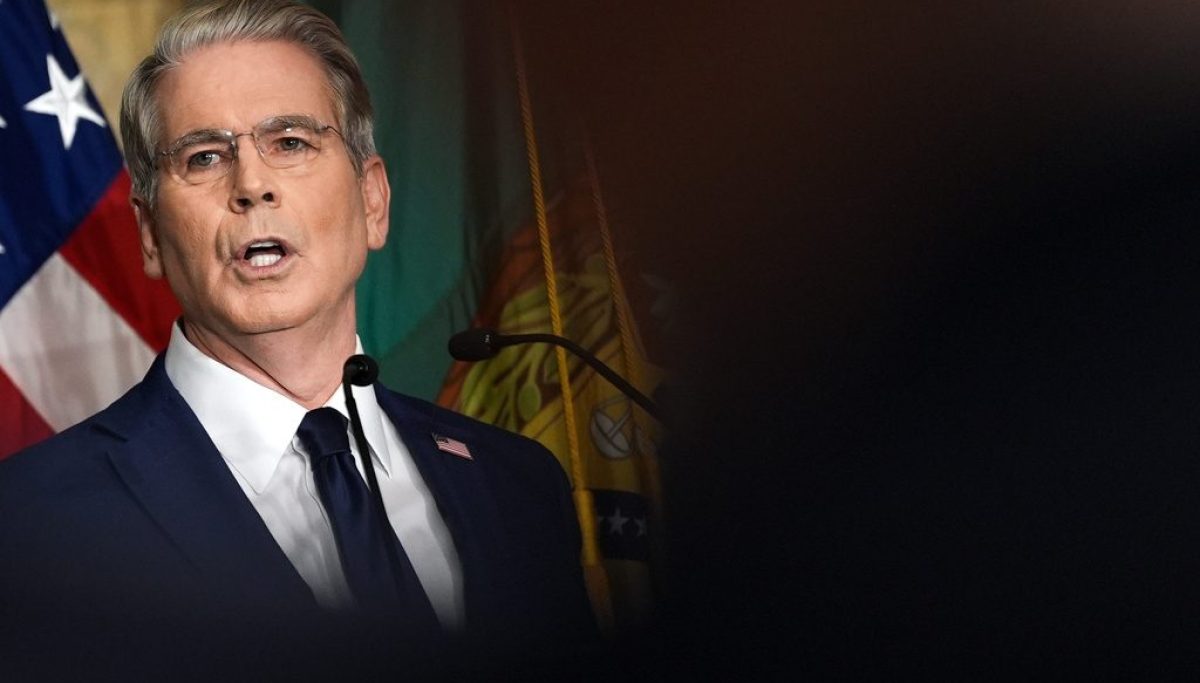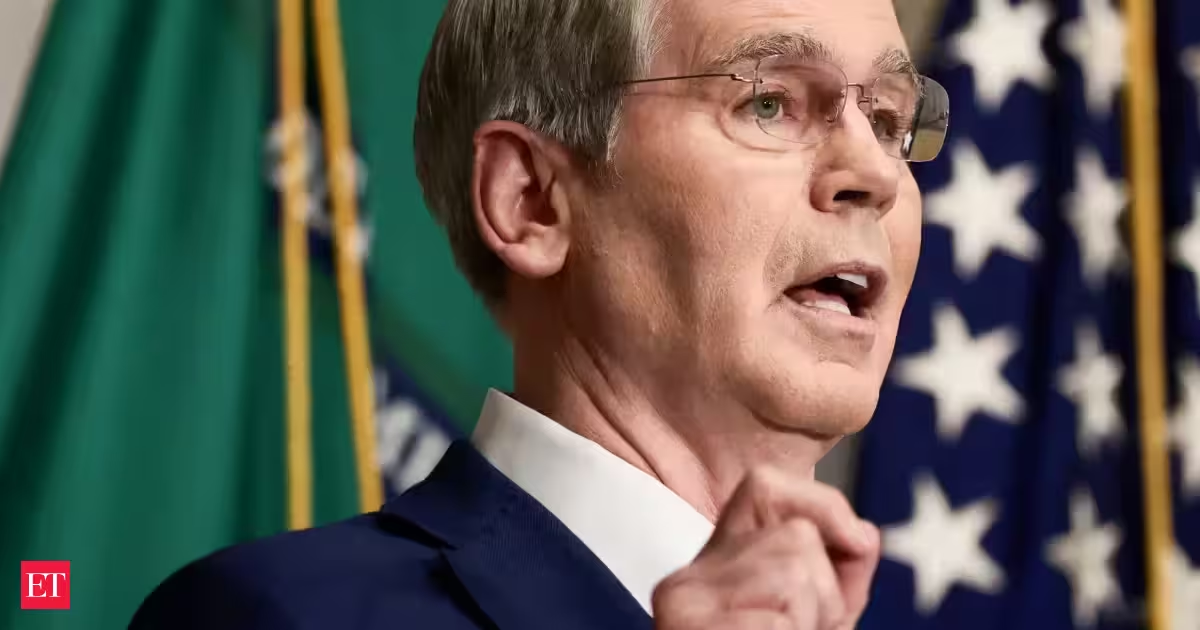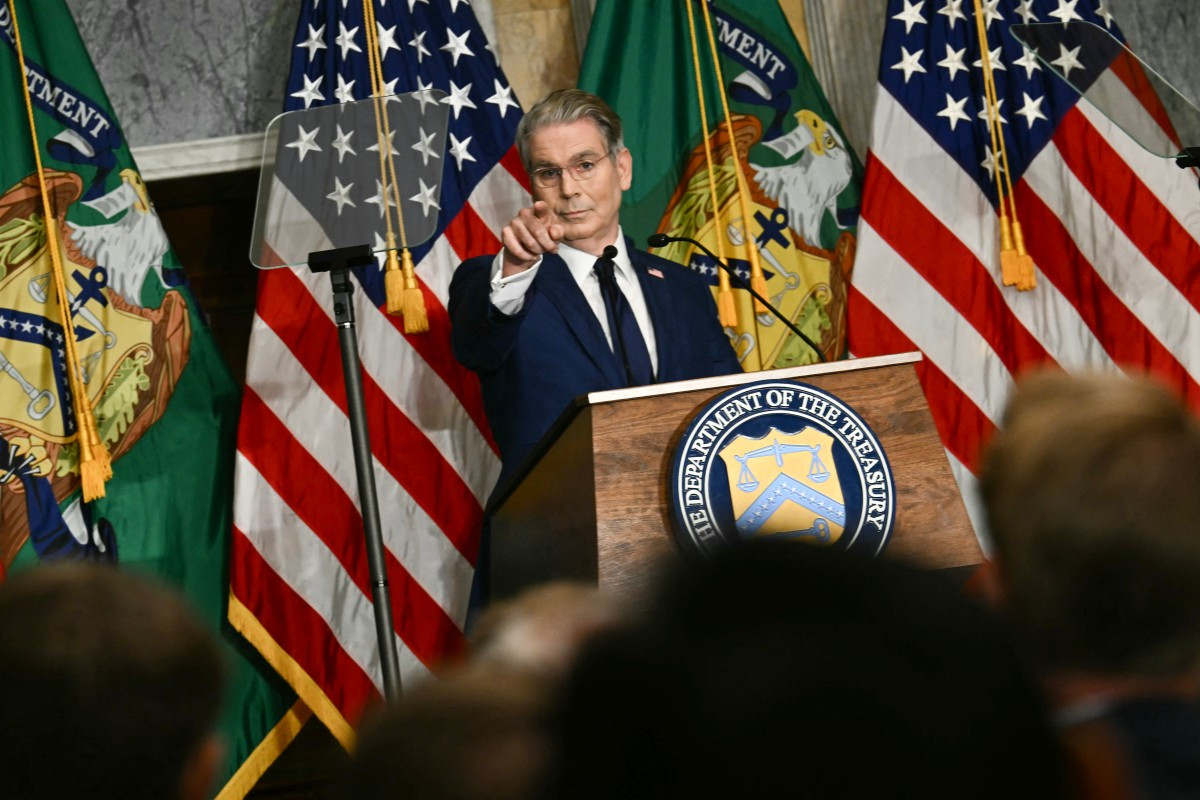
US Treasury Secretary Scott Bessent has flagged that several low-income nations may need to restructure their sovereign debt, a statement that carries significant weight given America’s outsized influence over the International Monetary Fund and World Bank. The warning comes as 69 low-income countries have been identified as at risk of debt distress, with more than half of those categorized as either high risk or already in distress.
What Bessent is actually proposing
Bessent’s position isn’t a blanket call for debt forgiveness. He wants a revised Debt Sustainability Framework, the analytical tool that the IMF and World Bank use to assess whether a country’s debt load is manageable. The revision would enable more timely restructuring of sovereign debts when the numbers make it clear that a country can’t grow its way out.
The key phrase in all of this is “burden-sharing.” Bessent has pushed for a more equitable distribution of losses among creditors when restructuring happens. That’s a not-so-subtle reference to China, which has become one of the largest bilateral lenders to developing nations through initiatives like the Belt and Road program. The US position is that IMF resources shouldn’t primarily function as a bailout mechanism for official creditors who lent aggressively and opaquely.