With U.S. debt hitting $40 trillion, markets are turning more attention to that burden and whether policymakers will address the root causes or just the symptoms.
The Treasury Department’s interventions in the bond and currency markets in recent weeks point to the latter.
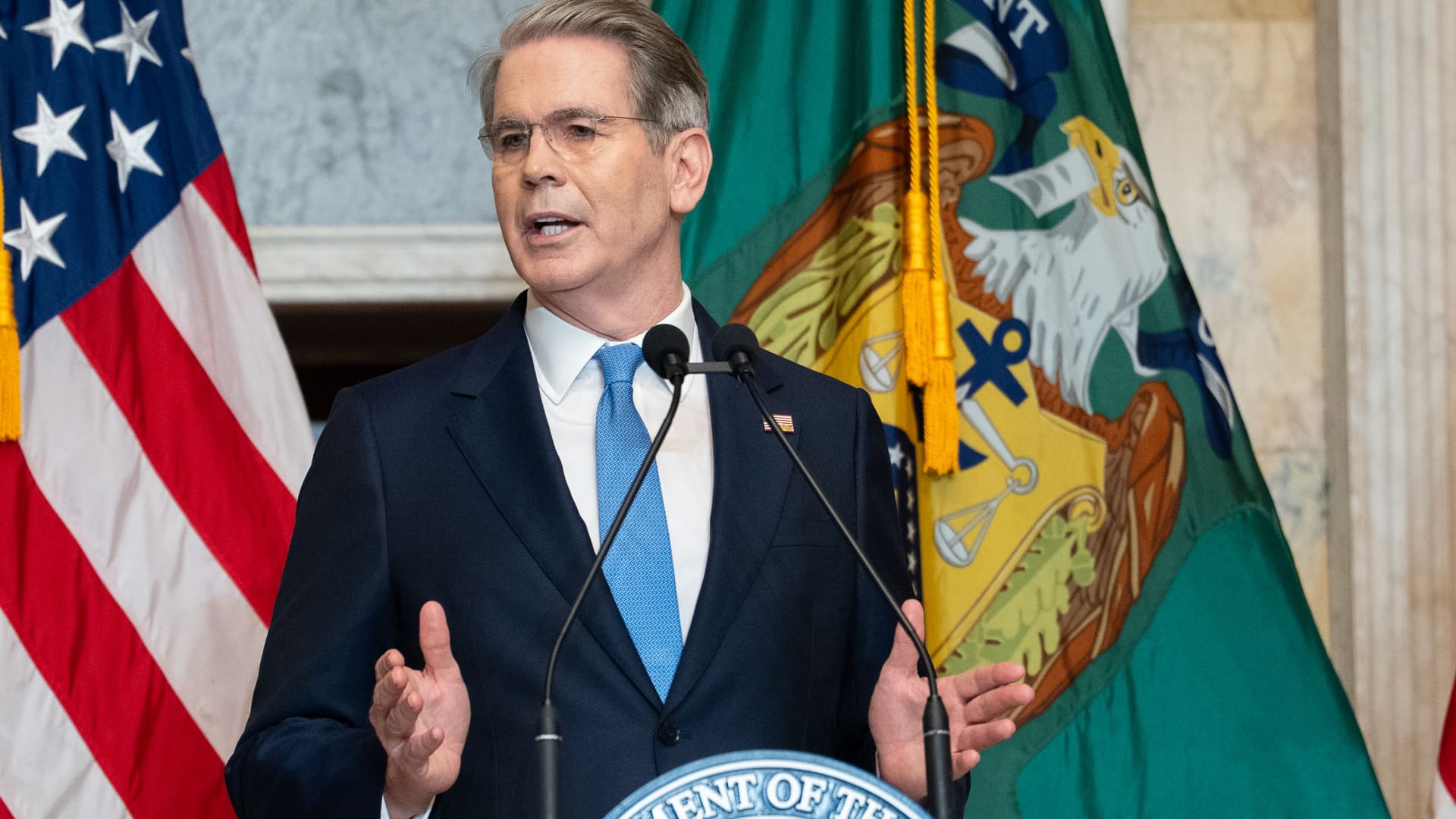
Treasury Secretary Scott Bessent surprised Wall Street on Wednesday with a plan to increase buybacks of long-term bonds, after the 30-year yield hit the highest level in nearly 20 years.
That came just a few weeks after the U.S. and Japan took such joint action to boost the yen for the first time in three decades. But to make it happen, the U.S. sold euros instead of dollar-denominated assets, avoiding a sale of Treasury securities that would put more upward pressure on yields.
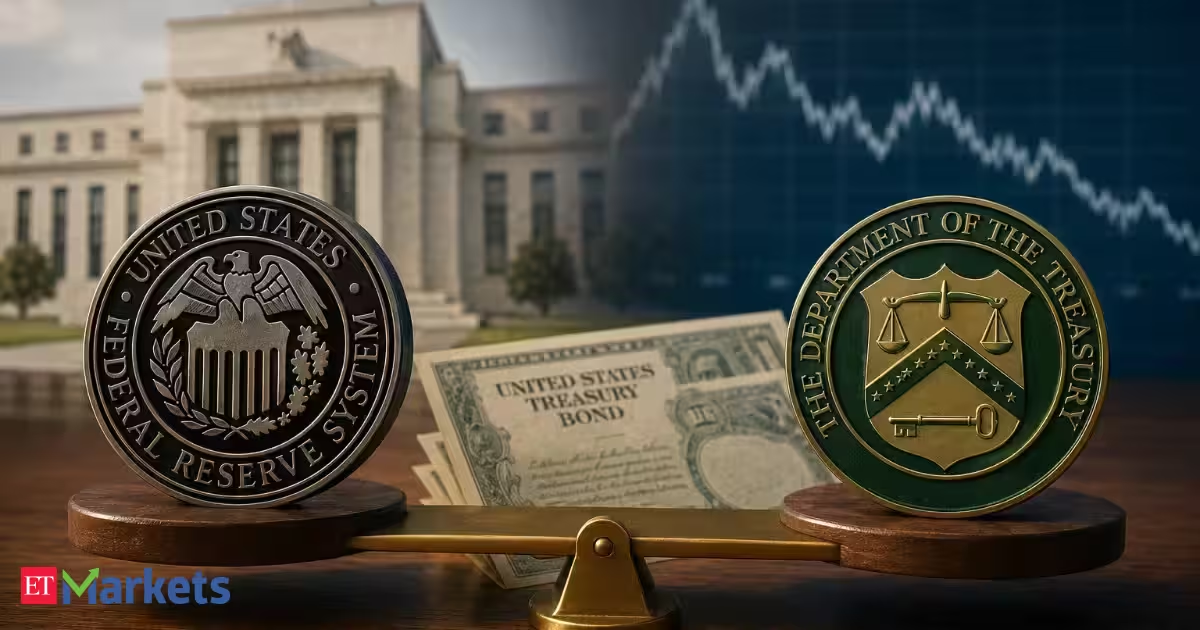
Japan also refrained from selling Treasuries and instead tapped an obscure Federal Reserve tool called the Foreign and International Monetary Authorities Repo Facility (FIMA). This mechanism allowed Japan, which is the world’s largest holder of U.S. debt, to borrow dollars against its Treasury stockpile, obtaining a limited form of liquidity.