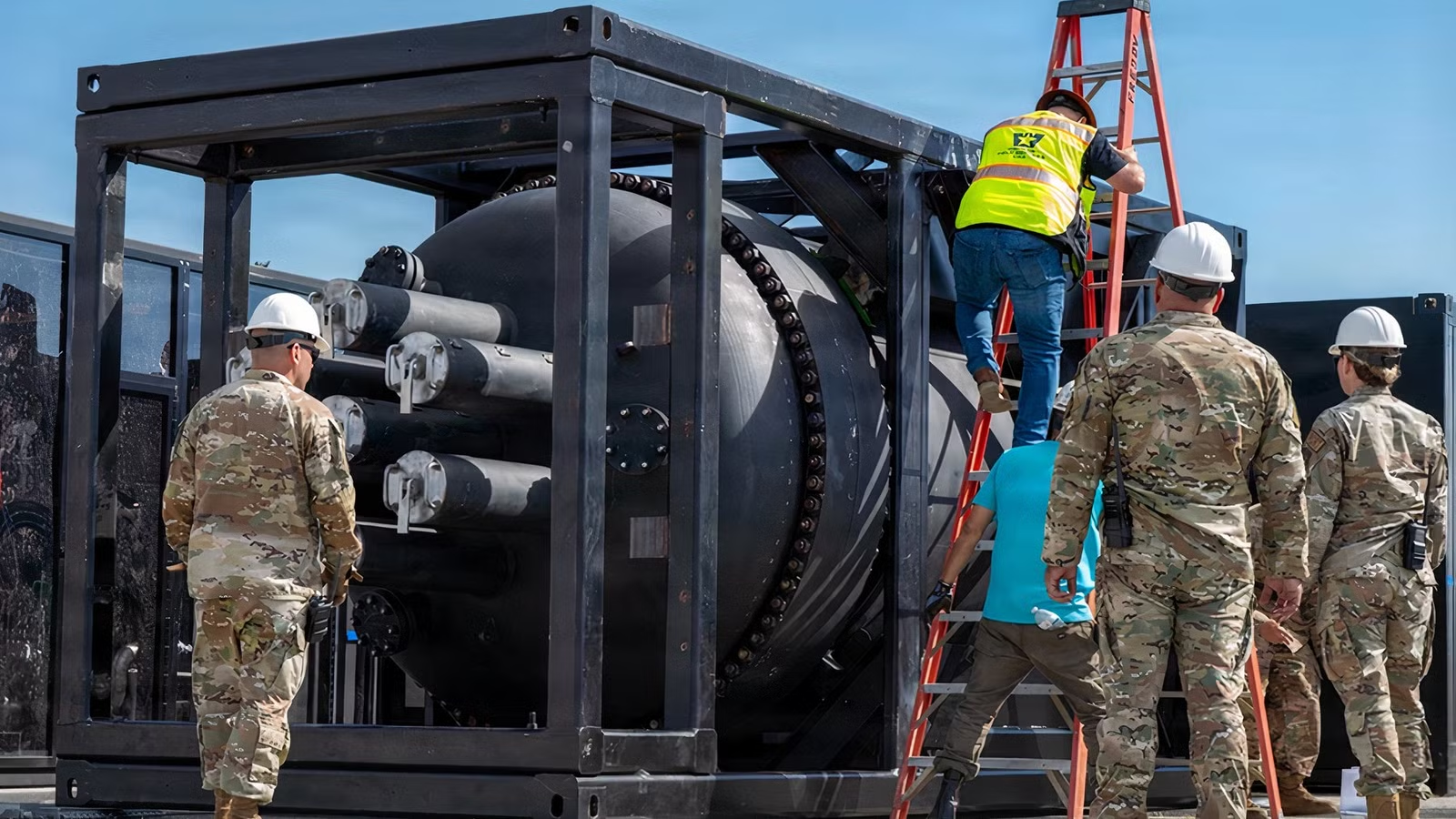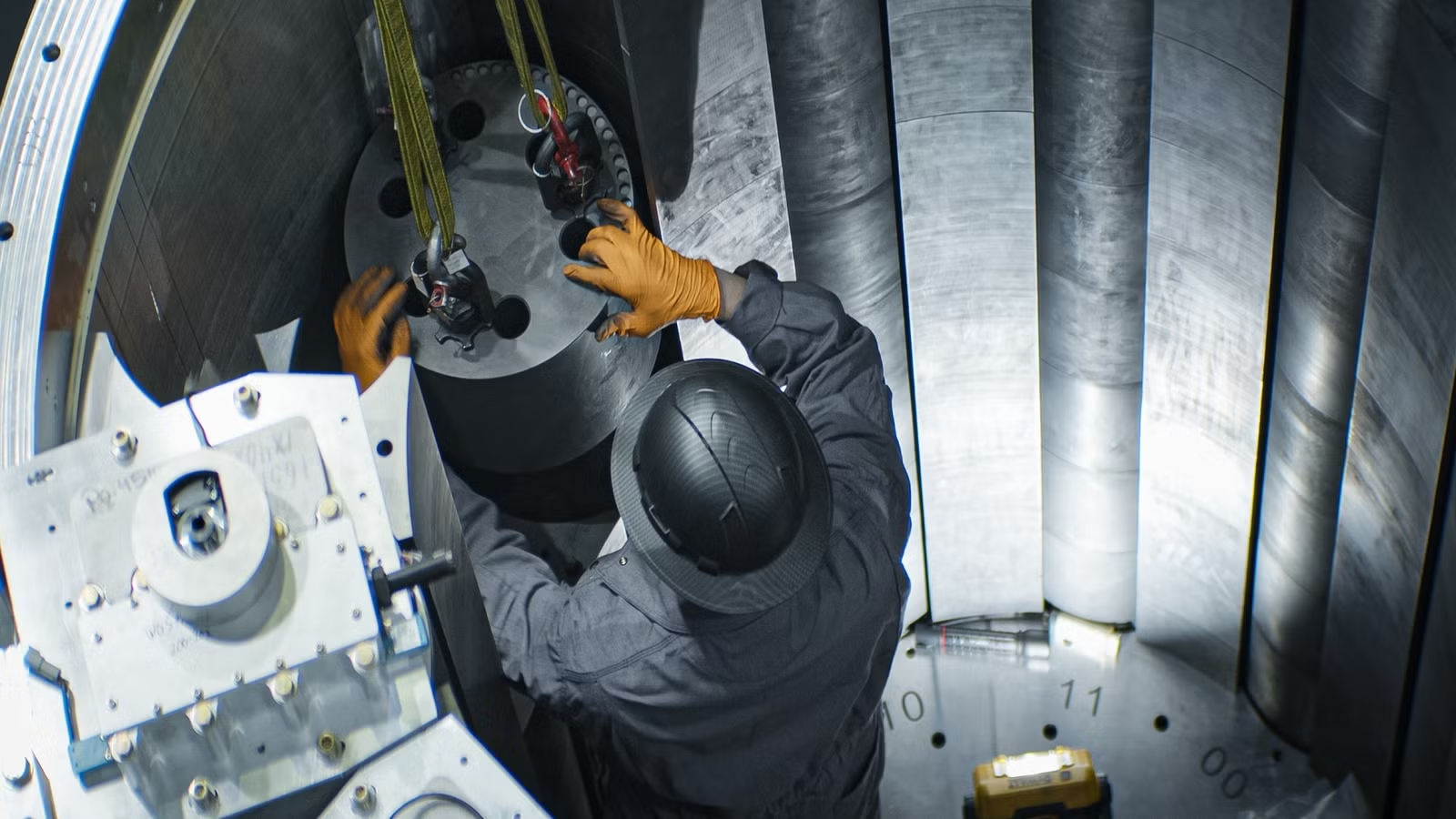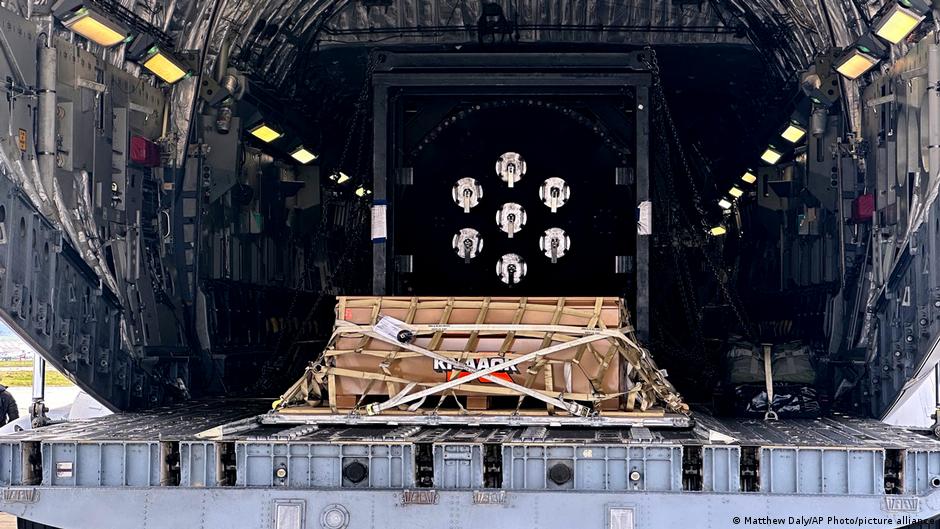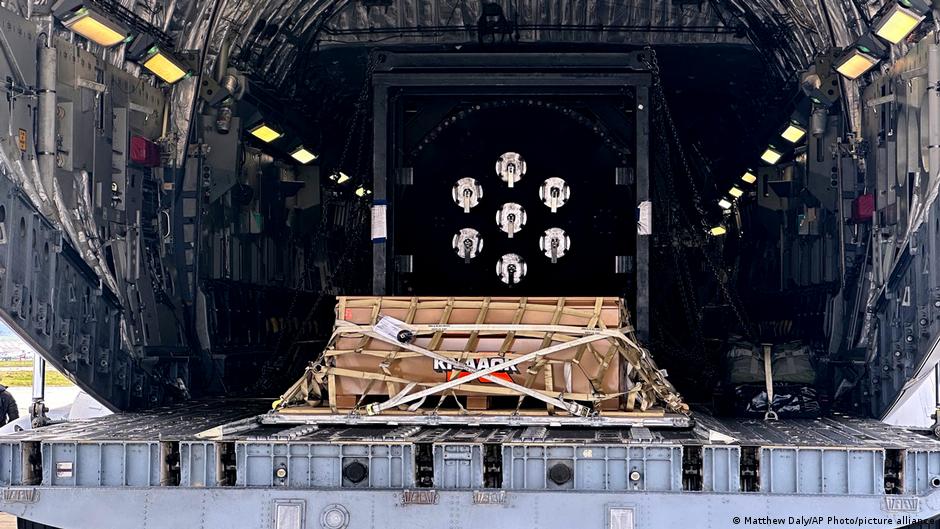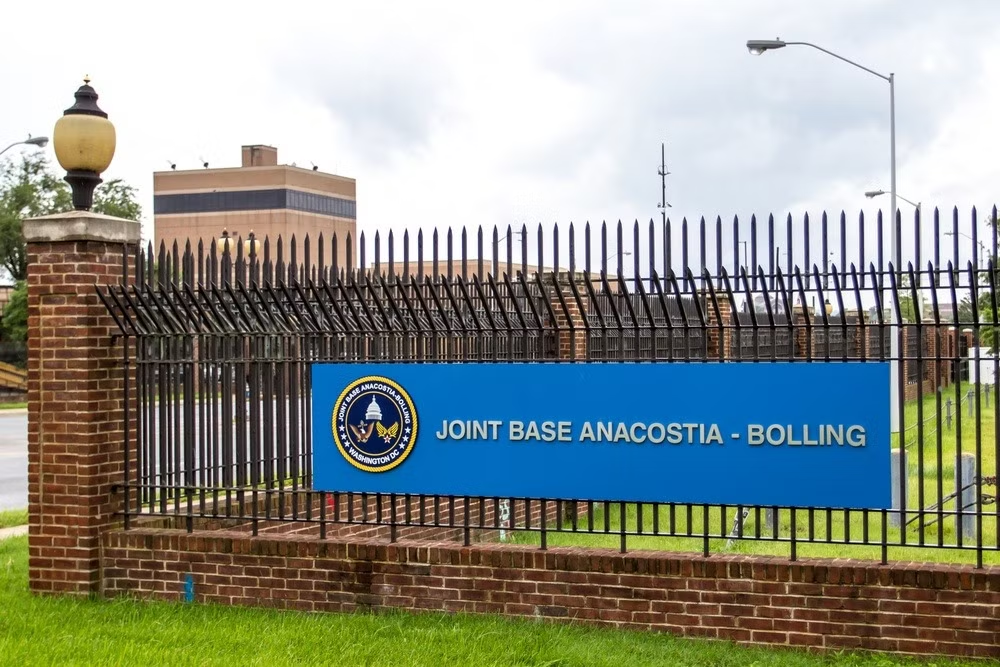
An extended power outage at a military installation can quickly become a readiness problem. That risk has led the Pentagon to examine whether small nuclear reactors can provide dependable electricity directly on bases. NANO Nuclear Energy is exploring that possibility through an Air Force feasibility study of its proposed KRONOS reactor at Joint Base Anacostia-Bolling in Washington and, separately, is working with the University of Illinois Urbana-Champaign on a proposed research reactor now under federal review. A microreactor is a nuclear reactor designed to be built largely in a factory and transported to its destination. The designs vary, but they are far smaller than conventional reactors and generally produce enough power for a base, remote community, industrial operation or similar customer rather than an entire region. Like a large reactor, a microreactor splits uranium atoms through fission and uses the resulting heat to produce electricity. Many designs rely on passive safety features that work without pumps or outside power.
Why Military Bases Need Independent Power
The military’s interest starts with a basic vulnerability: Most installations depend on the commercial grid and diesel generators. Defense policy calls for critical loads to remain powered for at least 14 days during an unplanned outage, but storing and distributing enough diesel creates cost and logistics problems.