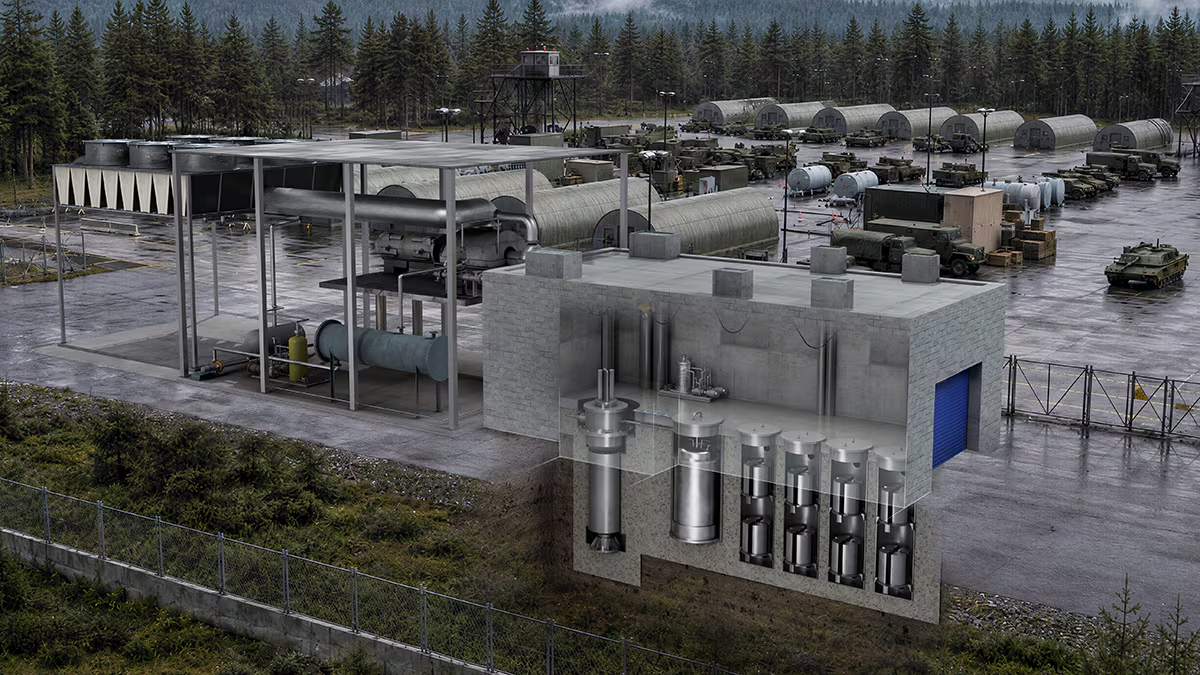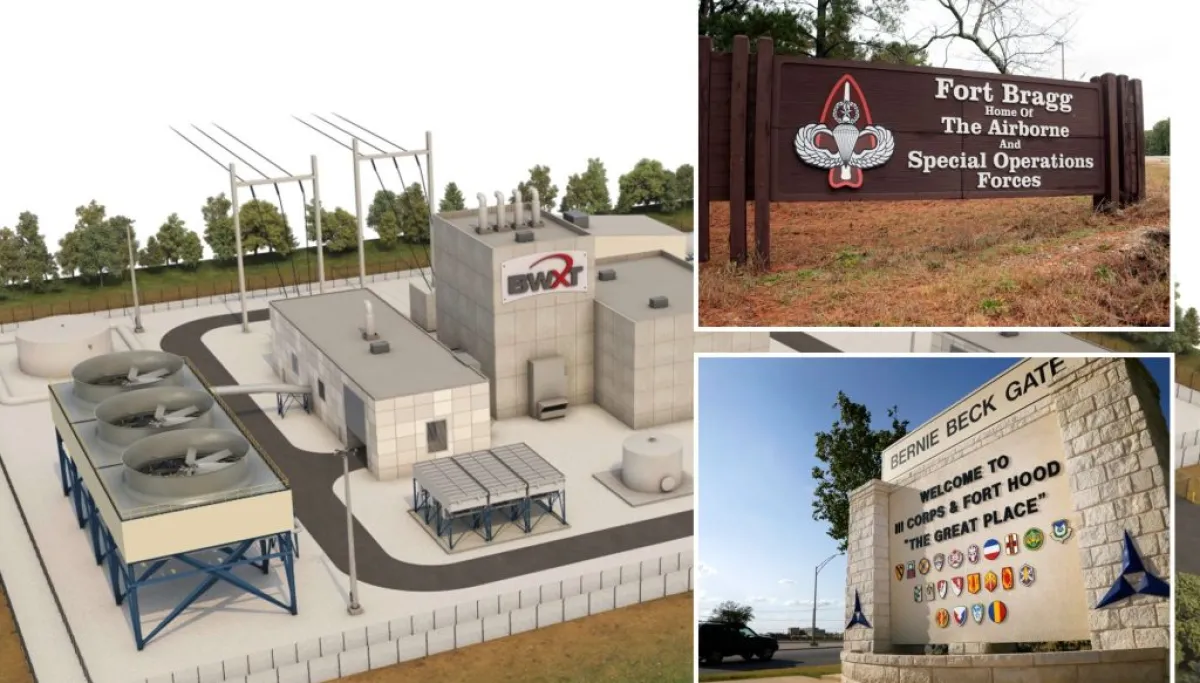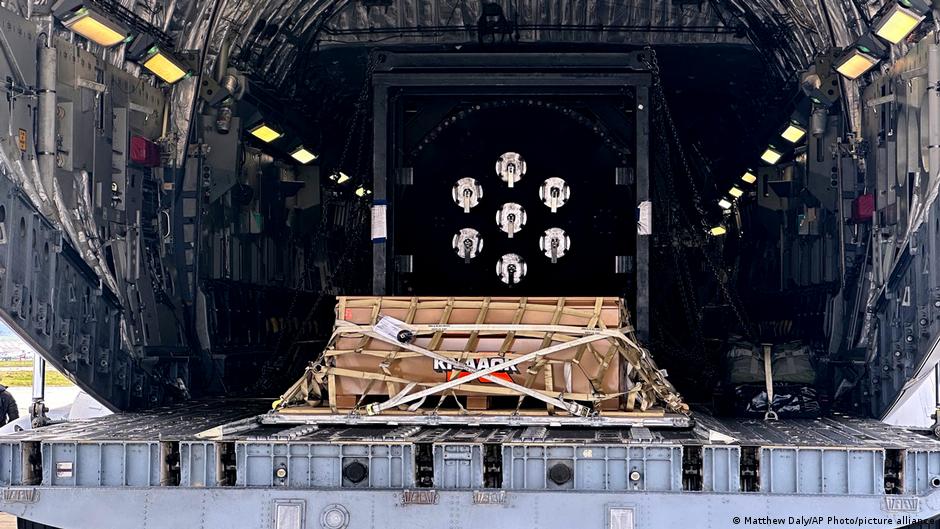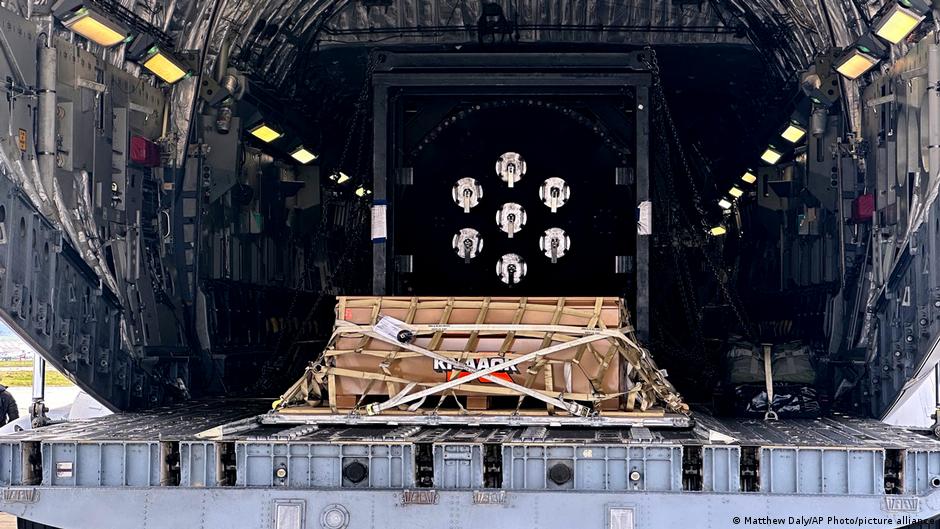
The US Army's Project Janus, which we detailed at length back in November, has selected its initial batch of reactor developers to bring advanced nuclear energy to Army installations to ensure resilient and ready power. BREAKING: The first fully operational commercial nuclear microreactor will be deployed at a U.S. Army installation in 2028.
To achieve this, the Army has awarded a combined $2.2 Billion to five competing commercial companies.
— Jeff Waksman (@Waksman84) August 26, 2026The program is looking to move reactor developers through their first-of-a-kind and second-of-a-kind designs at breakneck speeds with the goal of “bending metal as quickly as possible”.The following companies have been selected to participate under Project Janus:Antares NuclearBWXT Advanced TechnologiesGeneral Atomics Electromagnetic SystemsRadiant IndustriesWestinghouse Government ServicesThe nuclear industry has suffered from decades of atrophy with little to no new nuclear construction to incentivize the manufacturing industry to invest in supply lines to support the build-out of a new national nuclear program. Project Janus looks to assist with revitalizing the commercial nuclear industry while also benefiting by harnessing the reliability of nuclear energy to enhance the abilities of the armed forces. Principal Deputy Assistant Secretary of the Army for Installations, Energy, and Environment, Dr. Jeff Waksman, who is also a program lead for Project Janus, has remarked in recent interviews that reactor developers will be constructing and operating their reactors on various Army installations across the U.S. and will be compensated for the achievement of various milestones related to successful construction and operation of their reactor designs. $2.2 billion has been set aside by the Army and the Department of War Innovation Unit for milestone-based awards. Project Janus is aiming for their first operational reactor by September 2028.Dr. Waksman has also provided estimates in multiple interviews for the price expected to be paid by the Army for power purchase agreements, with prices as high as $0.20-$0.30 per kilowatt hour. This price will vary greatly depending on location and use case. In addition to receiving milestone awards, reactor developers also have the opportunity to move through a faster regulatory pathway than the traditional NRC pathway, similar to how a lot of the developers have been moving through the DOE pathway under the Reactor Pilot Program. This will enable companies to demonstrate the operation of their design to investors and potential commercial offtakers. There has also been discussion of the potential for offtake agreements from the military bases for the first and second-of-a-kind reactors that are built under the program.