Published Jun 10, 2026, 3:00 AM EDT
The first fueled criticality test of a microreactor in a military program offers early validation for reducing reliance on diesel during outages.
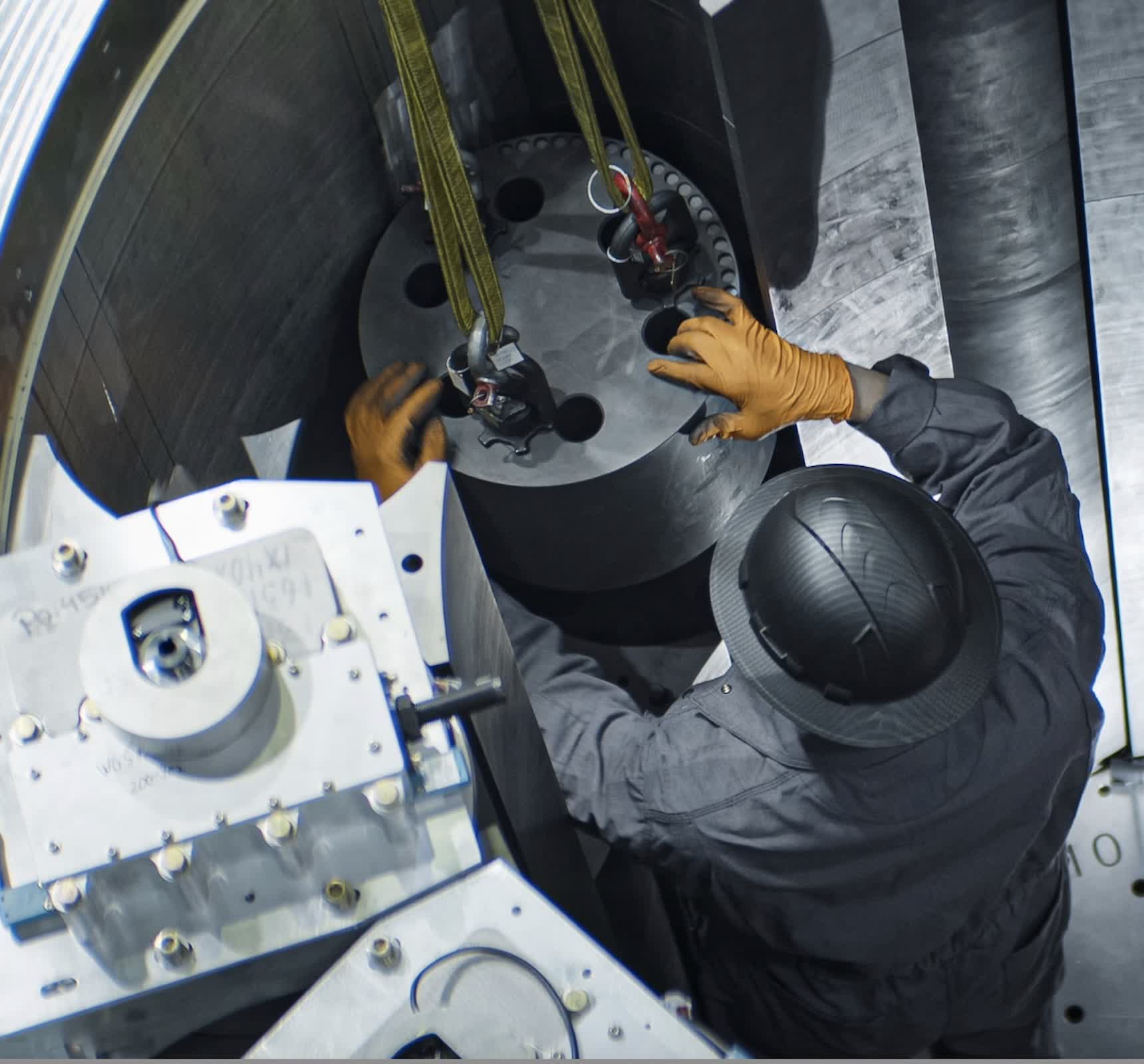
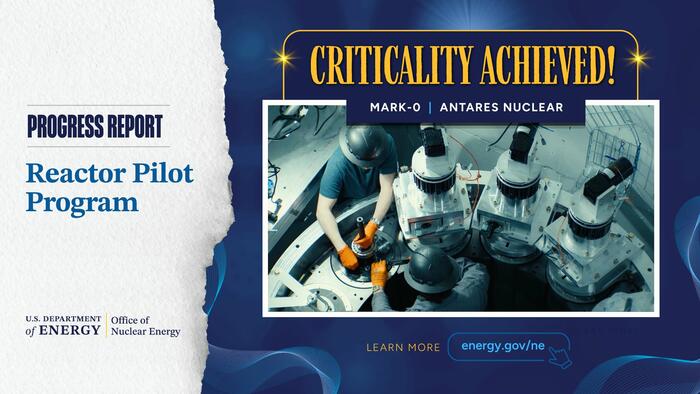
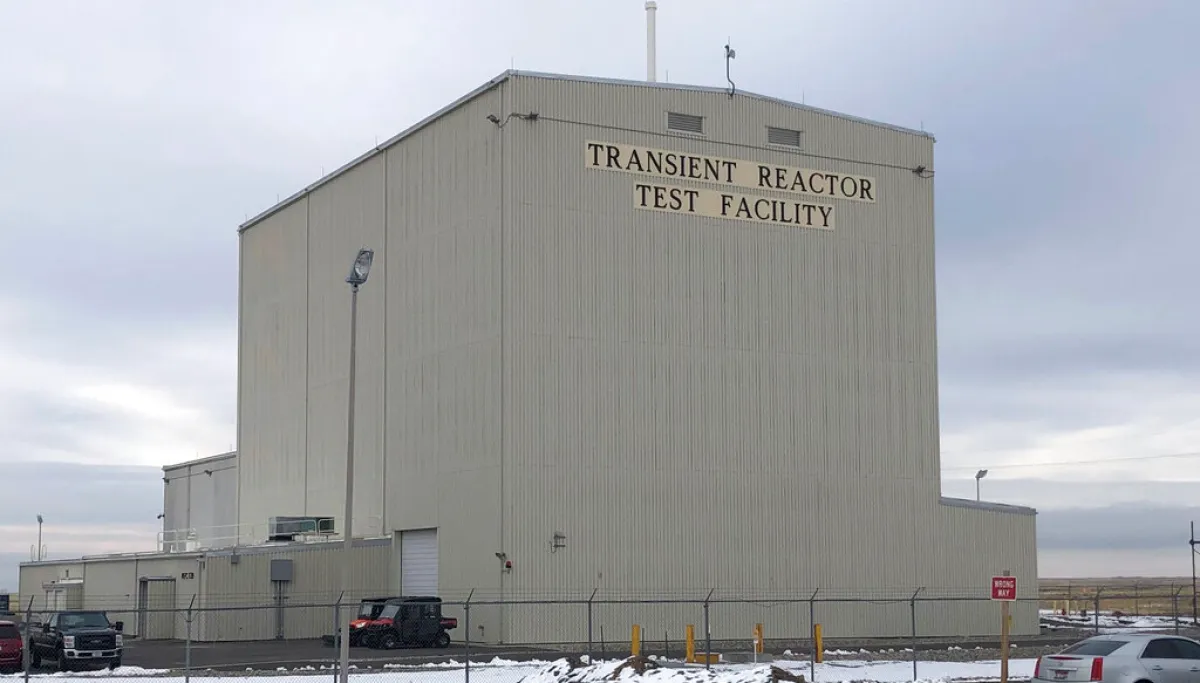
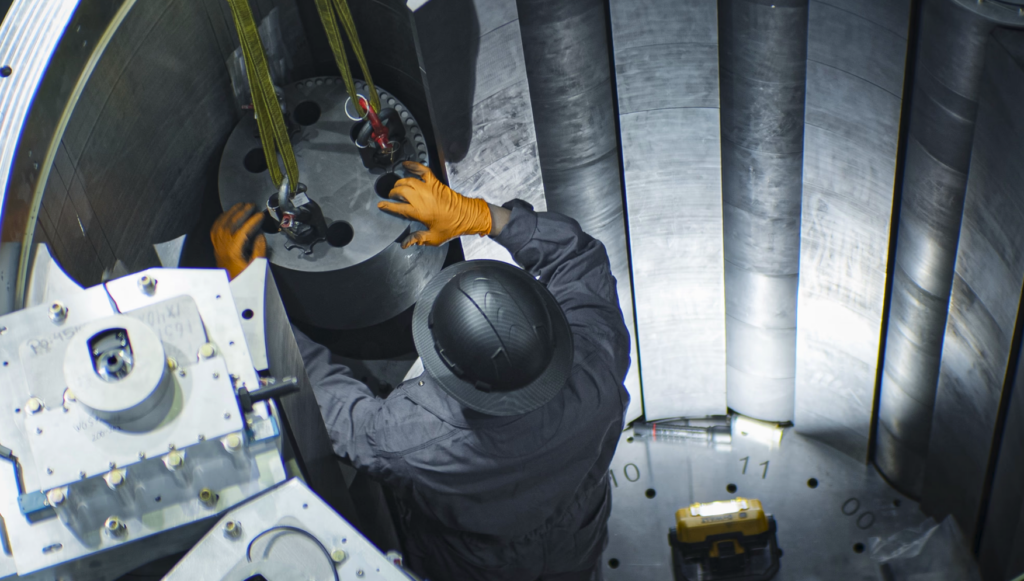
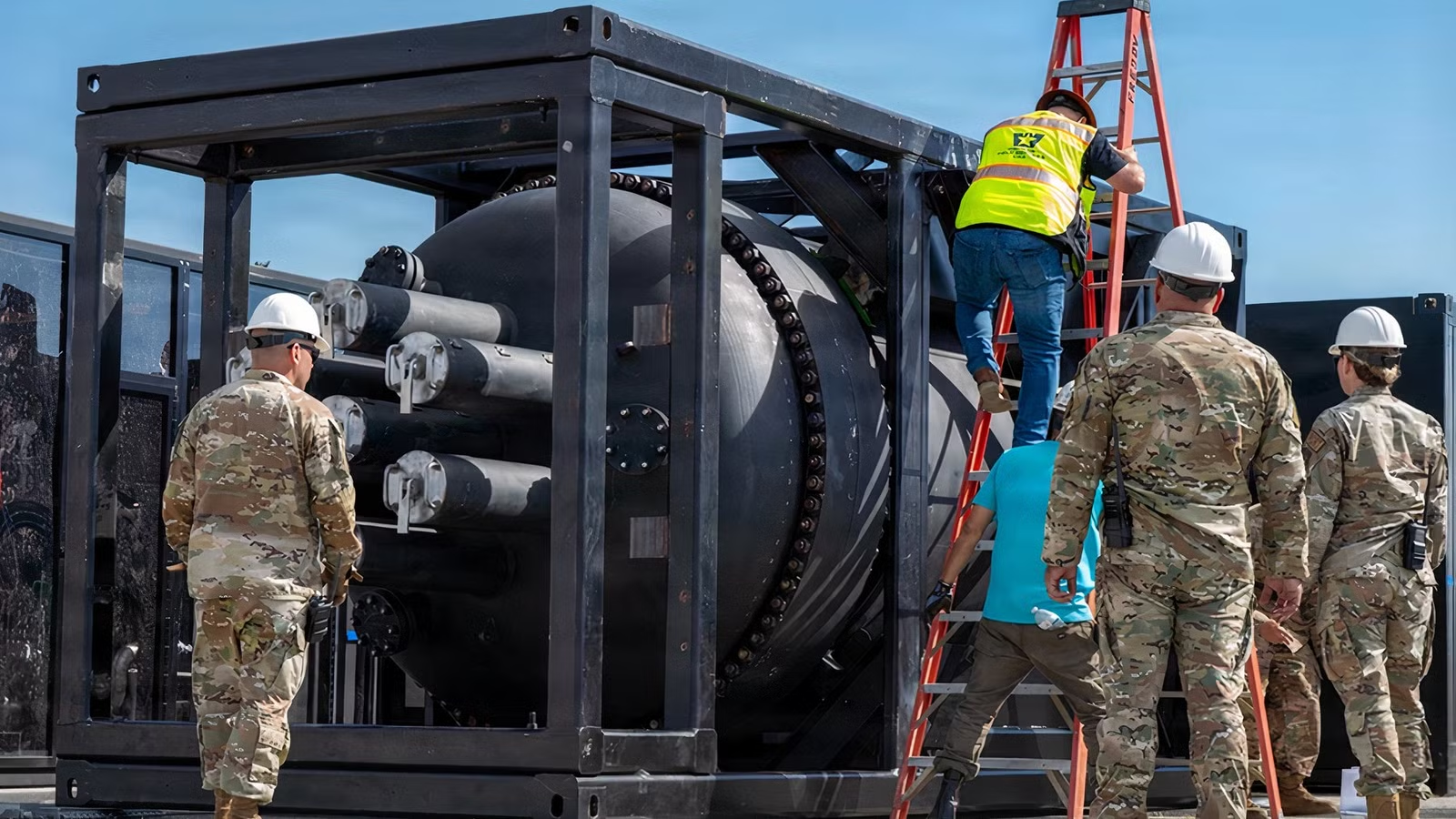
A recent test at Idaho National Laboratory (INL) marks the first time an advanced microreactor design has achieved fueled criticality under the Department of Energy’s (DOE) Reactor Pilot Program. A step that moves one of the technologies discussed for hardening military bases against grid outages closer to reality. Antares Nuclear’s Mark-0 reactor reached zero-power fueled criticality on June 4. The demonstration gives the Army and Air Force early validation of a design already selected for their microreactor initiatives. It also supplies data that supports the company’s timeline for electricity production in 2027. As recently reported by Military.com, Military bases face a mandate to operate independently for roughly two weeks during grid disruptions, but diesel reserves alone often fall short. The June 4 test gives one of the first concrete data points on a microreactor design already inside military programs. Because Antares has been selected for the Air Force’s Advanced Nuclear Power for Installations initiative at Joint Base San Antonio (JBSA) and is competing for the Army’s Janus Program, this test provides early validation that directly feeds into those efforts.