A startup that didn’t exist three years ago just pulled off something the US nuclear industry has struggled with for decades: getting a new reactor design to sustain a nuclear chain reaction on its own.
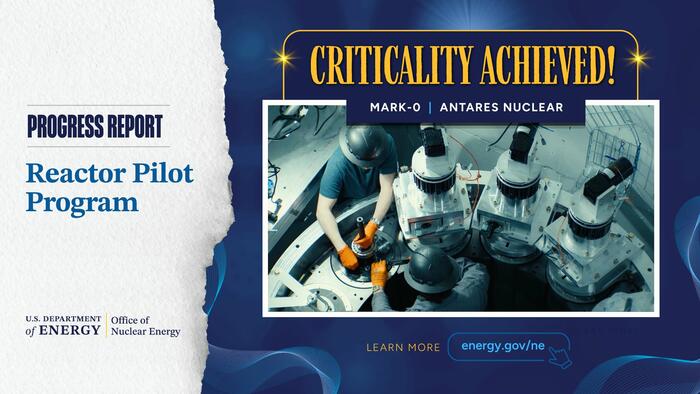
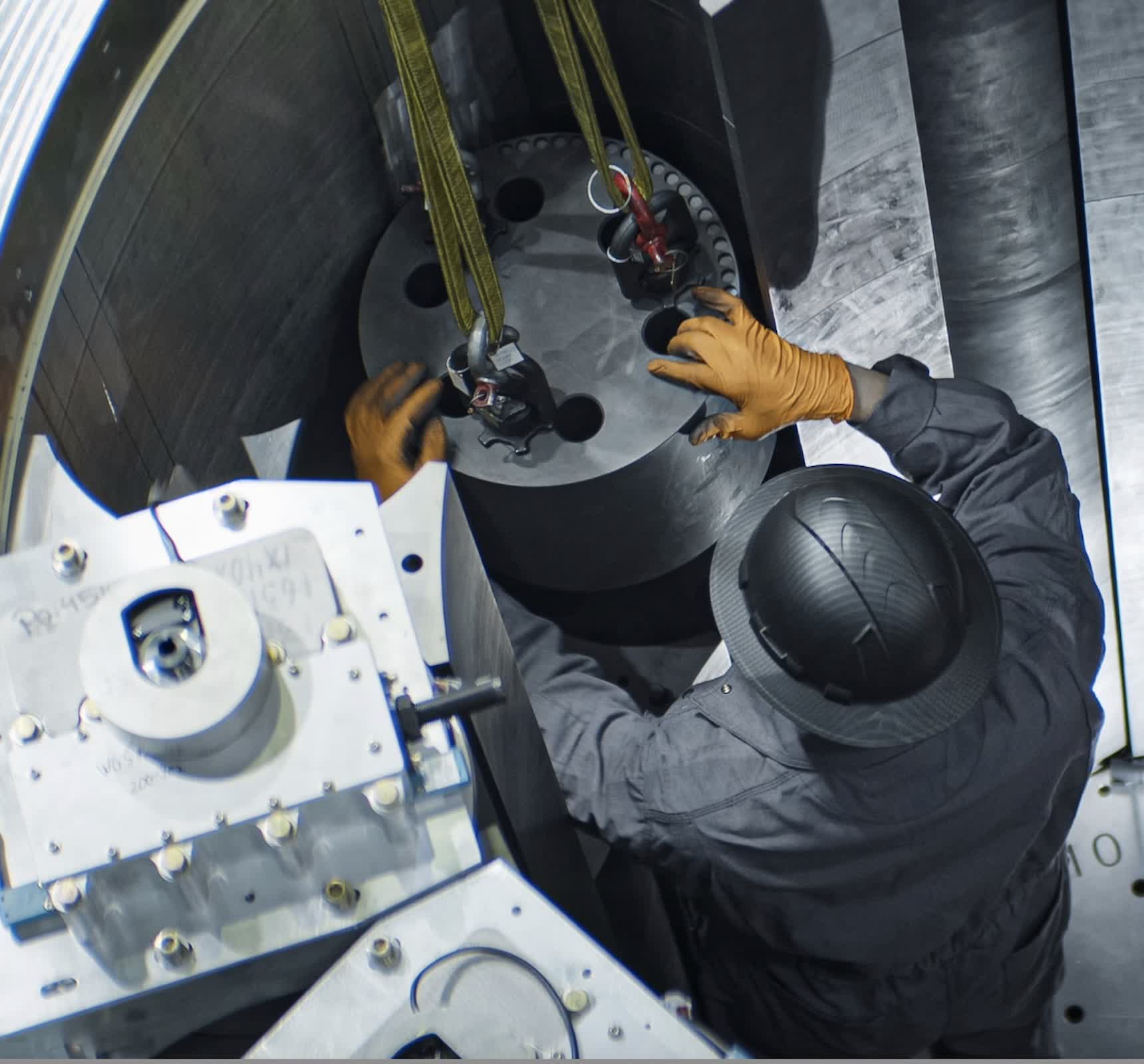
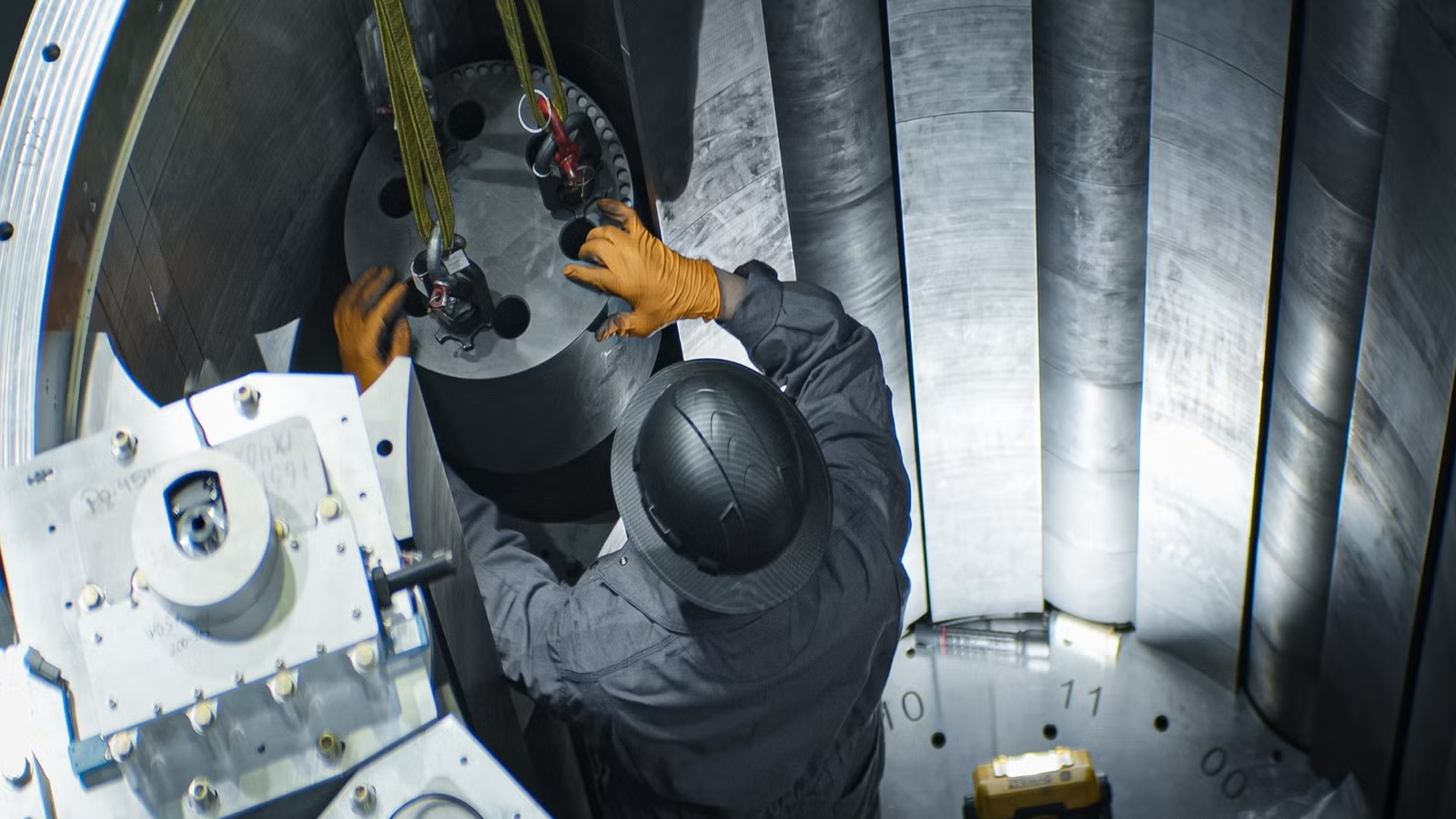
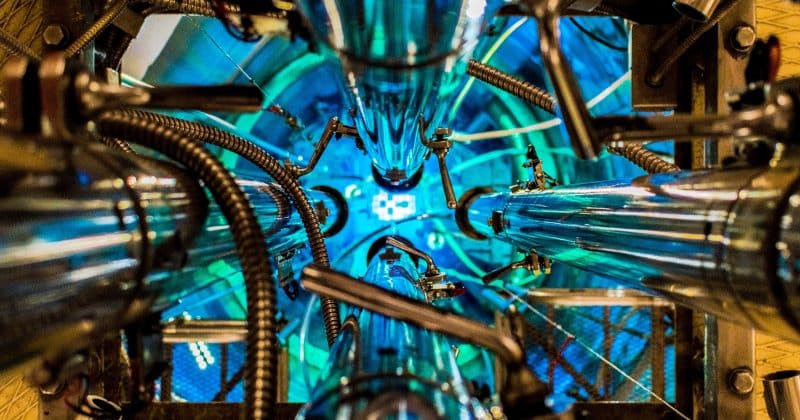
Antares Nuclear Inc. announced that its Mark-0 microreactor achieved initial criticality on June 4-5 at Idaho National Laboratory’s Reactor and Critical Experiment (RACE) facility. In English: the reactor maintained a self-sustaining nuclear fission reaction, the foundational step that proves a reactor design actually works in the real world, not just on paper.
It’s the first time a privately developed advanced reactor has reached criticality under the Department of Energy’s Reactor Pilot Program, which launched in 2025. But before anyone gets too excited, this was a zero-power demonstration. No electricity was generated. The test focused entirely on reactor physics and safety validation.
What Antares actually built
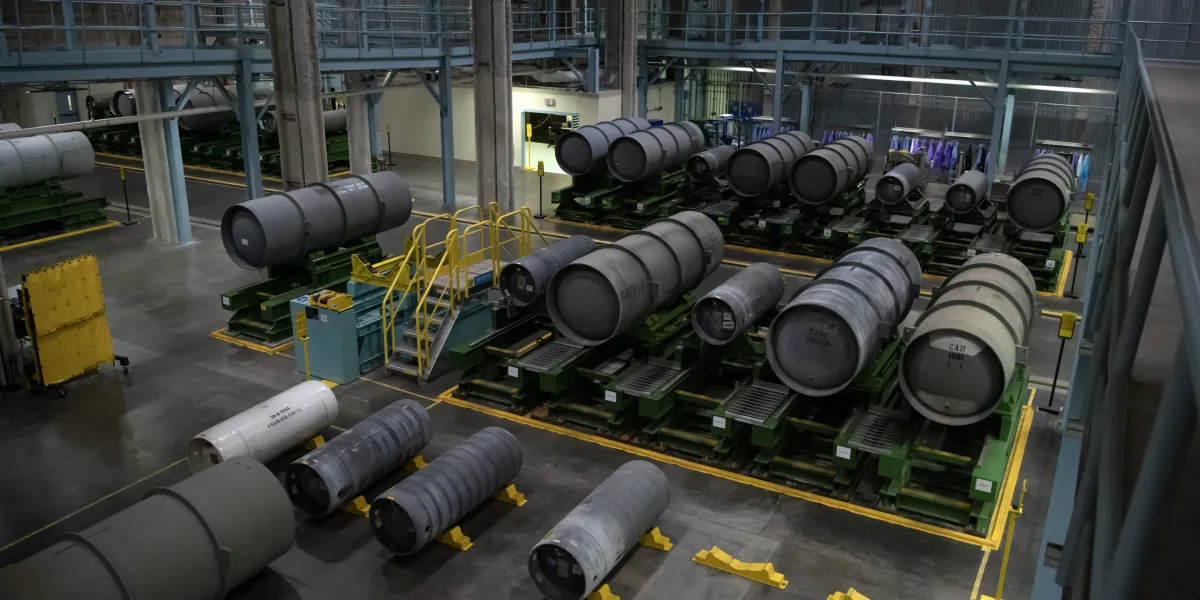
The Mark-0 reactor uses sodium heat-pipe cooling and high-assay low-enriched uranium (HALEU) TRISO fuel. Think of TRISO fuel particles as tiny armored capsules, each kernel of uranium coated in multiple layers of ceramic and carbon that can withstand extreme temperatures. The sodium heat pipes passively transfer heat without pumps, which reduces mechanical complexity and, theoretically, the number of things that can go wrong.